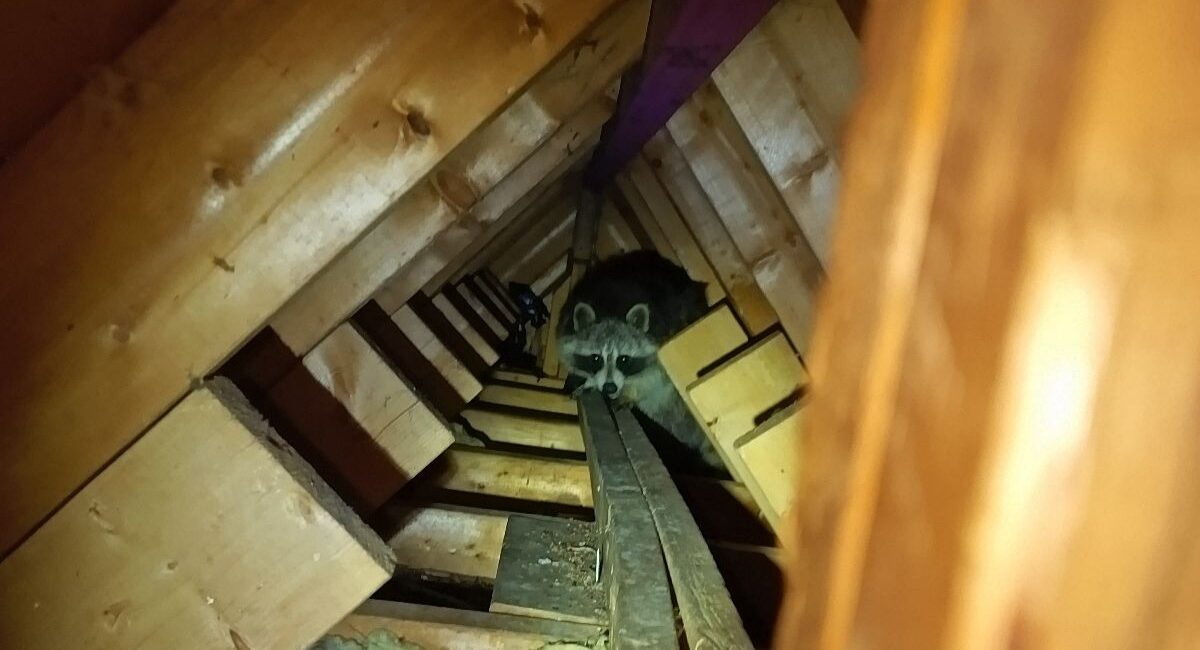
You may hear more activity above the ceiling on cold mornings because dawn movement, shelter use, and a quieter house can overlap. Some occupants begin moving as daylight arrives, while others return after feeding overnight. Cold weather can also make covered spaces useful for resting. Yet louder or more noticeable noise does not necessarily mean more wildlife has entered your attic.
You might wake to fast footsteps above the bedroom, followed by a scrape or a few dull bumps. With fewer household sounds at that hour, each movement can stand out. Heating ducts and building materials may also click or pop as their temperatures change. The sound needs a closer check before its cause can be confirmed.
At Skedaddle Humane Wildlife Control in Montreal, we compare the timing, type, and location of noise with the evidence found at your home. Our team checks possible entrances and occupied spaces without asking you to enter the attic. Here is why cold mornings can seem busier, what different sounds may suggest, and how a professional inspection separates useful clues from guesses.
What Animal Makes Noise in the Attic in the Morning?
Morning attic noises can stem from squirrels, birds, raccoons, mice, rats, or bats starting their day or returning to shelter. Scurrying, scratching, calls, and footsteps often overlap between species, making time of day an unreliable identifier. Sounds might also originate nearby, like soffits, vents, or roofs. Skedaddle conducts thorough inspections of actual spaces and supporting evidence to identify the precise source before creating a removal plan.
Why Cold Mornings Can Make Activity More Noticeable
Several things can happen around dawn that change what you hear below the roof. Normal departures and returns may overlap with shelter use and a quiet house. We consider those factors together rather than assuming that every cold morning brings more occupants.
- Morning Departures and Returns: Some occupants begin moving around daylight as they leave shelter or travel toward an opening. Others may return after being active overnight and settle into a protected space. Both patterns can create footsteps, scratching, or calls during the same morning hours. Our team compares the timing with entry routes and physical signs before deciding what the movement means.
- Shelter Use During Cold Weather: Covered roof spaces can offer protection from wind, rain, and cold when there is a suitable route inside. An existing occupant may continue using that space through changing weather. A cold night does not prove that a new entrance has been made or that the number inside has grown. We inspect the occupied area and building openings to find out what is happening.
- A Quieter House: Small movements can stand out before conversations, appliances, and daytime traffic become louder. You may hear scratching clearly from bed that would be missed during a busy afternoon. The activity may be more noticeable without being greater in amount. That is why our team considers the wider pattern rather than using noise volume as a count.
What Different Sounds May Suggest
The character of a sound helps guide our inspection, but it cannot provide a firm identification. Several species can make similar noises, and building materials change how movement reaches a room. We compare what you hear with the evidence found inside and around the structure.
- Fast Scurrying or Scampering: Quick footsteps above the ceiling can fit squirrel movement, especially during daylight hours. The sound may seem to cross a room before stopping near a wall or roof edge. Similar movement can have other sources, and framing can make it seem louder or farther spread. Neither the speed nor the volume confirms the number present or the location of a nest.
- Calls, Fluttering, or Wing Movement: Muffled calls and fluttering may point toward birds near a vent, soffit, or roof space. Some faint squeaks and scratching can overlap with sounds made by bats. Calls heard indoors may also come from just outside the building. Our team checks the location, entry activity, and other signs before linking the noise to an occupant.
- Heavier Footsteps or Thumps: Raccoon movement may create heavier bumps or footsteps when an occupant returns to shelter. Those sounds can seem surprising when heard through a quiet ceiling. A loud thump does not prove the species, because the surface and framing affect how the noise carries. We inspect the route and affected space rather than identifying the source by weight or volume alone.
- Light Scratching or Repeated Gnawing: Mice, rats, and squirrels may create scratching or chewing sounds within hidden spaces. A repeated scrape can seem focused in one spot even when its source is farther along the structure. Timing alone cannot reliably separate those possibilities or reveal what material is being chewed. Our inspection checks for damage and identifies whether an occupied space needs removal and cleanup.
Why the Loudest Room May Not Be Below the Nest
Sound can travel through joists, walls, ducts, and other parts of a building. A movement in the roof space may be heard clearly beside a bedroom wall. Another sound may seem centred above a hallway even when it starts near the eaves. The place where you hear it best is a useful clue, but it is not a confirmed location.
The entrance, travel route, and nesting area may also be in different places. An occupant can enter near one roof edge and move through connected spaces before resting elsewhere. The nest itself may remain quiet while the route receives regular traffic. Listening beneath one room cannot show the full path.
Our team uses your observations to guide the inspection. We compare the apparent sound location with the roof layout, openings, and signs of use. This helps us avoid treating the loudest spot as the only affected area. We check the spaces linked to the evidence before choosing a plan.
Cold-Weather Noises That May Come From the Building
Not every click, pop, or bump above the ceiling comes from an occupant. Changes in temperature can cause some building materials to move and make noise. These sounds may be brief or repeat as conditions change. A cold morning can bring them to your attention at the same time as other attic concerns.
Metal heating ducts may also click or bang as they warm and cool. You might notice that a sound starts shortly after the heat comes on or stops when the cycle ends. That pattern gives the appropriate professional useful context. It does not automatically rule out separate movement within the roof space.
Our team investigates suspected wildlife activity and checks for evidence of occupancy. A heating contractor, roofer, or another qualified trade may need to assess equipment or building issues. More than one cause can be present at the same property. Finding a duct noise does not explain away repeated entry through a damaged vent.
Signs That Support a Wildlife Inspection
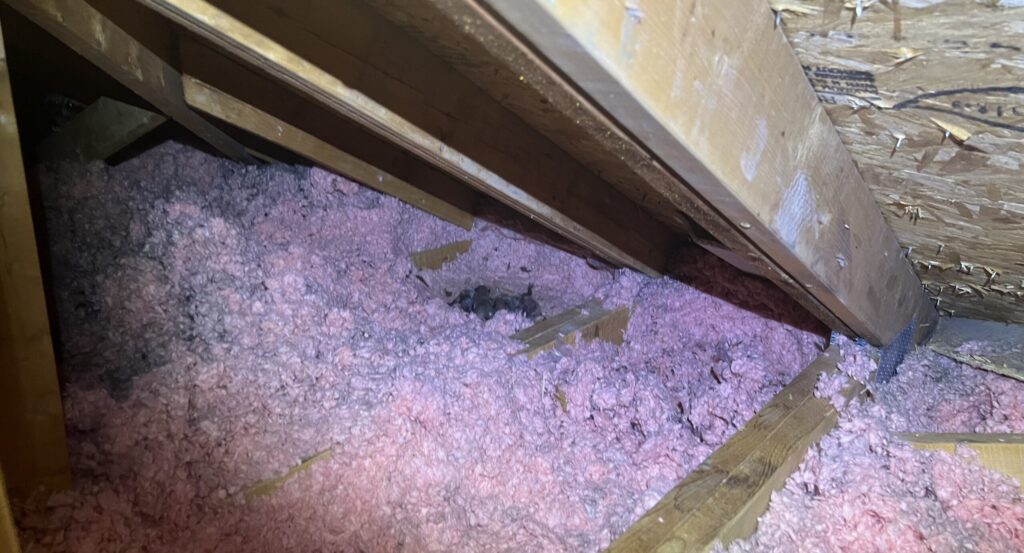
Recurring noise becomes more concerning when it appears with entry activity, damage, or waste. These clues can help show whether a sheltered space is being used. You can share observations from normal rooms and safe viewing areas while our team handles attic access and close exterior checks.
- Repeat Use of One Opening: Regular entry or exit near a vent, soffit, chimney area, or roof gap provides stronger evidence than roof traffic alone. An occupant may use the same route each morning while others remain hidden inside. The timing helps direct our inspection but does not reveal the full occupied area. We check beyond the opening before deciding how removal should proceed.
- Chewed, Lifted, or Shifted Materials: Damaged covers, loose soffits, and changed edges around a gap may suggest that the structure has been used for access. Weather and building wear can also cause damage, so appearance alone does not identify the cause. Our team looks for evidence that connects the condition with current movement. We also assess nearby weaknesses that may need protection.
- Waste, Nesting Material, or Lasting Odours: Droppings, gathered material, and unusual smells can support a concern about an occupied space. Old evidence may remain after earlier activity, and a smell can have more than one source. These signs must be compared with the routes and movement found at the property. Leave affected materials untouched so our team can assess the cleanup needed.
- Movement That Keeps Returning: Sounds that repeat in the same area or follow a similar path can help us trace regular use. You may hear scurrying each morning or movement around one roof edge on several days. Quiet periods between those events do not show that the space is empty. Our team checks the full pattern and whether adults, dependent young, or trapped occupants are present.
Morning Attic Concerns Around Montreal Homes
Montreal has varied roof designs, older duplexes and triplexes, newer homes, and close-set buildings near mature trees. Each layout changes where openings may occur and how sound reaches the rooms below. Some homes have several roof sections or additions that complicate the route. Our team checks the actual structure instead of assuming every ceiling noise comes from one open attic.
A covered roof space can provide shelter without being as warm as the rooms beneath it. Attic conditions depend on insulation, ventilation, air leaks, and the building’s design. Cold weather alone does not reveal why a particular space is being used. The inspection must connect the shelter area with signs of entry and occupancy.
Nearby vents, soffits, and walls may produce sounds that seem similar from below. Closely spaced homes can also make outdoor activity seem near a room. We only treat spaces as connected when the layout and evidence support that conclusion. This keeps the removal plan focused on the areas actually being used.
Let Skedaddle Find the Source and Protect the Roofline
Our inspection compares sound type, timing, and location with the signs found at the building. We check entry points, occupied spaces, damage, and affected materials. Those findings help identify the species and the routes being used. You receive a clear explanation of the concern and the work needed.
Humane removal must account for young, trapped occupants, and any timing or nest protections that apply. Where suitable, our one-way doors allow wildlife to leave but prevent re-entry. They form part of a plan suited to the occupants and their exit route. We confirm the removal needs before completing the final closure.
Our Skedaddle Humane Wildlife Control team in Montreal also addresses professional cleanup and suitable entry-point protection. We assess the materials affected and secure vulnerable areas after removal is confirmed. Heating or structural concerns may require a separate qualified professional. We explain those needs so the full problem receives the right attention.
Frequently Asked Questions
Does louder noise mean more occupants have moved in?
No, louder noise does not provide a reliable count. Movement may sound stronger because it happens near framing, closer to the ceiling, or during a quiet part of the morning. One occupant can produce several sounds while travelling through a roof space. Our team checks the physical evidence and any young before assessing the full concern.
Can wildlife and heating noises happen at the same time?
Yes, a heating cycle can overlap with movement inside or near the roof space. Ducts may click while an occupant travels toward an opening. Finding one source does not automatically explain every sound you hear. Our team checks suspected occupancy and identifies when equipment concerns need another qualified professional.
Does a quiet afternoon mean the attic is empty?
No, activity can change throughout the day as occupants rest or leave temporarily. Young may remain hidden while adults are away. Waste and nesting material can also remain after movement stops. The space needs inspection before a suspected route is closed or cleanup begins.
Do calls above the ceiling mean birds are living in the attic?
Not necessarily, because calls can come from a vent, soffit, nearby outdoor area, or another roof space. Framing and openings can make those sounds seem close to the room below. Calls alone cannot show whether there is a nest or dependent young. Our team confirms the source before recommending removal or protection.
Should a roof opening be sealed during a quiet period?
No, silence does not show whether adults or young remain beyond the opening. Closing it too soon could trap an occupant or prevent an adult from returning to its young. The removal method may also depend on the species and season. Our team checks those needs before securing the route.
Find Out What Is Moving Before Closing the Route
You may notice more attic noise on cold mornings because dawn activity, shelter use, and a quiet house overlap. Scurrying, calls, scratching, and heavier footsteps can help guide an inspection. Building materials and heating ducts may contribute sounds too. Timing and noise character are useful clues, but they cannot confirm the species or occupied space.
Leave suspected entrances and hidden areas alone while the source is checked. Do not enter the attic, disturb waste, tap to provoke movement, or seal an opening during a quiet period. Adults or dependent young may remain inside even when nothing is heard. Inspection must come before removal, cleanup, and the final protection of entry routes.
At Skedaddle Humane Wildlife Control in Montreal, we compare the clues with evidence from the property. Our team plans humane removal when needed, addresses affected materials, and protects suitable openings. We also explain when another professional should check heating or building concerns. Contact us to schedule a professional assessment or request an estimate to learn more.

 Loading...