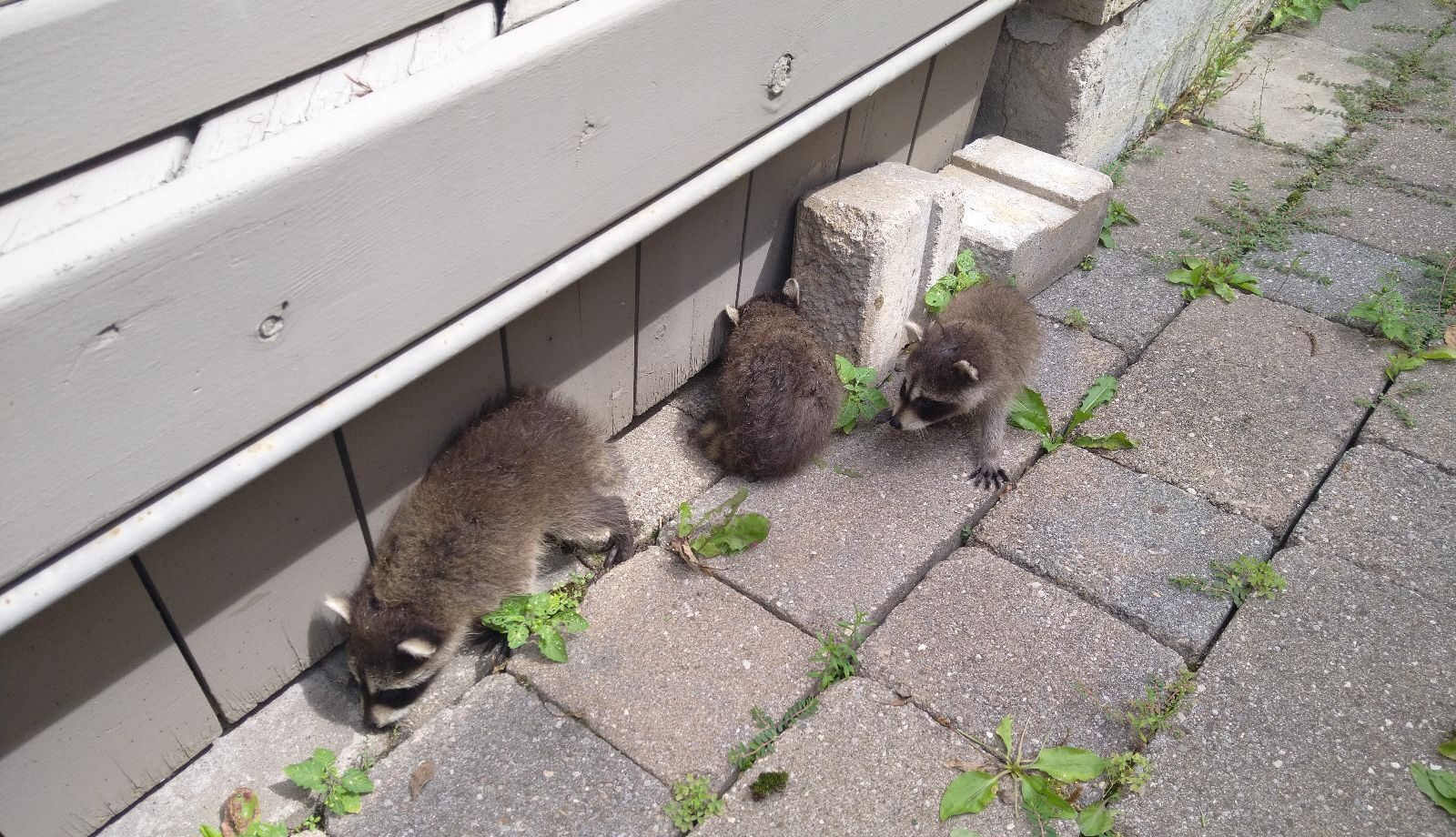
Birds, raccoons, and squirrels can cause real problems on condo balconies. These animals are drawn to balconies because they offer food, shelter, and safe spots to nest. You might not notice the signs right away, but over time, the damage adds up fast.
Your balcony looks like open space to you. But to a squirrel, raccoon, or bird, it looks like the perfect place to move in. Planters, patio furniture, stored items, and even a bowl of pet food can turn your balcony into a wildlife hotspot very quickly.
At Skedaddle Humane Wildlife Control in Toronto, we’ve seen how fast a relaxing outdoor space can become a wildlife problem. In this blog, we walk you through the most common ways wildlife uses your balcony and why it’s important to act fast when you spot the signs.
What Can I Put on My Balcony to Keep Squirrels Away?
The best way to keep squirrels off your balcony is to remove what attracts them. Squirrels are drawn to food, shelter, and warm spots to nest. As long as those things are available, they’ll keep coming back.
You can help by bringing pet food indoors, keeping planters tidy, and storing cushions when they’re not in use. But if squirrels are already visiting often, chewing on things, or starting to nest, that’s when our team needs to step in. We check the balcony, find what’s drawing them in, and make sure they can’t keep coming back.
Squirrels don’t give up easily. They return to spots that have worked for them before. A professional approach is much more effective than waiting and hoping they’ll move on. Our team knows squirrel behaviour and knows how to make your balcony a place they’ll want to avoid.
Planters Are a Popular Hangout for Wildlife
Balcony planters might seem harmless, but birds, squirrels, and raccoons see them as a great spot to dig, nest, or find food. Here’s what tends to happen:
- Squirrels Dig Up Your Plants: Squirrels love to bury food in soft soil, and your planter boxes are an easy target. They’ll dig through the soil, pull up plants, and leave a mess behind every time they visit. Over time, they can completely destroy your planters.
- Birds Nest in Covered Planters: Larger planters with bushy plants or sheltered corners are great nesting spots for birds. Once a bird decides to nest there, it can be hard to get them to leave. Our team handles these situations safely and follows local wildlife rules.
- Raccoons Dig Through Soil and Containers: Raccoons are curious and clever. They’ll knock over planters, dig through soil looking for food, and leave a big mess on your balcony. A tipped-over planter is a sign that raccoons have found a reason to keep coming back.
- Droppings Are a Health Risk: Where wildlife visits often, droppings follow. Bird and raccoon droppings can carry harmful bacteria. Don’t try to clean them up yourself, call our team right away if you see droppings near your planters.
Stored Furniture Gives Wildlife a Place to Hide
Balcony furniture that sits unused, especially in colder months, becomes a shelter for animals looking for a warm, quiet spot. Here’s how it becomes a problem:
- Cushions Become Nesting Material: Squirrels and birds will tear apart foam cushions and fabric covers to use for their nests. Even a small tear is enough to get them started. This kind of damage can happen faster than you’d expect.
- Raccoons Hide Under and Behind Furniture: Stacked chairs and tables pushed against the wall give raccoons a cozy, hidden space. Once a raccoon finds a spot it likes, it keeps coming back and may try to set up a den nearby.
- Furniture Gaps Attract Nesting Birds: Gaps between stacked chairs, under table legs, or inside folded umbrellas can become nesting spots for birds. Once a nest is built, birds get protective and territorial, which can make your own balcony feel unwelcoming.
- Wildlife Can Damage More Than Just Furniture: Chewing, scratching, and nesting can damage your balcony railing, wall surfaces, and drains. Our team looks at the full picture to make sure nothing gets missed.
Pet Food Left Outside Attracts Every Animal in the Area
If you feed your pet on the balcony or leave food and water bowls outside, you’re likely drawing in more animals than you know. Pet food is one of the biggest reasons wildlife keeps coming back to a balcony.
Raccoons are always on the lookout for an easy meal. A bowl of dry dog or cat food is hard for them to resist. They’ll knock over bowls, tear open bags, and return night after night once they know food is there. You might not even notice until the damage is already done.
Birds are also pulled in by pet food, especially anything seed-based. When birds show up regularly, droppings, feathers, and noise follow, and where birds gather, other animals tend to show up too. It becomes a cycle that’s tough to break on your own.
Bringing food inside after feeding time and keeping your balcony clean of crumbs and spills helps reduce the problem. But if wildlife has already made a habit of visiting your balcony for food, our team at Skedaddle can step in and break that pattern for good.
Balcony Gaps Let Wildlife In More Than You Think
Small gaps around railings, doors, drains, and the building exterior might not look like much. But to wildlife, they’re an open door. Here’s why they matter:
- Squirrels Fit Through Very Small Openings: Squirrels can squeeze through gaps that look way too small for them. They’re good climbers and strong chewers, so a small gap can get bigger fast. From your balcony, they may work their way into wall spaces or upper floor areas.
- Birds Use Gaps to Nest Inside Walls: Small openings near vents, exhaust fans, and balcony fixtures can let birds get inside walls. Once in, they block airflow and create fire risks with nest materials near heat sources.
- Raccoons Climb Between Balconies to Find Gaps: Raccoons will climb from one balcony to the next looking for a way in. They’re strong enough to pull back loose material and patient enough to keep trying until they find an opening.
- Our Team Finds Every Entry Point: When we inspect your balcony, we don’t just look at where the animal is, we look at how it got there and what other gaps might exist. We use one-way doors that let wildlife leave on their own but stop them from getting back in. Then we seal the gaps so the problem doesn’t come back.
Nesting Activity Turns a Balcony Into a Home
Nesting is when a wildlife problem goes from occasional visits to a full-time situation. Here’s what that looks like for each type of animal:
- Raccoon Dens Are Hard to Deal With Safely: Raccoons protect their young and can get aggressive if they feel threatened. If a raccoon has set up a den on or near your balcony, don’t try to handle it yourself. Call our team right away.
- Bird Nests Can Block Vents and Drains: Birds like to nest in tight, sheltered spots, and on a condo balcony, that often means vents and drain covers. A blocked vent or drain can cause moisture damage and poor air quality inside the building.
- Squirrel Nests Build Up Fast: Squirrels build quickly. A small pile of leaves in a corner can turn into a full nest in just a few days. Once they’ve settled in, they’ll defend the spot and keep adding to it all season long.
- Timing Matters in Toronto: Nesting is most active in spring and again in late summer. If you’re seeing more wildlife on your balcony during these times, reach out to us right away. The sooner we get involved, the easier it is to sort out.
Wildlife Issues in Toronto
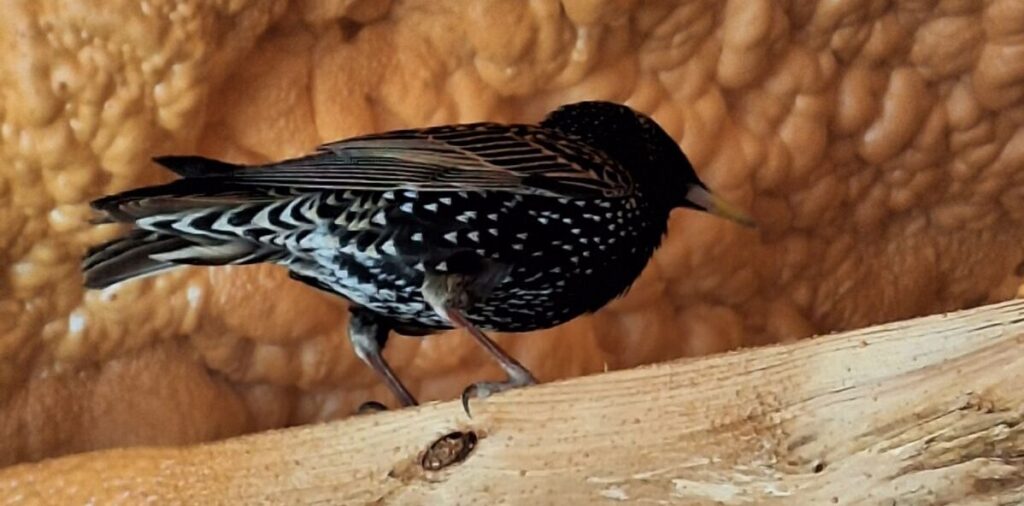
Toronto is a busy city, but it’s also home to a lot of wildlife. The city’s ravine system, old trees, and packed neighbourhoods give raccoons, squirrels, and birds plenty of places to live. As the city grows and green space shrinks, these animals move into spaces people use, including condo balconies.
Raccoons in Toronto are bold. They’ve lived alongside people here for a long time and know how to get around the city. They’re not scared of noise or lights, and they’re smart enough to learn routines like when food is out or when a balcony is empty. Even balconies on upper floors aren’t safe from raccoon visits.
The seasons make things worse at certain times of year. In fall, wildlife looks for warm shelter before winter hits. In spring, nesting season kicks in, and activity picks up again. Knowing when these peaks happen can help you stay one step ahead, and calling us early makes a big difference.
Wildlife Removal and Prevention with Skedaddle
If wildlife has made its way onto your balcony or into the walls and vents around it, the safest thing you can do is call our team at Skedaddle Humane Wildlife Control. We don’t use live trapping or relocation. We use one-way door systems that let animals leave on their own but stop them from coming back in. It’s a humane method that gets the job done without causing harm.
We start every job with a full inspection. We look at where the animals are, how they got in, what’s drawing them there, and what damage has been done. Then we put together a plan that covers all of it, not just what’s easy to see. We take care of everything so you don’t have to touch anything or put yourself at risk.
Keeping wildlife away after removal is just as important as getting rid of them in the first place. Once the animals are gone, we seal entry points and take care of what was attracting them. Wildlife can come back if the root cause isn’t fixed, and stopping that from happening is exactly what we’re trained to do.
Frequently Asked Questions
Can raccoons climb up to high-rise balconies?
Yes. Raccoons are strong climbers and can move between balconies, ledges, and drainpipes with ease. Being on a high floor doesn't keep them away.
Is it safe to be on my balcony if wildlife has been visiting?
Use caution. Droppings and nesting material can carry harmful bacteria and parasites. Call Skedaddle before spending a lot of time on a balcony where wildlife has been active.
What time of year are balcony wildlife problems most common?
Spring and fall are the busiest times. Spring brings nesting season, and fall pushes animals to find warm shelter. That said, raccoons and squirrels are active in Toronto all year long.
Can birds legally be removed from a balcony?
In Canada, many birds are protected under the Migratory Birds Convention Act. Nests with eggs or young birds can't be disturbed. Our team knows the rules and handles every bird situation the right way.
Will wildlife come back after removal?
They can, if the entry points and attractants aren't dealt with. That's why we always seal gaps and address what drew the animals in, not just remove the ones that are there.
How do I know if wildlife has gotten inside my building through the balcony?
Listen for scratching or rustling sounds in the walls. Look for droppings near vents or along the balcony edge, chewed materials, or strange smells. If you notice any of these signs, call us right away.
Your Balcony Should Be Yours, Let’s Keep It That Way
Birds, raccoons, and squirrels can do a lot of damage to a condo balcony. Chewed furniture, ruined planters, blocked vents, and dirty droppings are all part of the picture. These aren’t just small annoyances. If you leave the problem alone, it can lead to structural damage, health risks, and repair bills that could have been avoided.
The good news is that these problems can be fixed and prevented. You don’t have to deal with it on your own or put yourself at risk. Our team handles everything from start to finish, so you can get back to enjoying your outdoor space without worrying about who else might be using it.
At Skedaddle Humane Wildlife Control in Toronto, we have the tools and experience to get wildlife off your balcony and keep them off for good. Contact us today to request an estimate and find out how we can help protect your space.

 Loading...