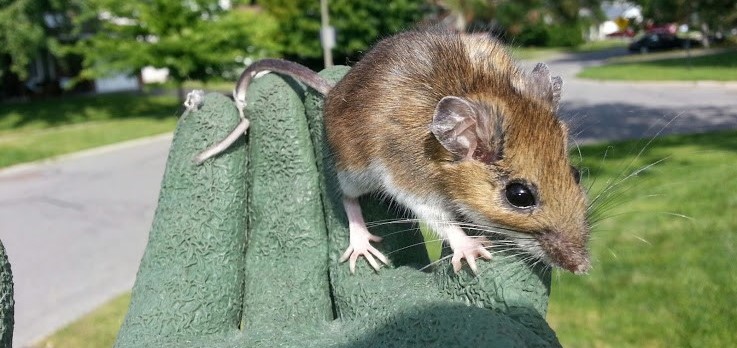
Spring is an exciting and busy time for wildlife, and mice are no exception! These tiny creatures undergo fascinating changes to adapt to the warmer weather and longer days. If you’re curious about mouse behavior in spring, here are the top five facts you need to know. First, spring means it’s breeding season, and mice shift into high gear, rapidly increasing their population.
Second, they move out from their winter shelters and explore new spaces. Third, they start building fresh nests to support their growing families. Fourth, mice are incredibly flexible and can squeeze through tiny gaps as small as a dime to get into homes. Lastly, their foraging activities ramp up, meaning they’re on the hunt for food every day. Understanding these behaviors can help you stay one step ahead.
If you’re noticing more mouse activity in or around your home this season, don’t fret. At Skedaddle Humane Wildlife Control in Grove City, we specialize in humane solutions to keep your home safe and mouse-free. We’ll walk you through the importance of mouse-proofing your home, provide practical tips for prevention, and explain how we handle these situations safely and responsibly. You deserve peace of mind, and we’re here to help you every step of the way.
How long do mice live?
In the wild, mice usually live for about five months to a year. Their lives are quite short because they face many dangers, such as weather changes and natural predators like cats, snakes, and birds. However, if they find a warm, safe place inside your home with plenty of food, they can sometimes survive a bit longer.
Even with a short life, a single mouse can cause big problems for a homeowner. They grow up very quickly and start having babies when they are just a couple of months old. This rapid life cycle means a small issue can turn into a large one in a matter of weeks.
You should never wait to see if the animals will leave on their own. Since their lifespan is short but their breeding is fast, you need our professional help right away. We use safe, one-way doors to let them exit your house without letting them back inside.
1. Peak Breeding and Exponential Population Growth
Spring is the start of the primary breeding season for these animals. Warmer weather and plenty of food allow them to reproduce at a very alarming rate. A single female can produce five to ten litters every year, with up to a dozen pups in each litter.
Because a female can get pregnant again immediately after giving birth, one pair can turn into dozens in just a few short months. This exponential growth means that a minor issue in early spring can become a massive headache by summer. You might not notice them at first, but their numbers will multiply quickly behind your walls.
When the population grows this fast, you need experts to step in. Our team at Skedaddle Humane Wildlife Control knows exactly how to handle these growing families. We locate where they are hiding and use our specialized one-way doors so they can leave safely without re-entering your home.
2. Shift from Indoor Shelter to Outdoor Foraging
When spring arrives, wildlife activity around your home undergoes significant changes. Warmer temperatures and the melting snow encourage animals to venture back outside, modifying their habits and interactions with your property. These shifts can create new challenges for homeowners, especially as animals adapt to their surroundings.
- Leaving the House: When spring arrives, these creatures often start moving out of walls and attics. They look to establish outdoor nests in gardens, woodpiles, and debris left around your yard. This shift happens because the weather outside is finally warm enough for them to survive comfortably. You might see more of them scurrying around your patio or lawn during this time.
- Looking for New Food: During the winter, they rely heavily on stored human food found inside your pantry or kitchen. In the spring, they transition to foraging for new vegetation, fresh seeds, and insects outside. This change in diet draws them into your garden and landscaping areas. They will actively seek out the fresh greenery that blooms in your yard.
- Damaging Your Yard: As they forage for this new outdoor food, they can cause damage to young landscaping and garden crops. You might notice small bite marks on your new plants or dug-up seeds in your garden beds. Their constant search for meals makes them a nuisance for anyone trying to maintain a nice yard. We can inspect your property to find where they are spending their time.
3. Active Nest Building with New Materials
Springtime brings a noticeable increase in activity as animals prepare for their growing families. Their resourceful nature leads them to seek out materials and locations around your property that can provide the safety and warmth they need. This period is a pivotal time to identify and address potential nesting concerns before they escalate.
- Gathering Materials: In the spring, these animals are highly active in building new nests for their growing families. They are very opportunistic and will use a variety of fibrous materials they can find around your property. You might see shredded paper, torn fabric, and pieces of insulation gathered in hidden corners. They use these soft items to keep their babies warm and safe.
- Creating the Nest: They weave these stolen materials together to create round nests that are about four to six inches in diameter. These nests are often tucked away in hidden, secure areas like garages, outdoor sheds, or even within the structural voids of your home. You will rarely find them out in the open because they want to stay hidden from danger. The soft inside of the nest is the perfect place for them to raise their young.
- Locating the Hiding Spots: Finding these nests can be very difficult for a normal homeowner because they are hidden so well. You should never try to handle or clean up these nests yourself, as they can carry harmful germs. Our trained professionals know exactly where to look to find these hidden homes. We safely manage the situation and ensure the animals are excluded from your property using our proven one-way doors.
4. “Houdini” Acts in Tight Spaces
Small animals are incredibly skilled at navigating tight spaces, making it surprisingly easy for them to access buildings undetected. Their flexibility and determination allow them to find ways into homes that are often overlooked. Below are some key insights into how these animals gain access and how to protect your property effectively:
- Expert Contortionists: These small animals are expert contortionists that can flatten their bodies to fit into tiny areas. They can squeeze through cracks and holes as small as a dime. You would be surprised at how easily they can slip through a gap that looks far too small for them. This makes it very easy for them to sneak inside without you ever noticing.
- Finding Entry Points: In spring, as they search for new nesting locations and food sources, they use these abilities to venture into homes. They often enter through small openings in foundations, utility pipe entries, or under poorly sealed doors. You might walk right past these tiny gaps every day without realizing they are open doors for wildlife. They explore every inch of a building to find a way inside.
- Protecting Your Home: Because they can fit through such tiny holes, sealing your home properly is a job for our professionals. You should not try to patch these holes yourself, as you might miss the microscopic entries they use. Our team carefully inspects every inch of your house to find and secure these weak spots. We make sure they can leave through a one-way door but cannot squeeze their way back in.
5. Extensive Foraging and Daily Travel Paths
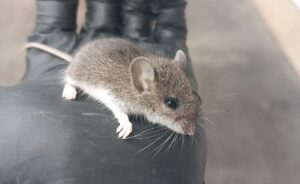 Despite their tiny size, these animals are highly active throughout the spring season. They leave their nests up to 40 times a day just to find enough food to survive. This constant movement means they are always exploring new parts of your property.
While they typically travel within an area of only 10 to 30 feet in diameter, they are highly methodical creatures. They spend time learning and memorizing pathways, obstacles, and the exact locations of good food sources. You will often find them running along the same edges of walls or fences day after day.
Because they know their paths so well, they can easily avoid simple obstacles. Our team understands these travel habits and uses this knowledge to safely exclude them from your home. We monitor their common routes to ensure our one-way doors are placed in the exact right spots.
Spring Wildlife Challenges in Grove City
Living in Grove City, Ohio, means experiencing distinct seasonal changes that affect local wildlife. When the snow melts and the spring rain begins, the ground becomes soft, and vegetation grows rapidly. This local climate provides the perfect environment for these animals to thrive and multiply.
Many homes in our area have older foundations or structural gaps that develop after freezing winter temperatures. These small cracks create perfect entryways for wildlife looking for a dry place to build a spring nest. You might not realize how much the winter weather has opened up your home to outside creatures.
Our local experts know exactly what to look for in Grove City homes. We understand the regional building styles and the specific seasonal challenges our community faces. Let us protect your property from the unique wildlife pressures of the Ohio spring.
Keep Mice Out with Skedaddle
Mice may look small and harmless, but they can create big problems if they get into your home. These tiny creatures are experts at squeezing through small holes or gaps, often no bigger than a dime. Once inside, they can chew through wires, contaminate food, and spread diseases. That’s why it’s so important to take steps to keep them out before they become an issue.
At Skedaddle, we specialize in humane wildlife control and prevention. Our team knows how to spot even the tiniest entry point that mice may use. We thoroughly inspect your home, sealing any cracks, gaps, or other openings that could allow mice inside. By addressing these vulnerabilities, we help keep your home safe and mouse-free without harming the animals.
Prevention doesn’t stop at sealing gaps—our experts also provide advice on keeping your property less attractive to mice. This includes proper storage of food, managing garbage, and cutting back vegetation near your home. With Skedaddle’s proven techniques and reliable service, you get peace of mind knowing your home is protected from unwanted visitors.
Frequently Asked Questions
What do these animals eat in the spring?
In the spring, their diet includes fresh plants, seeds, and insects. They take advantage of new growth and easy food sources as the weather warms up. Human and pet food left outside is also very appealing to them. This mix of natural and easy meals helps them stay active and raise their young.
Do they come out during the day?
They are mostly active at night, which is when they feel safest. However, spring can change their behaviour as they search for extra food. It is not unusual to spot them during the day while they gather supplies for their babies. Daytime activity often means there is a nest nearby.
Why do they chew on wires?
Their teeth grow constantly, so chewing is necessary to keep them worn down. Wires and wood are easy targets inside a home. This habit can lead to serious problems like power loss or fire risks. Damage is often hidden until it becomes a bigger issue.
Can they climb walls?
They are strong climbers and can scale many surfaces with ease. Rough materials like brick, wood, and siding give them enough grip to reach high areas. This ability helps them access roofs and small openings near your attic. Even tall walls are not much of a barrier.
Will they leave my house in the summer?
Warmer weather may bring them outside more often during the day. However, they usually keep returning to a safe indoor nest. Once they feel secure in a space, they do not leave on their own. Our professional exclusion is needed to fully remove them and prevent return.
Keep Your Home Safe This Spring from Mice
Spring is a busy season for many types of wildlife, and understanding their behaviours during this time can help you see why our professional assistance is so important. Animals like squirrels, raccoons, and birds often use spring to find places to nest and raise their young. This can lead them to enter attics, walls, and other areas of your home where they can cause serious problems. They might chew through wires, damage insulation, and leave behind droppings that create health risks. Additionally, many of these creatures can squeeze through tiny gaps or cracks, making it impossible to completely block them out without expert help.
Trying to handle a wildlife issue on your own might seem like a quick fix, but it can be dangerous for you and the animals. DIY methods can lead to injuries, trapped animals, or ineffective results. That is why calling trained experts is always the safest and most reliable choice.
At Skedaddle Humane Wildlife Control in Grove City, we understand how to manage wildlife problems in a safe and humane way. Our team is committed to protecting your home and treating animals with respect. Don’t wait for the problem to get worse—contact us today for an estimate and to learn more about the services we provide.

 Loading...







