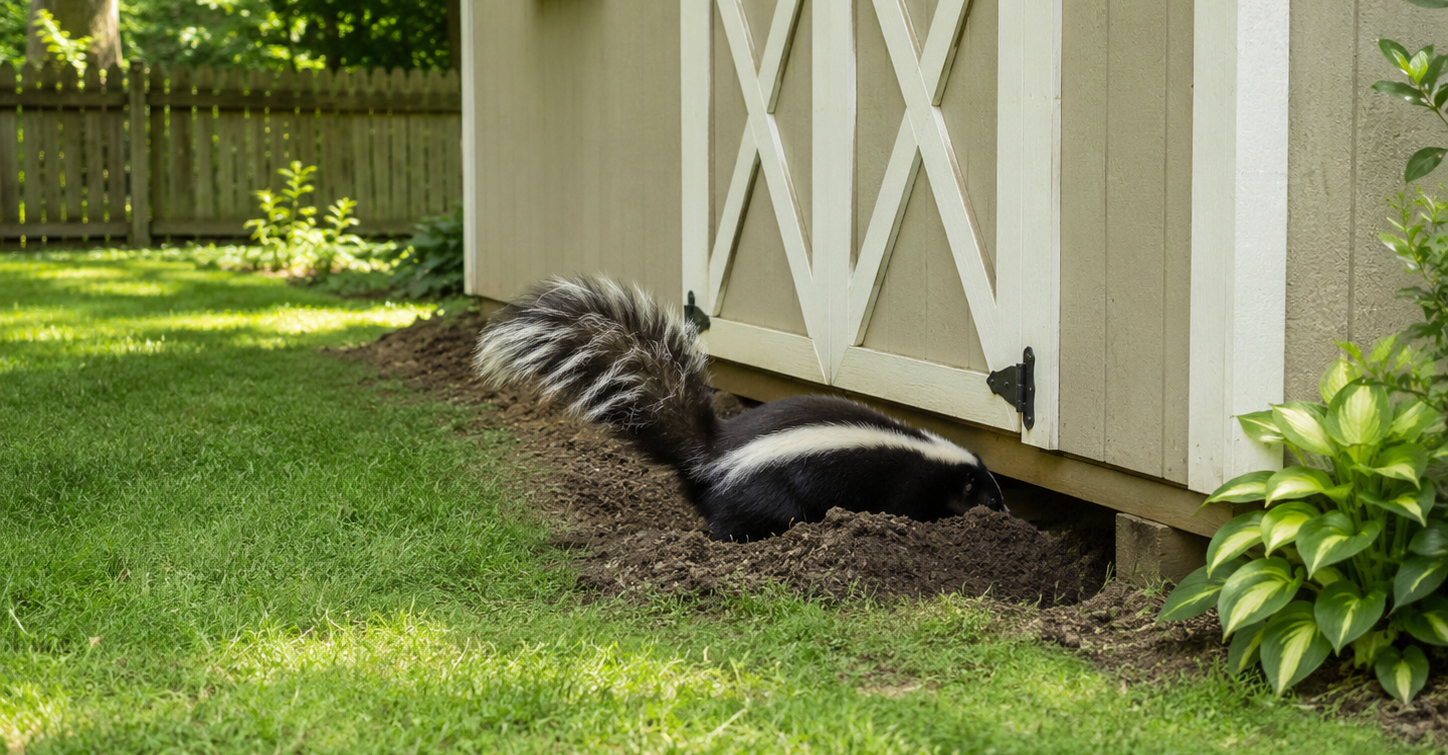
When a heat wave hits, you head inside to cool off. But you’re not the only one looking for relief. Raccoons, squirrels, mice, rats, and skunks all feel the heat too, and when temperatures climb, your home starts to look like the best option around. Shaded decks, cool crawlspaces, quiet attics, and sheds give them exactly what they need to get through a hot summer day.
Wildlife moves closer to homes during heat waves because your property offers shade, water, food, and shelter all in one spot. When the heat dries up natural water sources, burns off natural shade, and makes open areas too hot to stay in, residential neighbourhoods become the most comfortable option around. A shaded deck, a dripping outdoor tap, a compost bin full of food scraps, and the cool space under a garage are all things that pull them in. The hotter and longer the heat wave, the bolder they get about getting close to people’s homes.
You should never try to handle a heat-driven wildlife problem on your own. These animals are stressed, protective, and more likely to act defensively when they feel cornered. Our team at Skedaddle Humane Wildlife Control in Etobicoke handles the whole situation safely and humanely so you don’t have to go near any of it. In this blog, we walk you through why extreme heat pushes wildlife toward homes and what our team does when they decide to move in.
How Can You Protect a Home Against Wildlife?
The best way to protect your home is to have our professionals inspect it and seal every possible entry point before wildlife gets inside. Many entry points are small and hard to see, so most homeowners do not notice them. A loose soffit, damaged roof vent, or small crack near the foundation can all become ways for wildlife to enter, especially during hot weather when they are searching for shelter.
Keeping wildlife away also means making your property less appealing. Easy access to food, standing water, and open garbage bins can bring them closer to your home. Even if your yard is well cared for, it can be difficult to find every weak spot on your own. Our professional inspection is the best way to make sure your home is protected from the roof to the crawlspace.
At Skedaddle, we carefully inspect your property and find every active entry point. Our team installs one-way doors that let wildlife leave safely but stop them from getting back inside. Once they are gone, we seal the openings to help prevent future problems. This combination of humane removal and permanent repairs helps keep your home protected throughout the summer.
Seeking Thermal Relief and Shade
Hot summer weather can be hard on wildlife. When temperatures rise, they start looking for cooler places to escape the heat. In nature, they may rest under thick trees or in underground dens. In cities like Etobicoke, decks, garages, sheds, and attics often become the next best places to stay cool.
Extreme heat can be especially dangerous for young wildlife. Mothers with babies will often search harder for safe, shaded places where they can rest and keep their young comfortable. That is one reason activity around homes often increases during long heat waves. Our team regularly sees more calls when temperatures stay high for several days.
Here are some of the places wildlife uses to escape the heat:
- Decks and Porches Stay Cool: The space under a deck or porch is often much cooler than the ground in direct sunlight. Skunks and raccoons can dig underneath or squeeze through small gaps to reach the cool soil below. These sheltered spaces provide shade during the hottest part of the day. Once they settle there, they may stay for an extended period, especially if they have young.
- Attics, Sheds, and Garages Offer Shelter: An attic may seem hot, but it also provides a quiet, protected place away from direct sunlight and bad weather. Sheds and garages offer similar shelter. Squirrels, mice, and rats often move into these spaces because they are safe, shaded, and protected from predators. These areas can become attractive places to rest during periods of extreme heat.
- Concrete Foundations Stay Cooler: Concrete around a home’s foundation often feels cooler than the surrounding ground during very hot weather. Skunks and rats may rest against these cooler surfaces or dig nearby to escape the heat. This activity is sometimes one of the first signs that wildlife has started using your property. Over time, they may begin looking for nearby places to shelter.
Desperation for Water Sources
Hot, dry weather can make it difficult for wildlife to find enough water. Puddles dry up, streams become smaller, and other natural water sources may disappear. When this happens, homes with outdoor water become much more attractive. Wildlife may travel farther than usual to find a reliable place to drink.
Simple things around a property can provide the water they need. Pet water bowls, birdbaths, swimming pools, leaking taps, and air conditioner drainage can all attract thirsty wildlife. These water sources may seem small, but during a heat wave they can become very important. Once wildlife begins visiting for water, they often stay nearby to look for food and shelter.
Here are some of the ways water attracts wildlife to residential properties:
- Natural Water Sources Dry Up: During a heat wave, creeks, puddles, and drainage areas may dry out. Wildlife that normally stays away from homes starts looking for new places to drink. Any property with standing or dripping water can become a regular stop. The closer they get to your home, the more likely they are to find an entry point.
- Outdoor Water Around Your Home: Water left outside can attract wildlife every day. Pet bowls, leaking hoses, low spots that collect rainwater, and air conditioner drip lines all provide easy access to water. After finding a dependable water source, wildlife often begins searching the rest of the property for food and shelter. This can increase the chance of them settling nearby.
- Watered Lawns and Gardens: Regular watering keeps grass and gardens cool and moist during hot weather. It also attracts insects and grubs that raccoons and skunks like to eat. The cooler ground gives wildlife another reason to spend time on the property. A well-watered yard can provide both food and shelter during the hottest days of summer.
Abundant Food Supply
Heat waves don’t just push animals closer to homes for shade and water, they also intensify the smells that draw them to food sources. Warm weather speeds up the breakdown of food waste, which makes the smell from garbage bins, compost containers, and outdoor eating areas much stronger. These animals can smell food from a long distance, and during a heat wave, those smells carry even further.
The easier it is to find food near your home, the less reason they have to look anywhere else. Once they find a reliable food source on your property, they also start looking for nearby shelter. A raccoon that finds your green bin every week will also start checking your deck, your garage, and your roofline for a place to rest during the day.
Here is how the summer food supply keeps them close:
- Scent Amplification from Garbage and Compost: Heat makes food waste smell much stronger than it does in cooler months. An overflowing bin or a loosely covered compost container on a hot day can be smelled from a surprising distance, pulling raccoons and skunks toward your property from several houses away. Once they find the food source, they keep coming back on a nightly basis, which makes it only a matter of time before they start exploring the rest of your property.
- Outdoor Pet Food as an Easy Meal: A bowl of pet food left outside or birdseed spilled on the ground is a high-calorie meal that requires zero effort to get. During a heat wave, when foraging takes more energy and carries more risk, an easy food source like this is extremely appealing. Raccoons and rats in particular will return to the same easy food source night after night, and their regular presence near your home increases the risk of one finding a way inside.
- Gardens and Fruit Trees: Ripe fruit dropping from backyard trees and fresh vegetables growing in a garden are reliable food sources that attract multiple species throughout the summer. During a heat wave, animals that would normally forage further from homes are pushed to look closer in, and a productive backyard garden becomes one of the most consistent food sources nearby. Our team looks at what is attracting wildlife to your property as part of the full assessment, not just where they are getting in.
Protecting Vulnerable Offspring
Heat waves create a specific urgency for mothers with young. A mother raccoon, skunk, or squirrel with newborns or young kits that cannot regulate their own body temperature will take serious action to move them somewhere safer when outdoor temperatures become dangerous. Your attic, crawlspace, or the space under your deck can all become emergency nurseries during a heat wave.
This is one of the most important reasons wildlife activity spikes during extreme heat in summer. It is not just about the adults looking for comfort; it is about mothers making fast decisions to protect young that cannot survive extreme temperatures on their own. A mother in this situation is highly motivated and will push through weak spots she might have ignored at other times of year.
Once a mother has moved her young into your home, the situation requires careful, professional handling. Young that cannot be safely moved need time to grow before exclusion can happen. Our team assesses whether young are present during every inspection and adjusts the removal plan accordingly to make sure no animals are left behind.
Wildlife Removal and Prevention in Etobicoke
When our team arrives at your home, the first step is always a full inspection. We check the roofline, the attic, all vents and soffits, the area under the deck, the garage, and the crawlspace. We also look at what is drawing wildlife to your property: water sources, food attractants, and the environmental conditions that make your yard more appealing during a heat wave than the properties around it.
Our removal process uses one-way door systems at active entry points. These let the animals leave the structure on their own but stop them from getting back in. Once the home is clear, we seal every entry point with tough, long-lasting materials that hold up against chewing and future entry attempts. All cleanup – droppings, nesting material, contaminated insulation – is handled by our team professionally. Homeowners should never go near any of this without the right protective gear.
For Etobicoke homeowners dealing with heat-driven wildlife activity, acting quickly matters more than usual. Heat waves compress the timeline from first visit to established den significantly. The more urgent the conditions, the faster an animal will make the move from exploring your yard to moving into your structure. Calling our team at the first sign of activity is always the right call.
Wildlife Problems in Etobicoke
Etobicoke’s mix of mature residential streets, ravines, parkland, and older housing stock creates strong conditions for wildlife activity throughout the summer. The Humber River corridor and the connected green spaces that run through the area give raccoons, skunks, squirrels, and rats natural travel routes that lead directly into residential neighbourhoods.
Older homes in Etobicoke often have more potential entry points than newer builds. Aging soffits, older roof vents, deteriorating fascia boards, and foundations with small cracks all give animals more ways to get inside. During a heat wave, when the motivation to find shelter is at its highest, these vulnerabilities are tested more aggressively.
Summer heat waves in the Toronto area have become longer and more intense in recent years, which means the window of heat-driven wildlife activity is also getting longer. Our team at Skedaddle Humane Wildlife Control understands the local conditions in Etobicoke and responds to heat-related wildlife calls throughout the summer season. We know which neighbourhoods see the most activity, which home styles are most vulnerable, and how to assess and seal a property thoroughly so the protection holds through every hot stretch of the season.
Frequently Asked Questions
Why are there more wildlife sightings during a heat wave?
Heat pushes animals out of their normal habitats and toward residential areas where shade, water, and food are easier to find. The stress of extreme heat also makes them bolder and more willing to get close to people and structures they would normally avoid. This is why heat waves consistently lead to a spike in wildlife activity calls.
Is it dangerous to have wildlife near my home during a heat wave?
Yes. Heat-stressed animals can be more unpredictable than usual. A mother protecting young that she has moved to a cooler spot on your property is especially likely to behave defensively if approached. You should keep pets and children away from any area where activity has been noticed and call our team to handle the assessment.
Can wildlife damage my home during a heat wave?
Absolutely. The urgency to find shelter during extreme heat makes animals more likely to push through weak spots they might have ignored otherwise. A loose soffit or small gap near a vent can become a full entry point very quickly when the motivation to get inside is high. Every day of a heat wave is a day those weak spots are being tested.
What should I do if I find wildlife under my deck during a heat wave?
Stay away from the area and keep pets and children out of the yard. Do not try to block the opening or scare the animals away yourself - a stressed animal in a confined space is unpredictable. Call our team for a professional assessment so the situation can be handled safely and humanely.
Does Skedaddle handle heat-related wildlife emergencies?
Yes. Our team responds to wildlife activity calls throughout the summer season, including situations driven by heat waves. We assess the full property, identify every entry point and attractant, and handle removal and prevention from start to finish. Contact us as soon as you notice activity so we can get to your property before the situation gets worse.
Don’t Let a Heat Wave Turn Into a Wildlife Problem
A heat wave doesn’t just make your summer uncomfortable; it changes how wildlife behaves and where they go. When natural shade, water, and food run low, your home becomes one of the most attractive spots around. Shaded decks, cool attics, dripping taps, and open bins all pull them in, and once they find a weak spot in your structure, they move fast.
The damage that builds up during a heat-driven intrusion, including chewed wiring, torn insulation, and contaminated crawlspaces, is significant and gets harder to deal with the longer it goes unaddressed. Acting at the first sign of activity is always the right call.
At Skedaddle Humane Wildlife Control in Etobicoke, we can help. Our team inspects your full property, excludes any animals present using one-way doors, seals every entry point with durable materials, and handles all cleanup professionally. You don’t have to go near any of it. Request an estimate today and let our team make sure the next heat wave doesn’t come with uninvited house guests.

 Loading...