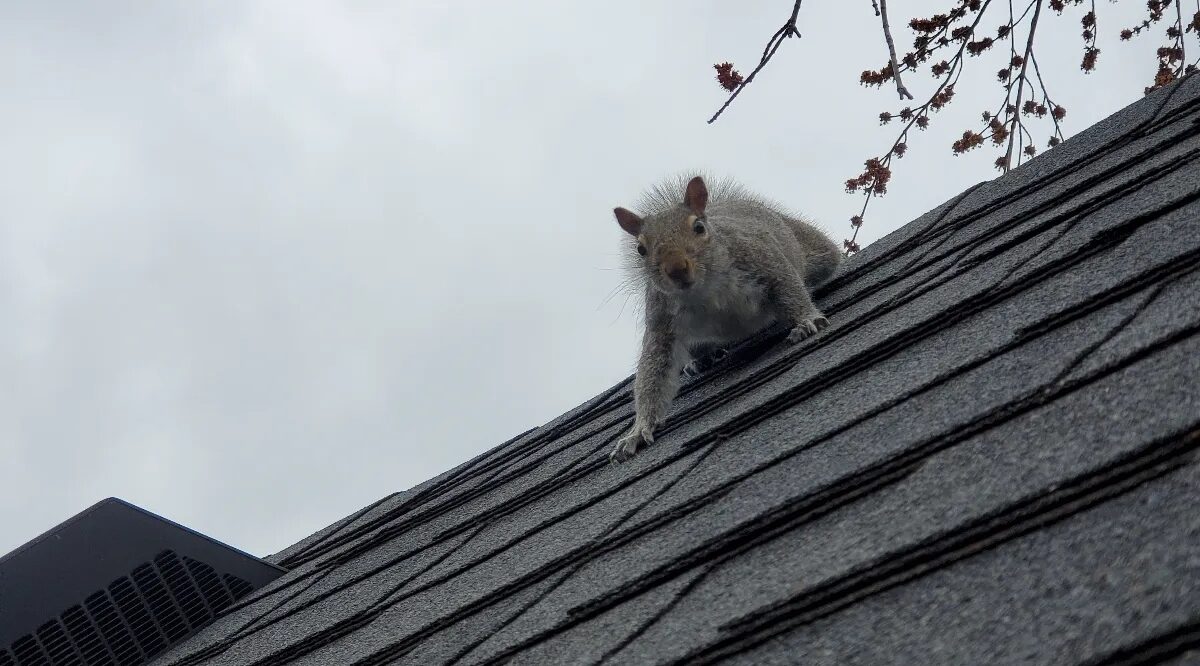
You may see squirrels crossing your roof without having an attic problem. The concern grows when they keep returning to one vent, chewing its edges, or pulling at a loose cover. Roof vents can become targets because vulnerable materials and exposed gaps may offer a route into sheltered attic space. Plastic covers and some thin aluminum parts can be damaged, especially where an edge is already loose or worn.
You might first notice repeated visits from the yard, then hear quick footsteps above the ceiling one morning. Those clues deserve a closer look, but neither one confirms the full problem. A newer home can have a vulnerable vent, just as an older home can have well-protected openings. The material, design, condition, and installation all matter.
At Skedaddle Humane Wildlife Control in Thornhill, we inspect the vent and the wider roofline before choosing a plan. Our team checks whether the activity stays outside or includes an occupied attic. You do not need to climb, enter the attic, or cover an opening. Here is why certain vents receive attention, which signs suggest entry, and how professional protection keeps ventilation working.
Can Squirrels Get Into an Attic Through a Roof Vent?
Yes, squirrels can enter an attic through a damaged or vulnerable roof vent. The vent covers an opening that allows attic air to move outside. If part of the cover is chewed, bent, or shifted, the space beneath it may become reachable. That route needs inspection before any repair or closure begins.
Not every vent can be damaged in the same way. Some covers have exposed plastic edges, while others include thin metal sections or gaps around their base. The strength of the assembly and how firmly it is attached affect its protection. At Skedaddle, we identify plastic and aluminum roof vents as possible entry points into homes.
A vent may also be only one of several openings being used. Nearby soffits, roof joins, and fascia can have weaknesses of their own. Our team checks those areas rather than stopping at the first visible damage. Finding the full route helps us plan removal and protect the building properly.
Why Some Vent Materials Are Easier to Damage
A roof vent must move air, but that function does not automatically make its cover resistant to entry. Exposed corners, thin sections, and loose edges can provide places to chew or pull. We assess the whole assembly instead of judging its strength by appearance alone.
- Plastic Covers and Exposed Corners: Some plastic vent covers have edges that a squirrel can reach with its teeth. Chewing may remove a small section or widen damage already present. The opening can then expose more of the vent or the passage below it. Our team checks both the cover and its base before deciding what protection or repair is needed.
- Thin Aluminum and Loose Edges: A metal cover may look strong from the ground, yet some lightweight parts can bend or be damaged. An existing gap may give squirrels an edge to pull at or work beneath. That does not mean every aluminum vent has the same weakness. We check the thickness, design, attachment, and condition of the parts involved.
- Worn Covers and Weak Attachment Points: Cracked sections, loose fasteners, and shifted parts can leave gaps around a vent assembly. Those weaknesses may result from wear, weather, installation issues, or earlier damage. They can make the area easier to investigate and use. Our team identifies the entry concern and explains when replacement or roof repairs need a qualified roofer.
Why a Vent Can Become a Route to Shelter
An attic can offer a dry, enclosed place to rest or raise young if there is a way inside. A vulnerable vent may provide that route without requiring an opening through the main roof surface. Once the cover is damaged, the space beyond it can become available. The sheltered area is the possible destination, while the vent is the entrance.
Shelter needs can change through the year. Colder weather may make protected spaces useful, while nesting periods can bring a search for places to raise young. Still, not every visit to a vent involves a nest. A brief inspection of the cover may end without any indoor entry.
You cannot tell why a particular vent receives attention simply by watching from the yard. Claims about warmth or scent do not confirm what is happening at that property. Our team looks for repeated use, damage, and signs inside the building. Those findings show whether the concern involves outdoor exploration or an occupied space.
How Roof Access Brings More Attention to Vents
Reaching the roof is different from getting into the attic. Outdoor travel routes can bring squirrels close to vent covers without leading to entry. Our inspection considers how the roof is reached and what happens once they are there.
- Nearby Trees and Branches: Branches near a house may provide one route onto the roof. From there, a squirrel may cross the surface, pause beside a vent, or move toward another part of the property. Tree access alone does not prove that the attic is occupied. We compare that route with attention to specific openings and any signs found inside.
- Connected Structures and Roof Sections: Attached garages, additions, and different roof levels can form part of a route across the building. A vent may be encountered during that movement even when it was not the reason for the visit. Some roof designs also contain joins and sheltered corners that need checking. Our team looks beyond one cover to assess the areas connected to it.
- Repeat Visits to One Vent: Regular chewing, pulling, or movement through the same opening is more concerning than a quick roof crossing. You may notice that each visit ends at one particular cover. That pattern helps direct our inspection toward a possible entrance. It does not tell us how many occupants are inside or whether young remain beyond the opening.
Signs That Vent Damage May Include Attic Entry
Vent damage deserves attention, but its cause and effect need to be checked. Exterior activity and indoor signs can help show whether the attic is being used. You can share observations from normal viewing areas while our team handles close inspections.
- Chewed or Shifted Vent Material: Missing edges, damaged sections, or a displaced cover may leave an opening exposed. Weather and other building issues can also damage vents, so appearance alone does not identify the cause. Our team looks for signs that match chewing, pulling, or repeated use. We also check the material beneath the cover for further damage.
- Regular Movement Through an Opening: Seeing an adult enter or leave the same gap provides stronger evidence than seeing it sit nearby. The route may lead to shelter, a nest, or another connected space inside the roof. Young can remain hidden while an adult leaves to feed. That is why the opening should stay unsealed until our team confirms the removal needs.
- Scurrying or Gnawing Above the Ceiling: Daytime footsteps or chewing sounds may add to the concern when a vent also shows damage. The noise can seem directly beneath the cover, but framing may carry sound away from its source. It cannot reveal the exact entrance or the material being chewed. We compare the sound pattern with the routes and damage found during inspection.
- Signs Found During Our Attic Inspection: Nesting material, droppings, disturbed insulation, and chewing may show which parts of the attic are being used. Some evidence can remain from earlier activity, so it must be considered with current signs. Our team checks the occupied areas and whether movement continues into other spaces. Homeowners should not enter the attic or handle affected materials to look for these clues.
What Can Happen After Entry
Once an attic is being used, the concern can extend beyond the damaged vent. Movement may disturb insulation, and nesting can gather material into one area. Waste may affect the surrounding surfaces or insulation. Our team checks the extent of those changes instead of assuming the whole attic needs the same work.
Chewing can also affect materials inside the structure. That may include wood, parts around an entrance, or wiring, though not every occupant causes every type of damage. Sound alone cannot tell you what is being chewed. If damaged wiring is found, a qualified electrician should assess it because it can create an electrical risk.
The nesting area may sit well away from the entrance. Connected spaces can allow movement beyond the part of the attic directly beneath the vent. Our team checks those routes and looks for dependent young before planning removal. Fixing the cover alone does not resolve an occupied space or the material left behind.
Roof-Vent Concerns Around Thornhill and York Region
Thornhill has a mix of established homes, mature trees, and varied roof designs. Nearby Vaughan, Markham, and Richmond Hill also include newer subdivisions and homes close to green spaces. These settings can provide outdoor travel routes near residential roofs. They do not, on their own, show which homes have vulnerable vents.
New construction does not guarantee that every roof opening has protection against chewing or pulling. Older homes may have wear, while newer homes may have exposed edges or components that need added protection. Material and installation can differ between homes on the same street. Our team checks each property rather than relying on its age or neighbourhood.
Seasonal shelter needs can bring more attention to accessible building spaces. Nesting periods also make checking for young an important part of the plan. Yet a damaged vent should not be ignored simply because the season seems quiet. We inspect the signs present now and choose the work around the actual condition of the home.
Let Skedaddle Protect the Vents and Close the Entry Routes
Our work begins with checking the vent, nearby openings, and affected indoor spaces. We identify active routes, nesting areas, damage, and cleanup needs. The inspection also accounts for dependent young and any occupant unable to leave on its own. Those findings shape the humane removal plan.
Where suitable, our one-way doors allow wildlife to leave but prevent re-entry. We use them as part of a plan that addresses the occupants and their route out. Young or a trapped occupant may require a different approach before the entrance can be secured. A quiet cover is not enough to confirm that removal is complete.
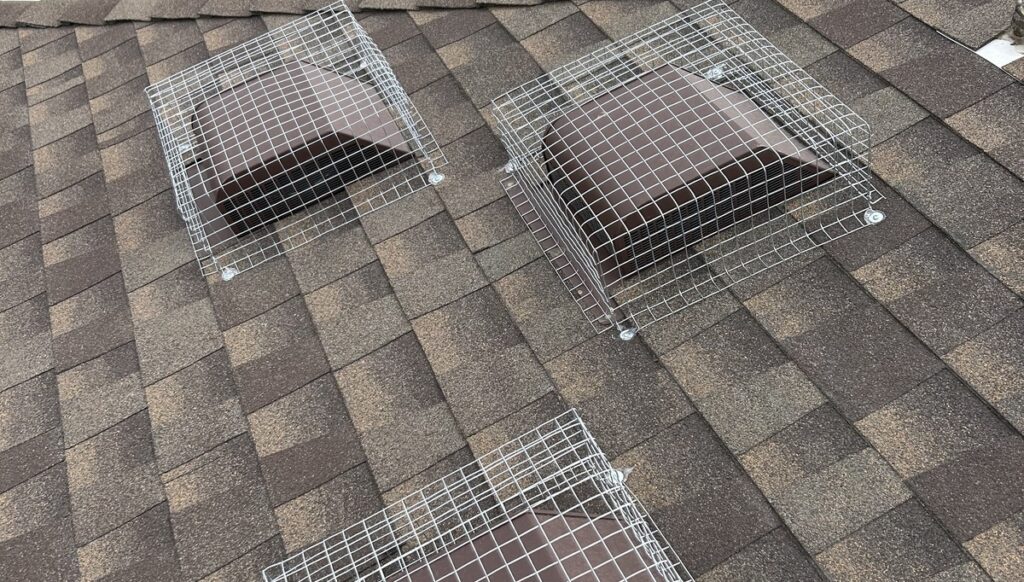
Our Skedaddle Humane Wildlife Control team in York Region then protects suitable entry areas with durable materials. We assess cleanup needs and other vulnerable points across the structure. Vent protection must preserve airflow, and any damaged roofing may need separate repairs. This approach addresses both the occupied space and the routes that made entry possible.
Frequently Asked Questions
Are newer homes protected from roof-vent entry?
Not automatically, because building age does not show how well a vent resists chewing or pulling. A newer home may have an exposed edge, loose section, or gap around the assembly. An older home may already have suitable protection in place. Our team checks the material, design, condition, and installation before recommending work.
Does an aluminum vent guarantee protection?
No, aluminum vent designs and strengths vary. Thin parts, loose edges, or gaps may leave some assemblies vulnerable even when the main cover appears sound. The word “metal” alone does not tell us whether the route is protected. Our inspection identifies the weak areas and the protection suited to that vent.
Does a squirrel sitting beside a vent mean it is inside the attic?
No, resting beside a vent or passing over the roof does not confirm indoor entry. These animals may use the roof as part of an outdoor route. Repeated movement through an opening, damage, and signs inside provide stronger evidence. We compare those clues before deciding whether removal is needed.
Can a damaged vent be covered immediately?
No, an adult or dependent young may remain in the attic even when the opening looks quiet. Closing the route too soon could trap an occupant or stop an adult from returning to its young. Our team must check the occupied space and removal needs first. Leave the damaged area alone until the inspection is complete.
Does vent protection interfere with attic airflow?
Suitable protection should preserve the vent’s purpose when it is correctly selected and fitted. A makeshift cover or material placed across the wrong part of the opening can affect airflow. Our team assesses the vent design before choosing protection. We also explain when roof repairs or ventilation concerns need another qualified professional.
Keep Roof Vents Working Without Leaving a Route Inside
You may see roof traffic without an attic problem, but repeated attention to a damaged vent deserves inspection. Susceptible covers, loose edges, and exposed gaps can provide a route into sheltered space. Scurrying above the ceiling or regular movement through an opening adds to the concern. Those clues need to be checked together before the full problem can be confirmed.
Leave the vent and any suspected entrance alone while the property is assessed. Do not climb onto the roof, enter the attic, touch waste, or cover a route while an adult appears to be outside. Young or another occupant may remain hidden inside. Inspection and removal planning must come before the final protection is fitted.
At Skedaddle Humane Wildlife Control in York Region, we help Thornhill homeowners identify active routes and address the spaces being used. Our team provides humane removal, professional cleanup, and suitable entry-point protection that preserves ventilation. We build the plan around what we find at your home. Contact us to schedule a professional assessment or request an estimate to learn more.

 Loading...