As the temperatures drop in Ohio, many homeowners and business owners notice an unexpected problem: mice moving indoors. Winter mice infestations in Ohio are common because these animals are seeking warmth, food, and safe shelter from the cold. Even a single mouse can lead to larger problems if not addressed early.
At Skedaddle Humane Wildlife Control, we frequently assist clients experiencing winter mice infestations in Ohio. Understanding why mice enter homes and businesses, recognizing warning signs, and taking proactive steps can help protect your property, maintain hygiene, and keep indoor environments comfortable throughout the colder months. Early attention to these issues is critical to prevent minor problems from becoming major infestations.
Winter Behavior of Mice
Mice are active year-round but behave differently in winter. Unlike some animals, mice do not hibernate. Instead, they rely on indoor spaces to survive the cold months. Their main goals are finding warmth, food, and secure nesting areas.
- Increased indoor activity: Studies show that winter mouse sightings inside buildings can rise by over 50% compared to warmer months.
- Nesting behavior: Mice gather soft materials like insulation, paper, and fabric to create warm, safe nests.
- Foraging habits: During winter, mice spend more time exploring indoors, looking for food sources that are accessible year-round.
- Social behavior: Mice may cluster in groups in areas with abundant warmth and food, which can increase droppings and odors.
By understanding their winter behavior, homeowners and business owners can better anticipate potential entry points and risks associated with winter mice infestations in Ohio. Mice are naturally curious and will investigate new areas, which is why they often show up in multiple parts of a building once they gain access.
Common Entry Points for Mice in Ohio Homes and Businesses
Mice are excellent climbers and can squeeze through tiny gaps. Even openings as small as a dime are enough for them to enter homes and businesses. Common entry points include:
- Cracks and gaps in foundations and walls
- Openings around doors and windows
- Vents, chimneys, and roofline gaps
- Spaces around utility lines, pipes, and wiring
Regular inspections before and during winter can help identify vulnerable areas. At Skedaddle, we help homeowners and business owners locate and secure these entry points to prevent winter mice. Studies show that up to 70% of mice infestations are linked to overlooked structural gaps, emphasizing the importance of proactive prevention.
Additionally, rooflines, soffits, and basements are often overlooked spaces where mice may gain access. Ensuring these areas are properly sealed and monitored significantly reduces the likelihood of an infestation taking hold.

Why Food Sources Attract Mice Indoors
Mice are opportunistic feeders, and access to food plays a major role in winter infestations. Homes and businesses with easily accessible food become prime targets.
- Residential food sources: Pantries, garbage bins, pet food, crumbs, and improperly stored items.
- Commercial food sources: Restaurants, cafes, storage rooms, and warehouses with grains or packaged goods.
- Evidence from research: Properties with unsealed food containers are twice as likely to experience winter mice infestations in Ohio.
Even small amounts of leftover food can attract multiple mice. Proper storage, sealed containers, and consistent cleaning can reduce the likelihood of attracting these animals indoors. Skedaddle advises clients on strategies to prevent winter mice while maintaining a safe and healthy environment.
Keeping areas tidy, wiping down countertops, and immediately cleaning up spills are simple yet effective steps that minimize the temptation for mice to enter buildings.
Early Warning Signs of Winter Mice Infestations
Recognizing signs of mice early is crucial to maintaining hygiene and preventing property damage. Some common warning signs include:
- Droppings: Small, dark, pellet-shaped droppings along baseboards, in cabinets, or storage areas.
- Chewed items: Packaging, wires, insulation, or paper showing signs of gnawing.
- Noises: Scratching, scurrying, or squeaking, particularly at night.
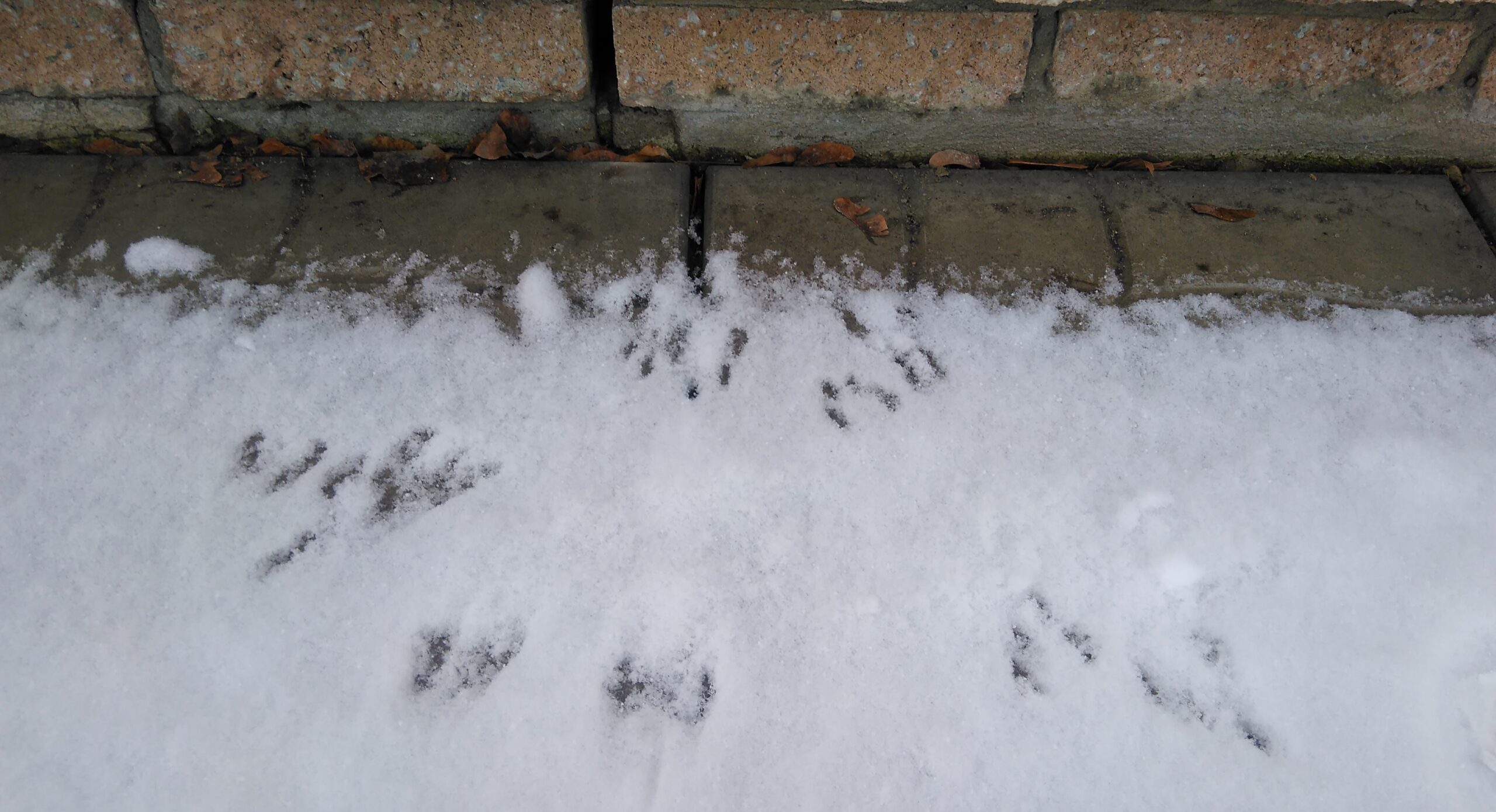
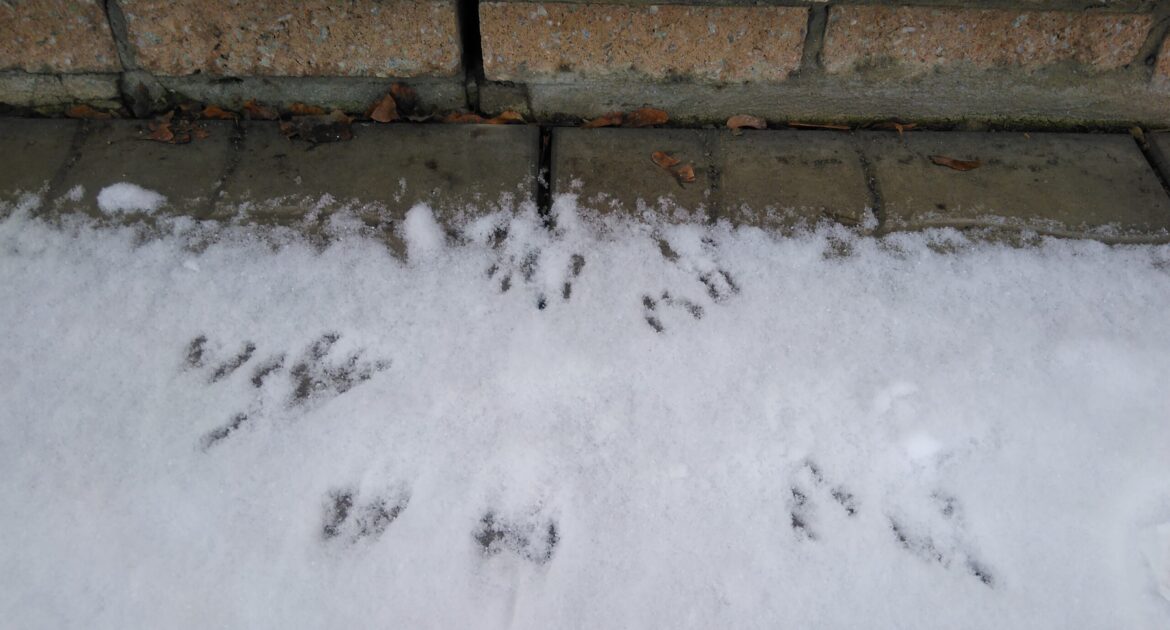
- Footprints or tail marks: Dusty areas or quiet corners can reveal tiny tracks.
- Unusual odors: A musky smell may indicate nesting areas or concentrated activity.
Early detection allows for timely action. Statistics indicate that buildings where droppings are noticed early are significantly less likely to experience severe infestations, making monitoring essential. Skedaddle professionals assist in identifying these signs and advising on preventive solutions.
Attentive observation of storage areas, basements, and rooflines can often reveal subtle clues that mice are present before they become a widespread issue.
Prevention and Maintenance Tips to Prevent Winter Mice
Preventing winter mice infestations in Ohio requires consistent monitoring and proactive maintenance. By addressing potential risks before mice enter, you can reduce health concerns and protect property.
- Seal openings: Check for cracks, gaps, vents, and roofline spaces and secure them properly.
- Keep doors and windows closed: Ensure proper weatherproofing to eliminate easy access points.
- Store food securely: Use sealed containers for all food items, both at home and in businesses.
- Maintain clean spaces: Remove crumbs, spills, and debris from kitchens, storage areas, and dining spaces.
- Professional guidance: Skedaddle can perform expert assessments, identify vulnerabilities, and provide advice to prevent winter mice effectively and safely.
Implementing these steps consistently reduces the risk of infestations and ensures a safer, cleaner indoor environment for families and employees alike. Research shows that buildings taking preventive measures are up to 80% less likely to experience winter mice infestations in Ohio.
Additionally, regular inspections of attics, basements, and storage areas can help detect early signs of activity and prevent mice from settling in multiple areas.
Protecting Your Property and Indoor Environment
Winter mice infestations in Ohio are a common challenge, but with proactive measures, they are manageable. Understanding mouse behavior, inspecting potential entry points, securing food, and monitoring for early warning signs are essential steps for homeowners and business owners.
At Skedaddle, we work directly with clients to help prevent winter mice by:
- Conducting thorough inspections of homes and businesses.
- Identifying structural vulnerabilities and entry points.
- Providing professional advice on preventive maintenance and food storage strategies.
By acting before an infestation grows, you can protect your property, maintain hygiene, and ensure the comfort of your indoor spaces. Proactive prevention also minimizes potential damage to insulation, wiring, and stored goods.
Winter mice infestations in Ohio are not only a nuisance—they can impact health, comfort, and the overall safety of your home or business. Taking early action with professional support helps you stay ahead of these seasonal visitors while keeping indoor environments clean and safe.

Keeping Homes and Businesses Safe Through Winter
Preventing winter mice in Ohio requires ongoing vigilance and professional guidance. Regular inspections, proper food storage, sealing potential entry points, and monitoring for early signs of activity are essential for maintaining a safe indoor environment.
Skedaddle Humane Wildlife Control in Franklinton provides expert assessments, guidance, and solutions to help homeowners and business owners prevent winter mice infestations. Our team ensures that preventive measures are safe, effective, and maintain the integrity of your property.
By understanding why mice move indoors in winter and implementing professional prevention strategies, you can protect your home or business from damage, odors, and hygiene issues. Maintaining clean, secure, and well-monitored indoor spaces ensures a healthy environment all season long.

 Loading...







