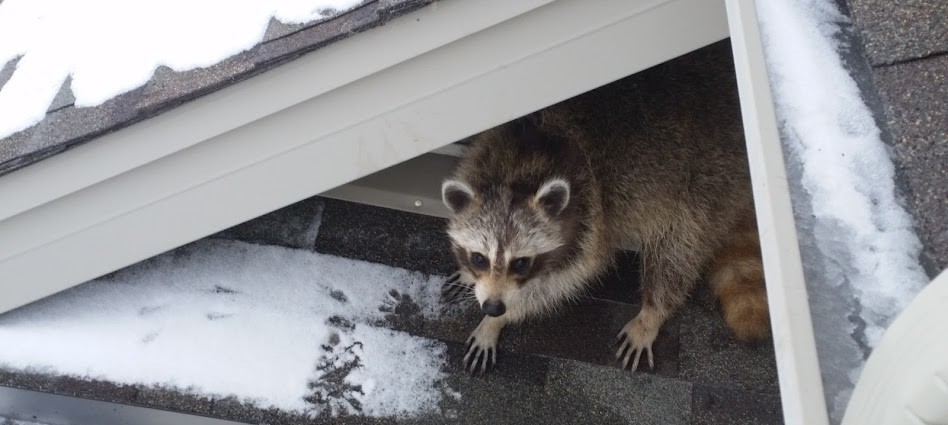
Spring is a time of renewal. Snow melts, flowers begin to bloom, and the days grow longer. Many Hamilton homeowners enjoy opening windows to let in fresh air. At the same time, local wildlife becomes more active. While returning birds are a welcome sign of the season, heavy footsteps in the attic are not. These sounds are often an early warning sign of spring raccoon intrusion.
As spring begins, mother raccoons search for safe, warm places to have their babies. Homes often provide the perfect nursery because they are dry, quiet, and protected from predators. This is when raccoon entry points become a serious concern. Raccoons are smart, strong, and determined, and they know how to find weak areas along roofs, vents, and foundations. Understanding how raccoons get into houses helps explain why spring is such a high-risk season for homeowners.
This is why many homeowners turn to Skedaddle Humane Wildlife Control in Hamilton during the spring months. In this blog, we explain how spring raccoon intrusion happens, where common raccoon entry points are found, and what homeowners should know to protect their property before damage occurs.
Roof and Soffit Intersections
One of the most common entry points for raccoons is where the roof meets the soffit. The soffit is the underside of the roof overhang and is often made from aluminum or vinyl.
While these materials look neat, they are lightweight and flexible. Raccoons can climb to these tight corners and push the soffit upward, creating an opening straight into the attic.
Signs to look for at soffit intersections:
- Bent Aluminum or Vinyl: Panels near the roofline may look warped, bowed, or pushed out of place. This damage often appears at corners where raccoons can brace themselves. Even slight bending can signal repeated pressure from climbing wildlife.
- Visible Gaps or Holes: A dark opening where the soffit should be is a strong sign of entry. These gaps may look small from the ground but are often large enough for a raccoon to squeeze through. Once open, they provide direct attic access.
- Dirty or Greasy Marks: Muddy paw prints or dark smudges may appear on siding, gutters, or downspouts. These marks are left behind as raccoons climb the same path over and over. They often lead straight to the damaged soffit.
- Scratched Paint or Siding: Claw marks may be visible where raccoons pull themselves upward. These scratches usually run vertically and may appear near corners or rooflines. Over time, they can wear away paint and expose materials underneath.
Roof Vents and Plumbing Mats
Roof vents are designed to release heat and moisture from the attic, but they are also easy access points for raccoons. Most vents are made of plastic or thin metal, which are not strong enough to stop determined wildlife.
Warm air escaping from these vents signals a safe and comfortable nesting space. Plumbing mats, which seal pipes where they exit the roof, can also weaken over time and tear easily.
Why vents and plumbing mats are easy targets:
- Soft or Brittle Materials: Plastic vents can crack in cold weather or soften in heat. Rubber plumbing mats dry out and split as they age. These weakened materials are easy to tear, bend, or pull apart.
- Built-In Grip Points: Vent slats and raised edges give raccoons something to hold onto. This makes it easier for them to climb, pry, and pull. Once they get leverage, the cover can be removed quickly.
- Warm Air Flow: Heat escaping from vents acts like a signal that leads raccoons straight to the opening. Warmth suggests a protected space inside, especially during early spring. This makes vents very appealing den locations.
Chimneys and Fireplaces
To wildlife, a chimney looks very much like a hollow tree. In nature, hollow trees are common nesting spots because they are tall, protected, and quiet. An uncapped chimney offers the same features and is easy to climb using brick or stone surfaces. Once inside, raccoons may settle above the damper or on the smoke shelf.
Risks associated with chimney entry:
- Blocked Flue: Nesting materials like sticks and leaves can block airflow. This creates a fire hazard and can cause smoke or carbon monoxide to back up into the home. It is a serious safety concern.
- Noise Inside the Home: Scratching, thumping, or vocal sounds may come from the fireplace or walls. These noises are often louder at night or early in the morning. They usually mean raccoons are moving or caring for young.
- Strong Odours: Waste and debris can create unpleasant smells that travel down the chimney. These odours may spread through living areas and worsen over time. Cleaning is often needed after removal.
- Getting Stuck: Some raccoons can climb down but cannot climb back out. This can lead to distress, noise, and even death inside the chimney if not handled properly.
Weak or Rotten Wood
Moisture from rain and melting snow can slowly damage roof wood over time. Areas like fascia boards, roof edges, and dormers are especially vulnerable. When wood becomes soft or rotten, it loses strength. Wildlife can sense weak spots and take advantage of them quickly.
Common areas where wood rot creates entry points:
- Fascia Boards: These boards support the gutters and run along the roof edge. If they rot, raccoons can chew or claw through them easily. Damage often starts where water pools or gutters leak.
- Roof Valleys: Valleys collect water where roof sections meet. Over time, this moisture can weaken the wood below. Even a small soft spot can be widened into an entry hole.
- Window Frames and Dormers: Wood around attic windows or dormer corners can rot if not sealed well. Gaps in these areas are hard to see from the ground. Raccoons will pull back shingles and chew through the wood underneath.
Decks, Sheds, and Additions
While many people worry about their attics, spring raccoon intrusion often starts at ground level. Spaces under decks, sheds, and home additions make ideal den sites because they are dark, dry, and easy to access. Raccoons are strong diggers and can squeeze through small gaps or dig under loose skirting to create shelter. Even when they stay outside the main living space, raccoons under a structure can still cause damage and lead to bigger problems if ignored.
What to look for at ground level:
- Burrow Holes: These holes are usually large and round, often about the size of a melon. They are commonly found near deck posts, shed corners, or along the foundation. Fresh dirt nearby is a strong sign the hole is active and being used as a den.
- Damaged Lattice or Skirting: Broken, bent, or chewed lattice is a common sign of entry. Raccoons may pull pieces away to widen a gap or create a doorway. Damage often appears in one corner where they can stay hidden from view.
- Tracks and Paths: Muddy footprints may appear on patios, steps, or near entry points. You might also notice flattened grass or worn paths leading to a dark space under the structure. These signs show repeated movement in and out of the area.
Secure Your Home This Spring From Raccoons
Spring should be a time for you to enjoy the warmer weather, not worry about noises in your attic. Understanding raccoon entry points is the first step, but fixing them requires our professional help. A spring raccoon intrusion can lead to significant damage if left untreated. The insulation can be trampled, wires can be chewed, and the smell can become unbearable.
If you suspect you have unwanted guests, do not wait. Our team at Skedaddle Humane Wildlife Control in Hamilton is ready to help you reclaim your home. We have the experience and tools to handle the situation humanely and effectively.
Request an estimate today to learn more about how we can protect your home and give you peace of mind this season.

 Loading...