
Winter in Hilliard brings quiet mornings, snow-covered yards, and an increased presence of wildlife looking for food and shelter. Seeing birds, squirrels, and other animals can make it tempting to step outside and offer a helping hand. But many homeowners wonder: should you feed wildlife in winter, or could well-intentioned feeding cause more harm than good?
At Skedaddle Humane Wildlife Control, we work with residents to understand the safest ways to support wildlife. While feeding might seem helpful, understanding animal behavior, seasonal needs, and potential risks ensures that you can protect both wildlife and your property throughout the colder months.
Understanding Wildlife Needs in Winter
Many animals have natural strategies to survive the winter months. Birds fluff their feathers for insulation, squirrels store nuts for later use, and some mammals hibernate or reduce activity to conserve energy. These adaptations mean that supplemental feeding is not always necessary for winter survival.
For example, research shows that many songbirds increase their fat reserves in the fall to prepare for cold temperatures. Squirrels and chipmunks rely on cached nuts to get through the winter, while raccoons and rabbits adjust their activity levels based on available natural food sources. Observations from local wildlife experts in Ohio and surrounding areas indicate that most species can survive harsh winter conditions without human-provided food.
By understanding how animals naturally cope with winter, homeowners can make informed decisions rather than assuming feeding is always helpful.
Potential Risks of Feeding Wildlife in Cold Weather
Providing food to wildlife during winter can create unintended risks. While your intentions are positive, feeding wildlife in cold weather can sometimes do more harm than good.
Some of the potential risks include:
- Dependency: Animals may become reliant on human-provided food and reduce natural foraging behaviors.
- Disease transmission: Concentrated food sources can lead to higher rates of illness among wildlife.
- Human-wildlife conflicts: Animals may approach homes more frequently, increasing the likelihood of property damage or encounters with pets.
- Altered migration patterns: Feeding certain bird species may interfere with natural migration, leaving them less prepared for seasonal changes.
The Humane Society of the United States reports that supplemental feeding, if not carefully managed, can alter natural behaviors and create challenges for wildlife long after winter has ended.
Signs of Winter Wildlife Stress
Before deciding to feed wildlife, it is important to observe their behavior. Not all animals are struggling during winter, and their needs vary depending on species and environmental factors. Recognizing signs of stress can help you determine whether intervention is necessary.
Look for these indicators:
- Frequent searching for food in unusual areas or near human activity
- Noticeable weight loss or poor feather and fur condition
- Increased daytime activity in species that are normally nocturnal
- Changes in vocalization or social behavior among animals
These signs suggest that animals may be experiencing difficulty finding enough natural food sources. Professional guidance can help homeowners support wildlife without creating dependency or conflicts.
Safe Practices for Supporting Wildlife
If your goal is to help animals survive winter safely, there are effective and humane alternatives to feeding. These methods support winter wildlife survival while minimizing risks to animals and homeowners.
Safe practices include:
- Providing clean water sources: Frozen water can be a significant challenge for animals. Using heated bird baths or regularly breaking ice in natural water sources can help.
- Planting native vegetation: Native shrubs, trees, and plants provide natural food and shelter, allowing wildlife to forage safely.
- Installing shelters: Birdhouses, bat boxes, and small mammal shelters offer protection from harsh weather without supplying food directly.
- Minimizing human disturbances: Keeping cats indoors and avoiding unnecessary handling ensures that wildlife can follow natural behaviors without stress.
These approaches encourage natural foraging, allow wildlife to maintain healthy instincts, and reduce the likelihood of conflicts around homes.
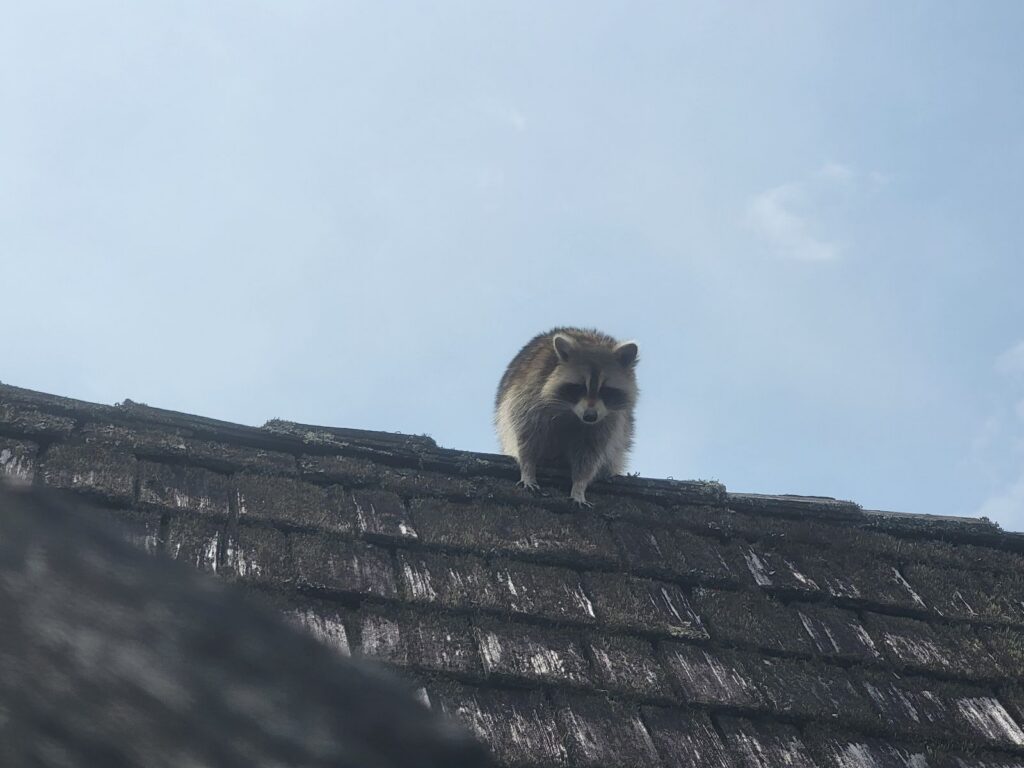
Human-Wildlife Conflicts from Feeding
Feeding wildlife can inadvertently create problems for homeowners. Animals attracted by supplemental food may attempt to enter attics, garages, or sheds in search of easy meals. Increased wildlife traffic around homes can also result in:
- Damaged gardens, lawns, and landscaping
- Chewed or contaminated outdoor structures
- Greater risk of disease exposure for both humans and animals
Skedaddle Humane Wildlife Control in Hilliard works with homeowners to prevent these types of conflicts. Our team provides guidance on maintaining property safety while allowing wildlife to thrive naturally. By focusing on habitat support rather than feeding, we help reduce unwanted wildlife visits and long-term issues.
Professional Guidance for Winter Wildlife
Deciding whether to feed wildlife in winter is not always straightforward. Expert advice ensures that your actions support animals without unintentionally causing harm. At Skedaddle, we provide humane guidance to help residents make informed choices.
Our professional services include:
- Property assessments: Identifying potential wildlife attractants or vulnerable areas near homes
- Advice on habitat support: Suggesting plantings, shelters, and water sources to enhance natural survival
- Monitoring and maintenance: Observing wildlife activity and recommending adjustments to reduce human-wildlife conflicts
- Education: Helping homeowners understand the balance between supporting wildlife and maintaining safety
With professional guidance, Hilliard residents can enjoy wildlife safely while protecting their property and ensuring animals can survive winter on their own.

Supporting Wildlife Safely This Winter
The question of whether you should feed wildlife in winter is not as simple as it may seem. While the instinct to help is natural, supplemental feeding can sometimes create dependency, increase conflicts, or spread disease. The safest and most effective way to support wildlife is through habitat-friendly practices, clean water sources, and professional guidance.
At Skedaddle Humane Wildlife Control, we work with Hilliard residents to enjoy and protect wildlife responsibly. Observing birds, maintaining native vegetation, and providing winter shelters are all ways to encourage winter wildlife survival without creating risks. With the right approach, homeowners can protect their property and help wildlife thrive throughout the cold months.
Supporting wildlife responsibly ensures the safety of both animals and humans, maintains natural behaviors, and creates a harmonious environment during Hilliard’s long winter season.

 Loading...







