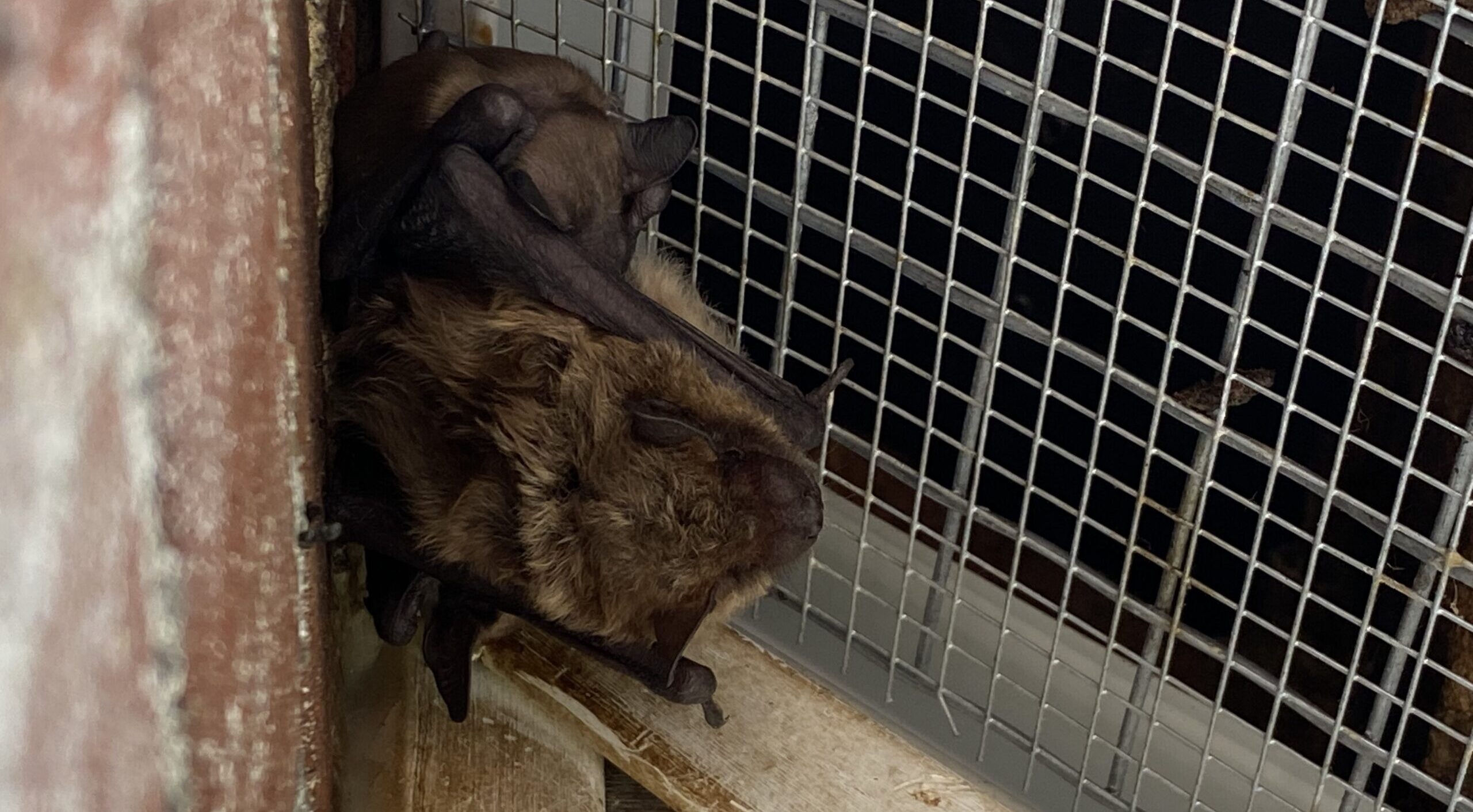
If you’ve discovered droppings in your attic this winter, you’re right to be concerned about health risks associated with bat droppings. Bat colonies love quiet, protected spaces like Madison attics, but the droppings they leave behind bring more than a mess—they carry a number of serious health dangers. Just as the Milwaukee Art Museum is known for its distinctive structure, bat droppings can harbor hidden threats that most people overlook.
We at Skedaddle have spent decades helping Madison and Milwaukee area homeowners handle these risks safely, and we know that winter brings unique challenges. Understanding what makes winter guano dangers especially concerning, and how to manage them, is the first step toward keeping your home healthy.
Let’s explore exactly what makes attic bat problems more severe in winter, the diseases and parasites associated with guano, and why professional removal is essential for safeguarding your family and property.
Understanding Bat Droppings Health Risks
Bat droppings, also known as guano, are more than an unsightly nuisance. They contain a mixture of pathogens and can create a perfect breeding ground for disease right in the insulation, beams, and hidden corners of your attic. Many people are aware of the risk of histoplasmosis, a fungal infection caused by spores found in guano. But fewer realize that droppings can also spread diseases like cryptococcosis and psittacosis and attract parasites that bring their own set of health hazards.
Health risks associated with bat droppings include:
- Histoplasmosis, a lung infection caused by inhaling spores released from disturbed guano.
- Cryptococcosis and psittacosis, illnesses that can lead to severe respiratory or systemic symptoms.
- The risk of rabies transmission if bats themselves are handled during removal attempts.
- Attraction of mites, fleas, and beetles, which can move from attic to living areas.
- Deeper damage to insulation, wood, and household air quality, multiplying health threats for all residents.
When guano builds up in an attic over winter, the risks multiply—and the consequences of ignoring the problem can stretch into the warmer months. This brings us to the unique dangers associated with attic bat problems as the weather turns cold.
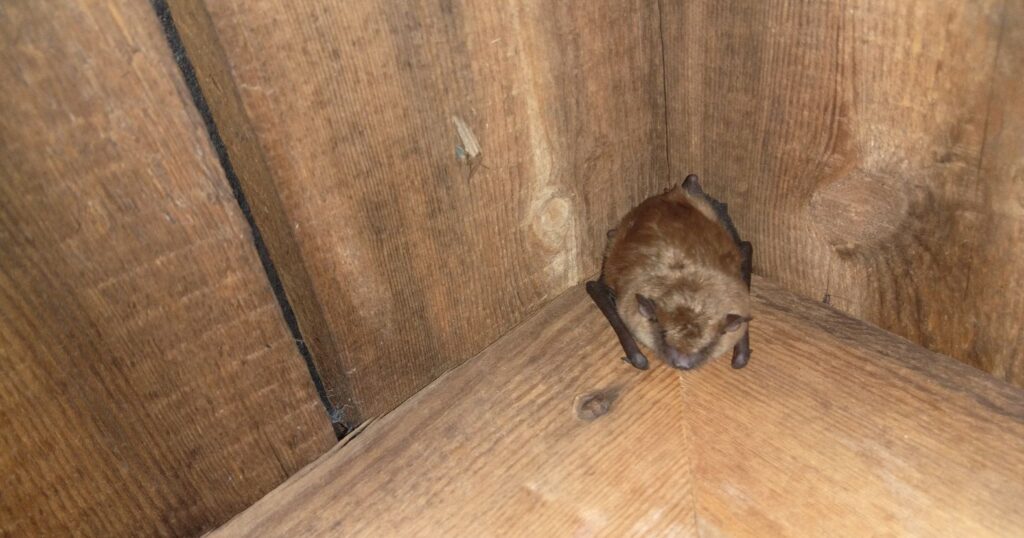
Why Are Bat Droppings More Dangerous During Winter?
Homeowners in the Madison area often notice evidence of bats during winter inspections or repairs. But what many don’t realize is that guano dangers increase dramatically as the season progresses for several reasons:
- Bats settle into attics for hibernation, allowing large piles of droppings to accumulate undisturbed.
- The cold, damp conditions of a Madison winter slow down guano decomposition, letting more spores and bacteria survive.
- Sealed homes mean less fresh air circulation, so any airborne spores from droppings have a higher chance of entering your living space.
- Winter snow and ice discourage attic checks, so issues often go undetected until spring, when health symptoms can suddenly appear.
Consider this: histoplasmosis and cryptococcosis thrive in environments where droppings sit undisturbed with moisture. Because attics become less active in winter, residents may not realize they are breathing in compromised air until the fungal spores have built up to dangerous levels.
Moving from these hazards, let’s look at the specific illnesses and parasites linked to guano and what symptoms you should watch for.
Beyond Histoplasmosis: Diseases and Parasites Attracted by Bat Guano
While most discussions focus on histoplasmosis, responsible homeowners should be aware that guano can foster several less-publicized diseases. Cryptococcosis and psittacosis, both found in soils rich in droppings, are serious health concerns for people and pets.
Here’s a breakdown of notable diseases and parasites linked to guano:
- Histoplasmosis: Causes respiratory symptoms, such as coughing, fever, and chest pain. Especially dangerous for those with weakened immune systems.
- Cryptococcosis: May result in pneumonia-like symptoms and, if left untreated, could spread to the brain.
- Psittacosis: Often associated with birds but linked to bat droppings as well, it can trigger fever, chills, and muscle aches.
- Rabies: While rare from droppings alone, bats in the colony can be carriers.
- Parasites: Mites, fleas, and beetles thrive in and around guano and may infest the home.
- Odor and Air Quality Issues: Guano decomposition leads to strong odors and reduced indoor air quality, which can aggravate asthma or allergies.
Symptoms to watch for from potential attic contamination include ongoing respiratory issues, persistent headaches or coughing, unusual fatigue after spending time in or near the attic, and increased allergic reactions or skin irritation.
Knowing the wide range of bat droppings health risks helps you prioritize effective solutions, particularly when the cold keeps both you and the bats snug inside your Madison home.
The Unique Nature of Madison Attic Bat Problems
In Madison and the Milwaukee region, our winters are cold, and homes are built to keep warmth in. Unfortunately, these very same features make attics exceptionally attractive to bats. Our experienced team at Skedaddle has found that:
- Bats commonly enter through gaps as small as a dime, often around chimneys, soffits, and rooflines.
- Colonies can number from a handful to dozens, multiplying the amount of guano quickly.
- Signs of infestation can include scratching noises, visible droppings, or even the sudden appearance of a bat in a living space.
Homeowners are often surprised to learn that a single bat sighting indoors usually means there is an entire colony nearby. During winter, as bats hibernate, droppings pile up quietly, compounding the risks by the time spring arrives.
Key signs of a winter bat problem include the accumulation of small, dark droppings that resemble mouse pellets but crumble into dust, a musty or ammonia-like odor in the attic or nearby rooms, and persistent nocturnal noises in walls or ceilings, particularly during early fall or late spring.
These attic bat problems are best addressed with a professional approach, as winter conditions make DIY solutions not only risky but potentially illegal due to protected species regulations.
Winter Bat Guano Dangers: The Hidden Threats
While droppings are hazardous year-round, winter presents additional complications. Here’s what makes winter guano dangers particularly troubling in our region:
- Hibernating bats do not stir up droppings, so dangerous spores concentrate in the attic air.
- Heating systems may draw attic air into the home, distributing spores if contamination is present.
- Wildlife parasites attracted to fresh droppings can search for new hosts, sometimes moving into living areas.
Unchecked, a winter guano buildup can result in contaminated insulation, chronic odor issues, and potentially serious health symptoms for anyone with respiratory vulnerabilities.
Effective management means addressing both current and future risks, starting with professional assessment and remediation.
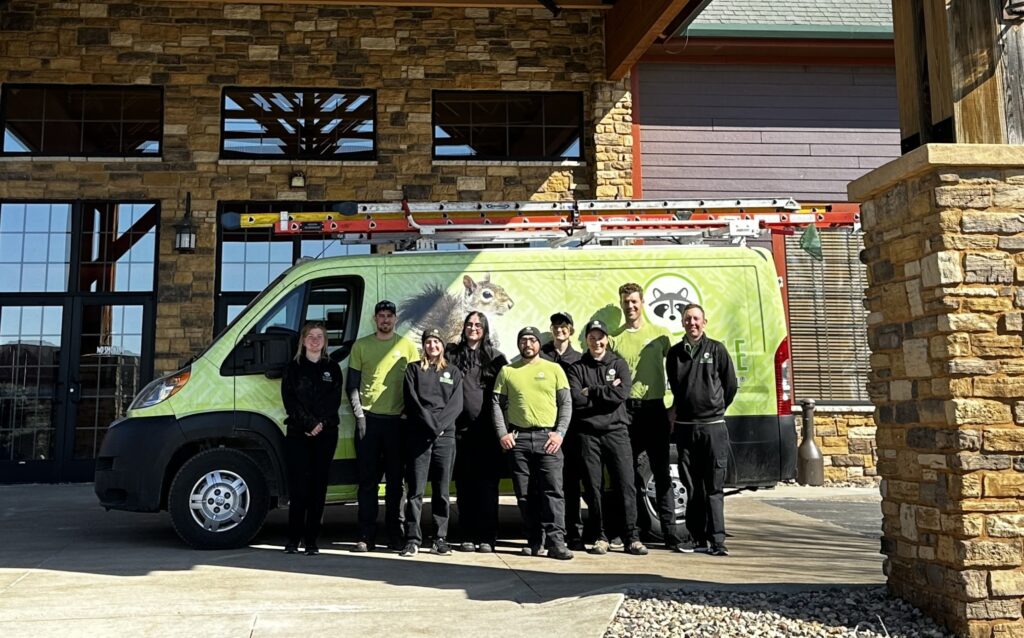
How Skedaddle Safely Removes Bat Droppings and Prevents Future Problems
Recognizing the scope of bat droppings health risks, Skedaddle follows a multi-step, expert-led approach designed to protect both people and property. Every home is unique, but our process remains thorough:
- Inspection: Our trained technicians conduct an extensive inspection to find all entry points and droppings accumulations, focusing on vulnerable attic areas.
- Timing: We plan removals during legal, humane windows to avoid disturbing hibernating bats or orphaning young pups.
- Humane Exclusion: One-way doors are installed at all discovered entry points so bats can exit but not return.
- Removal: We use specialized tools and protective equipment to remove all contaminated materials, including heavily soiled insulation, to prevent the spread of bacteria or spores.
- Cleaning: All affected areas are thoroughly sanitized with odor-control and bacteria-digesting treatments that remove health hazards.
- Sealing: After removal, our wildlife exclusion sealant is applied to even the smallest entry points. Our materials are designed to withstand the rigors of Wisconsin winters, keeping your home secure for years to come.
- Warranty: Skedaddle backs our work with a lifetime warranty, so you have peace of mind year-round.
These steps not only restore your attic’s health but help prevent new infestations when bats become active again in the spring.
Safeguard Your Madison Home from Winter Bat Hazards
Droppings in your attic might seem like a minor nuisance, but as winter sets in, the hidden health dangers—ranging from serious respiratory infections to persistent parasites—become exponentially more severe. In cold, sealed environments, spores and bacteria thrive, slipping unnoticed from attic spaces into your living areas and posing real risks for your family’s well-being. Ignoring these threats can lead to long-term property damage and health issues that surface when it’s too late.
Don’t let a quiet winter turn into a costly spring surprise. Trust Skedaddle’s humane, comprehensive approach to safely remove bat colonies, clear away hazardous guano, and protect your home with unmatched detail and expertise. Our decades of experience in the Madison area means we know exactly what to look for and how to keep bats from returning. Take action today—schedule an inspection with Skedaddle and breathe easy knowing your home is safe, healthy, and thoroughly protected year-round.

 Loading...