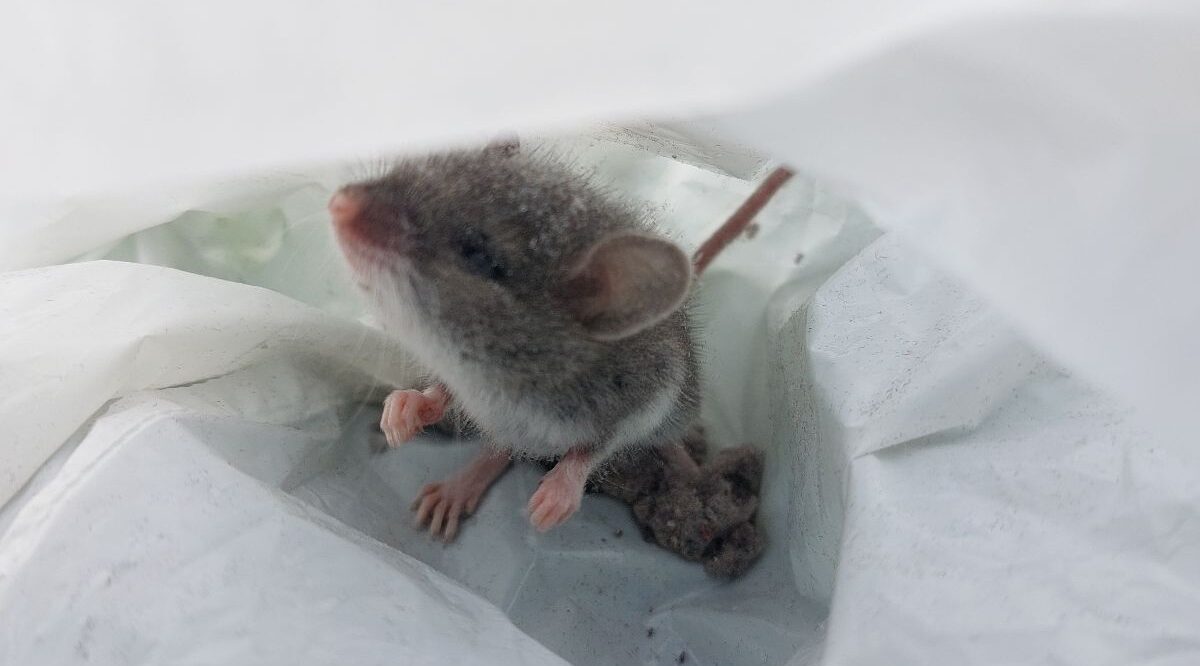
You can have your pantry checked for mice before Thanksgiving by having our team inspect shelves, food packages, hidden kitchen spaces, and entry points around the home. We look for droppings, chewing, nesting material, and gaps around pipes or cables. These checks help us assess current activity and how they may be reaching your food. They also guide any removal, cleanup, and prevention work needed.
Thanksgiving preparations often mean extra bags of flour, cereal, baking mixes, and other supplies. A chewed corner or droppings on a shelf can interrupt those plans. However, the pantry may be a feeding stop rather than the place where they nest. Finding the route matters as much as finding the damaged package.
At Skedaddle Humane Wildlife Control in Columbus, we complete that inspection for you. You should leave droppings and affected materials untouched and contact our team. Our professional checklist covers the pantry, nearby concealed areas, and openings into the building. We explain why food containers offer only part of the protection and how a full inspection helps you plan before hosting.
What to Do if Mice Are Found in the Pantry?
Have mice in your pantry in Columbus? Contact our professional team and leave droppings and damaged materials undisturbed if mice are found in the pantry. Avoid using food from packages showing chewing or contamination. We assess current activity, hidden routes, and entry points before planning humane removal, professional cleanup, and protection against re-entry.
Pantry Shelves and Baking Supplies Come First
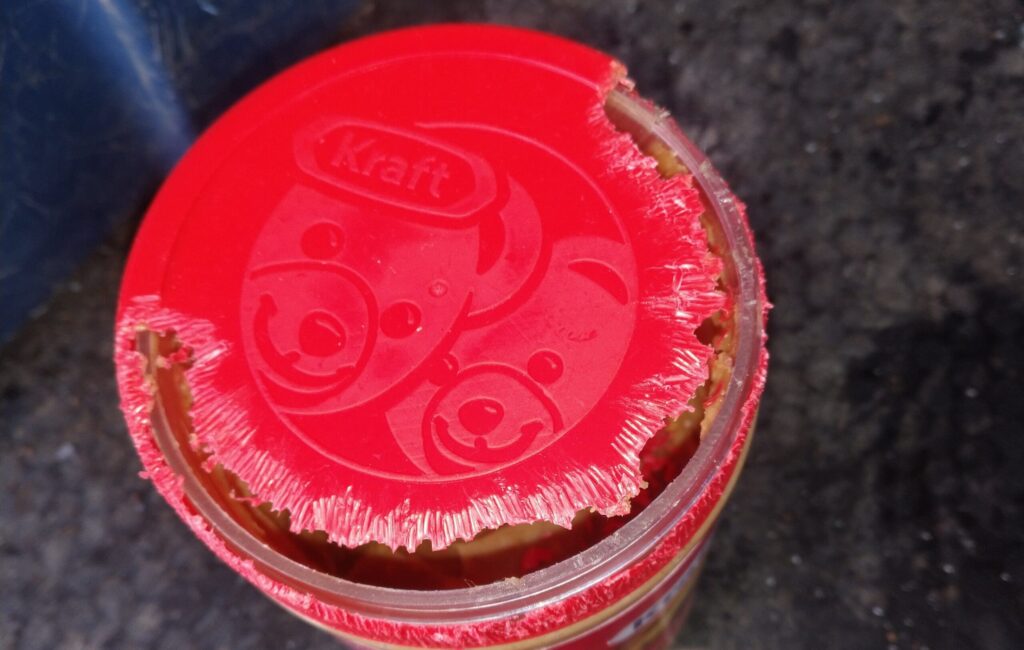
Your Thanksgiving shopping list may include several foods stored in paper bags, cardboard boxes, or other thin packages. Damage around those supplies can reveal feeding activity, while nearby marks may help show how the pantry is being reached. One damaged item does not establish the number present or the full area affected. Our team checks the surrounding space to put that discovery into context.
- Droppings on Shelves and Along Edges: Mouse droppings in pantry spaces may appear beside packages, along shelf edges, or near the back of a cabinet. Their location can help us assess feeding areas and travel routes. However, their appearance alone cannot reliably tell us their age or whether activity continues. We compare them with other evidence without asking you to touch waste or clear the shelves yourself.
- Chewed Flour, Cereal, and Baking Packages: Small holes or torn corners in baking supplies may suggest that mice are chewing food packaging. Ordinary handling can also damage a package, so the surrounding evidence matters. Our inspection considers the marks, nearby droppings, and the location of affected items. You should avoid using food from packages showing chewing or contamination while the problem is assessed.
- Gnaw Marks and Nesting Material: Marks along cabinet edges or shredded material in a sheltered corner may provide more clues. Paper and other soft materials may be gathered from somewhere beyond the pantry. Their presence does not prove that a nest sits directly behind the shelf where damage appears. Our team checks connected areas to assess whether the pantry is a feeding spot, travel route, or part of a nesting area.
Hidden Areas Behind Appliances Need Attention
The pantry may connect with spaces that remain out of sight during everyday cooking. Gaps near cabinets and appliances can provide sheltered routes between food storage and the rest of the home. Signs of mice in the kitchen therefore need to be assessed beyond the most visible shelf. Our professionals examine relevant concealed areas without asking you to move heavy appliances or reach near wiring.
- Behind the Refrigerator and Stove: Sheltered spaces behind appliances may contain droppings, gnaw marks, or evidence of repeated movement. A sign behind the refrigerator does not automatically reveal where they entered the house. It may sit along an indoor route leading toward the pantry or another room. Our team assesses these areas while accounting for appliance connections and access limits.
- Cabinet Bases and Toe-Kick Spaces: The recessed strip beneath a lower cabinet is called a toe-kick. Accessible spaces behind it may connect sections of cabinetry or lead toward wall and floor gaps. Activity there can remain hidden even when the cabinet shelves look clean. We compare evidence in these spaces with pantry findings to understand the wider route.
- Nearby Wall and Floor Openings: Openings behind appliances or beside cabinets may connect the kitchen with concealed building spaces. Some are left around services, while others develop where materials meet or become damaged. Not every visible gap is used, and one opening may explain only part of the activity. We assess the relevant connections before recommending protection.
Pipes and Lines Can Reveal the Route Into the Kitchen
Finding a feeding area is only one part of the inspection. The next question is how they reach it and where the route begins. Mouse entry points behind appliances may connect with other indoor spaces rather than lead straight outdoors. Our team checks both the kitchen openings and the relevant exterior areas.
- Plumbing Gaps: Pipes beneath sinks and near appliances may pass through holes with space around their edges. Those gaps can connect cabinets with wall cavities, floor spaces, or the basement. Movement beside a pipe does not mean they are traveling inside it. We check the surrounding openings and compare them with evidence elsewhere in the home.
- Cable and Appliance-Line Openings: Cables and service lines often pass through framing or cabinet panels. Space beside them may allow movement between concealed areas and the kitchen. Our team assesses access without treating every service opening as an active route. If we find damaged wiring or another service concern, we explain when a qualified trade professional should examine it.
- Exterior Openings Connected With Indoor Routes: A kitchen gap may lead toward a separate entrance along the foundation or another part of the building. Closing the indoor opening alone may leave that exterior access available. The route can also pass through rooms where you have not noticed any signs. Our inspection considers those connections so prevention addresses entry into the home.
Sealed Containers Protect Food but Do Not Close Entry Points
Sturdy containers with tight lids can help protect stored ingredients from access. Their value depends on the material, condition, and how securely they close. A thin container or damaged lid may offer less protection than expected. During our assessment, we explain how food storage fits into the wider prevention plan.
Protected food does not remove occupants from walls, cabinets, or other concealed spaces. They may continue using shelter inside the building even when pantry supplies are harder to reach. A container also cannot close a foundation gap or identify a hidden nesting area. That is why food protection and building protection need separate attention.
You may be preparing to store more ingredients than usual before Thanksgiving. Finding signs before those supplies arrive gives our team a chance to assess the problem and explain the work needed. It does not mean that the pantry was poorly kept or that your shopping caused the issue. The goal is to address the access behind the activity while helping protect your holiday food storage.
Activity Checks Guide Cleanup and Pantry Preparation
A professional inspection helps establish whether the evidence points to current use or older activity. That distinction matters before removal, cleanup, or permanent closure is planned. Our team also assesses connected spaces and the condition of affected materials. These checks help us recommend work based on your home’s needs.
- Current Activity Versus Older Evidence: Droppings and gnaw marks can remain after a space is no longer used. Their appearance alone does not reliably show when they were left. Our team compares them with nesting evidence, reported sounds, and findings around access points. This helps us assess current activity rather than assuming every discovery means the same thing.
- Connected Resting Areas and Dependent Young: The pantry may provide food while a resting or nesting area sits elsewhere. Hidden connections can lead into walls, floors, or other sheltered spaces beyond the kitchen. Our assessment considers dependent young and any occupants that cannot leave independently. We use those findings to guide humane removal before completing permanent protection.
- Affected Surfaces and Materials: Cleanup needs depend on where waste is found and what materials are affected. A shelf surface, concealed cabinet space, and damaged building material may require different work. Our team explains the scope of professional cleanup and sanitation based on the findings. Cleaning the surrounding area does not make chewed or contaminated food safe to use.
Thanksgiving Pantry Checks in Columbus Homes
Hosting Thanksgiving in Columbus can mean planning meals, making room for guests, and bringing home extra groceries. Cooler Central Ohio weather also makes it sensible to address suspected indoor activity before holiday preparations become busy. A damaged package or pantry sighting deserves assessment even if there have been no other signs. Arranging an inspection early allows time to understand the findings without assuming a fixed completion date.
Homes across Columbus and Franklin County have different cabinet layouts, additions, and service routes. In German Village or Clintonville, an updated kitchen may connect with older parts of the building through concealed spaces. The age or style of a home does not prove that access exists. Our inspection follows the actual openings and evidence rather than relying on the neighborhood or appearance.
The same property-specific approach matters in Worthington, Westerville, and Dublin. A clean-looking pantry in one home may have a service gap behind an appliance, while another property has a separate foundation opening. If you need a mouse inspection in Columbus, OH, our team can assess those connections and explain what they mean. Our Columbus service page provides more information about professional inspection and prevention in the area.
Keep Holiday Supplies Protected With Skedaddle
At Skedaddle Humane Wildlife Control in Columbus, our professional wildlife team checks pantry evidence alongside concealed kitchen routes and relevant exterior openings. We assess how those areas connect and whether activity continues. The findings help us plan humane mouse removal in Columbus around the conditions at your home. You receive a clear explanation of what we found and the work we recommend.
Where suitable, our one-way doors allow mice to leave while preventing them from getting back inside. We account for dependent young and any occupants that cannot use an exit on their own. Permanent closure follows the checks needed to confirm that removal is complete. This approach addresses the occupants and the route instead of simply covering the first visible gap.
Our team also handles professional cleanup and sanitation of affected areas where needed. We protect identified openings with suitable materials and explain when damage requires another qualified professional. Our Columbus mouse removal service combines inspection, humane removal, cleanup, and exclusion. Those steps work together to address the problem behind the pantry signs.
Frequently Asked Questions
Does one chewed package mean there is a large infestation?
No, one chewed package does not establish how many mice are present. It may show that a food source has been reached, but it does not reveal every occupied area. Other evidence may be hidden behind cabinets or within connected spaces. Our team compares the findings before explaining the scope of the problem.
Does a clean pantry rule out hidden activity?
No, clean shelves do not rule out movement behind cabinets, appliances, or walls. They may pass through concealed areas without leaving obvious signs on open shelves. A sighting elsewhere in the kitchen can therefore matter even when the pantry looks untouched. We assess relevant routes rather than using cleanliness as a measure of occupancy.
Does finding droppings only in the pantry mean the nest is nearby?
No, droppings in the pantry do not prove that a nest is close to the food. The pantry may serve as a feeding stop connected with shelter elsewhere in the home. Hidden wall and floor spaces can separate those locations from the entrance outdoors. Our inspection checks those connections to help locate the activity.
Can an inspection guarantee the problem will be resolved before Thanksgiving?
No, an inspection cannot guarantee completion by a particular holiday date. Timing depends on current occupancy, access, dependent young, and the cleanup or repair work needed. Our team explains the recommended plan and timing once the home has been assessed. Contacting us early gives you more time to make decisions before hosting.
Make Room for Thanksgiving With a Clear Plan
You can plan your Thanksgiving pantry supplies with a clearer picture of what is happening in the kitchen. Our inspection checks shelves, baking packages, concealed appliance areas, service gaps, and relevant exterior entry points. These findings help separate a feeding area from a hidden resting place or travel route. They also guide removal, cleanup, and prevention.
Sealed containers can help protect ingredients, but they do not close openings into the home. A clean pantry or quiet night does not confirm that every occupant has left. You should leave droppings, damaged materials, and suspected entrances untouched and contact our team. There is no need to move appliances or collect samples to get answers.
At Skedaddle Humane Wildlife Control in Columbus, we explain what our inspection shows and the work your home needs. Our team handles humane removal when needed, professional cleanup, and protection of identified entry points. We build the plan around your property and the evidence found. Contact us to schedule a professional inspection before Thanksgiving or request an estimate to learn more.

 Loading...