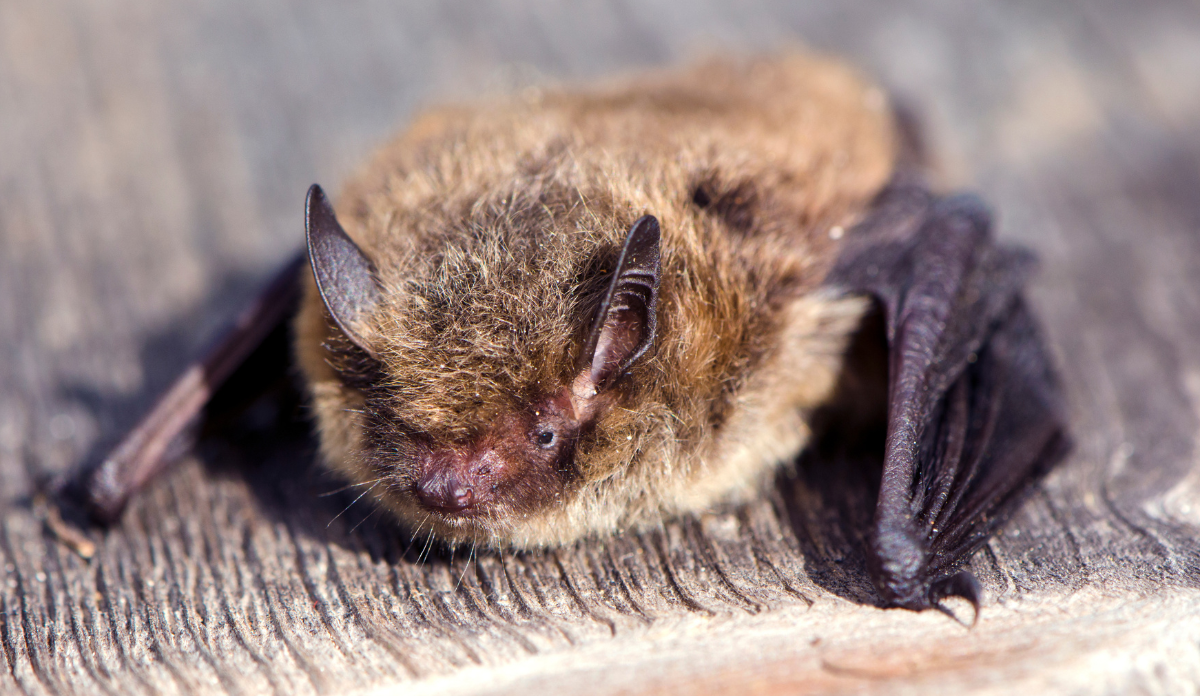
When a bat suddenly appears in a living room, it’s easy to assume it slipped through an open door or window. But a recent Skedaddle Humane Wildlife Control call in Golden Valley, Minnesota, shows why an indoor bat can sometimes point to a much larger problem hidden elsewhere in the home.
In August 2026, homeowners contacted Skedaddle after discovering a bat flying through their living room. Our technicians responded to safely remove the bat and investigate how it had gotten inside.
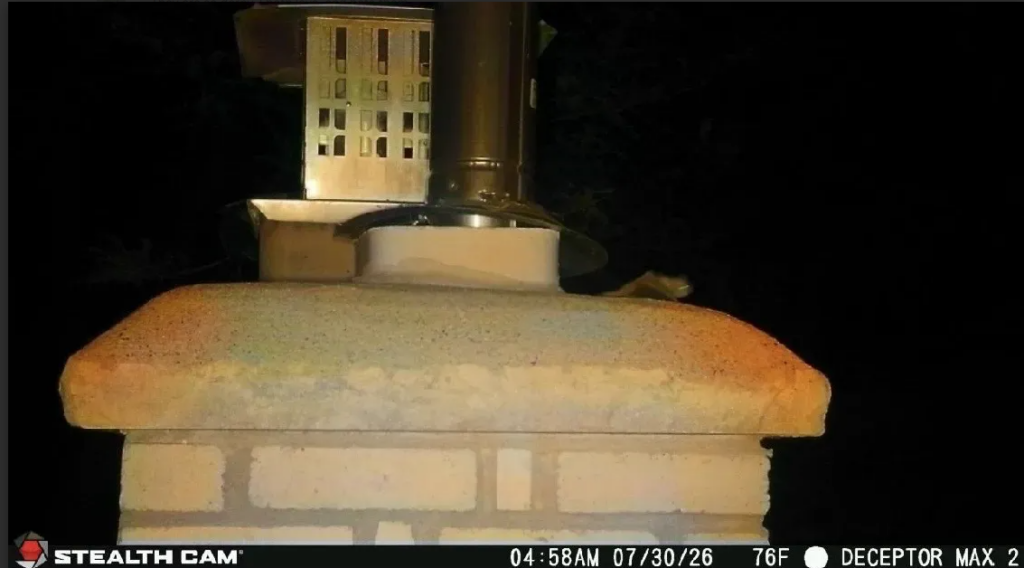
The inspection revealed that this wasn’t simply a bat that had accidentally flown through an open window. A colony of bats was living in the attic, and gaps around the fireplace were providing a pathway into the family’s living space.
Over the following days, seven additional bats were discovered inside the home while our team worked to resolve the problem and complete the humane exclusion of the attic.
Then, one of those encounters raised a more serious concern.
While safely capturing the bats, Skedaddle wildlife technician Jesse Graham noticed that one was behaving unusually. It was acting aggressively and repeatedly biting another bat.
Because abnormal behaviour can be a potential sign of illness, the bats were submitted to the University of Minnesota Veterinary Diagnostic Laboratory for rabies testing.
One of the bats tested positive.
The positive test transformed what began as a wildlife removal call into an important reminder of why bats found inside living spaces need to be handled carefully.
Why a Bat in Your Living Room May Have Come From the Attic
When homeowners find a bat flying around a bedroom, hallway or living room, one of the first questions is often: How did it get inside?
A bat simply flying through an open window or door is not likely, when bats are found inside the living space of the home, it is most often because there is a colony somewhere else in the home.
Bats can live in attics, wall cavities and other concealed areas of a home without the people below realizing they’re there. They can enter structures through small gaps around rooflines, soffits, vents, flashing and other exterior openings.
Once bats are inside the structure, gaps within the home can provide routes from an attic or wall cavity into the living space. During the summer months, bats will leave their colonies in the attics and walls, seeking the cooler air inside living spaces. When they can’t find their way back to the colony, they get lost inside the living space.
Removing the bat flying around the room addresses the immediate problem, but it doesn’t explain where the bat came from. If there is a colony in the attic, another bat may eventually follow the same route.
A professional inspection looks beyond the animal that’s visible to determine whether bats are living elsewhere in the structure and how they’re moving through the home.
Why You Should Avoid Contact With Bats
While not every bat has rabies, the potential for exposure means it is important to avoid direct contact with any bat found in or around your home.
One of the challenges with bat encounters is that a bite or scratch may not always be obvious. Bats have small teeth and claws, and physical contact can leave marks that are difficult to see or may go unnoticed altogether. This makes it difficult to determine the level of exposure based on appearance alone. For your health and safety, it is best to keep your distance and never attempt to pick up, catch or handle a bat yourself, even if it appears injured, sick or unable to fly. Children and pets should also be kept away from the animal.
The Golden Valley case demonstrates why this caution is important. Nothing about seeing the first bat flying through the living room could have told the homeowners that another bat associated with the colony would later test positive for rabies. An unexpected bat encounter should therefore be taken seriously, particularly when there is uncertainty about whether contact occurred.
Extra caution may be necessary when a bat is discovered in a room with a sleeping person, an unattended child or someone who may not be able to reliably determine whether physical contact occurred. If there is any possibility that someone had contact with a bat, contact a healthcare provider or local public health authority promptly for guidance. If a pet may have interacted with the bat, contact a veterinarian.
When a possible human or pet exposure has occurred, avoid releasing the bat before speaking with the appropriate health authority. Depending on the circumstances, officials may determine that testing is necessary, and releasing the animal could eliminate that option.
Why Calling a Professional Matters
A bat flying around your home can create an immediate urge to grab a towel, container or broom and try to get it outside. Doing so can unnecessarily bring you closer to the animal.
A trained wildlife professional can safely deal with the bat while also inspecting the home and discovering how it appeared inside in the first place.
In Golden Valley, that investigation made all the difference.
If our technicians had only focused on removing the first bat from the living room, the colony in the attic and the pathway around the fireplace could have gone undetected and continued to enter the living space. Instead, the team identified where the bats were living, determined how they were reaching the living space and worked toward excluding the colony from the home.
Professional bat exclusion is also more complicated than simply finding an opening and sealing it. Bats need to be allowed to leave a structure without being able to return. The timing of exclusion is important as well, particularly when young bats may still be unable to fly. Sealing openings at the wrong time or without understanding where bats are located can trap animals inside and potentially cause them to search for another route through the structure.
A thorough inspection allows technicians to understand the entire problem before determining the appropriate humane solution.
What to Do When You Find a Bat Inside
If you discover a bat flying through your home, avoid trying to catch or handle it yourself. Bats can carry rabies, and because their teeth and claws are so small, a bite or scratch may be difficult to see or even go unnoticed. Keep children and pets away from the area and contact a qualified wildlife professional for assistance.
If there is any possibility that a person came into contact with the bat, contact a healthcare provider or local public health authority for guidance. Pet owners should also contact their veterinarian if an animal may have interacted with the bat.
Just as importantly, don’t assume that dealing with the bat you can see means the problem has been solved. A bat appearing inside the living space can be an indication that bats are already roosting somewhere within the structure and have found a route from their roost into the occupied areas of the home.
That’s exactly what happened in Golden Valley. The homeowners initially called Skedaddle after discovering a bat in their living room, but our technicians ultimately found a colony living in the attic and identified how the bats were making their way into the family’s living space. Most importantly, one of the bats associated with the colony later tested positive for rabies.
That positive rabies test reinforces why homeowners should never attempt to handle a bat on their own. There is no way to determine whether a bat has rabies simply by looking at it, and even minor physical contact can present a potential exposure risk. Keeping your distance and calling trained professionals helps protect the people and pets in the home while allowing the situation to be properly assessed.
The bat flying through the room may only be the first visible sign of a much larger issue. When a bat makes its way into your living space, a professional inspection can determine whether there is a colony elsewhere in the home, identify how bats are moving through the structure and address the source of the problem rather than only the animal that happened to be seen.

 Loading...







