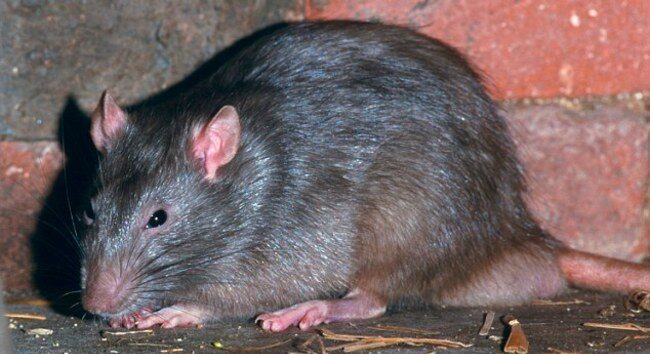
You might think rats and mice are mainly a winter problem. They’re not. Summer rain, heat, and drought all push rodents toward your home just as much as cold weather does – sometimes even more. When heavy rain floods their outdoor burrows, when pooling water makes their usual spots unlivable, or when a dry spell cuts off their water supply, your home becomes exactly what they need.
Your house gives a rat or mouse everything it needs to get through the summer — dry shelter, stable temperatures, easy access to food and water, and quiet spots to nest and raise young. Mice can squeeze through a gap as small as a dime, and rats don’t need much more room than that. Once they’re inside, they don’t leave on their own.
At Skedaddle Humane Wildlife Control in Okanagan, we take rodent calls all year long — and summer is one of our busiest seasons. In this blog, we explain why rodents look for dry shelter in summer, what pushes them toward your home, and how our team finds every entry point and keeps them from coming back.
Do Rats Like Water?
No, rats don’t like being wet, and they work hard to avoid it. They can swim when they have to, but they strongly prefer dry, sheltered spaces and will move quickly to find one when their usual spots get flooded. Heavy summer rain that fills their underground burrows is one of the most common reasons they start moving toward homes and other structures during the warmer months.
This catches a lot of homeowners off guard. Most people assume rodents are mainly a dry season problem, but wet weather is actually one of the biggest reasons they move into buildings. A heavy rainstorm that soaks the ground around your foundation can push rats and mice right out of their nests and toward the nearest dry spot, which is often your garage, your crawlspace, or the inside of your walls.
The Okanagan’s summer weather goes back and forth between heavy rain and long dry stretches, and both push rodents toward homes in different ways. Rain floods them out. Drought cuts off their water. Either way, your home ends up being exactly what they’re looking for. Our team knows both patterns well and what they mean for rodent activity across the valley.
Escaping Flooded Burrows
Rats and mice live in burrows and nests that are built close to the ground or underground. When heavy rain hits, those burrows fill with water fast, and the rodents inside have no choice but to move. They travel quickly along walls, fences, and foundations looking for the nearest dry entry point, and your home’s exterior is exactly what they find.
This kind of displacement happens fast. A single heavy rainstorm can flood a burrow completely and push the entire nest out within hours. These creatures don’t stop moving until they’ve found somewhere dry and protected to settle in, which is why rodent calls spike in the Okanagan immediately after significant rain events. By the time the rain stops, they may already be inside.
The areas around your home’s foundation are the first places they check. Gaps around pipes, cracks in the foundation, spaces under garage doors, and openings beneath exterior steps are all common entry points our team finds during inspections following wet weather. A burrow that was dry and undisturbed last week can send its occupants straight into your crawlspace the night of a heavy downpour.
Avoiding Pooling Water and Poor Drainage
Even when the rain stops, the problem doesn’t always go away. Poor yard drainage means water pools and sits for days after a storm, keeping the ground around your home saturated and uninhabitable for rodents that would normally nest there. These creatures move away from wet ground and toward elevated, dry structures and your garage, shed, and crawlspace are all exactly what they’re looking for.
Here’s what our team commonly finds linked to drainage-related rodent activity during Okanagan inspections:
- Rats Moving Toward the Foundation After Heavy Rain: When water pools along the foundation, rats follow the wall of your home looking for the first dry gap they can find. Gaps around pipe penetrations, cracks in the mortar, and spaces under exterior steps are the most common entry points in these situations. Our team checks the full foundation perimeter during every inspection and seals every gap with materials that rodents can’t chew through.
- Mice Entering Through Garage Door Gaps: The base of a garage door is one of the most common entry points our team finds after wet weather. The seal along the bottom of most garage doors has small gaps that a mouse can squeeze through easily, and a garage offers dry shelter, stored food, and nesting material all in one space. Our team checks every garage entry point during the inspection and advises on what needs to be addressed to close off the access.
- Rodents Using Sheds as Temporary Dry Shelter: A shed with even a small gap at the base or a loose board gives rodents a dry place to wait out wet conditions. Once they’re inside and discover that the shed offers warmth, nesting material, and no disruption, they stay. Our team checks every outbuilding on the property during the inspection, not just the main house, because rodent activity often starts in a shed before it spreads to the home.
Beating Extreme Heat and Finding Stable Humidity
The Okanagan’s summers are hot and dry, and that extreme heat is another reason rodents move toward your home. Crawlspaces and wall cavities stay much cooler than the outdoor temperature on a hot August day, and mice and rats actively seek out these stable, shaded spaces when the heat outside becomes too intense. Your home is essentially air-conditioned compared to the ground they’re living on.
Humidity also plays a role. The Okanagan’s dry summer air dehydrates rodents faster than they can manage outdoors. Inside your walls, behind appliances, and in crawlspaces, the humidity is more stable and the temperature is more comfortable. These creatures are looking for the same things we are on a hot day: shade, cool air, and access to water.
Here’s what heat and humidity drive them toward inside your home:
- Crawlspaces That Stay Cool Through the Summer: The crawlspace under your home is one of the most common summer rodent shelter spots our team finds in the Okanagan. It stays significantly cooler than the outdoor temperature, stays dry even during rain events, and is usually undisturbed for long stretches of time. Our team checks every crawlspace access point and inspects the interior for signs of nesting activity during every inspection.
- Wall Cavities Near Pipes and Appliances: Areas behind appliances, near laundry rooms, and around plumbing pipes offer both stable humidity and access to drips and condensation that rodents use as a water source. Mice and rats nest in these spots specifically because they provide both shelter and water in one location. If you notice droppings near your appliances or under your sink, call our team right away – these are among the most common signs of an active infestation.
- Garages With Stored Food and Nesting Material: A garage full of boxes, insulation scraps, stored food, and birdseed bags is one of the most attractive summer shelter options a rodent can find. It’s cool, dry, quiet, and full of nesting material. Our team inspects the full interior of every garage during the assessment and flags every entry point and attractant that’s contributing to the activity.
Securing Nesting Materials and Breeding Space
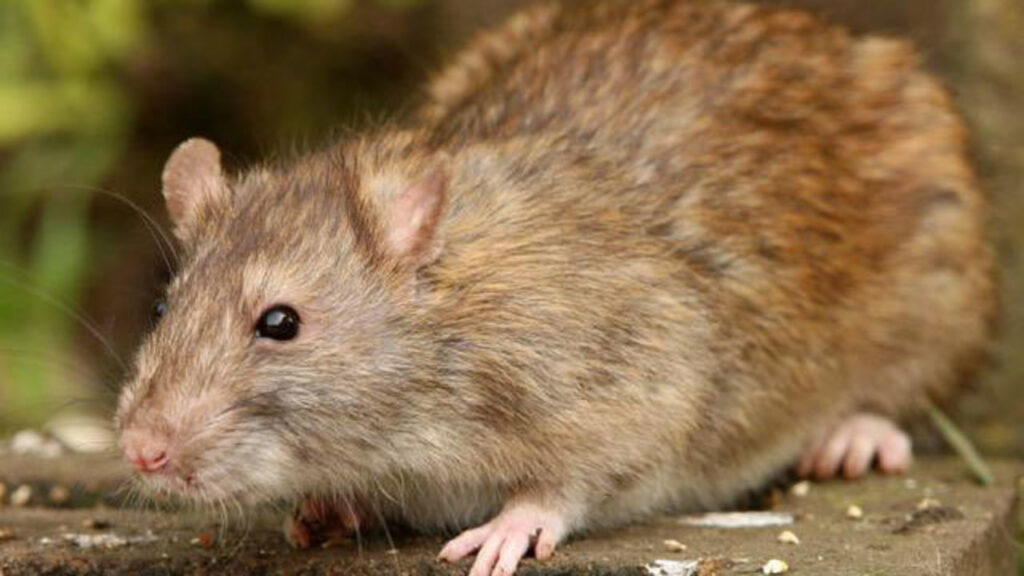
Summer is a peak breeding season for rats and mice, which means they’re actively searching for quiet, undisturbed spaces with good nesting material close by. Your shed, garage, and wall cavities all fit that description. A mouse that finds a corner full of cardboard, insulation, or stored fabric has everything it needs to start a nest and raise multiple litters through the summer.
The breeding cycle is one of the reasons rodent problems escalate quickly. A single pair of mice can produce multiple litters in one summer, which means a small problem in June can become a significant infestation by August if nothing is done. Rats breed at a similar pace, and each new litter means more rodents exploring more of your home’s structure.
This is why acting early makes such a big difference. The longer a nest is established inside your home, the more damage accumulates – chewed wiring, torn insulation, contaminated surfaces – and the more of your home’s structure gets explored and compromised. Our team finds every active nesting area during the inspection and makes sure the full structure is clear before any sealing work begins.
Exploiting Structural Gaps to Get Inside
Rats and mice don’t need a large opening to get into your home. A mouse can squeeze through a gap the size of a dime. A rat needs slightly more room but is strong enough to chew through weak materials to make its own entry point. Summer is when both species are most actively exploring the exterior of your home looking for ways in, and every small gap, crack, and worn seal is a potential entry point.
Here’s what our team finds most often when inspecting Okanagan homes for rodent entry points:
- Gaps Around Pipe Penetrations in the Foundation: Where water lines, gas pipes, and electrical conduits pass through the foundation or exterior walls, small gaps often exist around the seal. These gaps are a direct path into the wall cavity, and rodents find them by following the wall and testing every surface they pass. Our team seals all pipe penetration gaps with materials that rodents can’t chew through as part of the full exclusion process.
- Cracks in the Foundation That Have Widened Over Time: Okanagan homes that have gone through multiple freeze-thaw cycles often have small cracks in the foundation that have widened over the years. These cracks don’t have to be large to be a problem – a crack that’s wide enough to push a pencil through is wide enough for a mouse. Our team checks the full foundation during every inspection and seals every crack found.
- Worn Door Seals and Gaps Under Exterior Doors: The seals along the bottom of exterior doors wear down over time, and even a small gap is enough for a mouse to push through. Doors that lead to garages, basements, and crawlspaces are especially vulnerable because these are the first sheltered spaces rodents reach when they’re moving along your home’s foundation. Our team checks every exterior door seal during the inspection and flags anything that needs to be replaced.
Rodent Removal and Prevention with Skedaddle
When our team arrives at your Okanagan home, we start with a full inspection of the exterior and interior. We check the foundation, every pipe penetration, every vent, the garage, the crawlspace, and every structure on the property for signs of rodent activity and entry points. We also look at what’s drawing them to your property – food sources, drainage issues, and structural gaps all factor into the full picture.
Our removal process addresses every active entry point on the property. We seal every gap, crack, and opening with materials that hold up against chewing and weather. All cleanup of droppings, nesting material, and contaminated insulation is handled entirely by our team -homeowners should never go near any of this without proper protective equipment. If you hear scratching in the walls or notice droppings anywhere in your home, call us right away and leave the area alone until we arrive.
Rodent Challenges in the Okanagan
The Okanagan’s combination of wet spring weather, hot dry summers, and established residential neighbourhoods creates year-round conditions for rodent activity across the valley. Communities like Kelowna, Penticton, West Kelowna, and Vernon all sit alongside natural green spaces, orchards, and drainage corridors that support large rodent populations. When weather conditions shift – heavy rain, extreme heat, or drought – those populations move toward homes.
Older homes across the Okanagan tend to have the structural vulnerabilities that make rodent entry easier – aging foundations, worn door seals, and gaps around older pipe penetrations that have never been properly sealed. Summer construction activity across the valley also creates temporary gaps and disruptions that push rodents toward nearby homes as their usual territory gets disturbed.
Summer drought is a particular driver in the Okanagan that doesn’t affect other parts of BC in the same way. When natural water sources dry up through July and August, rodents move toward homes specifically to access leaky pipes, condensation, and the stable humidity of wall cavities. Our team understands how the Okanagan’s specific climate patterns drive rodent activity and knows what to look for when we assess a property in any part of the valley.
Frequently Asked Questions
How do I know if I have rats or mice in my home?
Rats leave larger droppings, create more noise, and cause more visible damage than mice. Mice are smaller and quieter but move faster and in greater numbers. Both leave droppings along the routes they travel, and both create nesting material from whatever soft material they can find. If you see either, call our team right away, don't try to handle it yourself.
Can rodents get in through my drains or pipes?
Rats are capable of traveling through drain pipes and have been known to enter homes through toilets and floor drains in rare cases. More commonly, they enter through gaps around the outside of pipes rather than through the pipes themselves. Our team checks all pipe penetrations during the inspection as a standard part of the assessment.
Why am I seeing rodents during the day if they're supposed to be nocturnal?
Daytime rodent activity can be a sign of a large population that has run out of space in their nesting area, or a sign that the infestation has been established long enough that some individuals have become bolder. Either way, daytime sightings are a signal to call our team right away rather than wait to see if the problem resolves on its own.
Do rodents cause fires?
Yes. Rats and mice chew through electrical wiring regularly as part of their normal behaviour, and damaged wires are a direct fire hazard. Chewed wiring is one of the most serious findings our team makes during rodent inspections, and we flag it immediately so a licensed electrician can assess it after the removal is complete.
How quickly can a rodent problem get worse if it's not addressed?
Very quickly. A single pair of mice can produce several litters over the course of a summer, with each litter containing multiple young that are ready to breed within weeks. A problem that starts with two mice in June can become a significant infestation by August. Acting early is always less expensive and less disruptive than waiting.
Don’t Let Wet Weather Drive Them Through Your Door
Rain, heat, and drought all push rodents toward your home for different reasons, but the result is the same. Once they find a dry, stable, food-accessible spot inside your walls, garage, or crawlspace, they stay and they breed. The damage builds up fast, and by the time most homeowners notice the signs, the infestation has been going on for weeks.
Most people don’t connect the heavy rain last week to the scratching they hear in the walls tonight. Our team makes that connection every day. The weather pushes them in, the structure lets them in, and the damage starts the moment they arrive.
At Skedaddle Humane Wildlife Control in Okanagan, we handle everything from the first inspection to the final seal. Our team finds every entry point, removes any rodents present, and closes off your home with materials that hold up long-term. You don’t need to do a thing except call us. Request an estimate today and let our team make sure your home stays dry, sealed, and rodent-free all summer long.

 Loading...