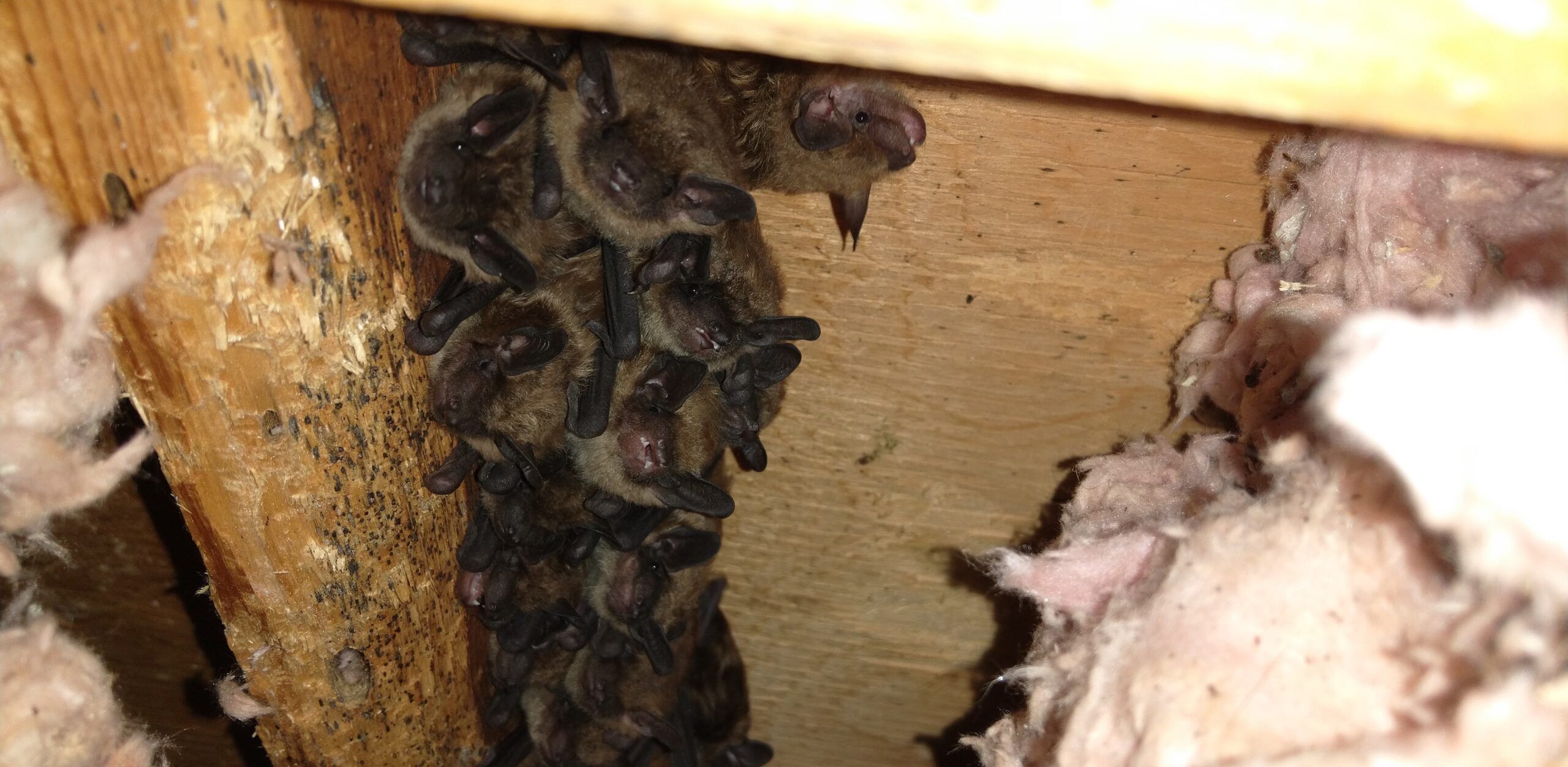
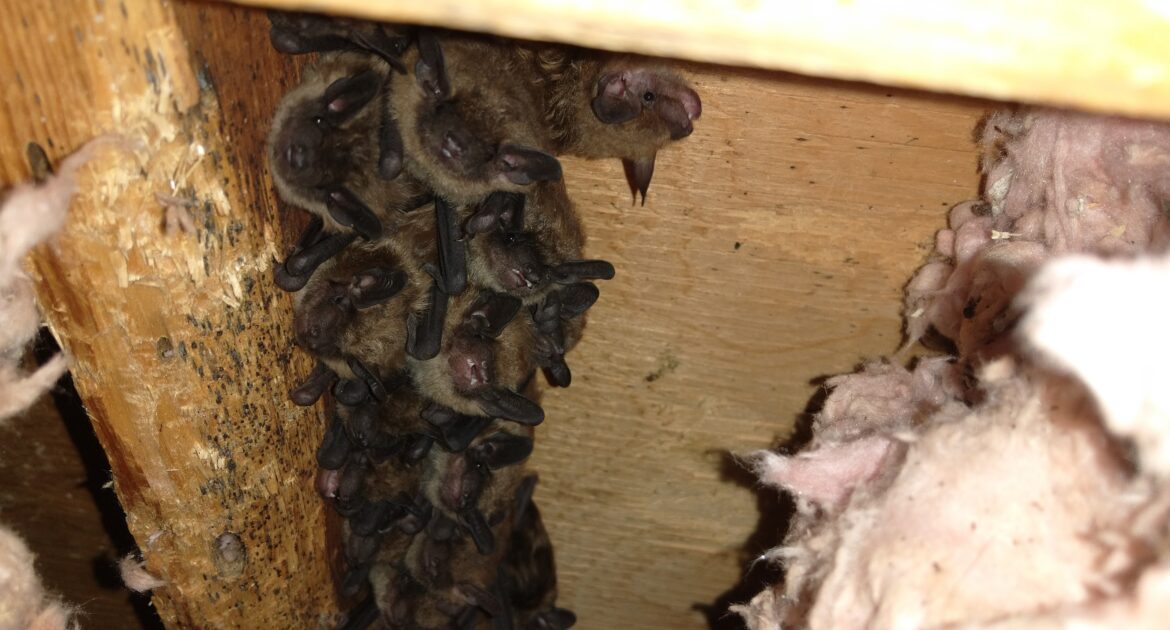
You probably don’t think about bats much during the winter, but they’re thinking about you. As spring approaches, bats begin looking for safe, warm spaces to raise their young and your attic, vents, or roof gaps may seem perfect to them.
So, what is bat removal and prevention before baby season? It’s the process of keeping bats out of your home safely and humanely before the young are born and too small to fly. Acting early means you can protect your home while keeping the animals safe.
At Skedaddle Humane Wildlife Control in Mississauga, we specialize in humane bat removal tips that help you prevent bats before baby season and bat-proof homes in winter. Our goal is to make sure you stay protected without harm to wildlife. Here’s how humane prevention works and why timing is so important.
Why Timing Matters for Humane Removal
You may not realize it, but timing is everything when it comes to keeping bats out of your home. Once baby season starts (usually June through August), young bats can’t fly. If adults are sealed out too early, the babies can get trapped inside.
The best time for prevention is during late winter or early spring. By starting before the maternity season, you give professionals time to inspect, seal openings, and install one-way doors that let bats leave but not re-enter.
When you act early, you prevent stress for both your family and the animals and you avoid major cleanup later.
Attics Are the Most Common Entry Point
Your attic offers everything bats want: warmth, darkness, and safety. Once inside, they hang from rafters or squeeze between insulation layers.
Common signs of their presence include:
- High-pitched squeaks or rustling at night
- Small droppings scattered on the floor
- Stains near gaps, vents, or roof joints
Because bats are small, they can fit through openings as thin as a pencil. When we perform inspections, we focus on these areas to locate every possible entry point. Humane prevention works by identifying these gaps before baby season begins.
Sealing Gaps Keeps Families Out Safely
You might think your home is sealed, but even tiny cracks can invite bats inside. Before baby season, professionals carefully check around your roofline, vents, and eaves for weak points.
They seal these areas using durable, bat-safe materials that keep your home protected all year long. The goal is to bat-proof homes in winter so animals can’t return once they’ve left.
This process also helps prevent other animals like squirrels or birds from using the same entry points in the future.
Vents and Chimneys Are Common Access Routes
Chimneys and vents are warm, dark, and sheltered, exactly what bats look for. A missing or broken vent cover is like an open invitation.
Professionals often inspect these areas and may recommend:
- Installing heavy-duty vent screens
- Adding chimney caps designed to keep animals out
- Checking for torn dryer or attic vent covers
- Reinforcing joints around metal flashing
These steps block easy access and prevent re-entry without trapping animals inside.
Common Signs You May Have Bats
If you’re not sure whether bats are in your home, there are a few simple things to look for.
Here’s what professionals often notice during inspections:
- Droppings that look like small, dark grains of rice
- Stains around roof vents or soffits
- Sounds of squeaking, fluttering, or scratching at dusk
- Odd smells coming from the attic
When you notice these signs early, humane removal can happen before the problem grows. You’ll save time, stress, and potential cleanup costs by acting fast.
Professional Inspections Find Hidden Entry Points
You may only see a few gaps from the ground, but bats often find hidden spaces high up on the roof. Professionals use ladders, cameras, and lighting tools to spot every possible access point.
A proper inspection includes:
- Roof edges and flashing
- Eaves, soffits, and attic vents
- Gaps where siding meets roofing materials
- Brick or mortar cracks near chimneys
Once all entry points are found, humane removal can begin safely. This detailed approach is what makes professional service from Skedaddle so effective.
Why Humane Prevention Is the Best Choice
Humane removal isn’t just kinder, it’s smarter. It keeps your home safe while protecting local wildlife. Traditional trapping or relocation methods often cause harm or separate mothers from their pups.
Our approach focuses on:
- Allowing animals to exit safely using one-way doors
- Cleaning and sealing affected areas after they leave
- Preventing future access with durable materials
- Protecting both your home and the ecosystem
When you choose humane prevention, you create a long-term solution that keeps your property secure year after year.
Preventing Bats During Baby Season With Skedaddle
Once baby season starts, timing and compassion are critical. Our team carefully checks for any young before sealing areas. If they’re present, we use humane methods to allow the family to stay safe until the pups can fly.
Then, we install one-way doors to guide them out naturally and seal every entry point afterward. This process ensures your home stays protected without harming the animals.
At Skedaddle Humane Wildlife Control in Mississauga, we’ve helped homeowners stay safe for decades with expert inspections, prevention strategies, and compassionate removal practices.
Protect Your Home Before Baby Season Begins
You deserve to feel safe knowing your home is secure before nesting season begins. Acting early gives professionals time to inspect, seal, and protect your home while keeping wildlife safe.
At Skedaddle Humane Wildlife Control in Mississauga, we specialize in humane bat removal tips that help you prevent bats before baby season and bat-proof homes in winter. Our team uses proven, humane methods that allow bats to exit safely without ever letting them back in.
Request an estimate to learn more about how we can help you stay protected this season. When you trust Skedaddle, you protect both your home and the animals that share your community.

 Loading...