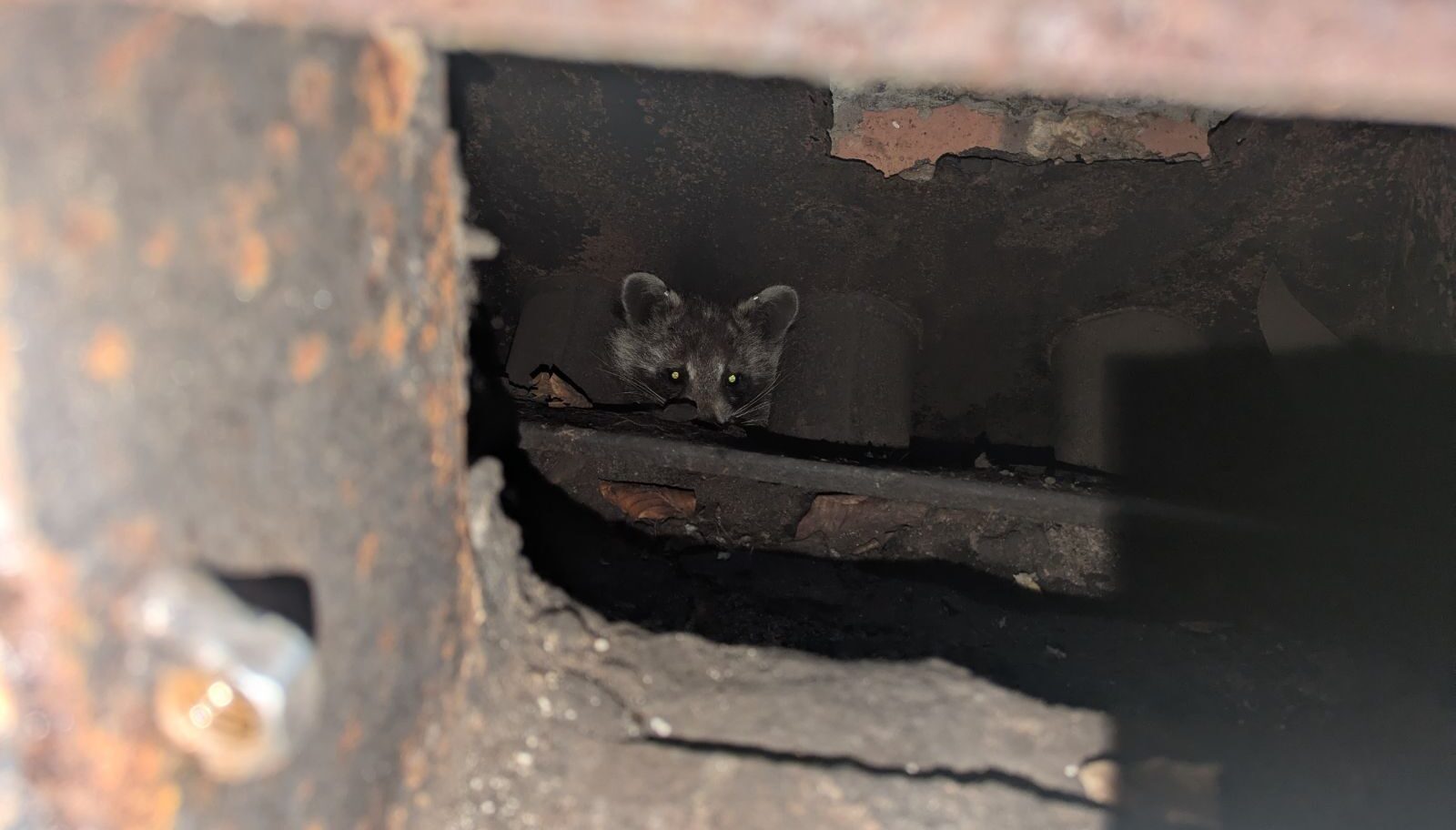
Nighttime noises around your home this summer usually mean wildlife has moved into a cool, dark space like your attic, soffit, or wall cavity to escape the heat and raise their young. Different sounds point to different culprits, and figuring out which one is in your home starts with paying close attention to what you’re hearing and when.
This time of year brings more nighttime activity than any other season. Warm attics become popular nesting spots, while increased foraging sends wildlife closer to homes than usual. The type of sound, the time it happens, and the exact location in your house all offer clues about what’s really going on above your head.
This article is for any homeowner hearing strange sounds at night and wondering what’s causing them. You’ll learn what different noises typically mean, how to tell wildlife sounds apart from normal summer insect noise, and how Skedaddle Humane Wildlife Control in Mississauga handles these situations safely from start to finish.
What Animal Is Making Noise in My Attic at Night?
The most common animals making noise in an attic at night during summer are raccoons, mice, and bats, each with a distinct sound pattern. Raccoons tend to create heavier, slower movements, while mice produce lighter scratching, and bats create fluttering or squeaking sounds, especially around dusk.
Telling these apart starts with listening closely to the weight and rhythm of the sound. Heavy thumping or dragging usually points to something larger, like a raccoon, while quick, light scurrying often means something smaller is moving through the space. Sounds that happen specifically around sunset, paired with fluttering, often point to a different type of activity altogether.
Location matters too. Noises coming from deep within the attic insulation suggest a different situation than sounds coming from inside a wall or near a roofline. Paying attention to these small details makes it much easier to understand what’s actually happening in your home.
Raccoons
Raccoon activity at night tends to stand out because of how heavy and consistent the sounds are. Summer is peak season for raccoon litters, which means this is one of the most common sources of nighttime noise during these months.
- Heavy, Slow Movement: Slow shuffling, heavy walking, thumping, or dragging noises in the ceiling are strong indicators of raccoon activity. This type of movement tends to sound deliberate rather than quick or frantic. Homeowners often describe it as sounding like something much larger than a typical pest. This weight and pace is one of the clearest signs pointing toward raccoons specifically.
- Chirping and Chattering Sounds: Continuous chirping or chattering usually indicates a litter of active baby raccoons rather than a single adult. These vocal sounds tend to come in bursts, especially during active play periods. The presence of these sounds almost always means more than one raccoon is present. This detail can help confirm that a den site has been established nearby.
- Nighttime Nursery Behaviour: Female raccoons use warm, quiet attics as nurseries during the summer months, drawn in by the safety and consistent temperature these spaces offer. Once settled, a mother tends to stay in the same spot for an extended period while her young develop. This explains why raccoon noises often continue for weeks rather than stopping after a single night. The consistency of the noise over time is part of what separates this from a one-time disturbance.
- Wrestling, Playing, and Exploring: Homeowners will likely hear a lot of activity at night as adolescent raccoons wrestle, play, and explore their surroundings. This behaviour becomes more noticeable as the young grow stronger and more curious. The noise pattern often shifts from quiet to much more active over just a few weeks. This change is a natural part of how young raccoons develop throughout the summer.
Mice
Mouse activity sounds very different from raccoon activity, mostly because of how small and quiet the source is. These sounds tend to be subtle but persistent once a home becomes quiet at night. Identifying mouse activity usually comes down to a few specific clues that show up consistently in the same areas.
- Faint Scratching Behind Walls: Faint scratching, chewing, and gnawing sounds behind drywall or in ceiling insulation are the most common signs of mouse activity. These sounds often come from inside walls rather than open attic spaces, which can make them harder to pinpoint exactly. The quieter the home gets, the more obvious these small sounds tend to become. This is part of why many homeowners notice mouse activity specifically late at night.
- Chewing on Wood and Wiring: Mice tunnel through insulation and chew on wood and electrical wiring as part of their natural behaviour. This habit helps them build nests and keep their teeth from growing too long. Over time, this chewing can lead to both ongoing noise and potential damage to the structure of a home. Wiring damage in particular can become a serious concern if left unaddressed for too long.
- Scented Trails that Attract More Activity: Because mice leave scented trails behind them, their presence can also attract other mice looking to follow the same path. This means one mouse moving through a space can quickly turn into a larger group using the same route. The longer a trail stays in place, the more likely it is to keep drawing in additional activity. This pattern is part of why mouse-related noise can grow louder over a short period of time.
- Noise that Grows If Left Unaddressed: This combination of chewing, tunnelling, and scent trails is part of why mouse activity tends to grow quickly if left unaddressed. What starts as a faint, occasional sound can become a more frequent and noticeable pattern within just a few weeks. The growth in noise often reflects a growing number of mice rather than just one animal becoming more active. This is one of the clearest signs that early attention can make a meaningful difference.
Bats
Bat activity has a sound profile that’s distinct from both raccoons and mice, largely because of how these animals move and communicate. Late summer tends to be a particularly active time for this type of noise.
Fluttering, flapping, and high-pitched squeaking in walls, chimneys, or attics are the clearest signs of bat activity, especially when these sounds happen consistently around dusk. This timing lines up directly with when bats leave their roost to hunt for insects in the evening. The combination of fluttering movement and vocal sounds tends to be fairly distinct once homeowners know what to listen for.
If these noises happen consistently over several nights, it generally means a colony has successfully roosted somewhere in the home. This pattern tends to repeat nightly, since bats follow a consistent routine of leaving at dusk and returning later in the night.
Insects vs. Wildlife
Not every summer noise points to a problem inside your home, and telling the difference matters before assuming the worst. Outdoor sounds and wildlife sounds often get confused, especially during warmer months when both are more active.
- Steady Outdoor Humming: A steady, high-pitched buzz, trill, or pulsating hum coming from outside is most likely cicadas, pond frogs, or katydids. These sounds are a completely normal part of summer evenings and don’t indicate any issue with the home itself. They tend to rise and fall in volume throughout the night rather than staying constant. This natural pattern is one of the easiest ways to rule out a structural problem.
- Sounds with a Clear Outdoor Source: Insect and amphibian noises generally come from yards, gardens, or nearby green spaces rather than from inside walls or ceilings. These sounds tend to spread evenly across an outdoor area instead of being localized to one spot. This wide, even spread is very different from sounds tied to a specific den or nesting location. Recognizing this difference helps avoid unnecessary worry over normal summer sounds.
- Localized Thumping or Scratching: Loud, localized thumping or scratching coming directly from the structure of a house points to a wildlife issue rather than typical insect activity. This type of sound tends to stay concentrated in one specific area, like a single section of the attic or a particular wall. The localized nature of the sound is a strong indicator that something has moved into the structure itself. This is a key detail that separates a real concern from background summer noise.
- Consistency Over Multiple Nights: Sounds tied to wildlife activity tend to repeat in the same location night after night, unlike random outdoor noise that can vary based on weather or time of year. This consistency is one of the clearest signs that something has settled into the home rather than just passing through. Tracking whether a sound repeats in the same spot can help confirm whether further attention is needed. This pattern is often what prompts homeowners to reach out for a professional inspection.
Wildlife Removal and Prevention with Skedaddle
Our team at Skedaddle starts every inspection by listening closely to the details a homeowner provides, including the timing, type, and location of the noise. This information helps us narrow down what’s likely causing the activity before we even step inside the home.
Once we’ve identified the source, we use one-way doors that allow wildlife to leave the space naturally while preventing re-entry to the same spot. This approach respects natural behaviour while solving the problem at its source, rather than relying on methods that disturb a den or roost directly.
After the space has been cleared, we seal every entry point we find using durable materials built to last through changing weather. This final step is what actually prevents the same noises from returning later in the season or in future years.
Wildlife Problems in Mississauga
Mississauga’s mix of older and newer neighbourhoods creates a wide range of conditions that attract wildlife during the summer months. Many established areas have mature trees and green spaces that provide easy access points leading toward nearby homes. Older housing stock in particular often has aging rooflines and soffits that create opportunities for wildlife seeking shelter.
The city’s warm, humid summers also play a role in pushing wildlife to seek cooler, shaded spaces like attics and wall cavities. This seasonal pattern tends to repeat every year, making summer one of the most active times for nighttime noise complaints across the city. Properties near ravines or wooded areas often see higher activity levels compared to more open neighbourhoods.
Because of these local factors, our team adjusts each inspection based on the specific structure, age, and surroundings of a property. This local knowledge helps us identify entry points and likely culprits more efficiently than a generic approach would allow.
Frequently Asked Questions
Why do I only hear noises at night and not during the day?
Many common attic visitors, including raccoons and bats, are naturally more active at night while resting during daylight hours. This explains why noises often seem to disappear during the day, even when activity is ongoing. A quiet attic in the afternoon doesn't necessarily mean the problem has gone away. It often just means whatever moved in is sleeping until evening.
Can the time of night help identify what's causing the noise?
Yes, timing can offer useful clues, since bats are often most active around dusk while raccoons may be heard throughout the night. Mice tend to be most noticeable once a home becomes quiet, regardless of the exact hour. Paying attention to when a sound starts can help narrow down the possibilities. This detail often works best when combined with the type of sound itself.
Should I worry if I only hear the noise occasionally?
Occasional, inconsistent noise is less likely to indicate an established issue compared to sounds that repeat in the same location night after night. Consistency tends to be one of the strongest signs that something has settled into the home. A single odd noise might just be a passing visitor rather than a true infestation. Tracking how often the sound happens can help determine if further attention is needed.
Can nighttime noises mean more than one type of wildlife is present?
Yes, it's possible for more than one type of activity to occur at the same time, especially in older homes with multiple entry points. This is part of why a full inspection matters, rather than assuming only one source is responsible. Different sounds coming from different areas of the home can point to separate issues happening at once. Addressing only one source while missing another can leave part of the problem unresolved.
Will the noise stop on its own without intervention?
Noise caused by an active den or roost typically continues and often increases as young animals grow more active. Without addressing the entry point and source directly, the noise tends to persist rather than resolve on its own. Waiting it out usually means dealing with louder, more frequent noise as time goes on. This is why early action tends to lead to a quicker, simpler resolution overall.
Ready to Figure Out What’s Making Noise in Your Home?
Summer nights bring a mix of sounds, and not all of them point to a problem. Outdoor insect noise is completely normal, but consistent thumping, scratching, or fluttering coming from your attic or walls usually means something has moved in. The type of sound, the time it happens, and where it’s coming from all offer helpful clues about what’s really going on.
Trying to guess based on sound alone can be tricky, especially since different animals create such different patterns. A heavy thump might point to a raccoon, while faint scratching late at night often means mice. Fluttering around dusk usually means something else entirely. Getting it right matters, since each situation calls for a different approach.
At Skedaddle Humane Wildlife Control in Mississauga, we inspect the full property, identify the source of the noise, and seal entry points so the problem doesn’t come back. We handle the entire process safely and humanely, from start to finish. Our team knows exactly what to look for, even when the signs aren’t obvious.
Request an estimate today and let our team find out exactly what’s going on in your home.

 Loading...







