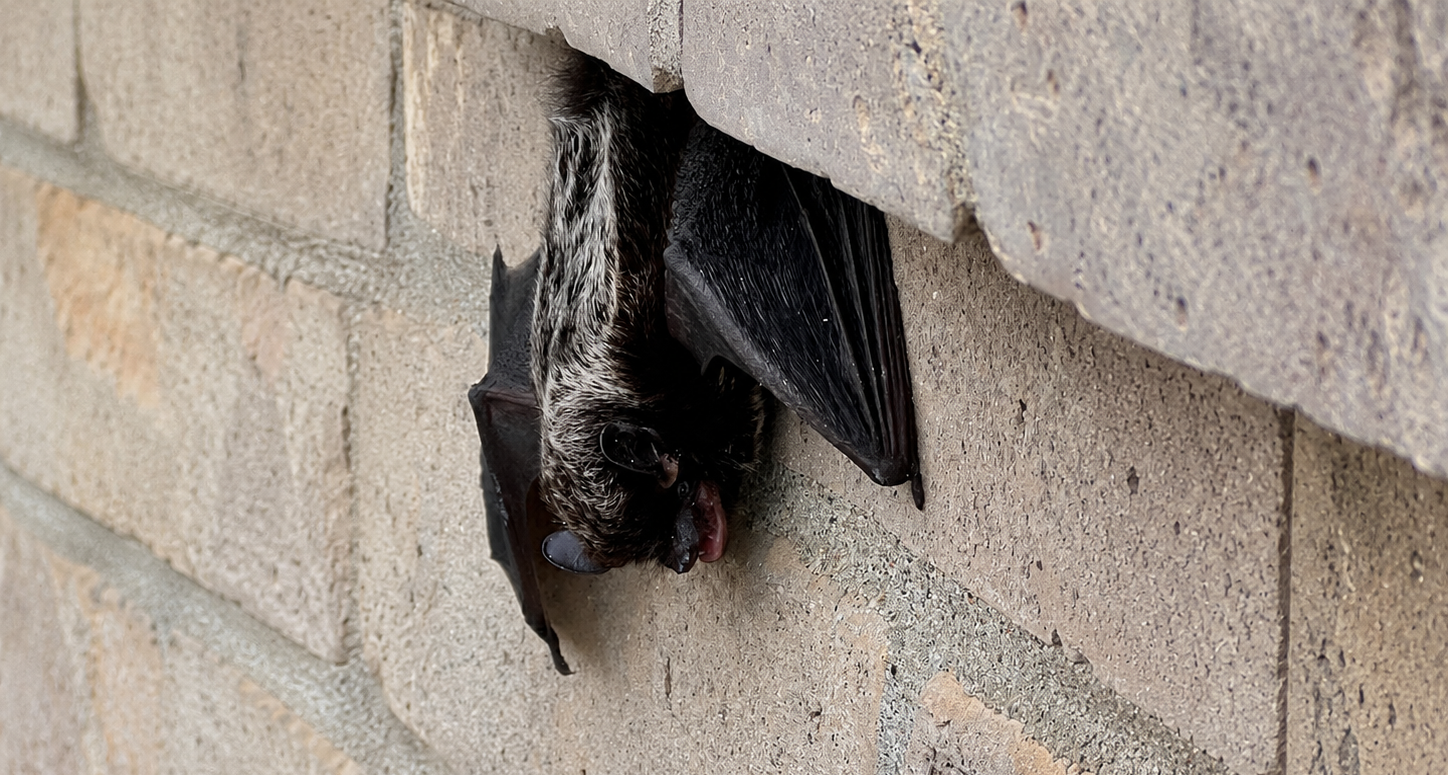
Bats keep returning to the same home every summer because they remember it as a safe, warm place to raise their young, and they’re extremely loyal to spots that have worked for them before. You might think a one-time fix would solve the problem for good, but that’s not how their instincts work. Once a home proves itself as a safe shelter, they will try to come back to that exact same spot year after year.
This loyalty is called roost fidelity, and it’s one of the strongest habits these animals have. A warm attic feels just like the caves and hollow trees they naturally use, which makes your home an attractive option once it’s been found. Without addressing every entry point and the reasons your home was chosen in the first place, the cycle is likely to repeat each summer.
This article is for any homeowner who has dealt with this issue before or is noticing signs of repeat activity. You’ll learn why the same roosting pattern happens, what habits drive this behaviour, and how Skedaddle Humane Wildlife Control in Toronto handles the problem with long-term prevention in mind, not just a quick fix.
Why Do Bats Keep Coming Back to My House?
Bats keep coming back to the same house because they remember it as a successful roosting spot and return to it out of habit. This isn’t random behaviour. These animals have a strong memory for locations that kept them warm, safe, and protected from predators in the past.
Once a successful roost is established in an attic, the same building tends to get used again in future years. This is especially true for females, who look for reliable spots to raise their young. If nothing changes about the home, from the entry points to the conditions inside, there’s every reason for them to come right back.
This pattern explains why so many homeowners deal with repeat visits, even after the problem seems to have left. The home itself hasn’t changed, so from their perspective, it’s still a great place to live.
Maternity Colonies and Why Summer Is Different
Summer brings a different kind of activity than other times of year, mostly because of maternity colonies. Females gather together in groups during early summer to give birth and raise their pups in one shared space. Attics are a popular choice because they offer the high, steady warmth that young pups need to grow.
This is one of the biggest reasons summer problems can feel sudden or more serious than expected. A handful of early arrivals can turn into a much larger group once a maternity colony forms. The attic conditions that attracted the first few are just as appealing to the rest of the group.
Because of this, activity often peaks during the warmer months, then quiets down once the pups are able to fly. This timing matters a lot when it comes to safely and legally dealing with a colony.
Reasons Bats Stay Loyal to the Same Home
These animals aren’t roosting in your home by accident. Several specific reasons explain why they return to the same spot summer after summer instead of finding a new location every year.
Maternity Site Loyalty
Females don’t choose a new birthing location every year. Once a spot proves safe and successful, it becomes the go-to choice for raising young summer after summer. This loyalty is one of the biggest reasons the problem tends to repeat in the exact same homes.
- Strong Attachment to Proven Sites: Females are extremely loyal to the locations where they’ve successfully given birth before. A safe, warm attic that worked well one summer becomes a trusted choice the following year. This attachment is part of natural behaviour, not random chance. The more successful a site has been, the stronger this loyalty tends to grow over time.
- Returning to Raise Young Again: Once a maternity site proves safe, the same spot gets used to raise young again. This means the same attic can see new generations of pups born there year after year. These visits aren’t just passing through. The space gets treated as a long-term nursery rather than a temporary stop.
- Untouched Attics Stay at Risk: This loyalty makes it likely that an untouched attic will see repeat activity year after year. If nothing about the space changes, there’s no reason to look elsewhere. The same warmth, safety, and quiet conditions that worked before are still waiting. This is why addressing the issue fully matters so much for long-term results.
- A Cycle that Builds Over Time: Each successful summer in the same spot strengthens the bond to that location. This can make the problem grow larger the longer it goes unaddressed, since more individuals may return or bring others along. Breaking this cycle requires more than removing the ones present at any one time. It means changing the conditions that made the spot attractive in the first place.
Perfect Microclimates
Not every space inside a home works for roosting, but some come surprisingly close to ideal. Attics and wall spaces often create the exact warmth and stability that pups need to grow. These small, hidden conditions can make a home far more attractive than most people realize.
- Steady, Reliable Warmth: Attics and wall spaces often create the ideal warm, stable temperature that pups need to develop properly. This kind of steady heat is hard to find outdoors, where temperatures can shift quickly throughout the day. Pups rely on this consistency to grow at a healthy pace during their early weeks. A space that holds heat well becomes especially valuable during cooler summer nights.
- Protection from Weather: These spaces also offer protection from wind, rain, and predators that would otherwise be a risk outdoors. Natural roosting spots like trees or caves don’t always provide this same level of shelter. An enclosed attic blocks out sudden weather changes that could put young pups at risk. This added safety makes the space far more appealing than many natural alternatives.
- Safety from Predators: Indoor spaces like attics and wall cavities offer a level of protection from predators that’s hard to count on outside. Enclosed spaces make it harder for predators to reach a roosting colony. This added security is especially important while pups are too young to fly. A safer environment increases the chances that more pups survive to adulthood.
- Few Reasons to Leave. Once a spot with these conditions is found, there’s little reason to look elsewhere. The combination of steady warmth, shelter, and safety checks every box being naturally searched for. Without something changing about the space, there’s little incentive to seek out a new location. This is part of why these spots get used again and again, year after year.
Unresolved Entry Points
Only a gap about the size of a quarter-inch is needed to squeeze into a home. This is much smaller than most people expect, which is part of why these openings get overlooked so often. A roofline, vent, or soffit can hide one of these gaps without showing any obvious signs of damage.
If even one small opening near these areas isn’t sealed, it will get used again without hesitation. A large hole isn’t needed to come and go, just a consistent path that leads back to a familiar space. This means a single missed gap can keep an entry point active for years.
This is one of the most common reasons the problem seems to “come back” when really, access was never fully lost. From their point of view, nothing about the home has changed. The opening used before is often still right where it was left.
Memory and Scent
Instinct alone doesn’t explain how a roosting spot gets chosen. Past experience and lingering scent both play a role in guiding a return to familiar spaces. These two factors work together to make certain homes especially hard to stay clear of long term.
- Strong Memory for Past Roosts: Locations that worked well in the past tend to get remembered clearly. A space that provided safety and warmth one summer gets stored as a reliable option for the future. This memory can last for multiple years, even without a recent visit. It’s part of why the same attic can attract activity long after the first colony moved in.
- Scent Left Behind by Past Colonies: The scent left behind by a previous colony can also act as a signal, drawing in new visitors searching for a place to roost. This scent can linger in an attic space long after the original group is gone. New arrivals searching the area may pick up on these signals without ever having roosted there themselves. This means a previous colony can influence future activity even after it’s no longer present.
- A Combination that’s Hard to Break: Memory and scent often work together to strengthen the pull toward a specific location. Remembering a successful roost combined with picking up familiar scent cues can reinforce the decision to stay. This combination makes certain homes far more likely to see repeat activity than others nearby. Breaking this pattern usually requires addressing both the physical entry points and any lingering scent.
- Why New Visitors May Also Be Drawn In: Even individuals who have never used a home before can be drawn in by leftover scent from a previous colony. This means a fully resolved problem from years ago could still attract new visitors searching for shelter. The scent acts almost like a sign advertising the space as a known safe spot. This is one of the lesser-known reasons activity can return even after an initial colony moves on or is removed.
What Happens If a Previous Removal Wasn’t Complete
A previous removal that wasn’t fully finished is one of the most common reasons the problem returns. If even one entry point was missed or left unsealed, the same path back inside is easy to find. From their perspective, the home still works exactly the way it did before.
This often happens when removal focuses only on the spot where activity was noticed, rather than checking the entire roofline and structure. These animals are skilled at finding small, overlooked gaps, especially in older roofing materials or worn trim. A single missed opening can undo most of the progress made during an otherwise solid removal effort.
This is part of why a thorough, professional approach matters so much. Checking every possible entry point, not just the obvious one, is what actually breaks the cycle of repeat activity summer after summer.
Long-Term Prevention Strategies That Actually Work
Stopping bats from returning takes more than removing the bats that are currently inside. A long-term solution means changing the conditions that made the home appealing in the first place.
- One-Way Door Exclusion: Specialized one-way doors allow bats to leave a roosting space for their nightly feeding, but block them from getting back inside once they’re out. This method respects the natural behaviour of bats while preventing them from re-entering the same spot. It’s considered one of the most effective and humane long-term solutions available.
- Complete Sealing of Entry Points: Every possible gap along the roofline, soffits, vents, and trim needs to be checked and sealed once bats have safely left. Missing even one small opening can allow bats to return the following summer. This step is what actually prevents the cycle from repeating year after year.
- Correct Timing Matters. Bat exclusion work needs to happen outside the maternity season, which typically falls in the summer months in Ontario. Performing exclusion work too early or too late can either harm flightless pups or miss the right window for effective sealing. Timing this correctly is part of what makes professional involvement so important.
- Alternative Shelters: Because bats naturally return to the same area even after an exclusion, installing a bat box can give them a safe place to go instead of your attic. These boxes work best when mounted 12 to 20 feet high on a pole or a separate structure away from the home. This gives them a familiar type of shelter nearby without letting them back into your roofline or walls. Many homeowners find this helps reduce the chances of the animals trying to find a new way back inside the house itself.
Bat Removal and Prevention with Skedaddle
Our team at Skedaddle starts every bat job with a full inspection, checking the entire roofline and structure rather than just the spot where bats were first noticed. This thorough approach helps us catch the small gaps that often get missed, which are usually the reason bats return in future summers.
Once we identify every entry point, we use one-way doors that allow bats to leave safely for their nightly routine while preventing them from coming back inside. This approach respects the bats while solving the problem at its source, rather than relying on methods that disturb a colony directly.
After bats have safely left, we seal every entry point we found using durable materials designed to hold up against weather and time. This is the step that actually stops the cycle, since it removes the opportunity for bats to use the same spot again next summer.
Bat Challenges in Toronto
Bats in Toronto face their own set of seasonal patterns that shape when and how they show up in homes. Cooler spring temperatures often push bats to seek warmer shelter earlier than people expect, while the summer maternity season brings the most noticeable activity. Many older homes across the city have aging rooflines and soffits that create easy entry points for bats looking for shelter.
Toronto’s mix of housing styles also plays a role in where bat problems tend to show up. Homes with older wood trim or worn flashing are often more vulnerable than newer builds, though no home is fully immune. Because of this variety, our team adjusts each inspection based on the specific structure and age of the property.
Local regulations also affect timing, since bats are protected during the maternity season in Ontario. This means exclusion work needs to be planned carefully around the time of year, which is part of why working with an experienced team matters so much in this region.
Frequently Asked Questions
How can I tell if bats are roosting in my attic?
Common signs include small dark droppings near entry points, scratching or rustling sounds at dusk, and a noticeable odour in the attic. Spotting bats flying in or out of the same spot at sunset is another strong indicator. The droppings often build up in one concentrated area rather than spreading throughout the space. Noticing several of these signs together usually points to an active roost.
Is it legal to remove bats from my home in the summer?
In many areas, including Ontario, it's illegal to seal bats inside or disturb a roost during the summer maternity season when flightless pups are present. This protects young bats that can't yet fly or leave on their own. Exclusion work is typically done in early spring or late summer instead, once pups are old enough to fly. Timing this correctly is a big part of doing the job both safely and legally.
Can bats cause damage to my home?
Yes, bat droppings can build up over time and cause odour issues, staining, and potential damage to insulation. This buildup tends to get worse the longer a colony stays in one spot. Large colonies can also create noticeable wear on the areas they roost in most often. Over time, this can lead to costly cleanup and repairs if the problem isn't addressed.
How many bats usually make up a maternity colony?
Maternity colony sizes can vary quite a bit depending on the species and the space available, ranging from a handful of bats to much larger groups. Attics with ideal warmth and protection tend to attract bigger colonies. The size can also grow from year to year if the same space keeps getting used. This is part of why early action matters before a small group turns into a larger one.
Will sealing one entry point stop bats from coming back?
Sealing only one entry point usually isn't enough, since bats can use multiple small gaps around a roofline. Missing even one opening can allow the same pattern to continue. A full inspection that checks the entire structure offers a much better chance of stopping bats for good. This thorough approach is what separates a lasting fix from a temporary one.
Ready to Break the Cycle of Returning Bats?
Bats don’t pick a new home every summer. They go back to the one that worked for them before. If a home has dealt with bats in the past, there’s a good chance the same entry points are still there waiting to be used again. Even one missed gap can be enough to keep the cycle going year after year.
Breaking this pattern takes more than removing the bats that are there right now. It means checking the entire roofline, not just the one spot where bats were first noticed. It also means timing the work correctly, since bats are protected during the summer maternity season in Ontario.
Skedaddle Humane Wildlife Control in Toronto handles bat problems with a full inspection, humane exclusion, and complete sealing so the cycle doesn’t repeat. We find every entry point, not just the obvious one, and we time the work correctly to keep it both legal and effective. Our goal is always a long-term solution, not a quick fix that leaves the door open for next summer.
Request an estimate today and let our team take care of it from start to finish, the right way.

 Loading...







