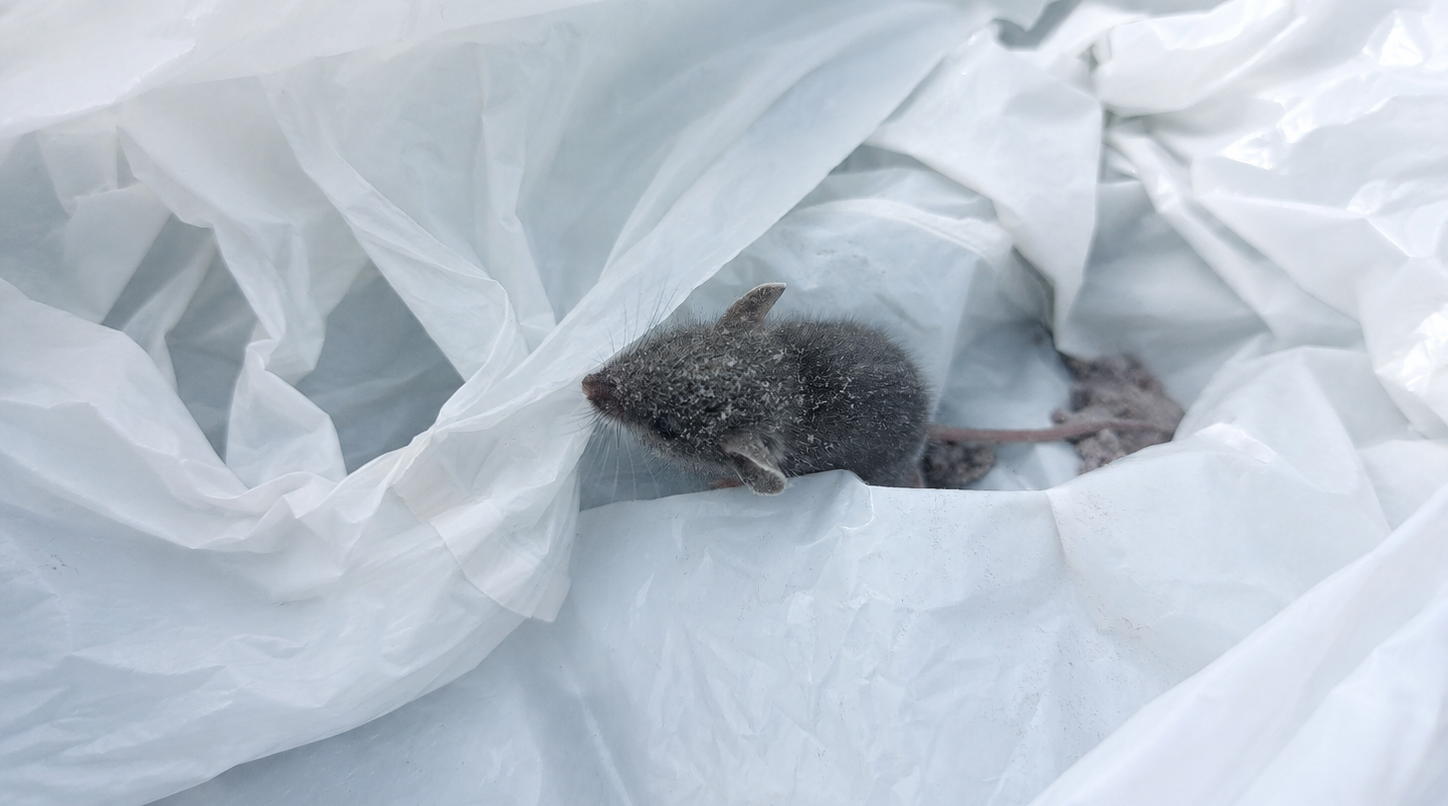
Home repairs can accidentally create entry points for mice when work done around pipes, vents, meters, or siding leaves small gaps that go unsealed. A repair that looks complete on the outside can still leave a tiny opening behind, and mice only need a gap about the size of a dime to get inside. This makes even routine maintenance work a hidden risk if it’s not finished properly.
This problem catches a lot of homeowners off guard because the repair itself often has nothing to do with pests. Work near an electrical meter, a new vent installation, or simple siding repairs can all leave behind small gaps without anyone noticing. Mice are quick to find these openings, sometimes within days of a project being finished.
This article is for any homeowner who has had recent work done on their home and wants to avoid an unexpected mouse problem. You’ll learn how repairs create these openings, what areas tend to be the riskiest, and how Skedaddle Humane Wildlife Control in Montreal helps homeowners close these gaps for good.
What Should I Do If I Notice New Mouse Activity After a Repair?
Noticing mouse activity shortly after a repair usually means the work left behind an opening that wasn’t fully sealed. The first step is recognizing that this connection isn’t a coincidence, since gaps created during repairs are one of the most common reasons mice suddenly appear in a home that didn’t have a problem before.
Repairs often involve removing or shifting materials around openings like meters, vents, and pipes. Once the main task is finished, the area around it doesn’t always get checked for small gaps that may have opened up in the process. These overlooked spaces become easy targets once mice start exploring the outside of a home.
This is exactly why a follow-up inspection after any exterior work makes such a big difference. Catching a new gap early prevents a small oversight from turning into an ongoing mouse problem.
How Mice Identify Vulnerable Areas
Mice don’t search a home randomly. They’re drawn to specific signs that suggest an easy way inside, and recent repair work often creates exactly those signs without anyone realizing it.
Fresh construction materials, disturbed soil, or newly placed caulking can all give off subtle cues that something around a structure has changed. Mice are highly sensitive to airflow and temperature differences, which means even a small gap leaking warm air from inside a home can act like a beacon. Repairs that involve cutting into siding, drilling near a meter, or adjusting vents often create exactly this kind of opening.
Take a look at this video from our team showing a real example of this exact situation. Chris from Montreal walks through how work done near an electrical meter ended up creating a new entry point for mice.
Watch the full video to see exactly how a small, overlooked gap like this can develop, and what to watch for if similar work has been done on your own home.
Common Repairs That Create Hidden Entry Points
Many everyday repairs and renovation projects can unintentionally leave behind small gaps. Recognizing the more common culprits can help homeowners stay alert after any kind of exterior work.
- Work around electrical meters. Repairs or upgrades near an electrical meter often involve drilling or adjusting the surrounding siding and insulation. Once the work is finished, the area around the meter base can be left with a small but accessible gap. This spot is especially appealing to mice because it’s usually warm, sheltered, and close to the ground. Without a final check of this area, a completed repair can quietly turn into a new entry point.
- Siding Repairs and Replacements: Replacing damaged siding sometimes leaves slightly uneven seams or small gaps where panels meet. These gaps may be too small to notice during a quick visual check but are more than enough space for a mouse to squeeze through. Even high-quality siding work can leave behind these openings if the edges aren’t properly sealed. This is one of the more common, overlooked outcomes of routine exterior maintenance.
- New Vent Installations: Installing or replacing a vent often requires cutting into the exterior wall, which can leave small gaps around the edges of the new fixture. These gaps are sometimes covered loosely rather than fully sealed, especially if the focus was on the vent’s function rather than pest prevention. Warm air escaping from these gaps can also attract mice looking for shelter. This makes vent areas a common starting point for new activity after a renovation.
- Plumbing and Pipe Work: Any work involving pipes entering or exiting a home can leave gaps around the area where the pipe meets the wall or foundation. These gaps are often small enough to go unnoticed, especially in basements or crawl spaces that aren’t checked often. Mice are skilled at using pipes as a guide toward these openings. This makes plumbing-related gaps one of the sneakier risks following a repair.
Incomplete or “Quick” Sealing Work
Not every sealing job gets the same level of attention, especially when a repair is meant to be quick. A patch that looks finished on the surface can still leave smaller, easy-to-miss gaps nearby. This kind of rushed work is one of the more common reasons mice find their way in after a repair.
- Patching the Obvious Hole Only: General contractors may patch an obvious hole but completely miss secondary crevices nearby. The main gap might get sealed properly, while smaller openings just inches away go unnoticed. This happens because the focus is usually on fixing the visible problem rather than checking the surrounding area. A single patched hole can give a false sense that the area is fully secure.
- Secondary Crevices Left Open: Secondary crevices often form alongside the main repair area, especially where materials meet or overlap. These smaller gaps are easy to overlook since they don’t look like an obvious entry point on their own. Mice don’t need a large opening, so even these minor crevices can be enough for them to get through. This is part of why a repair can seem complete while still leaving a real risk behind.
- Mice Following Scent Trails: Mice are highly perceptive and can follow scents to sneak in behind previously patched areas. A scent trail from earlier activity can lead mice right back to a spot near a recent repair, even if the original opening is sealed. This means a patch job near old activity needs extra attention, since the area may already be familiar to mice. Skipping this detail can undo most of the progress made by the repair itself.
- A Patch that Doesn’t Hold Up: Quick sealing work often relies on materials or methods that aren’t built to last against persistent mice. Even a properly placed patch can wear down or get chewed through if it isn’t reinforced properly. This means a temporary fix can quietly become an entry point again within weeks or months. A thorough approach considers durability, not just the initial appearance of being sealed.
Damaged or Missing Screens
Screens play a bigger role in pest prevention than most homeowners realize, especially around vents and windows. A screen that’s torn, loose, or missing entirely can undo the protection a repair was supposed to provide. This issue often goes unnoticed simply because screens aren’t usually the main focus of a project.
- Torn Screens During Repair Work: Repairs around roof vents or basement windows sometimes result in torn screens that weren’t replaced afterward. A screen can get damaged accidentally while other work is being done nearby. Once torn, even a small rip is enough to create an opening mice can use. This kind of damage is easy to miss if the screen isn’t checked closely once the main repair is finished.
- Loose-Fitting Screens After Reinstallation: Screens that are reinstalled after a repair don’t always fit as securely as the original installation. A loose fit can leave small gaps around the edges, even if the screen itself looks intact from a distance. These gaps are often just large enough for mice to squeeze through over time. This is part of why proper reinstallation matters just as much as the repair itself.
- Screens Mice Can Bypass Entirely: Mice can easily tear through or bypass screens that aren’t made from sturdy, chew-resistant materials. Standard screen mesh isn’t always strong enough to hold up against a determined mouse looking for a way inside. Once a screen is compromised, it stops providing any real protection at all. This makes the type of material used just as important as whether a screen is present.
- Overlooked During Final Inspections: Screens are often one of the last things checked, if they’re checked at all, once a repair project wraps up. This oversight can leave a vulnerable opening in place for weeks or months without anyone noticing. A missing or damaged screen rarely causes an immediate, obvious sign of a problem. This is why a dedicated check of screens after any nearby work makes such a meaningful difference.
Why Tiny Construction Gaps Matter So Much
It’s easy to assume a small gap left after a repair isn’t worth worrying about, but size has very little to do with risk when it comes to mice. A gap as small as a dime is more than enough space for a mouse to squeeze through completely.
This is part of why even professional, otherwise well-done repairs can lead to a mouse problem if the final sealing step gets overlooked. The visible part of the repair might look finished and tidy, while a small gap nearby goes completely unnoticed. Mice don’t need an obvious hole to find their way in, just a consistent path that leads somewhere warm and safe.
Because these gaps are often hidden behind materials like siding, insulation, or trim, they can be difficult for homeowners to spot without a trained eye. This is one of the main reasons a post-repair inspection matters just as much as the repair itself.
The Importance of Wildlife-Proofing After Repairs
Finishing a repair shouldn’t be the final step when exterior work is involved. Wildlife-proofing after the fact closes the loop on any gaps that might have been created along the way.
This process involves checking the entire area around recent work, not just the specific spot where the repair happened. A thorough check considers nearby seams, vents, and material edges that could have shifted or loosened during the project. Catching these details early prevents a small oversight from developing into noticeable mouse activity weeks or months later.
Wildlife-proofing also means using materials that are specifically resistant to chewing, rather than relying on standard caulking or sealant alone. This extra step makes a meaningful difference in how long a repair actually holds up against determined mice looking for a way back in.
Long-Term Prevention, Not Temporary Fixes
A quick patch might solve the immediate signs of a problem, but it rarely addresses the full picture. Long-term prevention means looking at a home as a whole rather than focusing on just one trouble spot.
This approach considers how different areas of a home connect, since a gap near one repair can sometimes lead to spaces far from the original work area. Durable, chew-resistant materials are used specifically because they hold up over time, unlike basic sealants that can wear down or get chewed through again. The goal is a solution that lasts well beyond the current season.
This long-term mindset is what separates a real fix from a temporary patch. Addressing the full scope of a home’s vulnerabilities, rather than just the most obvious gap, is what actually prevents repeat problems down the line.
Mice Removal and Prevention With Skedaddle
Our team at Skedaddle starts every inspection by looking closely at any recent repairs or renovations on a property, since these areas are often where new entry points appear. We check seams, vents, meters, and pipe areas that standard repair work might not have fully addressed.
Once we identify any new or existing entry points, we use one-way doors that allow mice to leave a space naturally while preventing them from coming back inside. This approach handles the immediate activity without relying on chemicals or harsh methods.
After the space is clear, we seal every entry point we find using durable, chew-resistant materials designed to hold up over time. This final step is what actually prevents the same gap from becoming a repeat problem in the future.
Mice Problems in Montreal
Montreal’s mix of older buildings and ongoing renovation work creates frequent opportunities for new entry points to form. Many homes across the city have older exterior materials that are more likely to shift or develop gaps when nearby repair work is done. This makes post-repair inspections especially valuable in established neighbourhoods.
The city’s cold winters also play a role, since mice are highly motivated to find warm shelter as temperatures drop. A gap left behind from a summer repair can become a much bigger problem once the weather turns colder and mice begin searching more aggressively for indoor access.
Because of these local factors, our team pays close attention to the type and age of construction when inspecting a property. This local knowledge helps us catch the kinds of gaps that are common across Montreal’s varied housing styles.
Frequently Asked Questions
How soon after a repair can mice find a new entry point?
Mice can find and use a new gap within just a few days of it forming, especially if the opening leads to a warm, sheltered space. Their strong sense of smell helps them detect these openings quickly, even from a distance. This is why checking for gaps soon after any exterior work is so important. Waiting too long gives mice plenty of time to settle in before anyone notices.
Can professionally done repairs still leave gaps behind?
Yes, even high-quality repair work can leave small gaps if pest prevention wasn't part of the original scope of work. Most repairs focus on function rather than sealing against mice specifically. A contractor fixing a vent or pipe is usually focused on making it work properly, not on keeping mice out. This means a perfectly functional repair can still leave a hidden risk behind.
Are older homes more likely to develop these gaps after repairs?
Older homes often have materials that shift more easily, which can make new gaps more likely to form during repair work. Aging wood, worn siding, and settled foundations can all contribute to this issue. This makes post-repair checks especially valuable for older properties. A small adjustment during a repair can sometimes reveal or create gaps that wouldn't happen in newer construction.
Does this only happen with major renovations?
No, even small repairs like fixing a single siding panel or adjusting a vent can create a gap large enough for mice. Size of the project doesn't always match the size of the risk. A quick, minor fix can sometimes leave behind just as much risk as a larger renovation. This is why every repair, regardless of size, deserves a closer look afterward.
Can a previous mouse problem mean I'm more likely to see this again after repairs?
Yes, a property with a history of mouse activity may already have areas more prone to gaps, especially around frequently repaired sections. Old scent trails can also make these areas more appealing to new mice. This makes a thorough check after any new work even more important. Addressing both the repair and any lingering scent helps prevent the same pattern from repeating.
Ready to Check Your Home for Hidden Entry Points
Repairs and renovations rarely set out to create a mouse problem, but small gaps left behind can do exactly that. A finished project might look complete on the surface while hiding a tiny opening that’s more than enough for mice to use. These gaps often go unnoticed for weeks or months until signs of activity start to show up.
Catching these vulnerable spots early makes all the difference. A quick patch or a loosely refitted screen might pass a quick glance, but it won’t stand up to a mouse looking for an easy way inside. The areas most likely to cause trouble, like meters, vents, and pipes, deserve a closer look after any nearby work.
At Skedaddle Humane Wildlife Control in Montreal, we inspect recent repair areas, identify hidden gaps, and seal them properly so the problem doesn’t develop in the first place. We handle the entire process safely and thoroughly, from inspection to final repair. Our team knows exactly where to look, even when the gap isn’t obvious.
Request an estimate today and let our team take a closer look at your home.

 Loading...