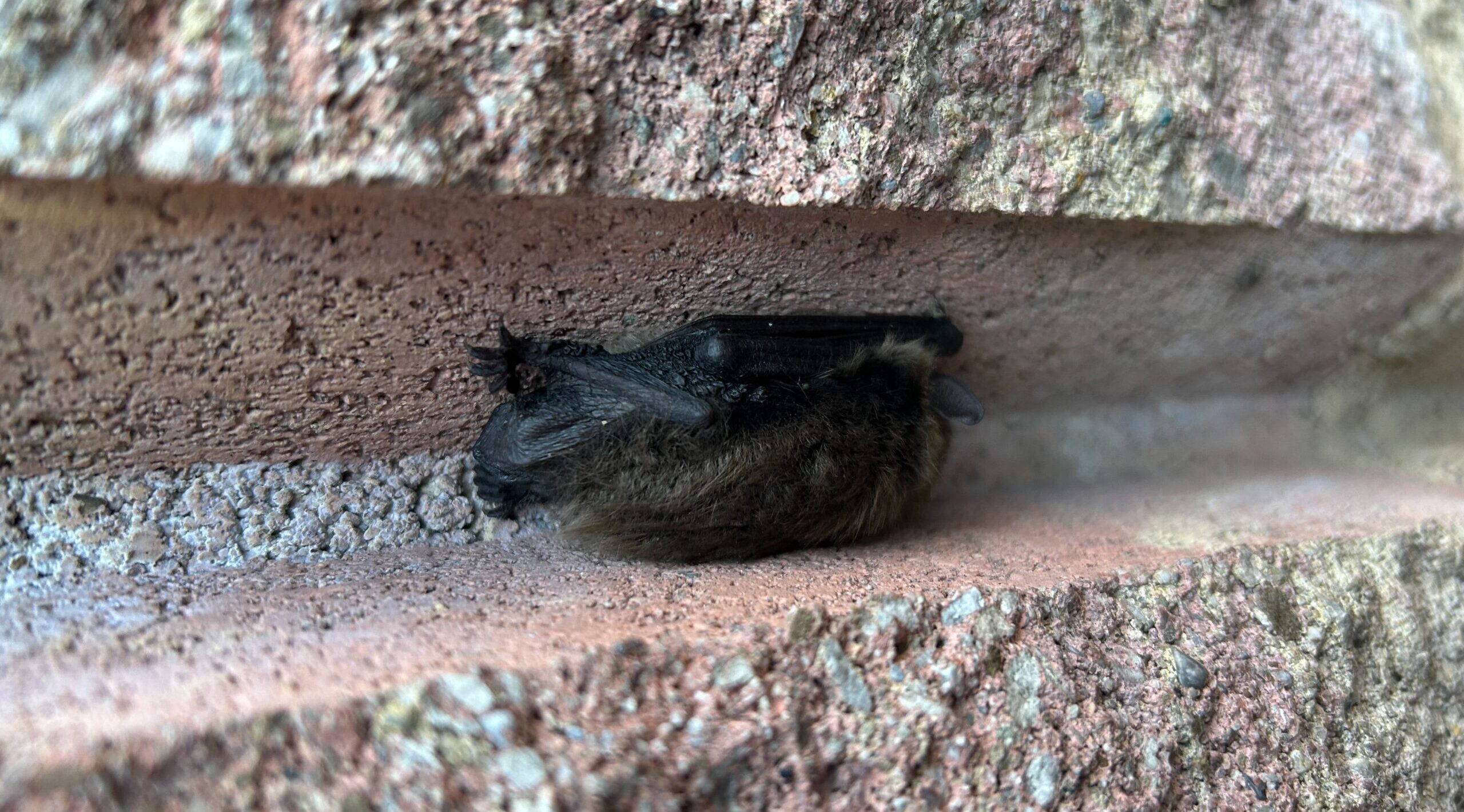
Bats are not as dangerous as most people think. They rarely carry rabies, they avoid people, and they cannot chew their way into your home. The real risk comes from their droppings and the damage a hidden colony can cause. The safe move is to let our trained team at Skedaddle Humane Wildlife Control handle it.
Warm summer nights bring these animals out to hunt, and that is when many homeowners start to worry. You might spot one swooping over your yard or hear soft scratching in the attic, and your mind jumps to scary stories. Most of those stories are simply not true. We hear them all the time at Skedaddle Humane Wildlife Control in North Atlanta, and they often stop people from dealing with a problem the right way.
So, what are the common bat myths homeowners still believe? People think bats are blind, that they want to fly into your hair, that they all carry rabies, and that they chew holes in your roof. None of that is correct. They see well, they avoid people, only a tiny number carry disease, and they slip in through gaps that already exist in your home.
Here we will walk you through the biggest myths, explain the real facts, and show you why a hidden colony is worth taking seriously. We will also cover how they get inside and how our team safely gets them out. By the end, you will know what to believe, what to ignore, and who to call when they show up.
Are Bats Dangerous to Have Around Your Home?
For the most part, bats are not dangerous to have around your yard. They keep to themselves and eat thousands of insects each night, which actually helps you. The trouble starts when they move into your attic or walls and you stop paying attention to them.
One that lives outside is rarely a problem. One living inside your home is a different story. Their droppings, called guano, can build up fast and create a health risk. Breathing in the spores from old droppings can make you sick, so this is not a mess you should ever touch yourself.
You should also never handle a bat that is lying on the ground or flying in the daytime. That kind of behavior can be a warning sign. If you see one inside your living space or find signs of a colony, call us at Skedaddle right away and let our team take it from there.
Myth #1: Bats Will Get Stuck in Your Hair
This is one of the oldest myths around, and it scares a lot of people for no reason. They are not trying to land on your head. They are simply chasing the bugs that fly near you on warm nights.
Here is what is really going on:
- Bats Are Expert Flyers: These creatures possess a remarkable ability called echolocation, which allows them to “see” with sound. By emitting high-frequency calls and listening to the echoes as they bounce off objects, they create a detailed map of their surroundings. This skill ensures that they can navigate even in complete darkness with extraordinary precision. When flying, they are highly aware of their environment and can avoid obstacles, including people.
- They Are After Insects, Not You: They are insect-eating machines, with many species capable of consuming hundreds of mosquitoes or moths in a single night. When one swoops close, it has no interest in humans but is instead targeting the bugs nearby. Their agility and speed allow them to hunt efficiently, often appearing close but only because of the insects they are pursuing. There is no intent to get tangled in anyone’s hair.
- They Avoid Contact on Purpose: They have no desire to interact with people and will actively steer away from them. Humans are seen as threats, and direct contact is something they instinctively avoid. If one enters a human space, it is usually unintentional, such as being drawn to an open window or a light source. They prioritize their safety by trying to escape.
- The Myth Causes Panic, Not Safety: Believing they aim for humans often leads to unnecessary fear and harmful reactions. Many people respond by swatting at them, which significantly increases the risk of accidental bites. Staying calm and giving them space is the safest approach. Panicked actions do more harm than good and exacerbate misunderstandings about these fascinating animals.
Myth #2: All Bats Have Rabies
Many homeowners think every one of them is loaded with rabies. The truth is that only a very small number ever carry the virus. Most you see are perfectly healthy and just want to be left alone.
That said, you should still treat any of them with care. While the odds of rabies are low, the risk is never zero, and that is reason enough to keep your distance. A few simple facts can help you stay safe:
- Only a Tiny Share of Bats Carry Rabies: Research shows that less than one percent carry the rabies virus. This means the actual risk is often much smaller than people think. Fear of them is common, but it is usually not based on reality. Understanding this fact helps reduce unnecessary panic about these animals.
- Healthy Bats Avoid People: Those active during their normal hours, such as dusk, are not looking to cause harm. The healthy ones are focused on finding food, like insects, and prefer to stay away from humans. Observing them from a safe distance is the best approach. Instead of worrying, recognize that avoiding humans is a natural behavior for them.
- Never Touch a Grounded Bat: One found on the ground or flying during the day could be sick or injured. These are warning signs that the animal may pose a health risk, including the possibility of carrying rabies. Children and pets should be kept away for their safety. Approaching one could lead to unintended contact, which should always be avoided.
- Let Professionals Handle It: Safely removing them from a home or property is best left to our trained professionals. At Skedaddle, we have the proper gear and knowledge to handle the situation safely and humanely. Attempting removal without help increases the chance of injury to both the animal and the people involved. Trusting experts ensures that everyone remains safe and the wildlife is treated responsibly.
Myth #3: Bats Chew Through Your Roof and Siding
A lot of people picture these animals gnawing holes in their house to get inside. They simply cannot do this. They are not rodents, and they do not have the teeth to chew through wood, drywall, or siding.
What they really do is find gaps that are already there. As houses age, small openings appear around vents, soffits, and rooflines. They can squeeze through a space as small as a dime, so there is no need to make a new hole at all.
This is why a careful inspection matters so much. Many of these gaps are tiny and easy to miss, but they find them with ease. Our team knows exactly where to look and how to seal these spots so they cannot get back in.
Myth #4: Bats Are Blind
The phrase “blind as a bat” has fooled people for generations. They are not blind at all. In fact, they see quite well, especially in low light when they do most of their hunting.
They use both their eyes and echolocation to move around. Their eyes help them spot things in dim light, while echolocation lets them hunt and dodge objects in total darkness. The two skills work together, giving them a clear picture of the world even at night. So the next time someone calls them blind, you will know the truth.
Myth #5: You Can Seal Your Attic Anytime to Get Rid of Bats
This myth is the most dangerous one of all. Some homeowners think they can just plug up the entry points whenever they show up. During summer, this can go very wrong.
In the warmer months, baby bats called pups are often present, and they cannot fly yet. If you seal the gaps during this time, you trap the pups inside. They will die in your walls, leaving you with odors, stains, and an even bigger mess to clean up.
Timing is everything. Removal has to happen during the right windows in the spring or fall. Our team at Skedaddle uses one-way doors that let them leave on their own but stop them from coming back. Once we confirm every animal is out, we seal the gaps for good.
Myth #6: Store-Bought Repellents Will Drive Bats Away
Mothballs, sprays, and ultrasonic gadgets are sold as quick fixes, but they do not solve the problem. At best, a strong smell might cause irritation for a short time. It will not make them leave a roost they have come to trust.
The reason is simple: these products do nothing about the gaps that let them in. As long as those openings stay open, they will keep using them. The only lasting fix is a full inspection and proper sealing of every entry point. That is the kind of work our team handles every day.
Why and How Bats Get Into Your North Atlanta Home
Because these animals need a gap no bigger than a dime, almost any home can become a target. Age, condition, and neighborhood do not matter much. Older homes in North Atlanta are especially open to this, since years of weather can loosen vents and create small gaps along the roofline.
They are not breaking in for no reason. Your attic offers warm, steady temperatures and safe shelter, which is exactly what a colony wants during the hot summer months. For these animals, a quiet attic is the perfect place to rest by day.
There are clear signs that they have moved in. Watch for these:
- Droppings Near Entry Points: Bat droppings, known as guano, are often found scattered along windowsills or on the ground below the roofline. These droppings can accumulate quickly, creating unsightly messes and potential health concerns. Guano can carry pathogens, so handling or removing it should be done with care and proper protection. The presence of droppings is a key indicator that they are frequently using certain entry points.
- Grease or Smudge Marks: Dark, greasy smudge marks often surround small gaps or openings where they repeatedly enter and exit. These marks are created by the oils on their skin as they brush against surfaces near their entryways. Smudging is usually seen around vents, cracks, or roofline gaps. Checking for these marks can help pinpoint exactly where they are gaining access to the building.
- Unusual Noises in the Attic: Scratching or squeaking sounds in the attic can be a telltale sign of a colony. These sounds are most noticeable around dusk, when they begin to stir and leave for nightly feeding. The noises could include light rustling from their movement or faint high-pitched squeaks. Such sounds often get louder as the colony grows in size.
- Musty Odor: A strong, musty smell emanating from the attic or upper walls may indicate their presence. This distinctive odor results from a combination of droppings, urine, and the animals themselves. Over time, the smell can seep into living spaces, becoming difficult to ignore. A persistent odor should prompt further inspection of the attic and roofline for signs of infestation.
If you notice any of these, do not try to inspect or clean it yourself. Call us and let our team confirm what is going on.
Bat Removal and Prevention With Skedaddle
When they move into your home, the safest path is to let our trained team take over. We handle the whole job from start to finish so you never have to get near them or their droppings. Here is how we help:
- Full Inspection: A detailed assessment is performed to identify all possible entry points in your home, including ones that are barely visible. Small cracks, vents, and gaps are carefully examined to ensure nothing is overlooked. Advanced tools and expertise are used to detect any hidden areas they might exploit. This thorough inspection ensures that the root of the problem is addressed effectively.
- One-Way Doors: Specialized one-way doors are installed to allow them to exit your home safely on their own. These doors are carefully designed to prevent re-entry once they leave. The method is humane and ensures the protection of both your home and the wildlife. Once installed, it aids in resolving the issue without causing stress or harm to the animals.
- Sealing Every Gap: Every identified opening is sealed with durable and effective materials to prevent future infestations. This step includes attention to structural areas like the roofline, vents, and attic spaces. Proper sealing is critical to maintaining the integrity of the home and ensuring long-term prevention. By addressing these gaps, the chances of a recurring problem are significantly reduced.
- Safe Cleanup: The removal of droppings and other debris is done carefully to protect the health of your household. Professional-grade cleaning ensures that harmful bacteria and fungi are eliminated from the affected areas. Special attention is given to sanitization to restore a clean and healthy environment in your home. This service helps to remove hazards and restore peace of mind for homeowners.
This is the kind of work that should always be left to our professionals. With our help, you get a humane result and lasting peace of mind for your home.
Frequently Asked Questions
Are bats more active in the summer?
Yes. Warm summer nights bring out more insects, which means they hunt more often. Summer is also when they raise their young, so colonies in attics tend to be larger and more noticeable during these months.
What should I do if a bat gets inside my house?
Stay calm and keep your distance. Do not try to catch it or chase it out yourself. Close off the room if you can, keep pets and kids away, and call our team at Skedaddle to remove it safely.
Is bat guano really dangerous?
Yes. Their droppings can carry spores that cause a lung illness called histoplasmosis. The droppings also stain and damage your home over time. You should never clean them up on your own, since stirring them up releases the harmful spores into the air.
Can I remove bats myself in the summer?
No. Summer is the worst time to seal them up because young pups that cannot fly may be inside. Sealing the entry points traps them inside your walls. Our professional removal during the right season is the only safe and humane option.
How do I know if I have a bat colony or just one?
One may have wandered in by accident, but signs like droppings, smudge marks, musty smells, and repeated sounds point to a colony. The only way to know for sure is a professional inspection of your attic and roofline.
Why are bats a common problem in North Atlanta?
North Atlanta's warm climate and many older homes create ideal conditions for them. Aging roofs and worn vents leave small gaps that they use to get inside, making our professional inspections a smart move for local homeowners.
Don’t Let Bat Myths Fool You
Now you know the truth behind the most common bat myths. They are not blind, they won’t come after your hair, and they cannot chew through your walls to get inside. The real issue lies in having a hidden colony, which can lead to droppings, damage, and other serious problems. Trying to handle this problem by yourself can be dangerous and may make the situation worse. That’s why it’s important to call in experts who understand how to safely and humanely deal with wildlife.
At Skedaddle Humane Wildlife Control in North Atlanta, we’re here to help. Our trained team will carefully inspect your home, remove them using humane methods, and ensure your house is properly sealed so they cannot return. We prioritize both your safety and the well-being of these animals because they play an important role in our ecosystem.
Don’t wait until the problem grows larger — reach out to us to schedule an inspection. Request an estimate today and gain peace of mind knowing your home is secure and bat-free. When it comes to bat removal, you can rely on us for professional and trusted service.

 Loading...







