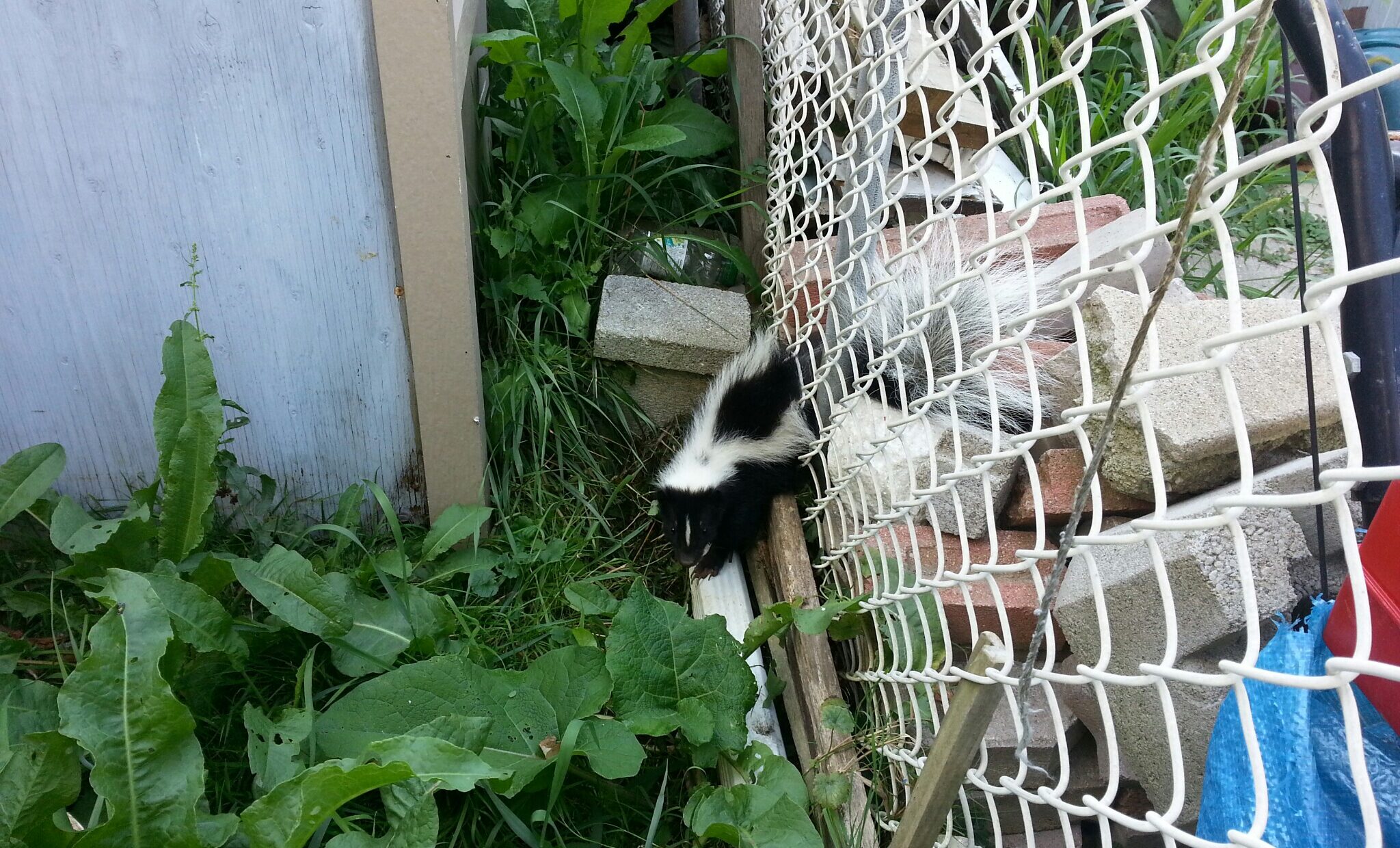
You may enjoy living near Niagara’s vineyards and orchards, but the same land that makes the region beautiful can also increase wildlife activity around your home. Ripe grapes, orchard crops, fallen fruit, compost, and insects provide food and water for rodents, raccoons, and skunks. These easy meals can draw them from farms and green spaces into nearby residential yards.
You may first notice damaged produce, small holes in the lawn, tracks, droppings, or a strong smell. Once these animals reach your property, they may also find shelter under a deck, inside a shed, or around an opening in your home. That is why food sources and building access should be assessed as parts of the same problem.
At Skedaddle Humane Wildlife Control in Niagara, we help homeowners identify why these visitors are coming and whether they have entered a structure. You should never approach them, handle droppings, or try to remove them yourself. In this blog, we explain how fruit, compost, insects, crop cover, and nearby farms affect local activity, along with the signs that call for professional help.
What Wildlife Lives in Niagara Falls?
Niagara is home to many species, including rodents, raccoons, skunks, squirrels, bats, and birds. The region’s mix of farms, waterways, wooded spaces, city neighbourhoods, and older buildings gives them many places to find food and shelter. Seasonal changes also affect where they travel.
Rodents, raccoons, and skunks are important to this topic because they may feed on fallen produce, insects, compost, and exposed garbage. A raccoon may visit for ripe fruit, while a skunk may search the same area for grubs. Rodents can follow food smells before finding small gaps in a nearby building.
One sighting in your yard does not always mean something is living inside your home. However, repeated visits near a deck, shed, foundation, garage, vent, or roof opening may point to a larger concern. Scratching sounds, droppings, damaged materials, and strong indoor odours deserve prompt professional attention.
Ripening Fruit Provides an Easy Source of Energy
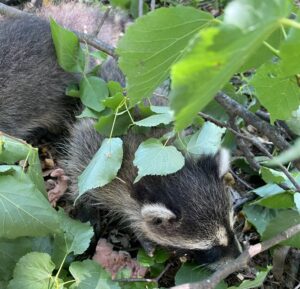
Fruit offers much more than a quick snack. It contains sugar, water, and calories that can help animals stay active. When the same crops remain available for days or weeks, the area may become part of a regular feeding route.
- High-Sugar Food: Grapes, peaches, pears, apples, and berries contain natural sugar. This gives rodents, raccoons, and skunks a useful source of energy. A vineyard or orchard can offer a large amount of food within a small area. Nearby residential yards may then become part of their search.
- Fallen Produce: Fruit on the ground is easier to reach than fruit growing high on a branch or vine. Bruised and split produce also begins to soften, making it easier to eat. A steady supply may encourage repeated visits after dark. These visits can continue until the food is gone or another source becomes more attractive.
- Reliable Moisture: Juicy produce supplies both food and water during hot or dry weather. This can make fruit especially appealing in late summer and early fall. They may not need to travel as far when one location meets both needs. That gives them more time to explore nearby decks, sheds, and buildings.
- Seasonal Abundance: Harvest season produces a large amount of food over a short period. Rodents, raccoons, and skunks can remember places where they found an easy meal. They may return to those locations night after night. Their search may later expand toward garbage, compost, gardens, and sheltered structures.
Fermenting Fruit Creates a Strong Scent Trail
Fresh fruit can attract attention, but decaying produce may create an even stronger signal. As fruit breaks down, it releases a sweet and sour smell that can travel beyond the place where it fell. Wind may carry that scent from an orchard, vineyard, compost area, or backyard.
Once raccoons, skunks, or rodents follow the smell onto a property, they may find other rewards. These could include garden produce, exposed waste, insects, water, or pet food stored in an accessible area. One food source can therefore introduce them to several reasons to return.
Frequent feeding visits also give them time to explore the home’s exterior. They may investigate damaged vents, gaps near the foundation, spaces beneath decks, or weak areas around the roof. If you see a visitor acting confused, injured, unusually bold, or aggressive, keep your distance and contact the right professionals for guidance.
Compost and Gardens Can Add More Food
Fruit may be only the first attraction around your property. Compost, garden crops, insects, and sheltered ground can provide several benefits in one place. These features may keep activity close to your home after the main harvest has ended.
- Fruit and Vegetable Scraps: Food scraps continue to release smells while they break down. These odours may reach rodents, raccoons, and skunks travelling through nearby fields or green spaces. Once they locate the source, they may visit it often. A professional assessment can determine whether the activity has spread beyond the feeding area.
- Warm Compost Areas: Breaking-down material can produce warmth inside a compost pile or container. Dense material may also provide cover close to the ground. Rodents may investigate these areas for both food and shelter. Skunks may search around the edges for insects and other meals.
- Garden Produce: Ripe or damaged vegetables can add another dependable food source. Produce close to the soil may be easy for several species to reach. Disturbed plants, tracks, or partly eaten crops can be early signs of activity. These clues do not always identify which visitor caused the damage.
- Insects and Grubs: Moist soil, compost, and decaying fruit can support insects. Skunks often dig small holes while searching for grubs below the lawn. This digging may appear close to gardens, decks, or outdoor storage areas. A professional can assess whether the damage comes from feeding, denning, or another cause.
Thick Crops and Landscaping Hide Movement
Vineyards and orchards do not provide food alone. Rows of vines, mature fruit trees, tall plants, hedges, and garden beds can hide movement from people. Rodents, raccoons, and skunks may travel through dense growth with less exposure.
Fence lines, drainage areas, field edges, and connected shrubs can also form natural paths. These routes may lead from agricultural land toward residential yards. A deck, shed, garage, or foundation can become the next stopping point if it offers shelter.
You may not notice this movement until signs appear close to the house. Tracks, digging, stains, droppings, or damage near the same location can reveal a regular route. Skedaddle can examine the wider property to determine how outdoor activity connects with possible entry points.
Nearby Farmland Supports Regular Movement
Niagara’s residential neighbourhoods often sit close to vineyards, orchards, farms, and open land. This short distance makes movement between rural and residential spaces easier. The amount of activity may also change during harvest, colder weather, or periods of heavy rain.
- Agricultural Borders: A home beside a vineyard or orchard is already close to a major feeding area. Fences and property lines do not prevent rodents, raccoons, or skunks from travelling. A residential yard may become an extension of their normal route. Features near the house can make that route more useful.
- Harvest Changes: Harvesting can quickly reduce food and cover within a field. These changes may lead nearby visitors to search yards for a new source. Compost, gardens, garbage, and leftover produce can then receive more attention. The change may seem sudden even though activity was already present nearby.
- Cold-Weather Shelter: Fall feeding can bring them close to garages, sheds, crawl spaces, attics, and areas beneath decks. Falling temperatures make protected spaces more appealing. Small structural weaknesses may then become possible entrances. Our professional inspection can find problems that are easy to miss from the ground.
- Repeat Travel Routes: They may return to places where they previously found food, water, or shelter. Repeated tracks, lawn damage, odours, or sightings can mark these routes. The path may continue toward a hidden opening in the building. Skedaddle can trace the activity instead of focusing only on the most visible sign.
Outdoor Food Can Lead to an Indoor Problem
A feeding visit does not always end when the meal is gone. After reaching your property, rodents, raccoons, and skunks may find shelter nearby. Decks, sheds, garages, attics, crawl spaces, and wall cavities can offer protection from rain, wind, cold, and danger.
Rodents may enter through very small building gaps after feeding outside. Raccoons can damage weak roof edges, soffits, or vents while looking for a den. Skunks commonly remain closer to ground level and may shelter beneath decks, porches, sheds, or additions.
Indoor warning signs can include scratching, movement inside walls, strong odours, damaged insulation, or droppings. You should not enter a tight space or disturb waste, nests, or contaminated material. Our professional inspection can determine which species is present, how it entered, and whether young are involved.
Warning Signs Around a Niagara Property
Early signs often appear outdoors before a homeowner hears activity inside. You can notice these concerns from a safe distance without touching waste or approaching an occupied den. The pattern and location of the signs can help our team find the cause.
- Damaged Fruit and Gardens: Partly eaten produce, bite marks, scattered fruit, and flattened plants may indicate feeding. Several species can leave similar damage. One sign may not be enough to identify the visitor. Our team looks at tracks, location, access, and nearby shelter as well.
- Digging and Tracks: Small holes, disturbed soil, and footprints may appear near lawns, gardens, sheds, or decks. Digging can result from a search for insects or an attempt to create shelter. The size and shape of the damage provide useful clues. People and pets should stay away from any space that may be occupied.
- Droppings and Odours: Waste may build up near feeding areas, travel routes, or entrances. Strong smells can also come from urine, nesting material, or an occupied shelter. You should never sweep, vacuum, touch, or move droppings yourself. Skedaddle can assess the area and complete professional cleanup when needed.
- Building Damage: Loose vents, chewed materials, damaged soffits, and gaps beside foundations can point to attempted entry. Digging beside a deck or addition may reveal access below the structure. A small exterior opening can lead to a much larger hidden space. Our inspection follows the signs to find the complete route.
Wildlife Problems on Niagara Properties
Niagara’s mix of agriculture and neighbourhoods creates conditions that vary from one community to another. Homes in Niagara-on-the-Lake may sit near vineyards and orchards, while properties in St. Catharines or Niagara Falls may be closer to wooded areas, waterways, parks, or busy streets. Each setting affects how animals move.
The seasons matter as well. Summer provides fresh produce, insects, and water, while fall creates fallen fruit and harvest waste. Cold weather can then push outdoor visitors to search for protected places inside or beneath buildings.
A prevention plan should account for the whole property rather than one visible opening. Food sources, travel routes, rooflines, vents, decks, sheds, garages, and foundations may all be connected. Local experience helps our team identify which conditions deserve the most attention.
How Do You Remove and Prevent Wildlife with Skedaddle?
Our professional team begins with a detailed inspection of the building and surrounding property. We examine food sources, travel paths, rooflines, soffits, vents, garages, foundations, decks, sheds, and other sheltered areas. This helps us connect outdoor activity with any hidden indoor problem.
We then create a humane removal plan based on the species, season, building, and possible presence of young. When appropriate, our one-way doors allow wildlife to leave while preventing it from getting back inside. We do not rely on live trapping and relocation.
After removal, our team can clean affected spaces and protect vulnerable openings with durable exclusion materials. You will not be asked to handle droppings, enter confined areas, approach an occupied den, or complete removal work. Our goal is to address the current problem and reduce the chance of another intrusion.
Frequently Asked Questions
Does fallen fruit attract raccoons?
Yes, fallen fruit can attract raccoons because it provides sugar, moisture, and an easy meal. Soft or decaying produce may release a strong smell that leads them into the yard. If they find food regularly, they may return and begin exploring nearby shelters. Frequent activity calls for a professional property assessment.
Do grapes attract rodents?
Ripe, damaged, and fallen grapes can attract rodents. Grapes offer both calories and moisture, while vineyard rows provide cover for movement. Once rodents reach a nearby home, they may find small structural gaps. Skedaddle can inspect the building if you notice droppings, gnawing, or sounds inside walls.
Can compost attract skunks?
Compost may attract skunks when it contains food smells or supports insects and grubs. The surrounding area may also provide cover close to the ground. Repeated digging or a strong odour may show that one is visiting regularly. You should not approach or attempt to remove it.
Why Are There Holes in the lawn near fallen fruit?
Skunks may dig small holes while searching for grubs beneath the lawn. However, other conditions can create similar damage, so the holes alone do not confirm the cause. Tracks, droppings, odours, and nearby shelter can provide more clues. A professional can inspect the area without placing you near the activity.
Does seeing wildlife outside mean it is living in the house?
No, an outdoor sighting does not prove that something is living inside your home. Repeated movement near one deck, vent, roof edge, garage, or foundation gap is more concerning. Indoor scratching, droppings, odours, or damaged materials can point to entry. An inspection can confirm what is present.
How can a Niagara home be protected without harming wildlife?
Humane prevention begins with finding the species, entry routes, and conditions drawing it close to the home. Our professionals can then remove the occupants safely and protect vulnerable openings. One-way doors may be used when appropriate so they can leave but cannot re-enter. The method must account for the season and any dependent young.
Keep Outdoor Activity From Moving Indoors
Vineyards, orchards, and fallen fruit can attract wildlife to Niagara properties by providing sugar, moisture, insects, and dependable seasonal food. Compost, gardens, crop cover, and nearby farmland can add more reasons for rodents, raccoons, and skunks to visit. Once they reach your yard, decks, sheds, garages, roof openings, and foundation gaps may offer shelter.
Watch for damaged produce, digging, tracks, droppings, strong odours, scratching, and damaged building materials. Do not approach, trap, touch, or clean up after these visitors yourself. A safe response depends on correct identification and a complete inspection.
At Skedaddle Humane Wildlife Control in Niagara, we provide professional inspection, humane removal, cleanup, exclusion, and prevention. Our team can find what is attracting the activity and determine whether anything has entered your home. Contact us to request an estimate and learn more about protecting your Niagara property.

 Loading...