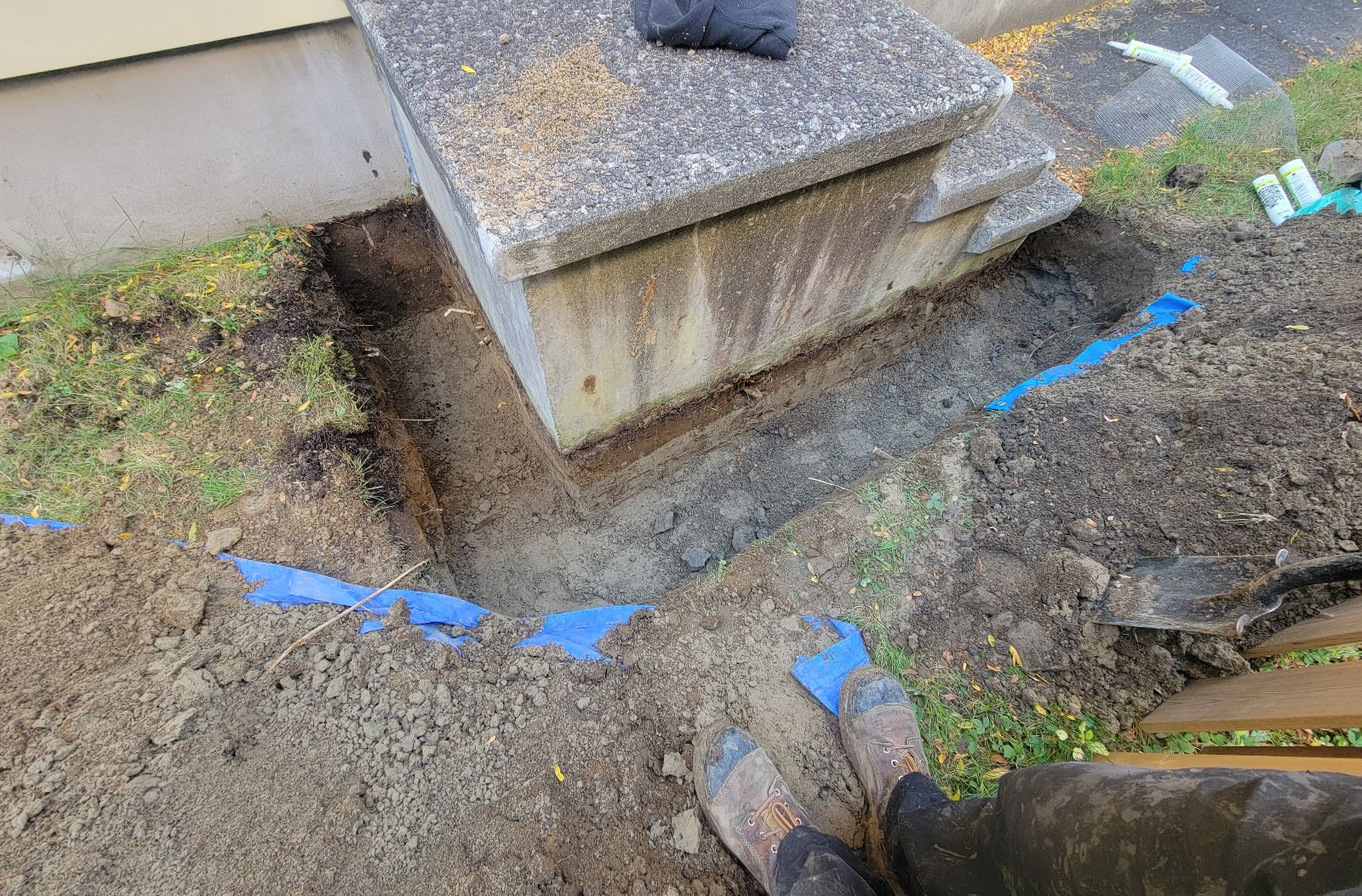
You may not see what is happening beneath your deck, balcony, or shed, but that hidden space can make an ideal den. Skunks choose these areas because they are dark, quiet, and protected from rain, snow, wind, and people. Soft ground beneath the structure may also make it easy for them to dig an entrance.
A nearby food source can make your property even more attractive. Garbage, compost, outdoor pet food, fallen fruit, and spilled seed may bring them into your yard. Once they find both food and shelter, they may return night after night or settle beneath the structure.
You should never reach into a den, block the opening, or try to remove one yourself. An adult or dependent young may still be hidden inside, even when the space seems quiet. At Skedaddle Humane Wildlife Control in Montreal, we inspect these hidden areas and complete the removal work for you. In this blog, we explain why these spaces are attractive, how to recognize an active den, and how professional removal protects your property.
How Do You Get Rid of Skunks Living Under a Deck?
Our trained wildlife professionals should inspect the den, determine what is inside, and create a humane removal plan. You should not approach the opening or try to force the skunk out. When threatened, it may spray or move deeper beneath the structure.
The entrance should never be sealed until a professional confirms that the den is empty. An adult may be resting inside during the day, or a mother may be away searching for food while her young remain behind. Closing the opening too soon could trap them or separate the family.
Skedaddle can manage the removal, cleanup, and long-term prevention work. When suitable, our one-way doors allow them to leave but prevent them from returning. We then confirm that the den is empty before securing the opening with durable exclusion materials.
Sheltered Spaces Provide a Safe Den
The space beneath a raised structure can offer nearly everything needed for a den. It may be only a few steps from your door, but it can still feel hidden and protected.
- Protection From Bad Weather: A deck, balcony, or shed creates a solid roof that blocks rain and snow. The enclosed space may also reduce cold wind during a Montreal winter. This protection makes the area more comfortable than an open part of the yard.
- Darkness and Privacy: These spaces receive little light, especially when the sides are covered by lattice, plants, or stored items. People rarely look or walk beneath them. That quiet setting gives a skunk a private place to sleep during the day.
- Protection From Disturbance: A low entrance can be difficult for people and pets to reach. The surrounding structure also blocks movement and noise from much of the yard. Once the den feels safe, these animals may continue using it for weeks or longer.
- Soft Ground for Digging: Soil beneath a structure often stays softer because it receives less foot traffic. A shallow space may need only a small amount of digging to become a useful den. An existing gap beside a foundation or support post can make entry even easier.
Decks and sheds do not need to be old or damaged to attract attention. Even a well-built structure may have enough open space beneath it. What looks like a harmless gap can lead to a much larger sheltered cavity.
Food Sources Encourage Repeat Visits
Shelter may bring a skunk into your yard, but nearby food can convince it to stay. A steady meal also gives it a reason to use the same route every night.
- Accessible Garbage: Food smells can escape from loose lids, damaged bags, and full garbage containers. A skunk may return after finding one easy meal near the home. If a protected den is close by, it does not need to travel far to feed.
- Compost Areas: Compost can release strong smells as food breaks down. Scraps near the surface may provide a simple nighttime meal. A compost area near a deck or shed can make both food and shelter available in one small space.
- Outdoor Pet Food: Food bowls left outside may attract visitors after dark. Even a small amount can teach them to check the same part of the yard again. Regular access may increase the chance that they settle beneath a nearby structure.
- Fallen Fruit and Garden Food: Fruit, vegetables, and other garden food lying on the ground are easy to reach. These sources can remain available when people are no longer active outside. A nearby den lets them return to shelter before daylight.
- Seed on the Ground: Seed can collect beneath outdoor feeders and spread across the soil. Although the feeder was placed for another purpose, the fallen food may attract a skunk. It can then begin exploring the deck, balcony, shed, or foundation for shelter.
Our professionals consider both the den and the conditions around it. Removal addresses the current problem, while prevention helps reduce the chance of another visit. You do not need to inspect the feeding or denning areas yourself.
Quiet Montreal Yards Can Support Denning
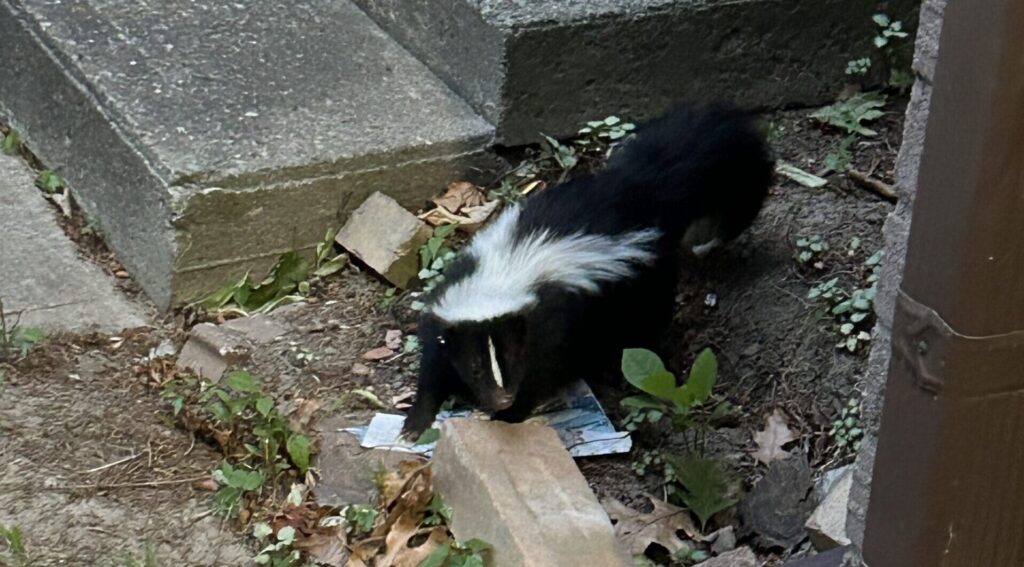
A property does not need to be large, rural, or close to a forest to provide a suitable den. Greater Montreal contains many connected yards and sheltered routes.
- Low Evening Activity: Most yards become quiet after people go indoors. This gives skunks time to search for food and explore possible shelter. A space that remains calm through the night may feel safe enough for regular use.
- Fences and Connected Properties: Fence lines, alleys, and rows of backyards create paths through residential areas. These routes allow them to move between several properties without crossing busy open spaces. One yard may provide food while another offers a den.
- Raised Urban Structures: Decks, balconies, porches, and sheds are common around Montreal homes. Many sit just high enough above the soil to create a protected cavity. A small opening along one edge may provide access to the full space underneath.
- Nearby Green Space: Parks, wooded strips, railway land, and river corridors can lead toward residential streets. These connected spaces make movement through developed areas easier. Your home can receive a visitor even when it is not beside a large natural area.
Montreal’s mix of older buildings, newer developments, shared yards, and outdoor structures creates many possible den sites. Dense neighbourhoods do not always discourage these animals. In some cases, buildings and fences provide more shelter than an open landscape.
Signs That a Den May Be Active
One nighttime sighting does not prove that a skunk lives beneath your structure. However, several signs near the same opening can make an active den more likely.
- A Strong, Lasting Odour: A smell that remains around one deck, balcony, or shed may point to regular activity. The odour can also enter the home through doors, windows, vents, or foundation gaps. Smell alone cannot show exactly where the den is located.
- A Dug Opening: You may notice a shallow hole where the ground meets the side of the structure. Fresh soil may appear outside the opening after digging. View the area from a safe distance and do not place your hand, a tool, or a camera inside.
- Tracks and Disturbed Soil: Repeated travel can flatten grass or create a worn path leading toward the den. Soil around the entrance may look moved or packed down. A professional can compare these signs with other evidence around the property.
- Regular Nighttime Movement: You may see one entering or leaving the same space around dusk or before sunrise. A skunk crossing the yard once may only be passing through. Repeated movement near one opening is a stronger sign that the space is being used.
- Sounds or Signs of Young: Soft movement or small sounds beneath the structure may suggest that a family is present. Young may remain hidden while their mother leaves to find food. Never reach under the structure or block the opening to test whether it is active.
You should also avoid standing near the entrance and waiting for movement. An adult returning to the den may feel trapped if people block its path. Skedaddle can inspect the space while keeping you away from the active area.
Why an Active Opening Must Not Be Sealed
An empty-looking entrance does not prove that the den is vacant. The adult may be resting farther beneath the structure or may have left to search for food. Activity can also be difficult to notice during the day.
The risk is even greater during the spring and early summer, when dependent young may be inside. A mother often leaves the den for short periods and returns later. Sealing the entrance while she is gone could separate her from the litter.
Trapped skunks may dig along the structure in an effort to escape. They could also spray beneath the deck or close to the foundation when they become stressed. The odour may then move into nearby living areas.
A professional must identify every active opening and determine whether adults or young remain inside. Removal must be completed before lasting exclusion work begins. This careful order protects the family while preventing a larger property problem.
How Seasonal Behaviour Affects Montreal Properties
Spring often brings denning activity because mothers need protected spaces for their young. A quiet cavity beneath a shed or deck can provide warmth and cover. The family may remain tied to that site until the young can travel safely.
During summer and fall, food searches may cover a wider area. Garbage, compost, garden food, and spilled seed can bring them into residential yards. A shelter found during these trips may later become a regular resting place.
Cold Montreal weather can increase the value of a protected den. Activity may slow during severe winter conditions, but quiet does not prove that the space is empty. Our professionals must check the site before any opening is secured.
Seasonal behaviour affects the timing and type of removal plan. Our team considers current activity, weather, and the possible presence of dependent young. You should leave the den undisturbed while that assessment takes place.
Skunk Removal and Prevention with Skedaddle
When a skunk moves beneath your deck, balcony, or shed, our professional wildlife team begins with a complete inspection. We locate the active entrance, examine the surrounding structure, and look for signs of dependent young. Our team also checks for other openings that may provide access to the same cavity. You do not need to approach the den or look beneath the structure.
We then create a humane removal plan based on the site and family situation. When suitable, our one-way doors allow the skunk to leave but prevent it from returning. We make sure dependent young are handled with care and reunited with their mother when required. Skedaddle does not use live trapping or relocation.
After confirming that the den is empty, we can address contaminated material and secure the opening. Our team uses durable exclusion materials while protecting the structure’s drainage and airflow. We also reinforce other vulnerable edges that could become new entrances. This complete approach helps stop another skunk from moving into the same space.
Frequently Asked Questions
How can you tell if a skunk is living under a deck?
You may notice a lasting odour, fresh digging, disturbed soil, tracks, or a worn path near the deck. Regular movement around the same opening after dark can also point to an active den. One sighting does not confirm that the space is occupied because the skunk may only be passing through. A professional inspection can determine whether the den is being used.
Will a skunk leave on its own?
A skunk may leave the den each night to look for food, but that does not mean it has moved away. It can return before daylight and remain hidden through most of the day. A mother may continue using the site while caring for young. The opening should remain untouched until a professional confirms that the space is empty.
Can a skunk spray beneath a house or deck?
Yes, a skunk may spray when it feels cornered, threatened, or unable to escape. Odour beneath a structure can move through vents, open windows, doors, and foundation gaps. The smell may remain in the area long after the event. Keeping people and pets away from the den reduces the chance of a defensive response.
How long will a skunk stay under a shed?
The length of the stay depends on shelter, food, weather, and whether dependent young are present. Some may use a space for a short rest, while others may remain for weeks or longer. A useful den can also be used again when the opening stays available. An inspection is the safest way to determine whether the shed has become an active den site.
Should the den opening be covered when the skunk leaves?
No, seeing an adult leave does not mean the den is empty. It may return after feeding, and dependent young could remain beneath the structure. Covering the entrance can separate the family or trap them inside. Our professionals must complete humane removal before the opening is secured.
Should homeowners clean a skunk den?
No, homeowners should not crawl beneath the structure or handle droppings, nesting material, or contaminated soil. Tight spaces may have poor airflow and can bring you too close to an active den. Disturbing the area could also cause a defensive spray. Our trained professionals have the equipment and methods needed to inspect and clean the space safely.
Do Not Let a Hidden Den Become a Lasting Problem
Skunks choose spaces beneath Montreal decks, balconies, and sheds because these areas provide shelter, darkness, soft soil, and protection from bad weather. Garbage, compost, outdoor food, and quiet yards can make the property even more attractive. One visit may be brief, but repeated activity near the same opening can point to an active den.
You should never approach the space, force the skunk out, or seal the entrance. An adult or dependent young may still be hidden inside, even when the area seems quiet. Blocking an occupied den can trap the family, lead to digging, or cause a defensive spray near your home.
At Skedaddle Humane Wildlife Control in Montreal, we can inspect the property, complete humane removal, clean affected areas, and protect the structure against another entry. Our team handles the physical work, so you do not need to place yourself near the den.
Contact us to schedule a professional assessment. You can request an estimate to learn more about skunk removal and long-term prevention for your Montreal property.

 Loading...