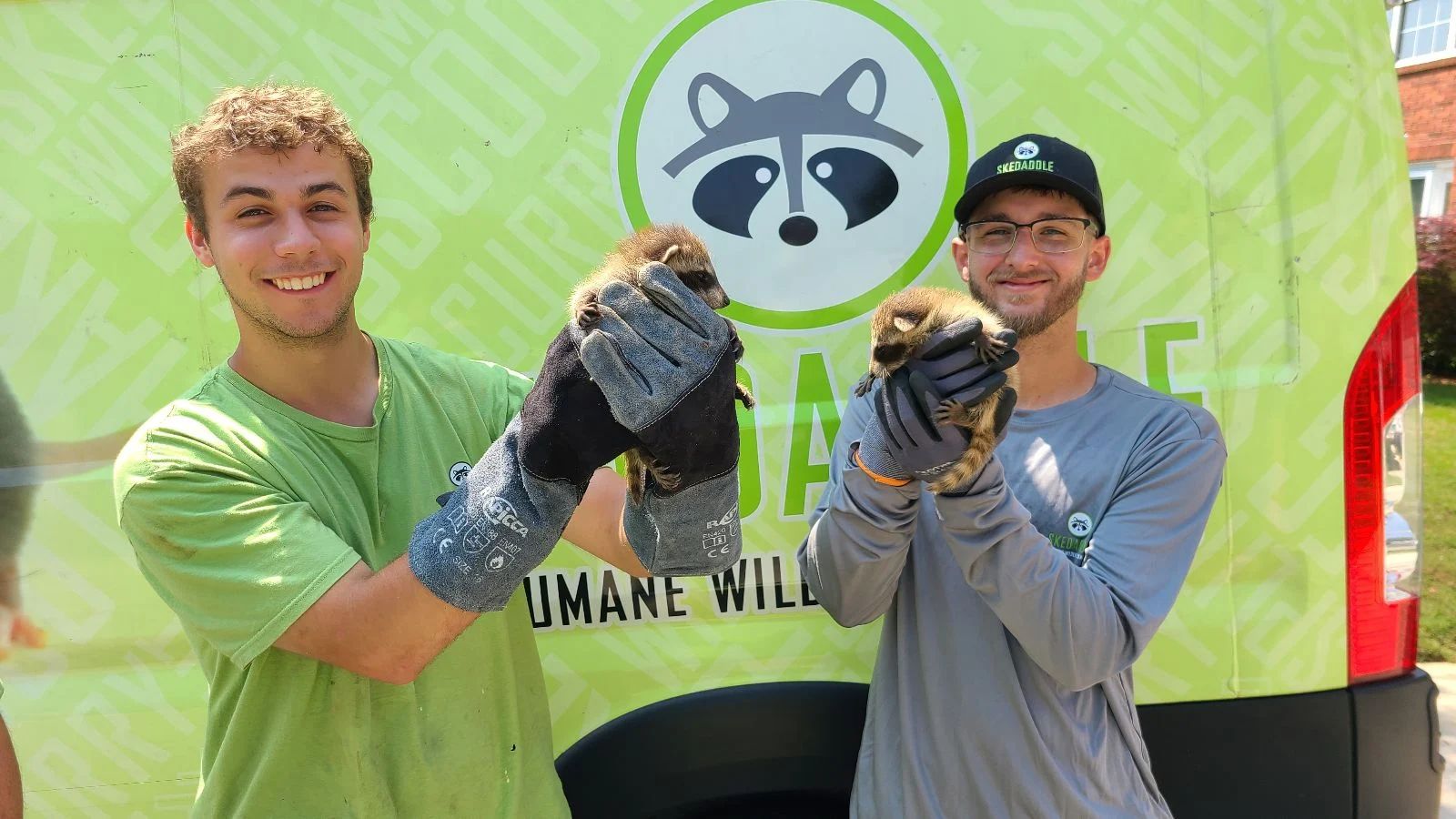
If you’ve ever heard thumping, scratching, or rustling noises in your attic at night, there’s a good chance you’re dealing with raccoons in Atlanta chimneys. These intelligent and nimble animals can cause more than just noise—they can damage structures, insulation, and even electrical wiring if left unchecked.
Raccoons are highly adaptable, and as North Atlanta neighborhoods expand, more homes are becoming targets. Understanding why they choose chimneys and roof vents, the risks involved, and how professional experts handle the situation can help protect your home safely and humanely.
Raccoon Behavior: Why They Target Homes
Raccoons are nocturnal animals with sharp problem-solving skills. They’re curious, agile climbers who can explore openings and reach rooflines with ease. Homes provide shelter, warmth, and easy access to potential food sources, which is why raccoons often investigate rooftops and attics.
These behaviors are natural, not intentional mischief. Raccoons’ dexterous paws allow them to manipulate objects, pry small openings, and navigate tight spaces. According to the Georgia Department of Natural Resources, raccoons can exert enough strength with their paws and teeth to open gaps as small as four inches, making chimneys and roof vents attractive entry points.
In urban areas like North Atlanta, this adaptability has increased raccoon activity around homes, making it essential to recognize the signs early.
Chimneys: A Common Entry Point
Chimneys are a favorite target because they provide a quiet, elevated space that mimics a tree hollow. They’re dark, sheltered, and usually untouched by humans—perfect for raccoons looking to rest or raise young.
Key reasons raccoons in Atlanta chimneys are common include:
- Safety and shelter: Chimneys give raccoons a secure place to stay away from predators.
- Seasonal activity: Fall and early winter are peak times as raccoons search for dens for the colder months.
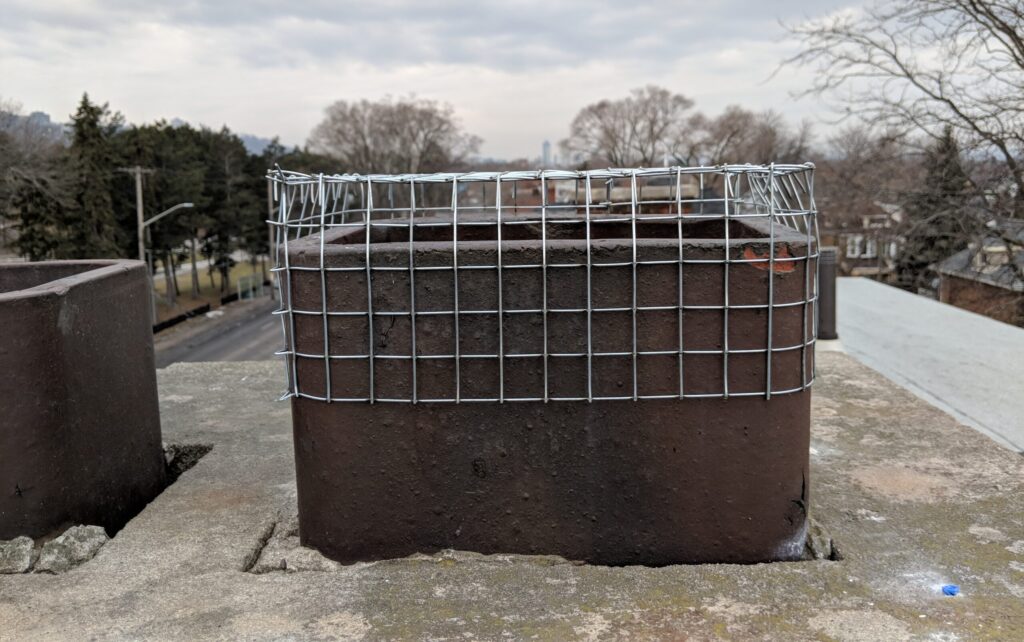
- Structural vulnerabilities: Missing chimney caps, damaged flue liners, or loose bricks make entry easier.
- Audible signs: Scratching, thumping, or squeaking sounds coming from the fireplace or chimney flue.
Studies show that about 30% of wildlife intrusion reports in urban areas involve chimneys or roof entry points, highlighting the popularity of this pathway.
Roof Vents: Another Access Point
While chimneys are obvious, roof vents can be overlooked but are equally vulnerable. Raccoons can widen small openings in vent screens using their paws and teeth, gaining access to attics.
Common spots include:
- Bathroom and kitchen vents
- Dryer vents
- Attic ventilation points
Raccoon roof vent damage often includes shredded insulation, scratched surfaces, and chewed metal or plastic screens. If left unchecked, this can compromise attic insulation and increase the risk of water damage or structural decay.
A study by the National Wildlife Control Operators Association found that 15% of raccoon-related home damage reports involve roof vents, making them an important area for prevention.
The Risks of Raccoons in Homes
Raccoons can cause a variety of problems beyond structural damage. Their presence inside a home brings health risks, property damage, and general stress to residents.
- Health hazards: Raccoons can carry raccoon roundworm (Baylisascaris), leptospirosis, and other zoonotic diseases. Contact with droppings or contaminated insulation increases the risk of illness.
- Structural damage: Chewed wood, damaged insulation, and compromised vents or chimney flues can be costly to repair.
- Electrical hazards: Attic wiring or vents can be chewed, creating potential fire risks.
- Noise disruption: Scratching, thumping, and movement at night can disturb sleep and overall comfort.
According to the U.S. Fire Administration, wildlife-related electrical damage accounts for an estimated 25,000 house fires annually, highlighting the importance of addressing intrusions promptly.
How Raccoons Enter Atlanta Homes
Understanding how raccoons enter Atlanta homes is the first step in prevention. Their intelligence and climbing ability allow them to exploit even small weaknesses in rooflines or vent systems.
Professionally, we see the following common entry points:
- Chimneys without secure caps or with damaged flue liners
- Roof vents with loose or weakened screens
- Overhanging tree branches providing easy access to rooftops
- Gaps in attic access points or soffits
At Skedaddle Humane Wildlife Control, we emphasize humane exclusion methods that prevent re-entry without harming the raccoons. One-way exit systems and reinforced barriers are used to safely remove animals and secure entry points permanently.
Preventing Chimney and Roof Vent Intrusions Humanely
Preventing raccoon intrusions is much more effective than dealing with repeated damage. Humane and professional measures focus on making homes less appealing while ensuring the animals remain unharmed.
We recommend the following approaches:
- Professional inspection: A thorough assessment of chimneys, roof vents, attic access, and rooflines to identify all weaknesses.
- Humane exclusion: One-way exit systems allow raccoons to leave the home safely and prevent re-entry.
- Structural reinforcement: Installing chimney caps, vent screens, and protective covers to block access.
- Sanitation and deterrence: Removing nesting debris, sealing attractants, and securing trash or pet food to reduce interest near the home.
- Ongoing maintenance: Regular checks of vents, rooflines, and overhanging trees to prevent new vulnerabilities.
By addressing both the immediate intrusions and potential vulnerabilities, we provide long-term protection that keeps both homeowners and raccoons safe.

Why Professional Help Matters
It may be tempting to try quick solutions, but raccoons are persistent and intelligent. Even small gaps or weak points can allow them back into a home. Professional wildlife experts, like us at Skedaddle North Atlanta, have the tools and experience to identify subtle signs of activity and secure every potential entry point effectively.
We also ensure that young raccoons are not left behind and that removal is done safely and humanely. Post-removal, repairs and cleaning restore homes to a secure, sanitary state, preventing further intrusions. Investing in professional help early can prevent costly repairs and reduce health risks associated with raccoon infestations.
A Safe, Humane Solution for Homeowners
Raccoons are a fascinating and essential part of North Atlanta’s wildlife, but when they break into chimneys and roof vents, they can create serious problems. By understanding their behavior and using humane, professional solutions, homeowners can protect their property while respecting wildlife.
At Skedaddle Humane Wildlife Control North Atlanta, we provide safe, effective, and lasting methods to keep raccoons out of homes. With preventive inspections, humane exclusions, and structural reinforcement, we help you maintain a safe, quiet, and raccoon-free home year-round.

 Loading...