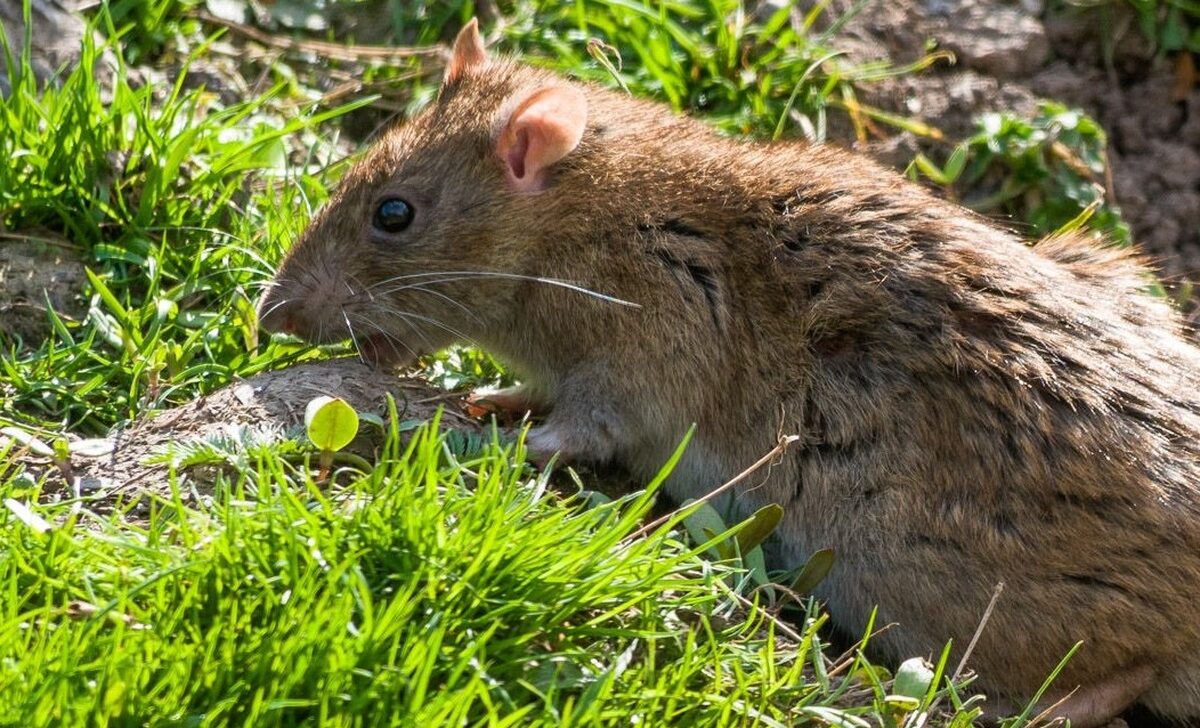
You could be supporting mice and rats without knowing it if seed regularly spills from your backyard bird feeder. Food that collects on the ground gives them a reason to return, especially when shelter sits nearby. A feeder does not automatically cause an infestation, but it can become one part of a larger problem around your property.
You may enjoy watching your feeding station without noticing what happens beneath it after dark. Seed can settle beside a fence, under a deck, or among thick plants. These protected spots may connect a regular food source with a shed, garage, or house. Repeated visits become more concerning when you also notice droppings, damaged packaging, indoor sounds, or activity near a building gap.
At Skedaddle Humane Wildlife Control in Oakville, we assess the whole property rather than assuming the feeder explains everything. Our team looks at accessible food, nearby shelter, travel routes, and possible entrances. You should not touch waste, disturb hidden spaces, or seal suspected openings yourself. The sections below explain how feeding areas can support activity and where professional inspection can help prevent an indoor problem.
Do Bird Feeders Attract Rats and Mice?
Yes, bird feeders can attract rats and mice when seed is within reach. They may eat food beneath the station without ever climbing onto the feeder. Even small amounts can become a useful food source when fresh seed arrives often. The concern grows when a protected resting place sits close to the feeding area.
However, your feeder may support activity that already exists rather than being the original cause. Garbage, compost, fallen garden produce, and accessible stored seed can also provide food. The supplied Wild Birds Unlimited reference stresses that the feeder should not receive all the blame when other attractants are present. Looking at one food source alone can leave important conditions overlooked.
You do not need to decide which source caused the problem before contacting us. Our team considers where food collects, where rodents find shelter, and how they move across the property. We also check whether those routes connect with building openings. That wider view helps us recommend work based on evidence rather than one sighting.
How Spilled Seed Creates a Steady Food Source
You may see only a few shells beneath the feeder while edible pieces remain tucked out of view. Seed can fall during feeding, spill during refilling, or escape from a damaged container. When that food keeps returning, the area may become a dependable stop.
- Discarded Seed on the Ground: Some parts of a seed mix may fall from the feeder as other pieces are selected. Edible grains and broken seed can then remain below the feeding station. A thin layer may be hard to notice against soil, leaves, or grass. Our assessment considers what is available on the ground, not just what remains inside the feeder.
- Food Hidden Beneath Nearby Cover: Spilled seed may collect beside garden edging, between deck boards, or near dense planting. These spaces can hold food where it is less visible from a window. Nearby cover may also make the feeding area easier to approach. You should leave any area with suspected droppings or nesting material undisturbed until it has been assessed.
- Fresh Food Added Regularly: Frequent refilling can replace food that was eaten or scattered the day before. This does not mean every refill causes an infestation, but it can support repeat visits. Mice and rats may include the station among several places where they find food. Our team looks at that ongoing supply alongside shelter and building access.
How Sheltered Routes Connect Feeders and Buildings
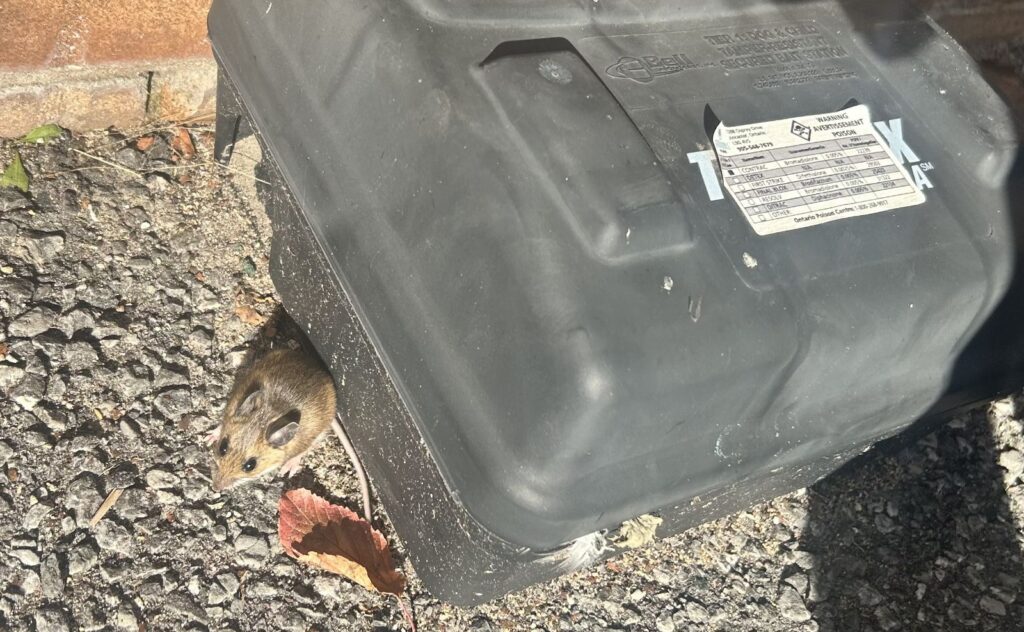
You may picture the feeder as a separate feature in the middle of the yard. In practice, nearby fences, decks, and planted borders can connect it with other protected spaces. Our inspection follows those connections to assess whether activity reaches the building.
- Fences and Dense Planting: Fence lines, hedges, and thick planted borders can provide cover along a travel route. A feeding area beside these features may sit close to a sheltered path. Rodents can move between food and resting places without crossing much open ground. The presence of a hedge alone does not prove a problem, so we compare it with other signs.
- Decks, Sheds, and Stored Materials: Spaces beneath decks or beside sheds may offer shelter near an accessible food source. Stored materials can also create gaps where activity stays out of view. A feeder close to these features may support visits that you rarely notice. Do not reach beneath a structure or move suspected nesting materials to investigate.
- Foundations and Exterior Walls: A protected route may continue from the yard toward the edge of your house or garage. Gaps around doors, vents, and utility openings can become possible access points. Movement along a wall does not confirm that anything has entered the building. We inspect the route and the structure before deciding whether removal or exclusion is needed.
Why Outdoor Feeding Can Become an Indoor Problem
Accessible food and nearby shelter can help activity continue around your property. A feeding station may supply one meal while garbage or stored seed supplies another. This means the feeder can contribute without being the only reason rodents remain nearby. A complete assessment must consider all of those conditions together.
A building opening can turn outdoor movement into an indoor concern. Gaps around utility lines, damaged vents, and poorly fitted doors may connect the yard with protected spaces. Cooler weather can increase the value of shelter, although entry may happen at other times too. Not every outdoor visitor moves inside, and one sighting cannot tell you whether your home is occupied.
Once indoor access exists, changing the feeding area may leave that route unresolved. Sounds behind a wall, damaged packaging in a garage, or repeated activity near an opening require closer attention. Our team checks whether evidence points to outdoor feeding, indoor shelter, or both. You should leave suspected entrances untouched until we assess what remains inside.
Signs That Activity Extends Beyond the Feeder
You should not assume that scattered seed means your home has an infestation. Concern grows when repeated movement appears alongside waste, damage, or indoor activity. Share signs you have already noticed without searching hidden spaces or approaching suspected resting areas.
- Repeated Movement Along the Same Route: Regular sightings beside a fence, deck, or foundation may show a connection between food and shelter. You might notice movement around the same corner or beneath the same structure. That pattern gives our team useful information about where to inspect. You do not need to follow these rodents or stay outside at night to confirm the route.
- Droppings or Chewed Seed Packaging: Droppings near a feeding area or damage to a stored seed bag may point to activity beyond loose seed. Packaging damage can also mean food is available inside a shed or garage. These signs should be assessed without handling the affected materials. Do not move bags, touch waste, or clean a suspected contaminated area yourself.
- Sounds or Damage Inside the Building: Scratching or gnawing behind walls can be more concerning than a sighting in the yard. Damaged food packages, chewed materials, or repeated movement near a gap may provide further evidence. Sounds can travel through framing, so the noise may not reveal the exact location. Our inspection helps identify the source and the access points that require attention.
Responsible Feeding Starts With a Property Assessment
Responsible feeding means considering what happens beneath and around the station, not only what goes into it. Seed choice, feeder design, placement, and other food sources may all affect access. Our team can identify the conditions that matter at your property and explain how they fit into a prevention plan.
- Seed Choice and Spillage: Suitable blends and shell-free options may reduce some discarded material beneath a feeder. However, edible pieces can still fall, and shell-free seed is still food for mice and rats. A product described as “no-mess” does not guarantee that the ground stays free of food. We consider actual spillage rather than assuming a different blend solves the whole issue.
- Feeder Design and Placement: Catch trays, suitable barriers, and feeder placement may affect how food is reached or scattered. Their usefulness depends on the setup and the surrounding structures. A barrier on the pole does not address seed that already falls below it. These options should support a wider prevention plan when there are signs of shelter or building entry.
- Stored Seed and Other Food Sources: An accessible seed bag may provide more food than the feeding station itself. Garbage, compost, and fallen garden produce can also support continued visits. Our assessment looks at these sources together so the feeder does not receive attention while another supply remains overlooked. Any area with suspected contamination should be left for professional assessment and cleanup.
Changes to a feeding setup can reduce some opportunities, but they cannot confirm that a building is empty. Our team separates food-access concerns from occupied spaces and entry points. This helps you understand which changes support prevention and which conditions require professional removal or exclusion.
Feeder-Related Activity Around Oakville Homes
Oakville properties often combine houses with decks, garages, sheds, fences, and established planting. These features can place food and sheltered spaces close together. A feeder beside a deck may have a different risk pattern from one with little cover nearby. We assess the arrangement at your home rather than treating every yard the same way.
Seasonal conditions can also change how spilled seed collects and how visible it remains. Fallen leaves may hide food and signs of movement beneath the station. Snow can cover older debris while sheltered corners remain accessible. Your view from a window may therefore show only part of what is happening around the feeding area.
The condition of the building matters as much as the yard. Older materials, additions, and spaces around utility lines may leave gaps that need attention. Newer homes can also have vulnerable openings, so age alone does not tell us whether access exists. Our team checks how outdoor activity connects with the structure before recommending prevention work.
Rodent Removal and Prevention: Everything to Know
Our process begins with an inspection of the property and the signs you have already noticed. We assess the feeding area, nearby shelter, stored food locations, and possible routes toward the building. Inside and outside evidence helps us determine whether activity remains in the yard or includes occupied spaces. You do not need to search, collect samples, or handle materials before calling us.
When removal and exclusion are needed, we plan the work around the conditions found. Our one-way doors allow wildlife to leave but prevent re-entry where this method is suitable. We assess occupied areas before securing access points so entrances are not closed too soon. The goal is to address the full access problem rather than only the most visible opening.
Our team secures vulnerable areas with durable exclusion materials. We also assess whether droppings, damaged insulation, or other affected materials need professional cleanup. Food-access concerns form another part of the prevention discussion. This gives you a plan that considers both the building and the conditions around it.
Frequently Asked Questions
Can mice and rats eat seed without reaching the feeder?
Yes, they can feed on spilled seed without climbing onto the station. Food on the ground may remain available even when the feeder has a barrier or sits well above it. That is why height alone does not resolve every concern. Our assessment includes the area below and nearby sheltered spaces.
Does shell-free seed prevent all activity?
No, shell-free seed does not prevent all visits from mice and rats. It may reduce shell debris, but edible pieces can still fall and remain accessible. Other food sources or nearby shelter may also support activity after a seed change. The whole property should be considered when signs continue.
Can stored seed attract mice and rats inside a garage?
Yes, stored seed can provide food when the contents are accessible. Chewed packaging, loose seed, or droppings near a bag may suggest that the storage area needs attention. These signs do not tell you every entry point or how much activity exists. Leave affected materials untouched and contact our team for an assessment.
Does one sighting mean there is a nest nearby?
No, one sighting does not confirm a nearby nest or reveal the size of a population. Rodents may travel between several food sources and sheltered places. Repeated movement and other signs can help our team assess whether activity is ongoing. You should not search beneath decks or inside hidden spaces to find a nest yourself.
Will changing the feeder solve an indoor infestation?
Changing the feeder alone will not resolve occupied spaces or existing building openings. Reducing accessible food may support prevention, but it does not confirm that anything inside has left. Indoor sounds, waste, and damage still require professional assessment. Our plan addresses removal, entry points, and cleanup needs based on what we find.
Keep the Feeding Area From Supporting an Infestation
You can enjoy a backyard feeding station while recognizing that spilled seed may support unwanted activity. The concern becomes greater when dependable food sits close to shelter and protected routes. A feeder may contribute to the problem without being its only cause. Looking at the whole property helps identify what needs attention.
Repeated sightings, damaged seed packaging, droppings, indoor sounds, and activity near building gaps deserve a professional assessment. You should not touch waste, disturb sheltered spaces, or seal suspected entrances. Reducing food access cannot replace checking whether the building is occupied. Inspection should guide the removal, cleanup, and prevention work.
At Skedaddle Humane Wildlife Control in Oakville, we assess food sources, travel routes, and possible building entry. Our team provides humane removal where needed, uses one-way doors when suitable, and secures vulnerable openings. We also identify affected areas that require professional cleanup so you can leave the work to us. Contact us to schedule a professional assessment or request an estimate to learn more.

 Loading...