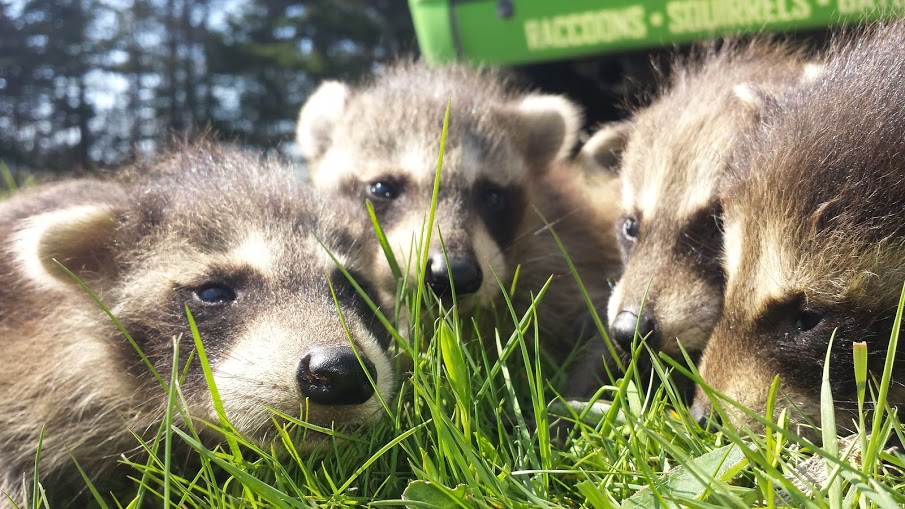
Living in the Okanagan means enjoying beautiful landscapes, abundant nature, and close proximity to wildlife. While this connection to the outdoors is part of what makes the region so appealing, it also means that encounters between wildlife and pets are more common than many homeowners expect. Curious animals exploring yards, searching for food, or seeking shelter can quickly create situations that put pets at risk.
For pet owners, even a brief interaction with wildlife can lead to stress, injury, or exposure to harmful conditions. That’s why taking a proactive approach to prevention is so important. By understanding what attracts wildlife and how to reduce those attractants, homeowners can create a safer environment for their pets without disrupting the natural balance outside.
At Skedaddle Humane Wildlife Control, we focus on helping families protect what matters most through humane, effective strategies that keep wildlife at a safe distance. With the right approach, it’s possible to enjoy the beauty of the Okanagan while ensuring your pets stay safe and secure at home.
How to Keep Wild Animals Away from Your House?
 Wildlife is often drawn to residential properties for simple reasons: easy access to food, safe shelter, and quiet places to nest. In the Okanagan, where natural habitats and neighbourhoods often overlap, even small attractants around your home can invite unwanted animal activity. Taking proactive steps to reduce these attractants is key to protecting both your property and your pets.
One of the most important measures is managing food sources. Garbage bins should be securely closed and stored in a way that prevents animals from accessing them. Pet food should never be left outside unattended, and fallen fruit, compost, or leftovers in the yard should be cleaned up regularly. These small details can make a significant difference in whether wildlife sees your property as a reliable food source.
Your yard’s condition also plays a major role. Overgrown shrubs, woodpiles, and cluttered areas can create ideal hiding and nesting spots. Keeping landscaping well-maintained and eliminating potential shelter areas helps make your property less appealing. Similarly, addressing structural vulnerabilities, such as gaps along the roofline, openings around vents, or spaces beneath decks, can prevent animals from finding their way into protected areas of your home.
While these steps are essential, long-term prevention requires a thorough and strategic approach. At Skedaddle Humane Wildlife Control, we take a comprehensive view of your property to identify risk factors and implement humane solutions that keep wildlife out for good. By focusing on prevention rather than reaction, we help create a safer environment where pets can enjoy the outdoors without unnecessary risk.
Common Wildlife Encounters That Put Pets at Risk
In the Okanagan, it’s not unusual for wildlife to move through residential areas, especially in neighbourhoods close to green spaces, orchards, or water sources. Understanding which animals you’re most likely to encounter, and when, can help you better protect your pets.
- Raccoons: Active mostly at night, raccoons are often drawn to yards with accessible food or shelter. If a pet approaches too closely, they may react defensively.
- Skunks: Frequently found in both urban and rural settings, skunks will spray when they feel threatened. Curious pets that wander too close are at high risk of triggering this response.
- Coyotes: Most active during early morning and evening hours, coyotes may travel through neighbourhoods while hunting. Small pets can be especially vulnerable if left unattended outdoors.
- Squirrels: Though commonly seen, squirrels can become territorial when nesting nearby. Pets that chase or disturb them may provoke a defensive reaction.
- Birds of prey: In some areas, larger birds may pose a risk to very small pets, particularly in open yards without supervision.
- Higher-risk situations include:
- Pets spending time outside unsupervised, especially at dawn or dusk
- Homes located near wooded areas, ravines, or orchards
- Yards with food sources like fallen fruit, garbage, or outdoor pet food
- Pets that tend to chase or investigate wildlife
Being aware of these common encounters is an important first step. If wildlife is regularly appearing on your property, it’s often a sign that something is attracting them, something that should be addressed to better protect your pets.
Health Risks Wildlife Can Pose to Pets
When wildlife and pets come into close contact, the concern isn’t only physical encounters; it can also be about what’s left behind in shared outdoor spaces. Even without direct interaction, wildlife activity around a property can introduce health risks that pet owners may not immediately notice.
- Parasites: Wildlife can carry fleas, ticks, and other parasites that may spread into yards or be picked up by pets during outdoor time.
- Diseases: Certain animals can carry illnesses that are transmissible through saliva, waste, or contaminated surfaces.
- Contaminated outdoor areas: Spaces where wildlife has been active, such as under decks, along fence lines, or in gardens, can become unsafe for pets to explore.
- Water and food contamination: Outdoor pet bowls, bird baths, or spilled pet food can become exposed to wildlife, creating a potential source of illness.
- Indirect exposure: Even if pets don’t directly encounter wildlife, sniffing or investigating areas where animals have travelled can still pose risks.
Maintaining a clean, secure outdoor environment is an important part of reducing these hazards. At Skedaddle Humane Wildlife Control, we help homeowners identify where wildlife activity is occurring and address the underlying causes, so pets can safely enjoy their space without unnecessary exposure to health risks.
Signs Wildlife May Be Too Close to Your Home
Wildlife activity is not always obvious at first. In many cases, pets and subtle changes around your property are the first indicators that animals are nearby or attempting to access your home. Recognizing these early signs can help prevent more serious issues from developing.
- Unusual pet behaviour: Pets may bark, whine, stare at specific areas, or become unusually alert when wildlife is nearby. Some may repeatedly avoid certain parts of the yard or become fixated on noises you cannot hear.
- Noises in or around the home: Scratching, scurrying, or movement sounds coming from walls, attics, sheds, or beneath decks often indicate animal activity nearby.
- Damage to exterior areas: Chewed wood, torn vents, disturbed insulation, or displaced materials around the home can suggest wildlife is attempting to gain entry.
- Tracks, droppings, or markings: Signs such as footprints, droppings, or rub marks along fences, walls, or near entry points are strong indicators of regular wildlife movement.
- Unusual odours: Persistent or unexplained smells around the home or yard can sometimes signal hidden wildlife activity.
- Increased activity at certain times: Repeated sightings or sounds at dawn, dusk, or overnight often suggest established wildlife movement patterns.
When any of these signs are present, it is important to take them seriously. Early intervention helps prevent animals from settling in or becoming more difficult to manage. At Skedaddle Humane Wildlife Control, we assess these situations carefully to determine how wildlife is interacting with a property and develop humane, long-term solutions to keep homes and pets protected.
Safe Outdoor Habits for Pet Owners
Creating a safer outdoor routine for pets is one of the most effective ways to reduce the chances of unwanted wildlife encounters. In the Okanagan, where natural spaces and residential areas are closely connected, small adjustments to daily habits can make a meaningful difference in keeping pets protected.
- Supervise outdoor time: Pets should be monitored whenever they are outside, especially in the early morning or evening when wildlife is more active.
- Use secure enclosures or leashes: Even in fenced yards, supervision is important. Secure enclosures or leash use adds an extra layer of protection during outdoor time.
- Avoid high-risk areas: Keep pets away from wooded edges, ravines, orchards, or areas where wildlife activity has been noticed.
- Maintain a consistent routine: Bringing pets indoors at night reduces the likelihood of unexpected encounters.
- Remove attractants from outdoor spaces: Ensure there is no food left outside and keep yards clear of anything that could draw wildlife in.
- Stay alert to changes in behaviour: If pets begin reacting to certain areas of the yard, it may be worth reassessing what is attracting their attention.
While these habits help reduce risk, they work best alongside a broader prevention strategy. At Skedaddle Humane Wildlife Control, we focus on identifying and addressing the environmental factors that bring wildlife close to homes in the first place, helping create safer outdoor spaces for both pets and families.
Why Professional Wildlife Prevention Matters
 While there are many steps homeowners can take to reduce wildlife activity around their property, long-term protection often requires a deeper understanding of animal behaviour and how homes are being used by wildlife. In many cases, recurring visits or subtle signs of activity indicate that something on the property is still attracting animals or allowing them to explore too closely.
Wildlife situations can also be more complex than they appear. Animals are resourceful and persistent, and they often find access points that are not immediately obvious. Without a full property assessment, it can be easy to miss vulnerable areas that continue to invite repeated activity.
This is where professional prevention plays an important role. A thorough approach focuses on identifying why wildlife is present in the first place, not just responding to the signs they leave behind. By addressing these root causes, it becomes possible to reduce the likelihood of future encounters and create a more secure environment for pets.
At Skedaddle Humane Wildlife Control, we take a prevention-first approach that focuses on long-term solutions. Our work involves carefully assessing each property, identifying entry points and attractants, and implementing humane strategies that help keep wildlife from returning. The goal is not only to resolve current concerns but to help ensure pets can safely enjoy their home environment moving forward.
Keeping Pets Safe in a Wildlife-Friendly Environment
Living in the Okanagan means sharing space with wildlife, but that doesn’t mean your pets need to be at risk. With the right awareness and consistent prevention habits, you can significantly reduce the chances of unwanted encounters around your home and create a safer outdoor environment for your animals.
Small changes like securing food sources, maintaining your yard, and supervising outdoor time all add up. When combined with a clear understanding of wildlife behaviour, these steps help protect both pets and property in a meaningful way.
When wildlife activity becomes persistent or concerning, we at Skedaddle Humane Wildlife Control are here to help with humane, long-term solutions designed to keep your home secure and your pets safe.

 Loading...







