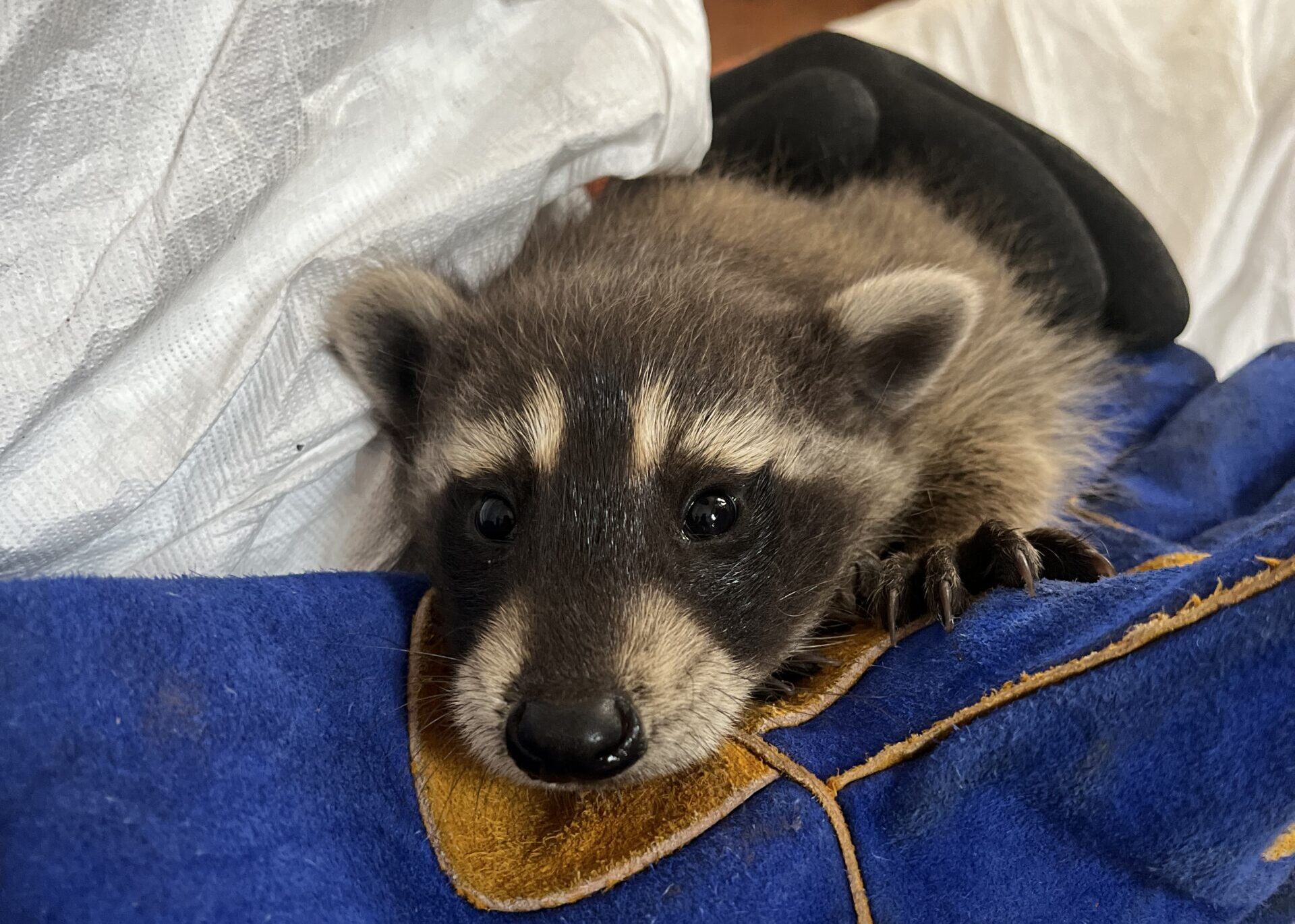
You should never approach a raccoon in distress. It may seem like the right thing to do, but it can quickly turn into a dangerous situation. A distressed raccoon can carry disease, react without warning, and behave in ways that are hard to predict. What looks calm or harmless on the surface is often a sign that something is wrong.
In many cases, unusual behaviour is linked to illness, injury, or fear. A raccoon that is active during the day, moving slowly, or making strange sounds may not be safe to be around. These signs can be easy to misread, especially if it appears weak or in need of help. Getting too close can lead to serious health risks or physical injury.
It is important to keep a safe distance and let our professionals handle the situation properly. At Skedaddle Humane Wildlife Control in Hamilton, we are trained to deal with these situations safely and effectively. In this blog, you will learn why you should never approach a raccoon in distress, what warning signs to look for, and how we handle removal and prevention the right way.
What Do Raccoons Do When Stressed?
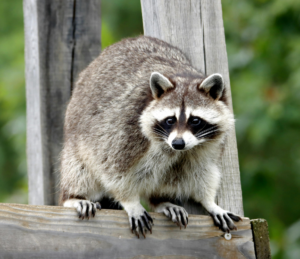 When a raccoon is stressed, it may act in ways that seem unusual or confusing. You might notice slow movement, loud noises, or behaviour that seems calm but is actually a warning sign. Stress changes how they react to people and their surroundings.
They may freeze, stagger, or appear disoriented. In other cases, they may hiss, growl, or make sharp vocal sounds. These reactions are signs that they feel threatened or unsafe.
You should never assume calm behaviour means it is safe to approach. A stressed raccoon can switch quickly from stillness to aggression. This is why keeping your distance is always the safest choice.
High Risk of Rabies Transmission
You are putting yourself at serious risk when you get close to a raccoon in distress. Rabies is one of the biggest dangers in these situations and can be very serious if not treated right away. The risk is not always easy to see, especially when the raccoon does not look aggressive. Even a small amount of contact can lead to major health problems.
These risks can happen faster than you think. What seems like a calm or weak raccoon may actually be very dangerous. That is why keeping your distance is the safest choice. The following points explain why this risk should never be ignored:
- Rabies Risk: Rabies is one of the most serious diseases linked to raccoons. It affects the brain and nervous system and can be fatal without quick treatment. A raccoon that looks calm, confused, or slow may actually be sick. This makes it very dangerous to approach, even if it seems harmless.
- Saliva Exposure: Rabies spreads through saliva, which can enter the body through bites, scratches, or open skin. Even a small amount of contact can be enough to cause infection. This kind of exposure is not always obvious right away. That is why avoiding all contact is so important.
- Misleading Behaviour: A distressed raccoon may not act aggressive at first. It may appear weak, slow, or even calm. This can give a false sense of safety and lead people to get too close. By the time it reacts, the situation can become dangerous very quickly.
Diseases and Health Risks
You are not just dealing with one health risk when a raccoon is in distress. There are several diseases and harmful parasites that can be present at the same time. These risks can spread through droppings, urine, or contaminated surfaces without you even noticing. Even being near the wrong area can expose you to serious health problems.
These health risks are not always easy to see or understand right away. What looks like a simple mess or small contact can carry hidden dangers. That is why it is important to stay back and let our trained professionals handle the situation safely. The following risks explain why keeping your distance matters:
- Roundworm Exposure: Raccoon droppings can carry harmful roundworm eggs. These eggs can spread through soil, dust, or nearby surfaces. If they are accidentally ingested, they can cause serious illness and even long-term health issues. This is why cleanup must always be handled by our trained professionals.
- Leptospirosis Risk: This bacteria can be found in urine or areas that have been contaminated. It can enter the body through small cuts or contact with infected surfaces. Symptoms can include fever, headaches, and more serious health problems. Avoiding these areas is the safest way to prevent infection.
- Hidden Contamination: You may not always see where contamination exists. It can be left behind on surfaces, ground areas, or entry points around your home. This makes the risk much harder to detect on your own. Our professional handling ensures the area is cleaned and made safe properly.
It Can Harm the Raccoon
You may think you are helping by getting close, but it can actually make things worse. Human contact can increase stress and cause the raccoon to react in ways that are harmful to both of you. Even small interactions can lead to bigger problems. What feels like help can quickly turn into harm.
These situations often do not end the way people expect. The raccoon may become more stressed, or the situation may require further action by authorities. This can lead to outcomes that could have been avoided. The following points explain why distance is better for everyone:
- Unnecessary Stress: A distressed raccoon is already dealing with fear, injury, or illness. Getting close adds more pressure and can make it panic. This may cause defensive behaviour or sudden reactions. Keeping your distance helps reduce stress and keeps the situation calmer.
- Risk of Euthanasia: If contact occurs, the raccoon may need to be tested for disease. This often means it must be euthanized to complete testing. What started as an attempt to help can end in harm. Avoiding contact helps prevent this outcome.
- Separating Mothers and Young: You may think a baby is alone, but the mother is often nearby. Removing or disturbing it can break that connection. This can leave the young without care or protection. It is always best to leave the situation as it is and call our professionals.
Signs of a Distressed Raccoon
You may not always recognize when a raccoon is in distress right away. The signs can be subtle and easy to miss at first. Sometimes the behaviour may seem normal, especially if you do not see wildlife often. Knowing what to look for helps you respond safely and avoid getting too close.
Unusual daytime activity is one of the most common signs. While it can sometimes be normal, it may also point to illness or injury. You might notice slow movement, poor balance, or a lack of awareness. These signs suggest that something is not right and should not be ignored.
You may also hear loud vocal sounds like growling, chattering, or distress calls. In some cases, the raccoon may move in circles or seem confused. These behaviours can signal serious health issues or stress. When you notice these signs, keeping your distance is always the safest choice.
Raccoon Removal With Our Team
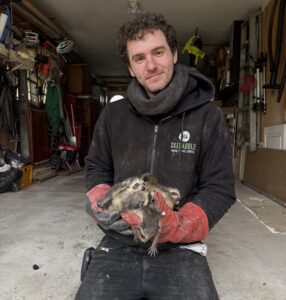
You do not need to deal with a raccoon problem on your own. Situations like this require careful handling and the right approach. Our team at Skedaddle focuses on safe and complete solutions that protect your home. We make sure the problem is handled properly from start to finish.
We begin with a full inspection of your property. This allows us to find entry points and understand how the raccoon is using the space. Some areas may not be obvious at first, which is why a detailed check is important. Once everything is identified, we create a clear and effective plan.
We use one-way doors that allow raccoons to leave safely but not return. This method works with their natural behaviour and avoids harm. After the space is fully cleared, we seal all entry points using strong materials. This ensures your home stays protected long after the problem is gone.
Hamilton Homes and Wildlife Activity
You may notice more wildlife activity in Hamilton during certain times of the year. Warmer weather increases movement, feeding, and nesting behaviour. This often brings raccoons closer to homes and neighbourhoods. As activity increases, so does the chance of interaction.
Homes can provide easy access to shelter and food. Rooflines, decks, vents, and small gaps can all become entry points. These areas are often hidden or overlooked, especially in older homes. Over time, even a small opening can turn into a larger problem.
Urban environments create more overlap between wildlife and residential spaces. Parks, trees, and food sources are often close to homes. This makes it easier for raccoons to move between natural and built areas. Taking action early helps reduce risk and keeps your home protected.
Frequently Asked Questions
Are raccoons dangerous when distressed?
Yes, they can be dangerous when distressed. Fear and illness can change their behaviour quickly and make them more aggressive. Even if they seem calm, they may react suddenly if they feel threatened. Keeping your distance helps reduce the risk of injury.
Can you help a raccoon in distress?
You should not try to help it directly. Getting close can put you at risk of bites, scratches, or disease. The safest option is to call our professionals who are trained to handle the situation. We have the tools and experience to manage it safely.
Why do raccoons act strangely when stressed?
Stress can affect their movement and behaviour. They may appear confused, slow, or unusually active. These changes are often linked to fear, injury, or illness. It is important not to misread these signs as safe behaviour.
What should you do if you see one in distress?
You should keep a safe distance and avoid any contact. Do not try to move, feed, or touch it. The best step is to contact our professional team to assess the situation. This keeps both you and the raccoon safe.
Don’t Let a Risky Situation Get Worse
You may feel the urge to help when you see a raccoon in distress, but getting close can lead to serious problems. What seems like a small situation can quickly turn into a health risk or injury. Acting the wrong way can also make things worse for the raccoon itself.
You need to remember that unusual behaviour often signals stress, illness, or danger. Daytime activity, slow movement, or strange sounds are all warning signs. These situations require distance, not direct action. Keeping space protects both you and your property.
We provide safe and complete solutions at Skedaddle Humane Wildlife Control in Hamilton. Our team handles removal, sealing, and prevention using proven methods like one-way doors. You can request an estimate today to make sure your home stays clean, secure, and protected.

 Loading...







