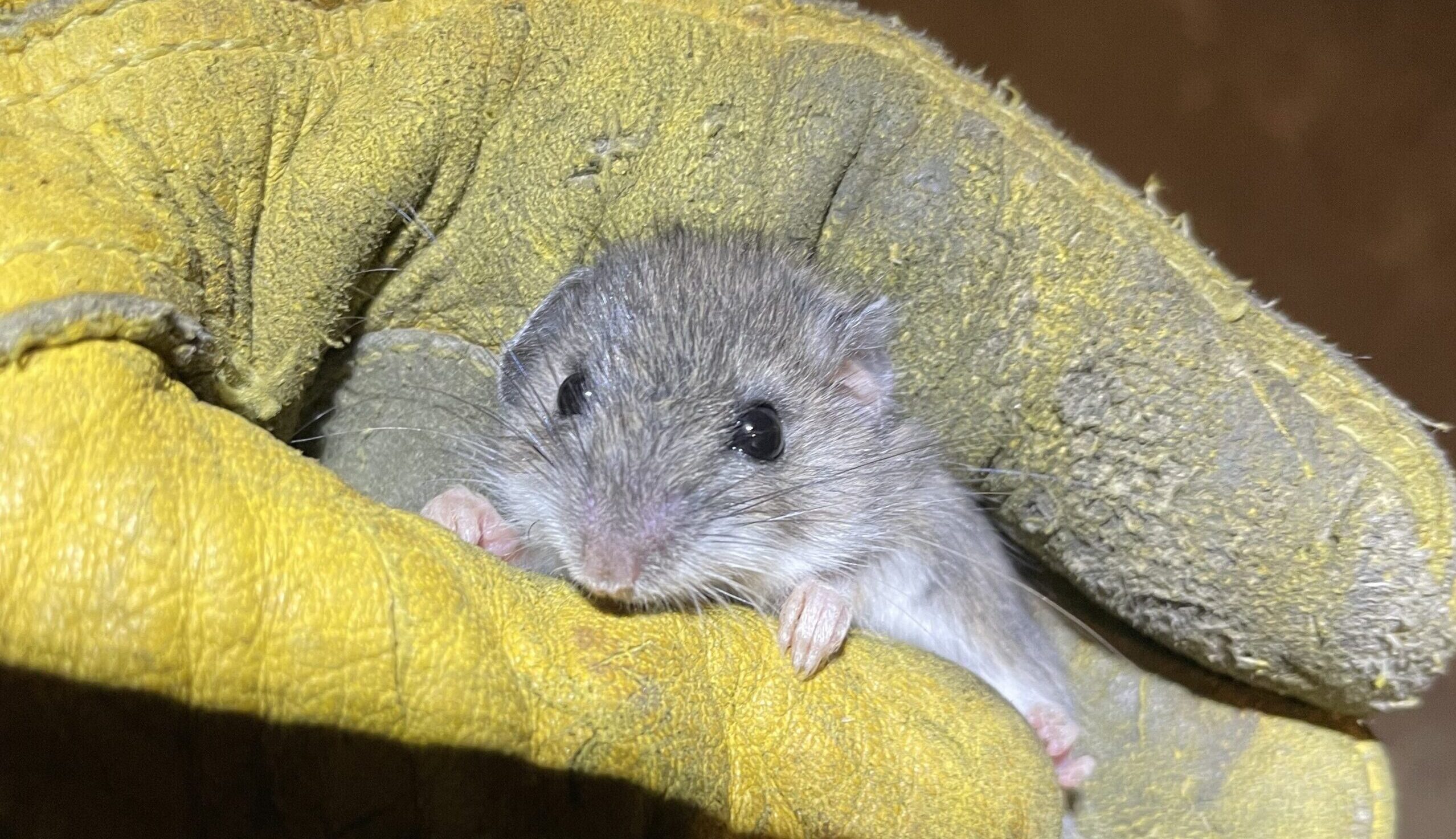
On Canada Day 2026, Ottawa got hit with record rainfall that flooded thousands of basements across the city. You may have spent the days after dealing with water damage, ruined belongings, and cleanup. But there is another problem that many Ottawa homeowners are not thinking about. One that is smaller, faster, and much harder to spot. When floodwaters move through a neighbourhood, they do not just damage buildings. They also flush rodents out of their burrows and send them looking for dry ground. That dry ground is often your home.
Yes, flooding creates new ways for mice and rats to get into your home. Floodwater damages foundation materials, washes away soil around the base of your home, exposes gaps around basement windows and drains, and opens up holes around utility lines that were previously sealed. These animals only need a gap the size of a dime to get inside, and a flood can create dozens of those gaps overnight. While you are focused on drying out your basement, these animals may already be moving in through the damage the water left behind.
At Skedaddle Humane Wildlife Control in Ottawa, we work with homeowners across the city every season. After major weather events, we always see more rodent activity inside homes. In this blog, you will learn exactly how flooding creates new entry points for these animals, what signs to watch for during cleanup, and why calling our team for a post-flood inspection is one of the most important steps you can take.
What Attracts Rats to a Home?
Food, water, and shelter are the three things that pull these rodents toward homes. A flooded neighbourhood provides all three at once. Floodwater carries food scraps from drains and gutters, standing water gives them something to drink, and losing their outdoor burrows forces them to look for shelter inside nearby structures. A home that had no history of rodents can become a target within days of a flood.
Warmth is another big draw. After being pushed out by floodwater, these animals are wet, cold, and stressed. The inside of a home, even a partially flooded basement, is far warmer and drier than anything outdoors after a major storm. They follow scents, air movement through gaps, and the smell of food or organic material to find their way in. A basement that is drying out after a flood gives off warm, humid air that rodents can detect from a distance.
After Ottawa’s Canada Day flooding, the conditions in affected neighbourhoods were ideal for rodents to move into homes. Outdoor burrow systems were flooded out or completely collapsed. Large numbers of displaced animals were moving through residential areas at the same time that flood damage was creating new entry points across thousands of properties. If your home was flooded or you are in an affected neighbourhood, a professional inspection is urgent, not something to put off.
Disturbed Rodent Burrows
Flooding does not just damage your home, it destroys the places rodents were living before the flood. Here is what happens to displaced animals after a flood:
- Floodwater Collapses and Fills Underground Burrow Systems: Rodents build burrow networks in the soil around foundations, under decks, and along drainage areas. When floodwater soaks the soil, those burrows collapse or fill with water. Rodents inside have seconds to get out. Once above ground, they are exposed and moving fast and the nearest dry, enclosed structure becomes their target. A flooded yard pushes the local rodent population right toward your home all at the same time.
- Displaced Rodents Are More Aggressive About Finding Entry Points: Under normal conditions, rodents are careful and slow to explore new spaces. When pushed out by a flood, that caution disappears. They move faster, test more surfaces, and push harder through gaps they might have otherwise left alone. A gap that an animal would normally pass by can become an active entry point when it is wet, cold, and desperate. Post-flood entry happens much faster than the typical seasonal rodent situation.
- Flooded Areas Pull Rodents In From a Much Wider Area: The problem is not just the animals that were living on your property. Flooding pushes animals from a much wider area into the same zone of dry structures. Neighbouring yards, parks, green spaces, and drainage corridors all release their rodent populations at the same time. Your home is suddenly competing with far more rodents than just the few that were living nearby.
Damaged Foundation Materials
Flooding does more to your foundation than most homeowners realize during cleanup. Here is what water damage to foundation materials means for rodent entry:
- Saturated Soil Shifts and Opens Gaps Along the Foundation Wall: When the soil around your foundation gets fully soaked, it shifts, compresses, and in some cases pulls away from the wall. That movement opens gaps along the base of the foundation wall that were not there before the flood. These gaps may be small, just a centimetre or two, but that is more than enough for mice and young rats to squeeze through. Gaps at soil level are some of the hardest to spot during cleanup because they are often filled with mud or debris.
- Mortar and Masonry Crack Under Water Pressure: Older Ottawa homes with stone or brick foundations are especially vulnerable. Water pressure against the outside of the foundation wall can crack mortar joints and loosen masonry, creating gaps that did not exist before the flood. Those cracks connect the outside of the foundation to the basement interior. Flood-related foundation cracking often shows up in the days after a flood, not during it, as the structure dries and settles.
- Flood Debris Hides New Entry Points During Cleanup: Post-flood rodent entry is so common partly because the new entry points created by the flood are often buried under mud, debris, and displaced materials during cleanup. Everyone is focused on getting the water out and drying things off, not checking the base of the foundation for new gaps. By the time the property is cleaned up, these animals may have been using those hidden openings for days. A professional exterior inspection is the only reliable way to find what the flood created.
Exposed Basement Windows and Drains
Basement windows and floor drains are two of the most commonly affected entry points after a flood. Both sit at or below ground level, which means they take the full force of floodwater and are more vulnerable than most people expect.
Basement window wells that collected debris and standing water during the flood often end up with gaps around the window frame. Water pressure can push against the seal around the frame and leave a small opening that these rodents can detect and follow. A window that was well-sealed before the flood may now have just enough of a gap to let something in, not obvious to a homeowner, but easy for an animal with a strong sense of smell to find.
Floor drains in Ottawa basements connect to the municipal sewer and stormwater system. During a major flood event, those systems get overwhelmed, which creates pressure in the lines running below your home. That pressure can shift drain trap seals and in some cases push displaced animals upward through the line. A floor drain with a failed or dried trap seal is essentially an open hole to the underground system below. If your basement flooded through the floor drain, which many Ottawa basements did on Canada Day, that drain needs to be checked by a professional before anything else.
Utility Lines and Crawl Spaces
Utility lines and crawl space openings are often overlooked after a flood. Here is why they need close attention in the days that follow:
- Utility Line Penetrations Shift During Flood Events: Water, gas, and electrical lines enter your home through holes in the foundation wall. Under normal conditions, those holes are sealed tightly around the pipe. When floodwater soaks the soil and shifts it under pressure, the seal around those pipes can crack, gap, or pull away from the pipe. The opening that forms may be small, but it connects directly to the inside of your basement. These gaps are almost impossible to see without getting close to the foundation wall at ground level, which is exactly what our team does during a post-flood inspection.
- Crawl Space Vents and Access Points Are Frequently Compromised: Homes with crawl spaces are especially at risk after flooding. Crawl space vents with mesh screens can be damaged or knocked out of place by water pressure and debris. Access panels that were sealed can shift out of position. Standing water in the crawl space during the flood may have softened the wood framing around these openings, making them easier to push through. A crawl space that was previously excluded is worth checking for damage after any significant flood event.
- Sewer Connections and Lateral Lines Create a Real Post-Flood Risk: Ottawa’s aging sewer system was under extreme pressure during the Canada Day flood. Lateral sewer lines that run from the municipal system to individual homes can crack, shift, or partially collapse during major flood events. Those damaged lines create direct connections between the sewer system and the area below your home. These animals are comfortable in sewer systems and will follow damaged lateral lines right into a crawl space or basement. Our team checks for signs of sewer-related entry during every post-flood inspection.
Post-Flood Inspection Checklist
After a flood, rodents are probably the last thing on your mind. But the days right after cleanup are when rodents are most actively looking for a way in. Here is what our team looks for during a post-flood inspection:
- Check the Full Perimeter at Soil Level: The base of your foundation wall needs to be checked all the way around the property for new gaps, shifted masonry, and areas where soil has washed away from the wall. These gaps are often small and hidden by debris. Our team checks every metre of the foundation perimeter at ground level during a post-flood inspection because this is where most new entry points appear.
- Check All Basement Windows and Window Well Seals: Every basement window and window well needs to be checked for gaps around the frame, damaged seals, and debris-packed gaps that could be letting these animals in. Window wells that collected debris during the flood should be assessed before the debris is cleared.
- Check All Utility Penetrations and the Floor Drain Trap: Every spot where a pipe or wire enters the foundation wall should be checked for gaps. The floor drain trap should be confirmed as functioning and sealed. If your basement flooded through the floor drain, that drain is a priority inspection item before anything is assumed to be secure.
- Watch for Signs of Entry During and After Cleanup: During cleanup, watch for droppings near the floor drain, along the base of walls, and in corners. Fresh gnaw marks on wood, insulation, or plastic near the foundation are a strong sign that these animals are already inside. A persistent smell that does not match the flood damage – musky and biological rather than damp and earthy – is worth flagging for our team.
Rodent Issues in Ottawa: What to Know

Ottawa has a large rodent population, and the city’s older homes with aging foundations, original utility connections, and crawl spaces are already at risk for rodent entry in a normal year. After a major flood like the Canada Day 2026 rainfall, that risk goes up a lot. Water damage creates new entry points across thousands of properties all at the same time.
The neighbourhoods hit hardest by the flooding tend to have older infrastructure, homes that sit lower to the ground, and properties near drainage corridors. These are the areas our team expects to see the most rodent activity in the weeks and months after the flood. Homes that have never had a rodent problem before can develop one quickly when displaced animals and new structural openings line up at the same time.
Fall is already the busiest season for rodent entry in Ottawa because these animals are looking for warm shelter before winter. A major summer flood that pushes them into residential areas and creates new entry points right before fall is a serious combination. If your home was flooded or sits in an affected neighbourhood, a post-flood inspection should be treated as urgent, not something to get to eventually, but something to do before the cleanup is considered done.
Rodent Removal and Prevention with Skedaddle
When you call our team at Skedaddle, we start with a full post-flood inspection of your home’s exterior. We check the full foundation perimeter, all utility penetrations, basement windows and window wells, the floor drain, and any crawl space openings. We are specifically looking for the entry points that flooding creates, which are different from what we look for during a standard wildlife inspection. That focused post-flood check is what lets us find what the water left behind.
Where rodents have already gotten inside, we look for the signs: droppings, gnaw marks, tracks, and the distinctive smell of an active infestation, and assess the full extent of the activity before any work begins. We put one-way doors at the active entry points so these animals can get out on their own but cannot get back in. After the home is clear, we seal every entry point with materials that hold up long-term. Homeowners should never try to seal foundation gaps or utility penetrations on their own after a flood. Without knowing whether animals are already inside, sealing from the outside can trap them in.
Cleanup and long-term prevention finish the job. Our team removes droppings and nesting material safely, treats contaminated areas, and deals with every condition the flood created that could keep pulling these animals toward your home. You do not need to check the foundation, handle any materials, or figure out what the water opened up. Call our team at Skedaddle Humane Wildlife Control in Ottawa and let us do a full post-flood assessment before you assume your home is sealed and safe.
Frequently Asked Questions
How soon after a flood should I have my home inspected for rodents?
As soon as the immediate cleanup is underway, ideally within the first week after the flood. These animals move fast after being displaced, and the entry points created by flooding can be used within days of the event. An early inspection is always better than one that happens after the situation has already grown.
Can rodents come up through a flooded floor drain?
Yes. A floor drain with a failed or dried trap seal is an open connection to the sewer system below. During and after a major flood event, sewer system pressure can shift drain seals and create pathways that these animals can follow. If your basement flooded through the floor drain, that connection needs to be professionally assessed before it is considered secure.
What does a rodent entry point look like after a flood?
Post-flood entry points are often at or below soil level, small gaps along the base of the foundation wall, gaps around utility line penetrations, and areas where soil has washed away from the wall. They may be hidden by debris or mud and are often not visible without a close inspection at ground level. Our team knows exactly where to look.
Can rats and mice enter through sewer lines?
Yes. These animals are comfortable in sewer systems and will follow damaged lateral sewer lines into a home's crawl space or basement. Cracked or shifted lateral lines from flood pressure are a significant post-flood risk that most homeowners are not aware of.
If I did not see any signs of rodents during cleanup, does that mean my home is safe?
Not necessarily. These animals are most active at night and stay hidden during the day, especially when they have just entered a new space. A lack of visible signs during daytime cleanup does not mean the home is clear. Our professional inspection is the only reliable way to know.
Does Skedaddle offer post-flood wildlife inspections?
Yes. Our team conducts post-flood inspections specifically focused on the entry points and conditions that major flood events create. These are tailored to what Ottawa homeowners are dealing with after the Canada Day 2026 flooding event.
Your Basement Is Not the Only Thing the Flood Damaged
The Canada Day flooding left thousands of Ottawa homeowners dealing with water damage, ruined belongings, and a long cleanup process. But the damage the flood caused to foundations, drains, utility penetrations, and crawl spaces has created new entry points that rodents are already starting to use.
Do not wait until you see droppings or hear scratching to act. By that point, these animals are already well established, and the situation is harder to fix. A post-flood inspection now, before the cleanup is fully complete, is the most effective step you can take to protect your home before the problem grows.
At Skedaddle Humane Wildlife Control in Ottawa, our team is ready to help with post-flood wildlife assessments. We find every entry point the flood created, identify any active situations, and seal your home completely. You do not need to check the foundation or handle any of this yourself. Request an estimate today and let our team make sure your home is actually secure, not just dry.

 Loading...