Lifetime Warranty
On workmanship and materials.
Skedaddle Ottawa — serving the greater Kanata area since 1993.
No traps. No poison. Permanent exclusion.
Kanata sits at Ottawa's western edge between the Carp River corridor and the National Capital Commission Greenbelt, where the mature canopy over Beaverbrook and Glen Cairn gives way to newer Kanata Lakes and Morgan's Grant construction around the tech park. Skedaddle Ottawa removes mice, raccoons, bats, and squirrels from Kanata homes with an inspection-led method matched to the species, seals every opening permanently, clears droppings and contaminated insulation from the areas wildlife used, and restores the attic where animals denned. No traps, no poison, no lethal removal, and a lifetime guarantee on all workmanship and materials.
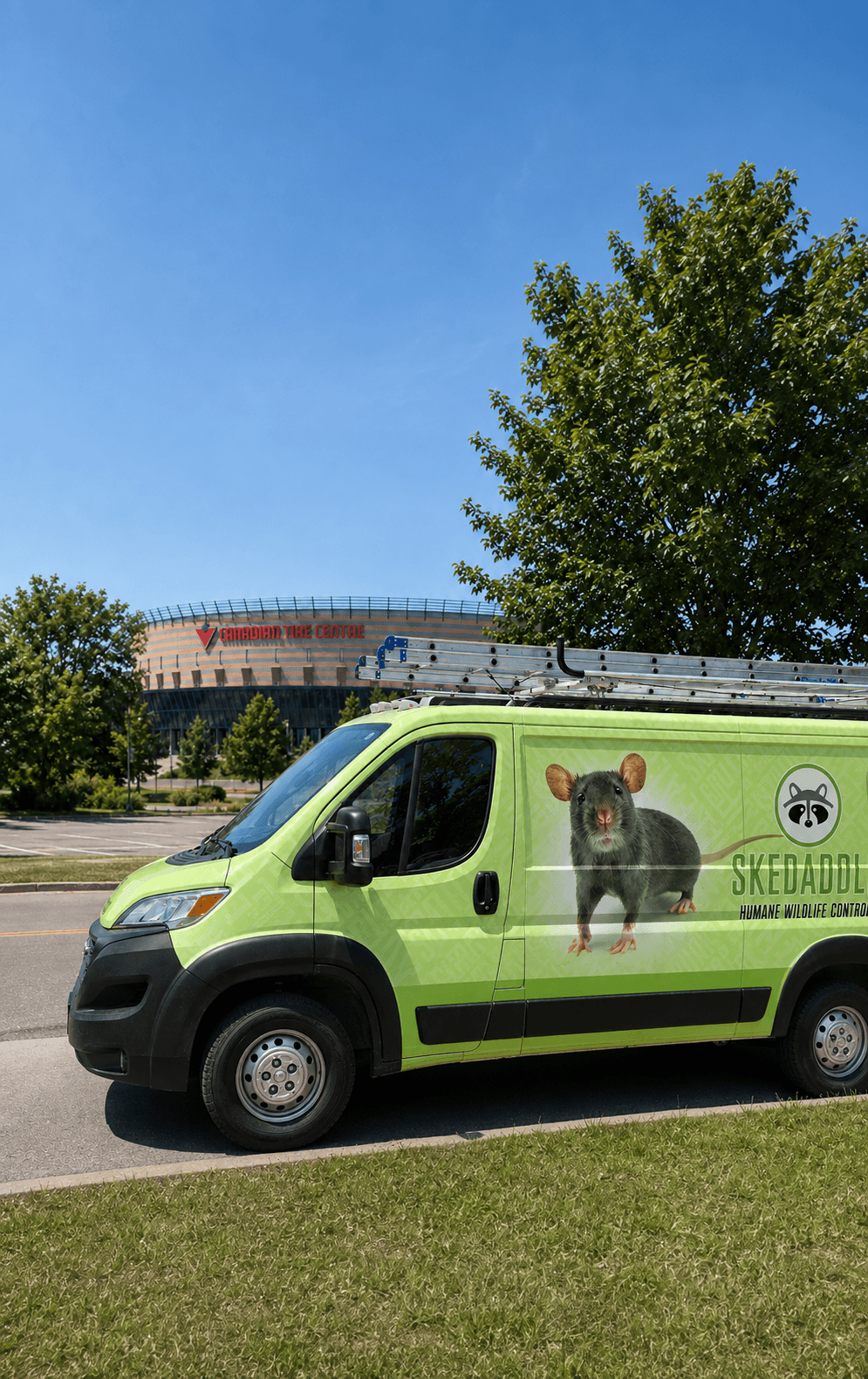
When wildlife gets into a Kanata home, the quickest fix is rarely the lasting one. Every Skedaddle Ottawa visit runs the same sequence: identify the species and the opening it is using, get the animal out without traps or poison, seal that opening for good, clean up what was left behind, and stand behind the repair afterward.
Skedaddle Ottawa has worked on homes across the west end since 1993, and this community is one of the busiest parts of that territory, with 185+ humane wildlife removals completed in Kanata in the past 12 months. The oldest streets in Beaverbrook and Glen Cairn sit under a canopy old enough to lay branches on the roof, while Bridlewood, Morgan's Grant, and Kanata Lakes offer newer construction where the weak points are vent screens and roof-edge trim instead. Technicians who see both kinds of house every week read the pattern quickly.
Skedaddle technicians train in wildlife biology, home repair, decontamination, and attic restoration, and work to humane standards approved by SPCAs and Humane Societies. On a Kanata call, that means identifying the animal first, choosing the approach that suits the species and season, and closing the opening only once the animal is confirmed out. Cleanup of the areas wildlife used is part of every job; attic restoration is added where animals denned. Bat colony work is planned around Ontario MNR guidance, which advises against exclusion from mid-May to mid-August (Bats in Buildings, Government of Ontario).
Every opening Skedaddle closes in Kanata is treated as a permanent repair rather than a seasonal patch, because a soffit return that lets go in February was never exclusion. The work carries Skedaddle's lifetime guarantee on all workmanship and materials: if anything gets back in through an opening the team sealed, Skedaddle returns and re-seals it at no charge. Homeowners in Katimavik, Hazeldean, and South March see the exclusion, cleanup, and guarantee scope itemized on one written quote before they decide anything, and Skedaddle Ottawa's work is insured. The franchise partners with the City of Ottawa's Wildlife Speaker Series, the Canadian Wildlife Federation, and Holly's Haven Wildlife Rescue.

Field Operations Supervisor
An Ottawa native, James brings a strong construction and pest control background to his role as Field Operations Supervisor. Prior to joining Skedaddle, James owned and operated a successful landscape, construction and property maintenance business in the city and takes pride leading Ottawa's team of dedicated technicians. James enjoys the challenge and unpredictability of hands-on wildlife removal and when he's not face-to-face with a raccoon he enjoys spending time outdoors and weekends away at the lake.

Wildlife Specialist
Curtis considers himself a highly active individual who enjoys being outside, playing sports, and being as healthy as possible. With a degree in business, Curtis chose to work with Skedaddle because he was done with working inside offices and wanted the chance to work with animals, work outside and be active at the same time. Curtis has extensive training with Skedaddle including ladder safety training, drone pilot certification, and GreenOn insulation training.
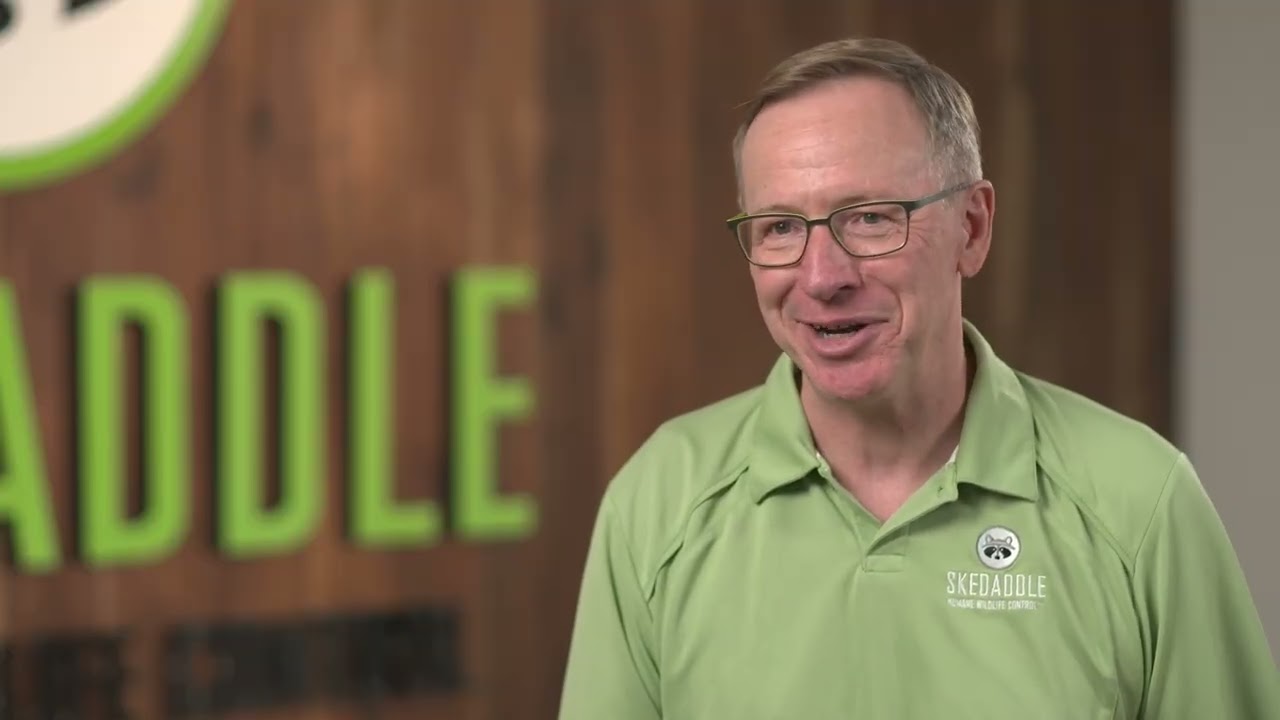
Founder Bill Dowd on why “trap and relocate” fails the homeowner and the animal — and the biology-based method Skedaddle built instead.
Four species account for nearly all of Skedaddle Ottawa's Kanata work, in this order: mice, raccoons, bats, and squirrels. The community's geography explains the spread — open field and floodplain along the Carp River on the west side, the Greenbelt boundary on the east, a heavy canopy over the oldest streets, and quick-built subdivisions ringing the Kanata North tech park. Each animal uses a different route into the house, and each has its own season for using it.
Why are mice the first call in Kanata? Homes backing the Carp River floodplain and the Greenbelt edge sit next to open field habitat, and a dime-width gap at a dryer vent, sill plate, or gas-line penetration is an open door. Pressure builds from late September. Technicians seal every opening with rodent-proof material, then monitor indoors until the activity stops.
Where do raccoons den in Kanata? Beaverbrook and Glen Cairn carry the oldest canopy here, and a limb over the roof puts an adult female at lifted soffit returns, roof-vent collars, and open chimneys. March through June is the heaviest stretch. Technicians find the litter, retrieve kits by hand, let the adult out through a one-way door where appropriate, then seal the roof line.
Can bats come out of a Kanata attic in midsummer? Not between mid-May and mid-August, while flightless pups are still in the roost, because Ontario MNR guidance advises waiting. Species-appropriate exclusion runs from late August into November and again in April, with full sealing from December to March. Summer calls get an inspection and a dusk exit count at the soffit-fascia joint or ridge line.
What lets squirrels into Kanata attics? Thin vent screens and plastic roof-vent caps on the Morgan's Grant, Bridlewood, and Kanata Lakes builds give way early, and grey squirrels raise young twice a year, in late winter and again in midsummer. Technicians fit a one-way door where appropriate, confirm the young are out by hand, then close every roof-line gap with heavy-gauge mesh.
Fall brings the rest of Kanata's wildlife up against the house. Skunks dig under decks and garden sheds ahead of winter where the Greenbelt edge meets Bridlewood and Katimavik yards, and the odour usually arrives before the sighting does. Rats are uncommon here but are handled the same way, by finding and closing the opening rather than baiting. Birds leave packed nesting debris behind in dryer and roof vents, where it blocks the duct until it is cleared. Call (613) 231-2222 to book an inspection.
Our Kanata technicians can identify the species and confirm the entry points during a single on-site visit.
What areas does Skedaddle service? Skedaddle Ottawa serves every established neighbourhood in Kanata, including the original Beaverbrook community, Glen Cairn, Bridlewood, Katimavik, Hazeldean, Morgan's Grant, Kanata Lakes, South March, and the newer subdivisions of Kanata South. If your property is in Kanata North or Kanata South—or one of the surrounding Ottawa West communities—Skedaddle's Ottawa team can service it.
The local residential geography ranges from the mature-tree canopy of Beaverbrook, the first and oldest neighbourhood in the community, to newer builds along the western edge. The Carp River runs through the west side, and the National Capital Commission Greenbelt forms the eastern boundary, separating the community from Nepean. That mix of mature-tree pockets alongside newer subdivisions, adjacent to significant urban greenspace, shapes the wildlife activity Skedaddle Ottawa sees year-round.
What happens during a Skedaddle wildlife inspection? A Skedaddle inspection is a full property walkthrough covering the interior, exterior, roofline, and attic, to identify every current and potential wildlife entry point. Our technician confirms the species, documents the damage, and provides a written quote with itemized exclusion, decontamination, attic restoration, and warranty scope before any work begins.
There is no pressure to book on the spot. Restoration scope is priced on the same written quote as the exclusion work, so a Bridlewood or Kanata Lakes homeowner can weigh the whole job in one place rather than in stages. The quote stays with you, and the office follows up directly if questions come later. Call (613) 231-2222 or see the full inspection process.
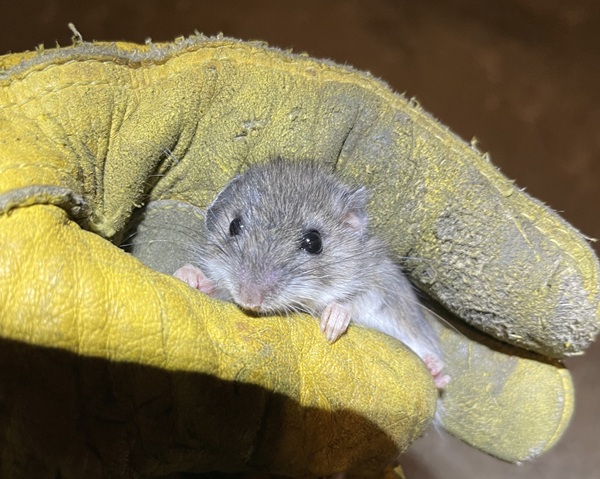

We begin with a detailed inspection of your home to identify the wildlife, locate active entry points, and assess the extent of the problem. Our technicians then use proven, species-appropriate methods to remove animals safely and humanely.
Learn more
After the animals are removed, we clean and decontaminate affected areas, removing nesting materials, droppings, and other traces left behind. When needed, we also address damaged insulation and help restore the space to a clean, healthy condition.
Learn more
Finally, we identify vulnerable areas and seal confirmed or potential entry points to help prevent wildlife from returning. Our durable exclusion work provides lasting protection and includes a lifetime warranty on the entry points we seal.
Learn moreWhen is Kanata wildlife most active? Peak activity in Kanata runs March through November, with two clear pressure points: spring nesting (March–June), when raccoons and squirrels seek attic space to raise young, and fall entry (September–November), when mice look for warm indoor shelter as overnight temperatures drop. Winter denning continues quietly through the coldest months.
| Season | Active Species | Notes |
|---|---|---|
| Winter (Dec–Feb) |
Mice (indoor activity), raccoons (attic denning), squirrels (attic denning) | Scratching in walls, insulation damage visible, animals heard moving inside during the coldest weeks. |
| Spring (Mar–May) |
Raccoons (nesting), squirrels (nesting), bats (returning) | Attic scratching, chimney activity, daytime raccoon sightings, spring bat calls near Beaverbrook and Kanata Lakes. |
| Summer (Jun–Aug) |
Bats — exclusion paused mid-May to mid-August under Ontario MNR guidance — juvenile squirrels | Bats in living spaces, baby-animal calls, chirping or fluttering heard in the roof at dusk. |
| Fall (Sep–Nov) |
Mice (peak entry), squirrels (food storing), raccoons (pre-winter denning) | New scratching sounds at night, droppings in the basement or garage, new entry points appearing near Kanata South subdivisions. |
Quarterly focus: Mice are the season's story in Kanata. Overnight temperatures are dropping and mice are moving in from the Carp River corridor and the Greenbelt edge into basements, garages and kitchens, the pattern that holds from September through November. Squirrels are caching food and working at soffit returns and roof-vent screens at the same time. With the pups now flying, the mid-May to mid-August pup season has closed and bat colony exclusion is open again into November. Sealing the openings now is what keeps the winter quiet. Call (613) 231-2222 or learn more about mouse removal.
Because the nights are getting cold. Fall is when mice look for shelter from the coming cold, and in Kanata that means moving off the Carp River corridor and the Greenbelt edge into the nearest warm, dry building. The houses that get hit are the ones with an opening already waiting — a worn door sweep, an unscreened vent, or a gap where a pipe or a wire enters the wall.
Smaller than most people expect. Mice can squeeze through cracks as small as a dime, and even the small gap under a worn threshold is enough. On Kanata houses the usual routes are soffit returns and roof-vent screens on the older Beaverbrook and Glen Cairn streets, and vent penetrations, garage door seals and utility entries on the newer Bridlewood, Morgan's Grant and Kanata Lakes builds. That is why an inspection walks the whole exterior rather than only the room where the noise is.
Droppings along a basement wall, at the back of a kitchen cupboard, or on a garage shelf are usually first. After that: scratching or scurrying inside a wall or ceiling at night, shredded paper or insulation gathered into a nest in a quiet corner, gnaw marks on food packaging, and a faint musty smell in a closed space. A mouse seen in daylight generally means others are already established.
Sealing is what actually ends it. Ottawa Public Health's rodent guidance puts shutting the animals out — sealing every hole and crack in foundations, walls, floors, under doors and around windows — ahead of any baiting step, and Health Canada is explicit that baits and poisons should not be used as the only method of control. Poison also leaves dead mice inside wall cavities and puts pets and other wildlife at risk. Skedaddle's work is exclusion: find every opening, seal it with materials mice cannot chew through, and clean up what the infestation left behind. Call (613) 231-2222 to book a Kanata mouse inspection.
How does Skedaddle remove wildlife humanely in Kanata? An inspection comes before any equipment goes on the house, because the method depends on the species, the time of year, and the structure itself. Nothing is trapped or killed. The animal exits on its own, the opening is sealed permanently, and the attic is decontaminated and restored afterward.
A Beaverbrook home under mature canopy offers different routes in than a newer Kanata Lakes or Morgan's Grant build, so technicians choose equipment to suit the situation. Where suitable, a one-way door lets an adult raccoon or squirrel leave on its own before the entry point is closed. Bats are handled with species-appropriate exclusion equipment scheduled outside the mid-May to mid-August pup season, and mice are excluded by sealing the seams and penetrations they use.
Kanata attics along the Carp River and the Greenbelt edge hold spring litters every year, and young too small to follow their mother out are not left behind the seal. Technicians retrieve them by hand and place them in an insulated reunion box at the entry point so she can carry them to an alternate den herself. It is slower than removing her, and it is the reason this work is called humane.
An emptied attic is not a finished attic. Droppings, urine-soaked insulation, and nesting material come out, the space is treated to cut the odour and the scent trail that signals the next animal in, and contaminated insulation is replaced so the attic insulates properly again. Kanata homeowners see the cleanup and restoration scope itemized on the same written quote as the exclusion.
A repair that fails in two winters is not exclusion. Skedaddle Ottawa closes Kanata entry points with heavy-gauge mesh and weather-rated materials chosen to hold against animals that will test them, and every serviced area carries Skedaddle's lifetime guarantee on all workmanship and materials. If the same species gets back through work we sealed, the team returns and re-seals it at no cost to you.
Get a Kanata-specific inspection and a written scope that spells out exclusion points, decontamination, and warranty terms before any work begins.
Serving Kanata and the surrounding Ottawa West territory, including Stittsville, Nepean, Barrhaven, and Carleton Place.
Wildlife removal cost in Kanata depends on the species involved, the number of entry points, and whether decontamination or insulation replacement is needed afterward. Skedaddle Ottawa inspects the property first and leaves a written, itemized quote covering exclusion, cleanup, and guarantee scope before any work begins, so a Kanata homeowner sees the full scope and the full price before committing to anything. Call (613) 231-2222 to book that inspection.
Same-day service is sometimes available, but it cannot be guaranteed. Skedaddle Ottawa gives priority to urgent Kanata situations — wildlife inside a living space, or an animal trapped or in distress, such as a bat in a bedroom or a raccoon that has come through a ceiling. Otherwise the office arranges the earliest available inspection. Call (613) 231-2222 during business hours to check availability.
Ontario's Ministry of Natural Resources advises against bat exclusion from mid-May to mid-August, while flightless pups are still in the roost, so colony work is scheduled outside that window. Species-appropriate exclusion equipment goes on from late August through November and again from April into early May, with full sealing from December to March once every bat has left. Kanata calls now get an inspection, a dusk exit count, and a date in the open autumn window. See Ontario MNR guidance.
Skedaddle Ottawa services every established Kanata neighbourhood, including Beaverbrook, Glen Cairn, Bridlewood, Katimavik, Hazeldean, Morgan's Grant, Kanata Lakes, South March, and Kanata South. That covers the older streets under mature canopy, the subdivisions around the Kanata North tech park, and the newer builds out towards the Carp River. If your home sits inside the City of Ottawa's Kanata ward boundary, Skedaddle services it.
Yes. Skedaddle follows Ontario wildlife guidance, including the Ministry of Natural Resources recommendation that bat exclusion wait from mid-May to mid-August until the pups can fly. Technicians are trained in wildlife biology, home repair, decontamination, and attic restoration, and use humane methods approved by SPCAs and Humane Societies. No traps and no poison are used on a Kanata job, and nothing is killed to get it out of a house.
Right now in Kanata, mice drive most of the work. Cooling overnight temperatures push them indoors from the Carp River corridor and the Greenbelt edge through September, October and November, and the calls come from basements, garages and kitchens. Squirrels are caching food and working at soffit returns and roof-vent screens, while raccoons look for a dry place to winter. With the pups now flying, Ontario MNR guidance allows bat colony exclusion again, and that work runs into November.
Yes. Every full exclusion job in Kanata carries Skedaddle's lifetime guarantee on all workmanship and materials. If anything gets back in through an opening the team sealed, Skedaddle Ottawa returns and re-seals it at no charge. The guarantee is written into the same quote that itemizes the exclusion and cleanup scope.
Once the animal is out and every opening is sealed, the attic is cleared of droppings, urine-soaked insulation, and nesting material, then treated to cut the odour and the scent trail that draws the next animal in. Insulation is restored where it was contaminated so the attic performs properly through an Ottawa Valley winter. In Kanata, that cleanup and restoration scope is itemized on the same written quote as the exclusion.
Wildlife problems in Kanata do not settle themselves: a raccoon working a lifted soffit return on a Beaverbrook bungalow will come back to the same spot, a squirrel through a failed roof-vent cap in Morgan's Grant will reopen the same hole, and mice at a garage sill along the Carp River keep bringing more indoors as the nights cool. Skedaddle Ottawa handles it end to end — identify the animal, match the method to the species, seal the opening permanently, decontaminate what was left behind, restore the attic where animals denned, and guarantee the seal for life. Technicians work to humane standards approved by SPCAs and Humane Societies.
Call (613) 231-2222 or request an inspection online and the Skedaddle Ottawa office will follow up.
 menu
menu