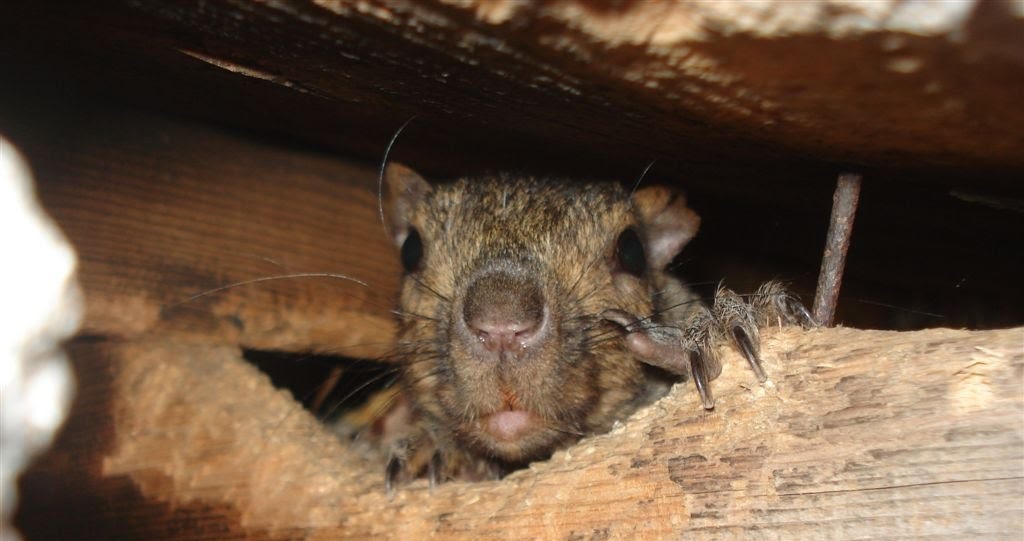
You may think one animal at a time finds its way into an attic. In reality, that space often attracts more than one species at once. Warmth, safety, and quiet draw animals in, especially during colder months or baby season. Once one animal settles in, others may follow.
Multiple animals in the attic are more common than many homeowners expect. Different wildlife species in the attic may enter through separate gaps or use different parts of the space. One animal may stay near insulation while another moves through rafters or vents. Over time, this turns into a full attic wildlife infestation.
You may hear different sounds at different times of day or notice damage that does not match one species alone. At Skedaddle Humane Wildlife Control in Pickering, we see these situations often and understand how complex they can become. In this blog, we explain how multiple animals can share an attic, why this happens, and why professional help matters.
Warmth and Shelter Attract More Than One Species
You may not realize how valuable an attic is to animals. It stays dry, holds heat, and stays mostly undisturbed. Once temperatures drop outside, this space becomes prime shelter.
Different animals are drawn in for the same reason. Even if they do not interact directly, they benefit from the same conditions. One animal may arrive first, but others soon follow.
This shared shelter happens because:
- The Attic Stays Warmer Than the Outdoors: Heat rises from the rooms below and gets trapped in the attic. This warmth helps animals save energy during cold weather. A warm space makes it easier for them to rest and raise young.
- The Space Offers Protection from Predators: Attics are high off the ground and hard to reach. This makes animals feel safer from predators that roam outside. Being hidden above living areas gives them a sense of security.
- Human Activity is Limited: Most homeowners do not visit their attic often. This lack of movement allows animals to stay unnoticed for long periods. Quiet spaces make it easier for them to settle in and stay.
When a shelter is strong and reliable, it attracts more than one tenant.
Separate Entry Points Allow Quiet Coexistence
You may expect animals to fight or chase each other away, but that does not always happen. In many homes, animals never cross paths at all. Attics often have more than one way inside, which allows different animals to enter and settle quietly.
Animals use gaps near rooflines, vents, soffits, or damaged siding to get inside. One species may enter through a loose shingle, while another uses an opening near a vent or utility line. Because these entry points are spread out, animals move into different areas of the attic without meeting.
Over time, weather and wear create small openings that are easy to miss from the ground. Loose materials and aging structures make access easier each season. When animals can enter from different locations, they can live in separate zones of the attic without conflict, making the problem harder to notice at first.
Different Areas of the Attic Serve Different Needs
You may picture an attic as one open space. In reality, it has many sections that suit different animals.
Some animals prefer insulation for nesting. Others move along beams or hide near vents. This separation allows different wildlife species in the attic to stay out of each other’s way.
Shared use often looks like this:
- Insulation Used for Nesting: Insulation is soft, warm, and easy to pull apart. Animals use it to build nests where they can rest and raise young. As insulation is moved or packed down, it stops working properly. This leads to heat loss and higher energy costs for the home.
- Rafters Used for Movement: Rafters create solid paths above the insulation. Animals use these beams to move around without disturbing nesting areas. This allows them to travel quietly and avoid detection. Over time, constant movement can cause wear or damage to wood supports.
- Corners and Vents Used for Shelter: Corners and vent areas offer quiet spaces with some airflow. These spots are often chosen for resting or hiding. Vents can also trap nesting material, which blocks air movement. Blocked vents increase moisture and can create safety issues inside the home.
Because animals use the space differently, they can live close together without interaction.
Timing and Activity Patterns Reduce Conflict
You may hear sounds in the attic at night and then again during the day. That often means more than one animal is present. Not all animals follow the same schedule, which helps them avoid each other.
Some animals are active at night, while others move during the daytime. When one is resting, another is awake and moving around. Because their activity times do not overlap, they can share the attic without conflict.
Feeding and nesting habits also stay separate. Each animal keeps to its own area and routine. This timing makes it easier for multiple animals in the attic to remain unnoticed for long periods.
Baby Season Increases Shared Occupancy
You may notice more noise and movement in spring. This time of year is often baby season for many animals. Mothers search for safe places to raise their young.
Attics provide warmth, quiet, and protection from predators. These conditions attract more than one species at the same time. Each animal looks for a spot that feels secure and away from disturbance.
Because attics are large spaces, different animals can nest far apart. This separation allows shared use without conflict. Baby season is one of the most common times we see attic wildlife infestation involving more than one species.
Damage and Risks Multiply With More Than One Species
You may think one animal causes enough damage on its own. When more than one species is present, problems grow much faster. Each animal affects the attic differently.
Insulation gets pulled apart, wires may be chewed, and waste builds up in multiple areas. As activity spreads, more parts of the attic are damaged. This increases repair needs and safety risks.
Fire hazards become more likely when wiring is damaged in several places. Health risks also increase as waste and parasites build up faster. Multiple animals in the attic can turn small issues into serious problems very quickly.
Why Shared Attics Are Harder to Resolve
You may assume removing one animal solves the issue. When more than one species is present, the situation becomes more complex.
Each animal may use different exits or respond differently to disturbance. Without proper exclusion, animals may leave temporarily and return.
Challenges include:
- Missed Entry Points: Animals rarely use just one opening to get inside. Sealing a single hole does not stop access if other gaps remain. Some openings are hidden along rooflines, vents, or corners. Missing even one point allows animals to keep coming back.
- Overlapping Activity: More than one species may be using the attic at the same time. When one animal leaves, another may shift into the space it used. This can increase noise, movement, and damage. Overlapping activity makes the problem harder to solve without a full plan.
- Return Visits: Animals remember safe shelter locations. If access points are not fully secured, they often return season after season. New animals may also follow scent trails left behind. Without proper exclusion, the cycle continues instead of ending.
This is why professional assessment matters when different wildlife species in the attic are suspected.
Professional Attic Wildlife Control With Our Team
You should never attempt to handle an attic infestation on your own. These situations involve risk to people, animals, and the home.
At Skedaddle, we approach attic wildlife infestation with care and planning. We identify all species present, locate every entry point, and use one-way doors that allow animals to leave safely without returning. These doors let animals exit on their own while preventing re-entry.
Our process also includes sealing access points and restoring protection to the attic. This ensures animals cannot return, and new ones cannot move in. Addressing the full space is the only way to stop repeated problems.
Peace of Mind Starts With the Right Solution
You may not realize how many animals share an attic until the damage becomes clear. Multiple animals in the attic create greater risks, faster damage, and ongoing stress. Different wildlife species in the attic often coexist quietly until the problem grows.
Addressing attic wildlife infestation early protects your home and your health. If you suspect shared attic activity, professional help is the safest next step.
Contact Skedaddle Humane Wildlife Control in Pickering to request an estimate and learn how we can restore your attic safely and permanently.

 Loading...







