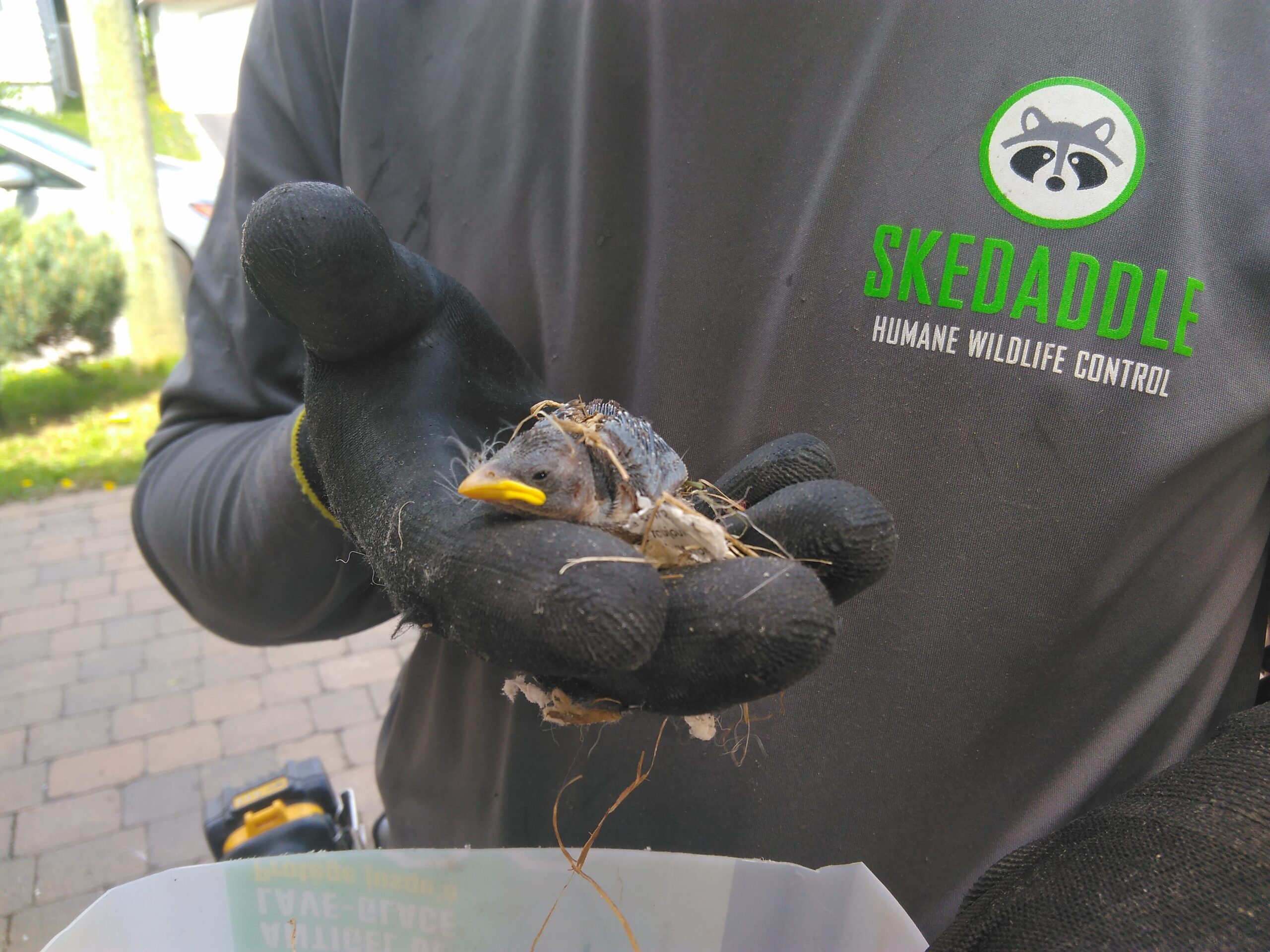

Winter in Ohio changes the way animals behave, especially birds looking for warmth. You might not realize it at first, but small signs around your home can point to bigger problems. One of the most common issues is how bird droppings cause vent blockages.
When the weather turns cold, vents become warm, protected spots that birds want to use. The mix of droppings, nesting material, feathers, and debris can block a vent faster than most people expect.
You feel the impact long before you ever see the problem. A blocked vent stops air from flowing the way it should, and that can create winter bird hazards in Ohio that most homeowners never think about.
These hazards get worse as temperatures drop and homes stay closed up. That is why you want to know how droppings, nests, and vent blockages turn into hidden dangers and what they mean for your home in Pickerington.
Skedaddle Humane Wildlife Control in Pickerington helps homeowners stay ahead of these problems each winter. When you know how bird droppings cause vent blockages and what damage they create, you’re better prepared to protect your home and prevent winter vent blockages the right way.
Droppings Build Up Fast and Create Blocked Vents
Bird droppings can seem like a small mess at first. But in winter, the buildup happens much faster because vents stay warm. That warmth pulls birds toward them, and once they begin roosting nearby, droppings pile up in layers. The hazard becomes more serious when droppings start blocking airflow.
Bird droppings dry into a thick, clumpy material. As they fall into or against a vent screen, the debris sticks and hardens. Over time, the buildup becomes a plug that stops exhaust air from escaping. When droppings collect inside the vent itself, they mix with moisture and lint, creating a heavy, packed blockage that no air can move through.
This blockage becomes a hidden danger because you don’t see it happening from the outside. You only feel the effects: warmer rooms, stronger smells, or slow-moving air. That’s why bird droppings cause vent blockages faster than most people expect. Once airflow stops, the risk inside your home grows.
Bird Droppings Lead to Serious Health Concerns
Droppings carry harmful fungi and bacteria. During winter, vents pull in warm air, and that warm air turns dry droppings into fine dust. That dust can spread through exhaust lines or drift into the attic. When you breathe in these particles, your body is exposed to illness.
Some of the most common health concerns include:
- Histoplasmosis: This illness comes from a fungus found in certain droppings. When spores rise into the air, people can breathe them in, causing fever, chest pain, and breathing problems. This risk increases in cold months because vents remain closed, and air circulation drops.
- Psittacosis: This bacterial infection also spreads through dried droppings. It can cause headaches, fever, and coughing. Homes with blocked vents face higher exposure because the dust has fewer places to escape.
- Irritation in the Lungs and Eyes: Even without a major illness, dried droppings cause irritation. When warm air moves across the debris, tiny particles push through vent openings and settle in the home. Winter bird hazards in Ohio include this type of hidden exposure because homeowners rarely notice the source.
When droppings collect near warm vents, the health risks rise quickly. That is why airflow matters and why blocked vents are more than a simple winter inconvenience.
Nest Material Makes Blockages Worse
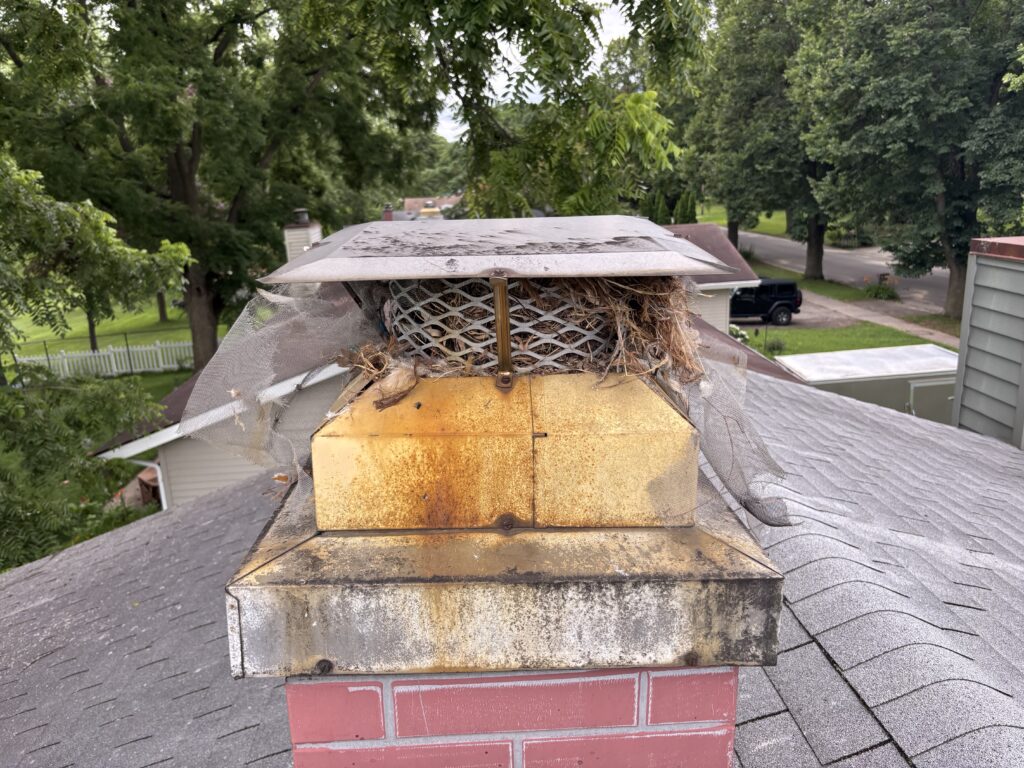
Bird droppings aren’t the only issue. Nesting material can fill a vent even faster. Birds use twigs, grass, leaves, feathers, and small bits of plastic or fabric to build winter roosts. These materials stick together and trap debris around them.
You might notice winter bird hazards in Ohio through:
- Heavy Nest Buildup Inside Vents: These nests stop air movement completely. They grow deeper as birds add more material throughout the season. Even a small nest can fill an entire exhaust line.
- Moisture Trapped Inside Ducts: When nests block warm, moist air from escaping, the condensation stays inside. That trapped moisture causes mold, warped vents, and ruined insulation.
- Debris Pushed Deeper into Vent Lines: Wind and warm air push loose material into the ducts, making the blockage harder to reach and more dangerous.
Birds build nests for warmth, and vents give them exactly what they need. But nests create a layered blockage that droppings only add to, turning a small blockage into a complete seal.
Blocked Vents Lead to Carbon Monoxide Risks
When a furnace exhaust vent is blocked, carbon monoxide can build up inside the home. This is one of the most serious hazards connected to winter vent blockages. Since CO has no smell or color, people don’t notice it until symptoms appear.
During cold months, families keep windows closed, which reduces airflow even more. A blocked furnace vent has no place for exhaust gases to go. Droppings, nests, and packed debris create a wall inside the vent, and the furnace can’t push air past it.
Early warning signs include:
- rooms feeling stuffy
- condensation collecting on windows
- slow air movement in certain areas
- residents feeling dizzy, tired, or light-headed
If CO collects long enough, it becomes dangerous. That is why bird droppings cause vent blockages that must be taken seriously. When droppings reduce airflow, the entire system becomes unsafe.
Dryer Vents Become Fire Hazards in Winter
Dryer vents pull warm air and lint outward. When birds block the vent, heat and lint get stuck inside the line. Even a small blockage pushes lint back into the dryer or forces heat to build up around the obstruction.
Lint is extremely flammable. When warm air can’t exit, the temperature around the lint rises. Nests and droppings also dry out in the warm duct, making them even easier to ignite. That is why fire departments warn homeowners about blocked vents in winter.
Warm air, lint buildup, and bird debris create a perfect combination for fire risks. Winter bird hazards in Ohio often start quietly inside a vent that no one sees.
Bird Droppings Damage Building Materials
Droppings are highly acidic. In winter, when the moisture in a home pushes warm air outward, droppings dry faster and stick more firmly to surfaces. Over time, the acidity wears away at metal vent covers and damages surrounding materials.
This damage includes:
- Rust on Metal Screens or Covers: Corroded metal loses strength and breaks apart, making it easier for birds to enter.
- Stains on Siding or Shingles: Droppings leave marks that sink into porous surfaces and can spread across the roofline.
- Worn-Down Vent Housings: The plastic around dryer or bathroom vents weakens from constant contact with droppings.
These problems often go unnoticed until the damage spreads and the vent begins to fail completely.
Moisture Becomes a Hidden Threat
Blocked vents trap warm air inside ducts. When warm air meets cold surfaces in the attic or roofline, condensation forms. That moisture can lead to:
- mold growth
- softened insulation
- water stains on ceilings
- wet wood that attracts insects
During the winter, this moisture has nowhere to escape. Frozen outside air keeps ducts cold, so condensation continues to build up every time warm air tries to exit through the blocked vent.
Bird droppings, feathers, nesting material, and trapped air all work together to create this hidden winter hazard.

How Professionals Prevent Winter Vent Blockages
Homeowners should never try to handle vents, remove droppings, or clear nests. These hazards can be dangerous, and animals inside the vent can panic or get injured. Our team at Skedaddle Humane Wildlife Control handles the entire process safely for you.
We inspect the home from the outside, locate every blocked or damaged vent, and guide animals out using humane one-way doors. These doors allow birds to leave on their own but stop them from returning. This keeps everyone safe during the winter months when animals are most sensitive.
After the birds exit, we seal the vent with durable materials that hold up against Ohio weather. We also secure weak points around the home to prevent winter vent blockages in the future. You stay safe, and the hidden hazards disappear before they grow worse.
Keep Your Home Safe from Hidden Winter Vent Hazards
Bird activity in winter can cause serious problems long before you notice anything. Bird droppings cause vent blockages, nests stop airflow, and hidden buildup creates health and fire risks. When you take these winter hazards seriously, you protect your home and everyone inside it.
Our team at Skedaddle Humane Wildlife Control in Pickerington is ready to help you stay ahead of winter bird hazards in Ohio and prevent winter vent blockages the safe way. If you want a full inspection or help clearing your vents the right way, request an estimate to learn more and get trusted support for your home.

 Loading...







