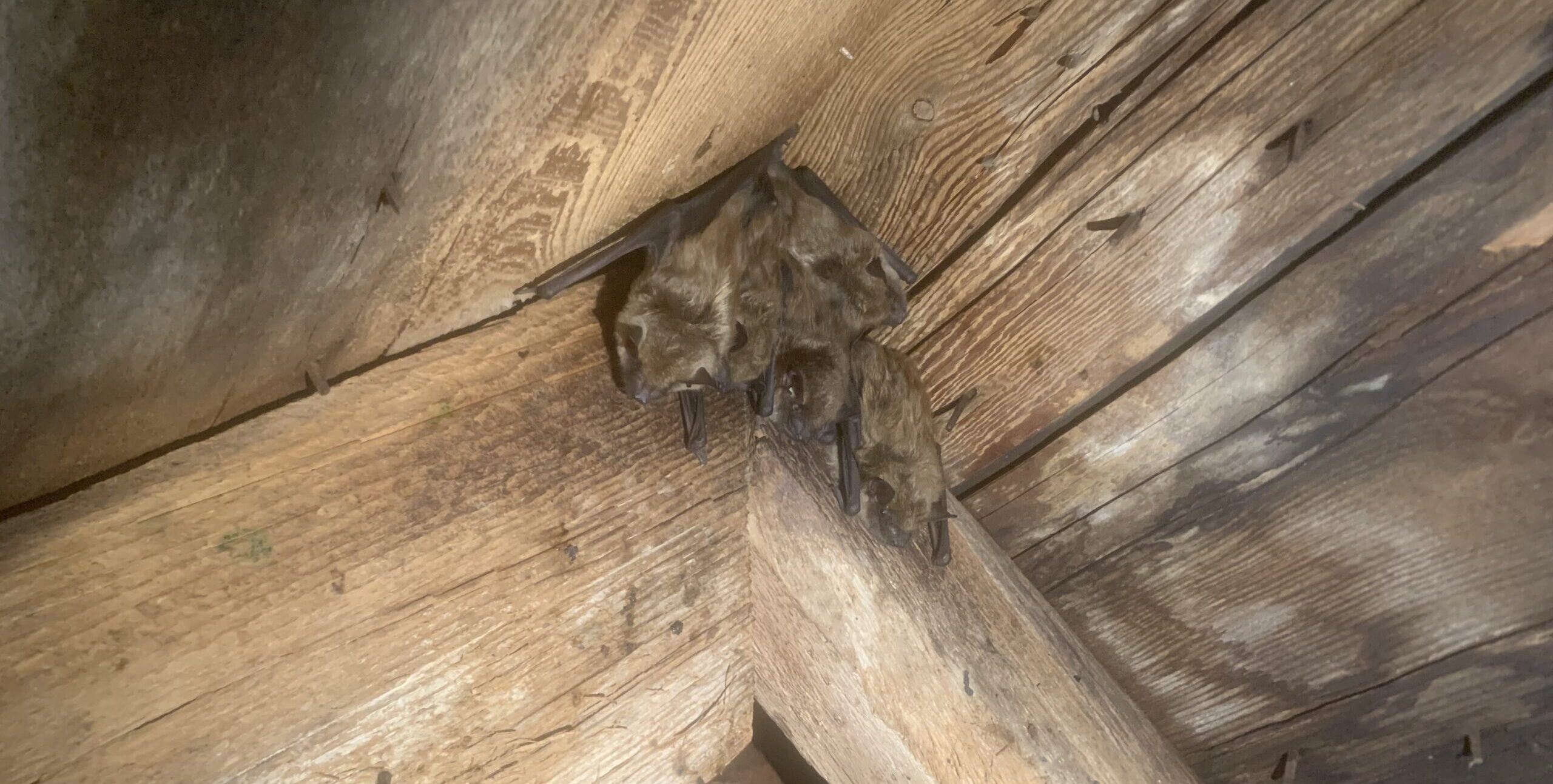
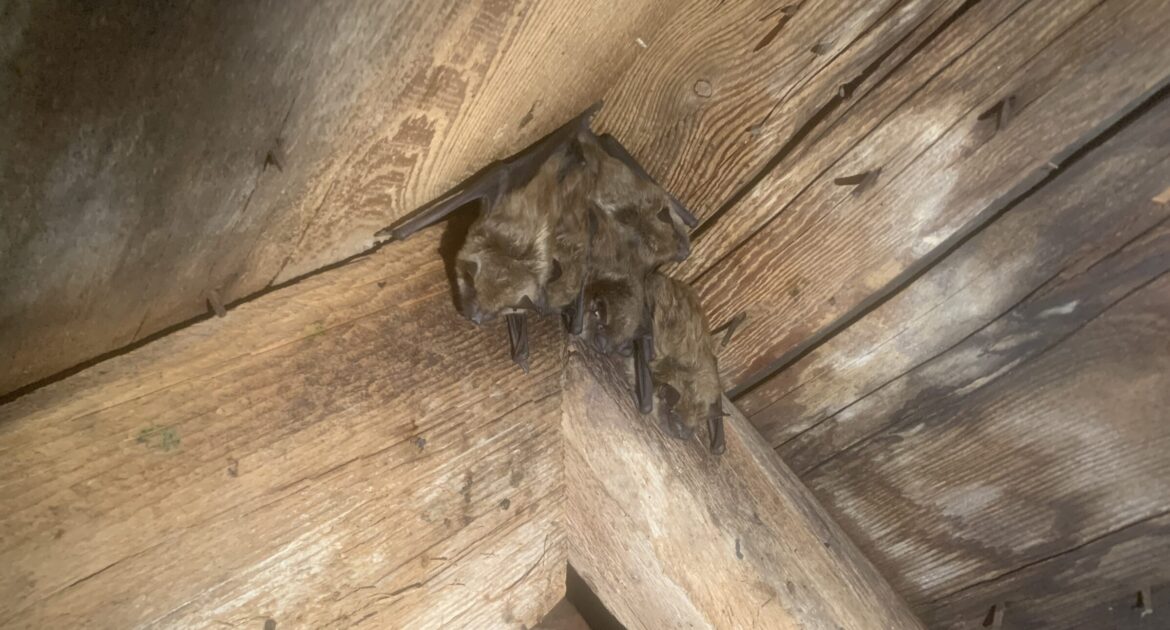
Many Ohio homeowners don’t realize that bats roosting in attics can affect the air they breathe inside their homes. During colder months, bats often seek shelter in rooflines and attics, leaving droppings (guano) behind. Even small amounts can impact indoor air quality, especially when droppings accumulate over time.
At Skedaddle Humane Wildlife Control, we see homes where bat droppings air quality issues are overlooked until odors, dust, or other symptoms appear. Early recognition and preventive measures are key to maintaining a healthy home environment, ensuring that your attic remains a safe and clean space throughout the winter.
Why Bats Choose Attics During Winter
Ohio winters drive bats to seek insulated, undisturbed areas for warmth. Attics closely mimic the conditions bats prefer in natural tree cavities or caves, making them ideal winter roosts.
- Warmth and protection: Attics maintain a more stable temperature than the outdoors, which is vital during freezing months.
- Low disturbance: Bats prefer quiet, dark areas where they can roost without interruption.
- Structural access: Rooflines, soffits, chimneys, and vents provide convenient entry points.
- Sheltered environment: Enclosed spaces protect bats from harsh weather and potential predators.
According to wildlife studies, Ohio homes report a 40% increase in attic bat activity during winter months. This highlights the importance of understanding attic bat guano risks and monitoring air quality before problems escalate.
Bats tend to cluster in specific areas of attics, which can make droppings accumulate in concentrated spots. Even a few bats can leave enough guano over time to impact indoor air quality. This makes it crucial for homeowners to recognize areas at risk and monitor their attics regularly.
How Bat Droppings Affect Indoor Air Quality
Bat guano contains dust, ammonia, and fungal spores, all of which can become airborne and affect your home’s indoor air. When ventilation systems circulate air from the attic, particles from droppings can enter living spaces, creating indoor air quality bat issues.
- Health concerns: Airborne spores and ammonia can cause respiratory irritation, allergic reactions, and in sensitive individuals, fungal infections.
- Odor problems: Accumulated guano often produces a strong, musty smell that can permeate the home.
- Airborne contamination: Even small amounts of droppings can release spores that affect air quality over time.
- Research findings: Studies show that homes with bat activity in attics have significantly higher levels of airborne fungal spores compared to wildlife-free homes.
Monitoring attic bat guano risks helps homeowners understand when professional evaluation is necessary to protect both air quality and the household’s comfort.
The circulation of spores is particularly concerning in homes with central heating or air conditioning systems. Even if the guano is confined to the attic, HVAC airflow can distribute dust and spores throughout the home, increasing the risk of indoor air quality bat issues.
Health Risks Associated with Bat Guano
Bat droppings air quality issues are more than a nuisance—they can pose real health risks, especially for children, the elderly, or individuals with respiratory conditions.
- Histoplasmosis risk: Guano may contain spores of the fungus Histoplasma capsulatum, which can lead to respiratory infections if inhaled.
- Allergic reactions: Dust and ammonia from guano can trigger coughing, sneezing, or asthma flare-ups.
- Long-term exposure: Poorly ventilated attics allow spores to accumulate and circulate indoors, increasing the likelihood of health complications.
- Air circulation concerns: Homes with HVAC systems connected to attics can spread particles throughout the house, amplifying indoor air quality bat issues.
Statistics suggest that more than 30% of homes with extensive bat guano deposits report indoor air irritation or musty odors, underscoring the importance of proactive monitoring and professional assessment.
Even brief exposure to bat droppings can irritate sensitive individuals, particularly those with asthma or allergies. This makes timely action and proper attic maintenance crucial for maintaining a healthy living environment.
Key Warning Signs of Bat Activity
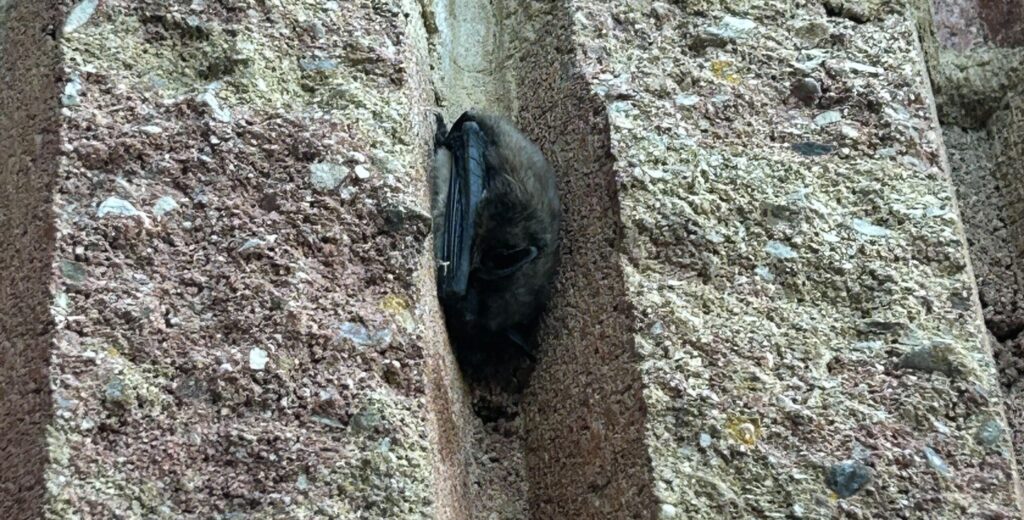
Identifying bat activity early is essential for preventing air quality problems. Homeowners should watch for these common signs in their attics:
- Noises at night: Fluttering or scratching sounds, especially near vents or eaves.
- Visible droppings: Guano is dark, crumbly, and often accumulates in corners or under roosting spots.
- Odors: Musty or ammonia-like smells indicate droppings accumulation.
- Structural clues: Displaced insulation, small stains on ceilings, or gaps in rooflines and vents.
- Droppings near entry points: Look around soffits, chimneys, and attic vents where bats may access the space.
Recognizing these signs early allows homeowners to manage indoor air quality proactively and prevent long-term problems. At Skedaddle, we help homeowners identify these indicators safely and provide professional guidance for addressing risks.
By paying attention to subtle changes in attic conditions, homeowners can often detect bat activity before it becomes a significant air quality concern. Early observation is always preferable to waiting for major issues to arise.
Prevention and Maintenance Tips for Ohio Homeowners
Preventing bat droppings air quality issues starts with regular inspections and proper attic maintenance. These steps reduce the risk of air contamination while keeping the attic environment safe for wildlife.
- Routine inspections: Check rooflines, soffits, vents, and attic spaces before and during winter.
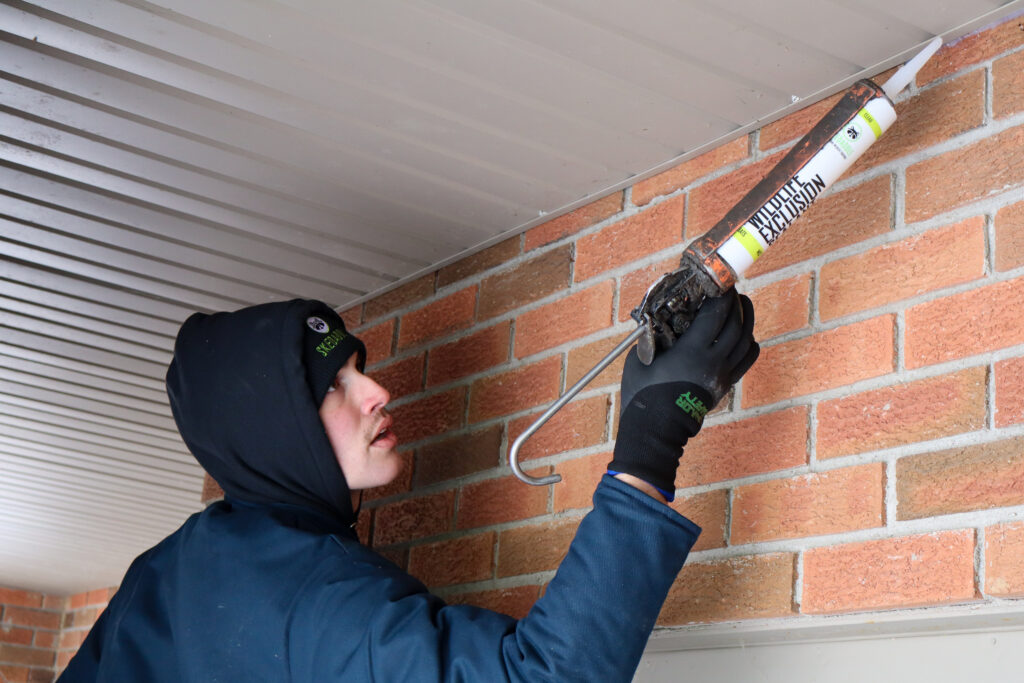
- Seal gaps and vents: Ensure that small openings are secured to reduce bat entry points.
- Maintain ventilation: Proper airflow helps minimize humidity and airborne particle accumulation.
- Clean and monitor: Keep attics organized and free of debris to make early signs of guano more visible.
- Professional support: Skedaddle can assess attics for bat droppings, advise on air quality risks, and recommend preventive strategies safely.
Implementing these measures can significantly reduce attic bat guano risks and help maintain clean indoor air. Skedaddle professionals ensure that inspections and preventive actions are conducted safely, protecting both the home and the bats themselves.
Protecting Your Home and Family
Bat droppings air quality is a serious concern for Ohio homeowners. Taking proactive steps can prevent indoor air issues and maintain a healthy home environment.
- Early inspections reduce risk: Regularly monitoring attics helps prevent guano accumulation.
- Professional guidance ensures safety: Skedaddle provides expert evaluation and advice to minimize indoor air quality bat issues.
- Preventive maintenance preserves home health: Sealing gaps, ensuring ventilation, and addressing warning signs keeps attics and air safe.
Understanding the impact of bat droppings on indoor air quality allows homeowners to take timely action. Proactive maintenance and professional support keep homes comfortable and healthy while respecting wildlife.
Even in winter, when bats are less active, ensuring that attics remain clean and ventilated is essential for long-term indoor air quality and family health.
Keep Your Attic Safe and Healthy
When it comes to bat droppings, air quality is a significant concern for homes in Ohio, but with careful observation and proactive measures, it is manageable. Recognizing early signs of bat activity, maintaining proper ventilation, and consulting professionals like Skedaddle ensures that indoor air remains safe and comfortable.
Monitoring attics for droppings and odors, sealing vulnerable entry points, and following professional guidance reduces health risks and maintains the structural integrity of your home. At Skedaddle, we help homeowners navigate attic bat guano risks safely and effectively, providing solutions that protect both your home and the local bat population.
By staying informed and proactive, you can maintain healthy indoor air, prevent potential issues, and ensure your attic remains a safe, clean, and secure space throughout the winter months and beyond.

 Loading...







