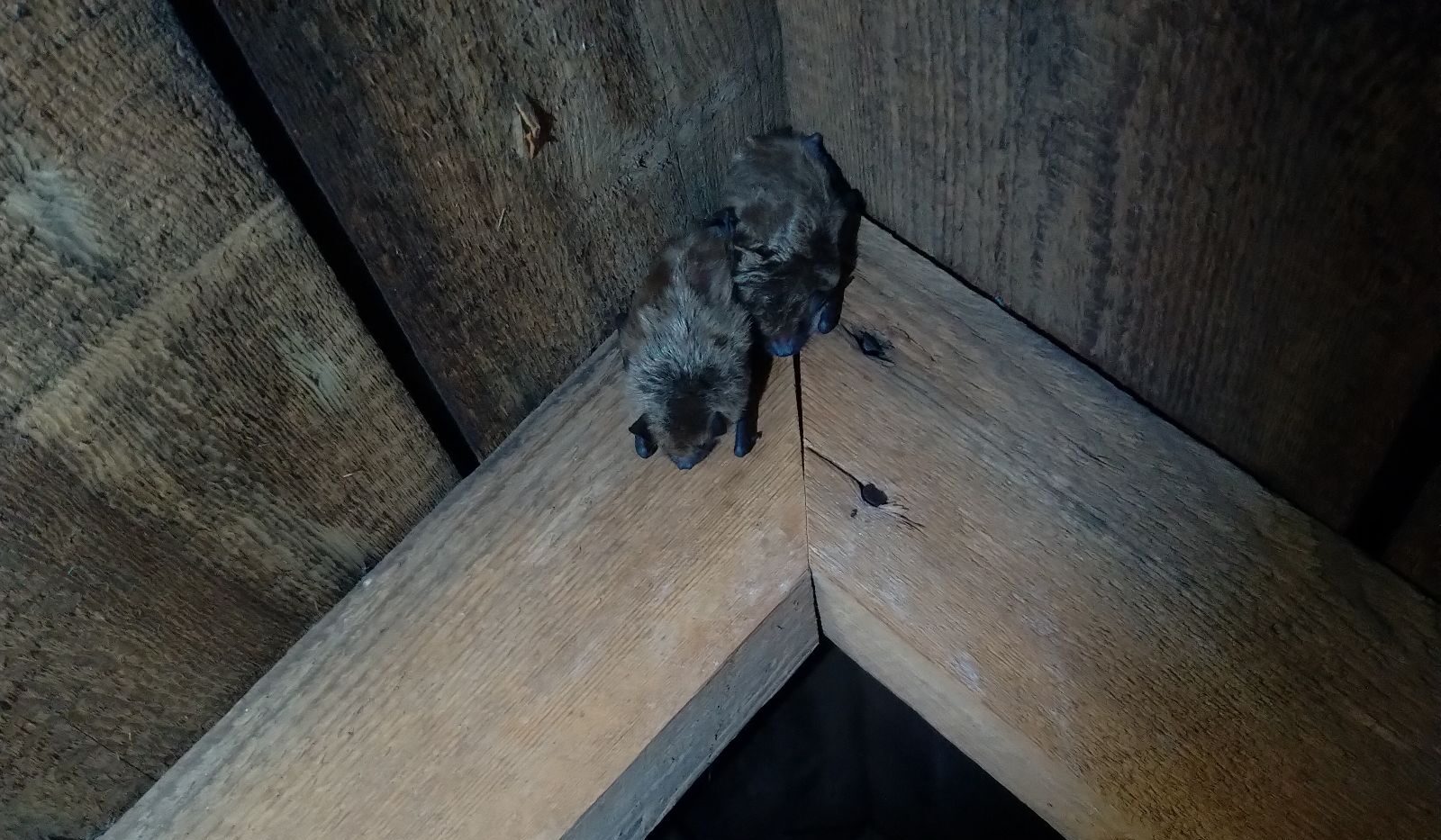
Bats are mysterious creatures that often get a bad reputation. When people see them swooping through the night sky or find one inside their home, fear is usually the first reaction. But should you actually be afraid of bats? While they might seem scary, most bats are harmless and play a key role in our environment by eating insects and pollinating plants. However, that doesn’t mean they are safe to handle or have around your home.
Bats can carry diseases like rabies, which makes them potentially dangerous if they feel threatened or cornered. They may also leave behind droppings, which could cause health issues if left unchecked. If bats find their way into your home or attic, it’s important to take action quickly. That’s where we come in. At Skedaddle Humane Wildlife Control in St. Paul, our team knows how to handle these situations with care and professionalism.
This blog will cover the risks bats may bring to your property, how to tell if they are dangerous, and what steps you can take to keep your home safe. With our help, you’ll have peace of mind knowing the problem is handled the right way. Stay tuned for clear, practical advice backed by expert knowledge.
Can a Bat Hurt My Pet?
Yes, a bat can hurt your pet if they come into direct contact. Dogs and cats are naturally curious and often try to chase or catch bats. If your pet corners a scared flying mammal, the bat will use its natural defences to protect itself.
This bite is very dangerous because it can pass on serious diseases like rabies. The teeth of these flying animals are incredibly sharp and small. A bite mark might be hidden under your pet’s fur, making it easy to miss completely.
You should always make sure your pets have their current rabies vaccines. If you think your dog or cat touched a wild animal, call your vet right away. Keep your pets away from any wildlife you find inside or outside your house.
Why Bats Can Cause Harm
There are several reasons why these animals pose a threat when they move into your living space. While they do not drink human blood or attack people on purpose, they bring serious health risks. Their small size allows them to squeeze through tiny cracks in your roof or walls.
Once inside, they leave behind droppings that pile up quickly and damage your home. They can also carry harmful viruses that put your whole family at risk. Because their teeth are like tiny needles, a bite can happen without you even feeling it.
You should never try to handle the situation yourself. Doing the work yourself exposes you to unnecessary danger and health risks. Our professional team knows exactly how to handle these situations safely. Here is a closer look at the specific dangers they bring to your property.
Rabies Transmission Risks
Rabies is a very serious disease that can spread to humans from infected animals. It is most often transmitted through bites, scratches, or even saliva from an infected bat. Understanding these risks is important to protect your family and prevent the spread of this dangerous virus.
- Carriers of the Virus: Most of these animals do not have rabies in the wild. However, they are still one of the main carriers of the virus in North America. If an infected bat bites you, the virus can spread into your body. This is a very serious illness that requires fast medical care.
- Signs of Infection: You cannot always tell if a bat is sick just by looking at it. A sick bat might show strange behaviour, like being active during the day or resting on the ground. You should stay far away from any wildlife acting strangely and call us for help.
- Direct Contact Dangers: The virus only spreads through direct contact like bites or scratches. This means you are safe if you just see one flying outside. But if you find one inside your house, the risk of contact goes up greatly.
The Danger of Undetected Bites
Sometimes, it can be hard to know if you’ve been bitten or scratched by a bat. Their teeth are very small, and the marks they leave might not be easy to see. This is why it’s important to take any close contact with a bat seriously, even if you don’t notice a bite right away.
- Needle-Like Teeth: These animals have very tiny, sharp teeth for eating insects. When they bite, it might feel like a tiny pinprick or nothing at all. You might not see any blood or clear marks on your skin.
- Sleeping Risks: The biggest danger happens if you wake up with one in your bedroom. You could have been bitten while sleeping without ever knowing it. This is why doctors take nighttime encounters very seriously.
- Vulnerable Family Members: Children and people who cannot communicate well are at a higher risk. They might not be able to tell you if they were touched or scratched. You must take immediate action if you find wildlife in a room with a vulnerable person.
Histoplasmosis and Droppings
Histoplasmosis is a disease you can get from breathing in a fungus found in bird or bat droppings. When these droppings dry, tiny particles can get into the air and be inhaled without you knowing. It’s important to understand the risks and how to protect yourself and your loved ones.
- Fungus Growth: These animals produce waste called guano. When this waste builds up in your attic, it grows a dangerous fungus. This fungus creates tiny spores that float into the air.
- Breathing Hazards: If you breathe in these spores, you can get a serious lung infection known as histoplasmosis. This illness causes fever, cough, and chest pain. It is especially dangerous for anyone with a weak immune system.
- Safe Cleanup: Property owners should never try to clean up guano themselves. Sweeping or vacuuming the waste pushes the dangerous spores right into the air. Our team uses proper safety gear to clear away the mess safely.
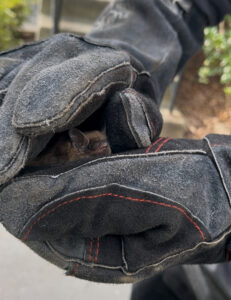
When to Be Concerned in St. Paul
Living in St. Paul means dealing with cold winters and changing seasons. These animals often look for warm, safe places to stay when the temperature drops. Your attic or wall spaces provide the perfect winter home for them to escape the cold.
You should be very concerned if you hear scratching or squeaking noises from your ceiling. You might also notice a strong, bad smell coming from your attic vents. Finding even one of these creatures in your living space usually means a larger group is hiding nearby.
Local building styles in our area often have small gaps near the roofline. These tiny openings are all the bats need to get inside your warm house. It is vital to call Skedaddle Humane Wildlife Control in St. Paul as soon as you spot these warning signs.
Professional Bat Prevention: What to Know
After sealing any entry points, we clean up the mess left behind by wildlife. Bats can leave behind nests, droppings, and damage that can attract new pests or cause health issues for your family. Our team uses safe and effective cleaning methods to remove debris and sanitize the area. This helps ensure your home is clean and protected from future problems.
Once your home is secure, we take extra steps to make sure wildlife does not return. This includes professional-grade materials like heavy-duty mesh, chimney caps, and vent covers to block off potential access points. We focus on blending these solutions with the design of your home so that the prevention measures are both effective and discreet. This gives you peace of mind knowing your home is protected without changing its appearance.
At Skedaddle Humane Wildlife Control, we believe in long-term solutions. Wildlife can sometimes return if prevention steps are not done properly. That’s why we provide ongoing support and advice to help keep your home safe. Whether it’s inspecting for new vulnerabilities or offering maintenance tips, our team is here to ensure your family can enjoy a wildlife-free home for years to come.
Frequently Asked Questions
Are bats blind?
No, they are not blind and actually have very good eyesight. They use their vision along with a special sonar system to find insects in the dark.
Do they drink human blood?
The species found in our area only eat insects like mosquitoes and moths. Vampire bats do drink animal blood, but they do not live in the United States or Canada.
Can they get tangled in my hair?
They do not want to fly into your hair. If they fly near you, they are just trying to catch bugs that are flying around you.
Will they attack me?
They are not aggressive and will try to avoid you. They will only bite if you try to grab them or if they feel trapped.
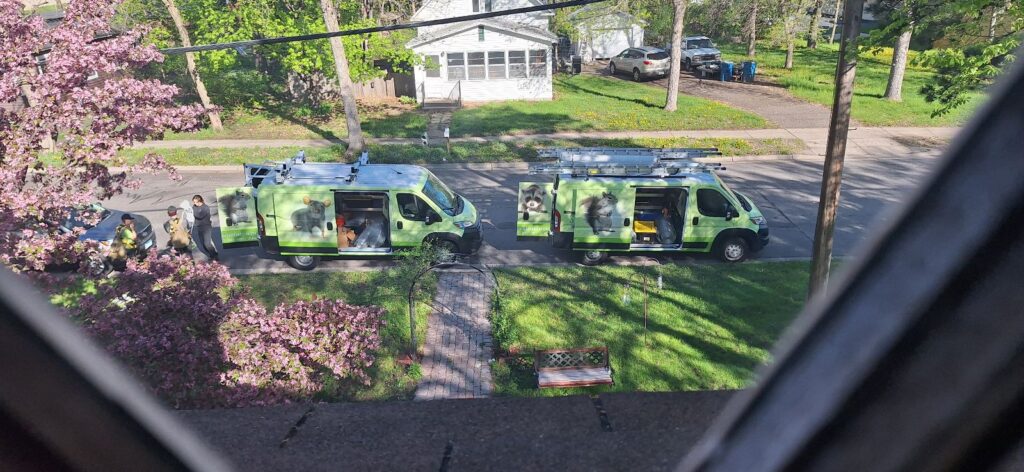
If You Got Bats, Skedaddle is Here to Help
You don’t have to live in fear of bats causing trouble in your home. While wildlife plays an important role in the environment, helping with pest control and pollination, these animals should stay outside where they belong. When they get into your home, they can cause serious problems, from damaging your property to spreading germs and disease. Trying to handle the situation on your own can be dangerous and put your health at risk.
At Skedaddle Humane Wildlife Control in St. Paul, we have the experience and tools needed to take care of the problem safely and effectively. Our team of experts will remove the animals without harm, clean up any mess they’ve made, and take steps to ensure your home stays protected in the future. You can trust our reliable and proven methods to keep your family and home safe.
Dealing with wildlife in your house doesn’t have to be stressful. Contact Skedaddle Humane Wildlife Control today to request an estimate or learn more about our services. We’re here to help, so you can relax knowing your home is secure and healthy once again.

 Loading...







