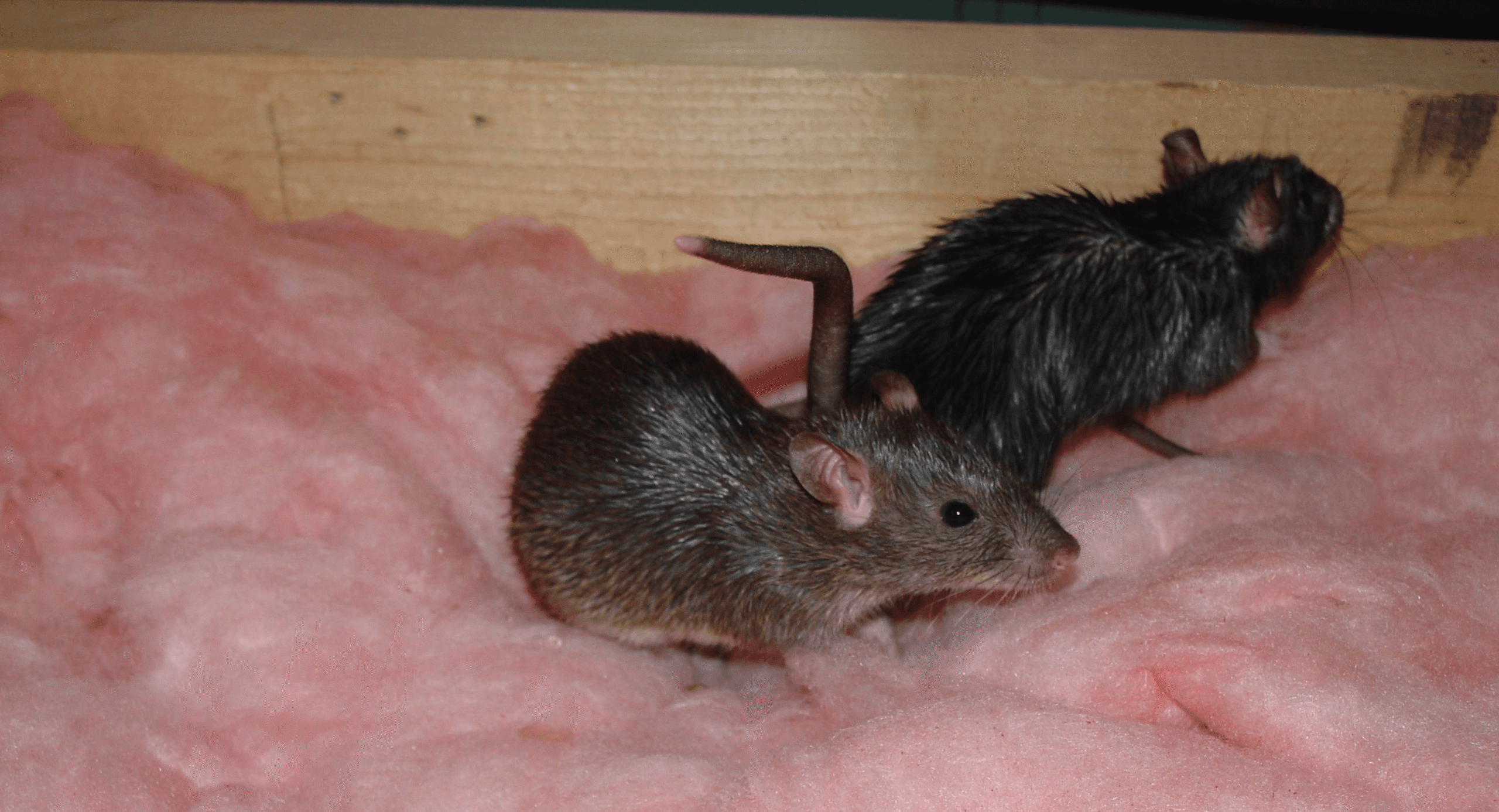
One rat. That’s all it takes. If you’ve spotted a single rat in your home, you’re not dealing with a stray visitor – you’re likely looking at the tip of a much bigger problem hiding in your walls, attic, or basement. At Skedaddle Humane Wildlife Control in St. Paul, we know exactly how one can turn into a full-blown infestation and what to do to stop it.
These creatures are social by nature. They live in groups, communicate through scent, and breed at a rate that can turn a single animal into a colony of dozens, or even hundreds, in just a few months. When you see one, it has almost certainly already mapped out your home and left behind chemical signals that invite others to follow. The longer the problem goes unaddressed, the harder it becomes to resolve.
You deserve to know what you’re up against. In this blog, Skedaddle Humane Wildlife Control in St. Paul walks you through the key reasons a single sighting becomes many, what signs point to a growing colony, what happens inside your walls when a colony moves in, and how our team handles removal and prevention the right way.
How Many Rats Are in My House?
If you’ve seen one, there are likely more. They rarely travel alone, and a visible rodent is usually part of a larger colony already nesting nearby. Experts estimate that for every one you see, there may be five to ten more hiding out of sight.
The reason you rarely see the full colony is simple: these creatures are nocturnal and extremely cautious. They stick to hidden runways along walls, inside ceilings, and beneath floors. You might catch a glimpse of one during the day, but that typically means the population has grown large enough that competition for food and space is pushing some members into the open.
A colony can number in the dozens within just a few months of getting established. That’s why a single sighting should never be brushed off. The moment you spot one, it’s time to call our team so we can assess what’s really going on inside your home.
Rapid Reproduction
Rats are among the fastest-breeding mammals on the planet. A single female can produce five to ten litters per year, with six to twelve pups in each litter. Those pups reach breeding age in as little as five weeks. Do the math, and one becomes dozens within a single season.
This exponential growth is what makes early action so important. What starts as a small nest in your attic or wall cavity can expand rapidly before you ever notice the warning signs. They breed year-round, so there’s no slow season – the colony simply keeps growing as long as conditions inside your home support it.
Here’s what rapid breeding looks like in practice:
- One Female, Five Months: A single female can produce up to 50 pups in just five months. Each of those pups reaches breeding age in as little as five weeks, which means the colony starts multiplying before you even know it’s there. What starts as one can grow to dozens by the time any signs show up inside your home. That’s why our team always stresses the importance of acting fast at the very first sighting.
- Year-Round Breeding Cycle: Unlike some wildlife that slows down in cold weather, these rodents breed all year long. A warm attic, heated basement, or insulated wall cavity gives them everything they need to stay active through even the coldest St. Paul winters. There is no off-season when it comes to reproduction. That means the colony inside your home keeps growing every single month it goes unaddressed.
- No Natural Predators Indoors: Inside your home, the colony faces no hawks, foxes, or other natural threats that would normally keep numbers in check. With food, warmth, and shelter all taken care of, there is nothing slowing them down. The infestation will keep growing and spreading into new areas of your home until something stops it. That something is our team at Skedaddle and the sooner we get in, the less damage you’ll be dealing with.
Pheromone Trails
Rats communicate in ways you can’t see. As they move through your home, they leave behind scent trails called pheromones. These invisible chemical signals act like a map and a message — telling others exactly where to go, where to find food, and where it’s safe to nest.
These pheromone highways don’t go away on their own. They persist inside your walls, along baseboards, and near food sources long after the colony has moved through. That’s one of the biggest reasons they keep returning to the same spots and why new ones from outside your home can follow the same paths in.
Here is how pheromone trails fuel the problem:
- Entry Point Signaling: Once one finds a gap or crack that leads into your home, it marks that entry point with scent. Others in the colony pick up that signal and use the same opening, turning one discovery into a shared highway. The more that pass through, the stronger the scent signal gets — and the more activity that opening attracts. That’s why finding and sealing every entry point is one of the most important things our team does.
- Food Source Memory: These creatures have excellent spatial memory and leave scent markers near any reliable food source they find. Your pantry, pet food bowl, or garbage area becomes a marked destination they return to again and again. They also share that information with others in the colony, so one food source found quickly becomes a target for many. Our team addresses not just the colony itself but the conditions and access points that keep drawing them back.
- Persistent Scent After Removal: Even after the colony leaves or is excluded from your home, the scent trails they left behind don’t disappear on their own. Those invisible markers keep advertising your home to any new ones that pass nearby. This is one of the key reasons professional cleanup is a critical part of our process at Skedaddle — removing the scent removes the invitation. Without that step, a newly sealed home can still attract future activity from outside.
Colony Life
These rodents don’t just wander into homes by accident. They operate as a colony with a clear social structure. There are dominant members, subordinate members, and scouts, individuals that venture out to find new food and shelter. When you see one, you’re almost always seeing a scout that has already reported back to the group.
As the colony settles in, they expand their nesting areas aggressively. They gnaw through insulation, wiring, wood framing, and even plastic pipes to build out their networks inside your walls and ceiling. What starts as one small nest can branch into multiple nesting sites across your home within a matter of weeks.
The damage builds quietly. Most homeowners don’t realize how far a colony has spread until they see significant signs – chewed wires, damaged insulation, greasy smear marks along walls, or the sounds of movement behind their ceilings at night. By that point, the infestation is well-established and the structural damage is already underway. That’s exactly why we encourage homeowners to call us at the first sign of activity rather than waiting to see how things develop.
Nesting Expansion
As a colony grows, it needs more space. They gnaw new pathways through walls, insulation, and structural cavities to make room for expanding numbers. What starts as one small nest can branch into multiple nesting sites spread across your entire home.
The damage that comes with nesting expansion is serious. They chew through electrical wiring, shred insulation, and burrow into wood framing as they build out their network. Each new pathway created weakens your home’s structure and raises the risk of fire from damaged wiring.
The bigger the colony gets, the harder it becomes to find every nesting site. These creatures are excellent at staying hidden, and their nests can be tucked deep inside wall cavities and ceiling spaces that are difficult to access. Our team knows exactly where to look and how to assess the full extent of the damage before putting a plan in place.
Seasonal Pressure
When temperatures drop in St. Paul, these rodents don’t tough it out in the cold – they move inside. Your home offers everything they need: warmth, shelter, and a steady food source. Fall and early winter are some of the busiest times of year for rodent activity in residential neighborhoods.
Nearby construction and landscape changes also push established colonies toward homes. When their outdoor habitat gets disturbed, they relocate quickly and in groups. One disrupted colony can scatter across an entire neighborhood in a short period of time.
All it takes is one finding a way in to set things in motion. A scent trail gets left at the entry point, and others follow. What started as a single point of access quickly becomes a busy route for the whole colony, which is exactly why our team focuses on finding and sealing every opening when we inspect your home.
Entry Points
A rat can squeeze through an opening roughly the size of a quarter. That’s all it needs. Gaps around pipes, cracks in your foundation, loose soffits, damaged vents, and spaces under doors are all common entry points that get exploited. And once one finds a way in, it doesn’t take long for that opening to become a well-traveled route.
They also gnaw actively at entry points to make them larger and easier to pass through. A small gap that lets in one can become a wide opening over time as multiple animals chew at the edges. In St. Paul’s older housing stock, these vulnerabilities are common – aging materials, settled foundations, and worn weather-stripping all create opportunities that are quick to be found.
Here is what entry point exploitation looks like in practice:
- Seasonal Pressure Drives Entry: As temperatures drop in the fall, these rodents actively search for warm shelter. Your home becomes an attractive target, and even a minor gap in your exterior is enough for a determined one to push through and establish itself inside.
- Gnawing Widens the Opening: These creatures have teeth that never stop growing, which means they chew constantly. An entry point that starts as a quarter-sized gap can be widened to accommodate an entire colony within days. The more that use the opening, the faster it expands.
- One-Way Doors Stop the Cycle: Our team installs one-way doors at active entry points that allow the colony to exit your home but prevent them from coming back in. Once they have vacated, we seal every opening with heavy-duty materials they cannot chew through, cutting off access for good.
Burrow Networks: The Hidden World Under Your Property
The activity you see inside your home is often connected to a much larger network underground. These creatures are skilled burrowers. What begins as one animal digging beneath a deck, shed, or foundation can quickly expand into a complex tunnel system housing an entire extended colony.
These burrow networks give the colony a protected base of operations just outside your home. The tunnels are used to store food, shelter young pups, and move between feeding areas and nesting sites. They also connect to your home’s interior through foundation cracks and gaps, making the burrow and the infestation inside your walls part of the same problem. Addressing only the interior of your home without dealing with the exterior colony means the problem will continue.
Rat Removal and Prevention in St. Paul: What We Do at Skedaddle
When our team arrives at your home, we don’t just look for the obvious signs. We conduct a thorough inspection of your entire property, inside and out, to find every entry point, every nesting site, and every runway the colony is using. That full picture is what allows us to put together a plan that actually works.
Our approach centers on exclusion. We install one-way doors at active access points so the colony can leave on their own but cannot get back inside. Once they have exited, we seal every entry point using galvanized steel mesh and other materials they simply cannot chew through. That combination of exit without re-entry, followed by permanent sealing is what makes our method effective long-term.
Here is what our removal process covers:
- Full Property Inspection: Our technicians examine your home from foundation to roofline, checking for entry points, signs of gnawing, droppings, smear marks, and nesting material. We identify not just where the colony is active now, but where they could get in next.
- One-Way Door Installation: We place custom one-way doors at the primary access points the colony is using. They can push out through the door to forage but cannot push back in. This gradually empties the structure of its residents without trapping any animals inside.
- Entry Point Sealing: Once our team confirms the colony has vacated, we seal every opening with heavy-duty, chew-resistant materials. This step is what prevents a new colony from moving in and eliminates the entry points that scent trails have been marking for future activity.
- Cleanup and Remediation: Droppings, urine, and nesting material carry health risks and persistent scent that can attract future activity. Our team handles all cleanup and remediation professionally, homeowners should never handle contaminated material themselves. We take care of it so you don’t have to.
Rats in St. Paul: Local Challenges Homeowners Face
St. Paul’s climate and housing stock create a perfect environment for rodent activity. The city’s harsh winters drive them indoors earlier and more aggressively than in warmer parts of the country. Many neighborhoods feature older homes with aging foundations, settled masonry, and worn exterior materials — all of which develop the kinds of small gaps and cracks these creatures are built to find and exploit.
Construction activity, nearby development, and changes to the local landscape can also push established colonies toward residential areas. When their outdoor habitat is disturbed, they move and your home can quickly become the most attractive option nearby. Urban and suburban neighborhoods alike see spikes in activity during periods of local construction.
Our team at Skedaddle Humane Wildlife Control in St. Paul knows the local conditions well. We understand how older building styles create vulnerability, how seasonal pressure affects colony behavior in the Twin Cities area, and where to look for entry points that a homeowner might never notice. That local knowledge makes a real difference in how effectively we protect your home.
Frequently Asked Questions
How do I know if I have a rat infestation?
Common signs include droppings along walls or near food sources, gnaw marks on wood or wiring, greasy smear marks along baseboards, scratching or scurrying sounds at night, and nesting material made from shredded insulation or fabric. If you notice any of these, contact us right away.
Are rats dangerous to my family's health?
Yes. These rodents carry diseases, bacteria, and parasites that can be harmful to humans and pets. Their droppings and urine can contaminate surfaces and air quality. This is why we strongly advise homeowners not to handle any related material and to call our team for professional remediation.
Can rats cause structural damage to my home?
Absolutely. They gnaw constantly and will chew through electrical wiring, insulation, wood framing, and even plastic pipes. Damaged wiring is a known fire risk, and compromised insulation raises your energy costs. The longer a colony stays, the more extensive the damage becomes.
Will rats leave on their own if I clean up food sources?
Unlikely. Once a colony has established a nest inside your home, they are highly motivated to stay. Removing food access may slow their activity slightly, but an established group will find alternative sources and continue nesting until the entry points are sealed and the colony is excluded by our professionals.
Why are rats more active in fall and winter in St. Paul?
Minnesota winters push them to seek warm shelter. As temperatures drop, the colony actively searches for heated spaces - your attic, wall voids, and basement all offer exactly what they need. Fall is one of the most common times we get calls from St. Paul homeowners who've noticed sudden rodent activity inside their homes.
Stop One Rat Before It Becomes a Colony, Call Skedaddle
One rat is a warning sign you should never ignore. These creatures reproduce fast, communicate through scent, and live in social colonies that grow quickly once they get settled inside your home. A single sighting can turn into a serious infestation before you ever see the full picture. The longer it goes without professional attention, the bigger the problem gets.
Trying to deal with it on your own rarely works. They are smart, cautious, and extremely good at staying hidden. Without finding and sealing every entry point, the colony simply keeps coming back. That’s where our team comes in.
At Skedaddle Humane Wildlife Control in St. Paul, we handle everything from start to finish. We inspect your home inside and out, install one-way doors to exclude the colony, seal every opening with materials they can’t chew through, and clean up what’s been left behind. You don’t have to touch a thing – that’s our job. Our team takes care of the whole process so you can stop worrying and get back to normal.
Request an estimate today and let Skedaddle put a stop to the problem before it gets any bigger.

 Loading...







