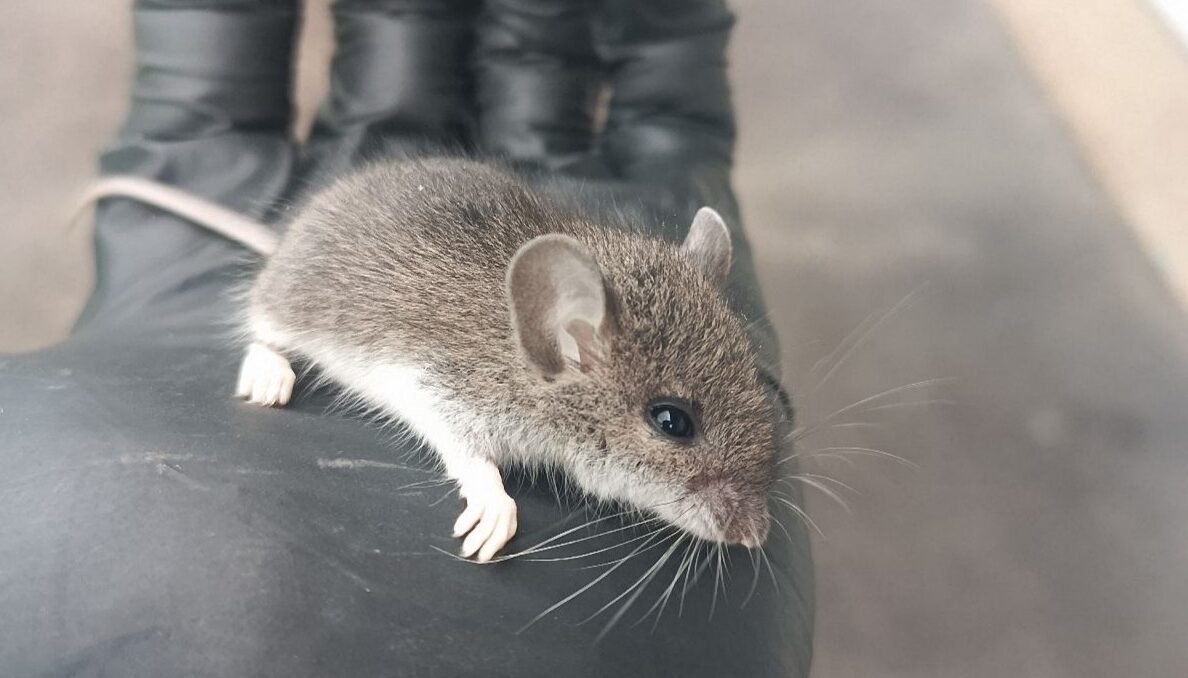
You hear scratching in the walls. You find droppings near the stove. You head to the hardware store, grab a few traps, set them out, and wait. A few days later you catch one — maybe two. You think the problem is handled. But a week later the sounds are back, the droppings are back, and you are right where you started.
DIY mouse control almost always falls short because it treats the signs without fixing the cause. Traps catch one mouse at a time but do nothing to stop the dozens more that may already be living in your walls. Store-bought products are not built for a real infestation. And cleaning up droppings the wrong way can actually make things worse by spreading harmful bacteria into the air. Every day the real problem goes unaddressed, the population grows and the damage gets worse.
At Skedaddle Humane Wildlife Control in St. Paul, we see this every season. Homeowners spend months trying to handle a mouse problem on their own before calling us. In this blog, you will learn why DIY methods fall short, what risks they create, and why professional wildlife removal is the only approach that fully resolves the problem.
Should You Try DIY Mouse Traps?
No. Store-bought traps can catch individual mice, but they do not address why they are getting in, where they are nesting, or how many are actually there. Setting a few traps in the kitchen looks like progress, but the colony living in your walls is not affected at all. You are dealing with the visible end of a much bigger problem.
Traps also come with real risks when not handled correctly. Snap traps left unchecked leave dead mice in place, which creates odor and attracts other pests. Poison bait is even more of a problem — animals that eat poison often die deep inside walls or under floors where they are impossible to reach. The smell and the secondary pest problems that follow are often worse than the original situation.
The real issue with any DIY approach is that it does not find and seal the entry points. As long as those gaps exist, new mice keep coming in no matter how many traps are set. Our team at Skedaddle finds every entry point, seals them with the right materials, and deals with the full infestation. Not just the animals that happen to walk across a trap. That is the difference between treating a symptom and actually solving the problem.
Inadequate Materials
Hardware store products are made for light, occasional activity. Not an active infestation in a St. Paul home where a colony has been growing for weeks or months. Here is where store-bought solutions fall short:
- Consumer Traps Are Not Built for Large Populations: A snap trap or glue board catches one mouse at a time. In a home with a real infestation, you could be dealing with dozens of animals spread across the walls, attic, and crawlspace. Setting five traps in the kitchen while a large colony lives in the wall voids nearby is not going to fix anything. Consumer traps give the feeling of progress while the real population stays untouched.
- Store-Bought Sealants Do Not Hold Up: Caulk, spray foam, and steel wool from a hardware store can work for a short time, but these materials are not built to stand up to a mouse that chews constantly to file its teeth down. Foam and caulk can be chewed through in just a few days. Without the right sealing materials and a full inspection to find every gap, mice find another way in quickly.
- Poison Bait Creates New Problems: Mice that eat poison do not die right away. They travel deep into wall voids, insulation, or other tight spaces before dying. That leaves a decomposing body somewhere inside your home’s structure that produces a strong smell, attracts flies and insects, and is nearly impossible to find without the right tools. This outcome is very common when homeowners try poison bait on their own.
Health Risks From Improper Droppings Cleanup
Cleaning up mouse droppings without the right training and gear is one of the most overlooked hazards of DIY mouse control. You do not have to touch a live animal to get sick. Here is what you need to know:
- Droppings Carry Harmful Bacteria and Viruses: Mouse droppings and urine can carry hantavirus, salmonella, leptospirosis, and other germs that make people very sick. Hantavirus is a real concern in Minnesota and can be spread just by breathing in dust from dried droppings. Simply sweeping up droppings without the right gear sends those particles into the air. Homeowners should never sweep, vacuum, or touch droppings — call our team instead.
- Contamination Spreads Beyond What You Can See: Mice urinate as they move, leaving invisible trails across every surface they cross — countertops, pantry shelves, cabinet interiors, and walls. The droppings you can see are only part of the problem. Without our professional sanitation treatment, those contaminated surfaces stay dangerous long after the visible mess is gone. Regular household cleaners are not strong enough to kill the germs left behind.
- Disturbing Droppings Makes Exposure Worse: Moving dried droppings without containment releases tiny particles into the air that can be breathed in before you realize it. This is one of the biggest risks of trying to clean up on your own. Our team uses the right protective gear, containment steps, and professional disinfectants to handle droppings safely. This is not a job that should be done without that level of preparation.
Structural Damage From Poisoned Rodents Dying in Walls
Poison bait seems like a simple fix, but most homeowners do not think through what happens next. Here is what our team deals with regularly after a DIY poison attempt:
- Dying Mice Go Deep Into the Structure: After eating poison, these animals get disoriented and move toward dark, enclosed spaces as they weaken. They often end up dying inside wall voids, under floors, or in insulation — places that are not accessible without cutting into the structure. Finding the carcass requires tools and training that most homeowners do not have.
- Decomposing Carcasses Cause Big Problems: A decomposing animal inside a wall produces a very strong odor that can fill nearby rooms for weeks. It also draws in flies, beetles, and other insects that feed on organic material and then spread through the home. The secondary pest problem that follows is often worse than the original situation. Our team responds to this regularly after homeowners have tried poison on their own.
- Removing Carcasses Requires Professional Help: Getting a carcass out of a wall or under a floor is not something most homeowners can do themselves. It often means cutting into drywall, pulling up flooring, or getting into the crawlspace with the right gear. Our team can find and remove decomposing material safely and then treat the area to get rid of the smell and clean up the space. This is an added cost that comes with a DIY poison approach that seemed simple at the start.
Why Professional Inspection Matters
Our professional inspection is the starting point for any mouse control process that actually works. Without it, you are guessing at the size of the problem and where the mice are getting in and those guesses almost always leave the problem in place.
Our team checks the full interior and exterior of your home for every active entry point, every sign of nesting, and every area that has been damaged. Mice can squeeze through a gap as small as a dime, and those gaps show up in places most homeowners never check — along the foundation, around pipes, between siding and trim, and under doors that no longer seal right. Finding all of them takes experience and knowledge of where these animals typically enter different types of homes.
The inspection also shows us how serious the situation really is. Droppings in the kitchen and scratching in the walls are the visible part of a problem that is often much larger inside the structure. Our team uses the inspection to figure out how far the activity has spread, where the nesting spots are, and what the sealing and cleanup work needs to cover. That information is what makes a lasting fix possible instead of a partial one that falls apart in a few weeks.
Professional Sealing and Sanitation
Our professional wildlife removal goes far beyond setting traps. Here is what our team provides that store-bought products simply cannot:
- Thorough Inspection to Find Every Entry Point: Our team checks every part of your home’s exterior and interior for active entry points. Not just the obvious ones. Foundation gaps, pipe penetrations, worn door sweeps, soffit joints, and crawlspace openings are all part of a complete inspection. We find what is being missed and make sure the sealing work covers the full perimeter of your home. One missed entry point is all it takes for the problem to continue.
- Guaranteed Structural Sealing With Professional-Grade Materials: We seal every entry point with materials that stand up to persistent chewing, not caulk or foam that breaks down in a few days. Our sealing work is based on what the inspection finds and covers the full exterior of the home. The thoroughness and the materials we use are not something a hardware store product can match. Our work is also backed by a guarantee that no consumer product offers.
- Safe Sanitation to Eliminate Odors and Pathogens: After removal and sealing, our team treats all contaminated areas with professional disinfectants and enzyme cleaners that get rid of bacteria, viruses, and the scent trails mice use to navigate. Scent trails are one of the most overlooked parts of mouse control. They signal to new animals that the route is safe and keep pulling them in even after the original population is gone. Our sanitation process removes those signals along with the health hazards so the problem does not start over.
Mouse Issues in St. Paul
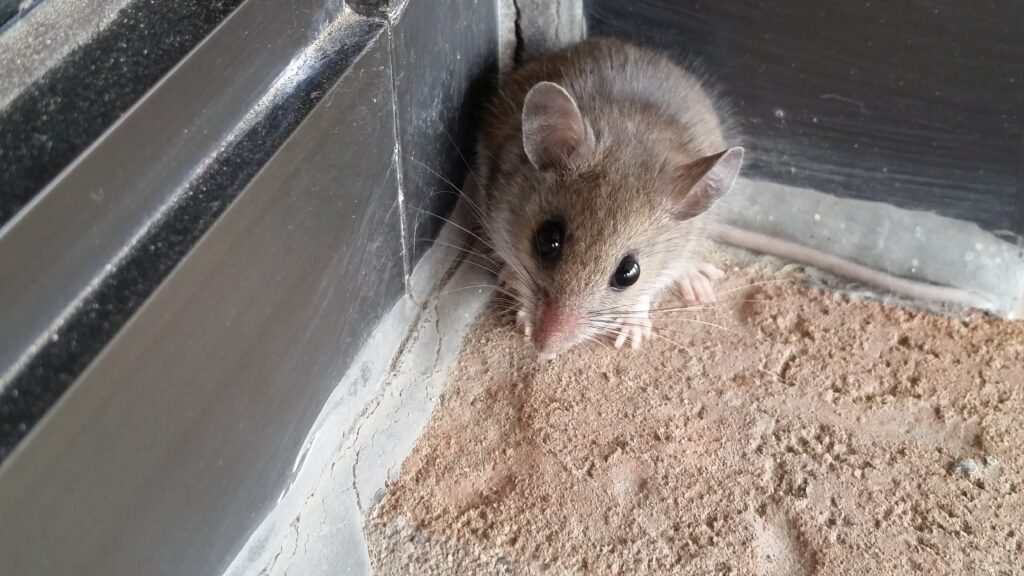
St. Paul’s older homes, cold winters, and packed residential neighborhoods create steady pressure for homeowners dealing with mouse activity. Mice need warm shelter as temperatures drop, and the city’s aging foundations, older utility connections, and large trees give them plenty of ways to get close to and inside homes. Our team at Skedaddle works across St. Paul every season and sees the same entry points and conditions show up across the city again and again.
Fall is the busiest entry season in St. Paul. As it gets cold outside, mice move toward warm structures and find their way in through gaps that have been there all along. By the time most homeowners notice the signs — droppings, scratching, or chewed food packaging — the population inside the structure is usually already large. Getting on top of it in early fall, before the full winter push, is always easier than waiting until the signs are everywhere.
Once inside during a St. Paul winter, mice move deeper into the heated parts of the home. Activity that starts in the crawlspace or basement in fall often spreads into wall voids and kitchen areas by mid-winter. The longer they are inside, the more established the population becomes and the more damage piles up. Our team is active across the city year-round and moves quickly to get ahead of situations before they grow into bigger problems.
Mouse Removal and Prevention with Skedaddle
When you call our team at Skedaddle, we start with a full inspection — inside and out. We find every active entry point, check the size of the infestation, and look for signs of nesting, contamination, and structural damage before any work starts. Older St. Paul homes especially need a thorough look because entry points are rarely limited to just one spot.
Once we know the full picture, we seal every entry point with materials that hold up long-term against chewing and weather. Where needed, we use one-way doors that let mice already inside get out on their own but stop them from coming back in. After the home is clear, every opening gets permanently sealed. Homeowners should never try to seal entry points on their own — without a professional inspection, gaps get missed and the infestation goes on.
Cleanup and prevention finish the job. Our team removes nesting material, treats contaminated surfaces with professional enzyme cleaners and disinfectants, and fixes the conditions that made your home a target. You do not need to handle any droppings, touch any nesting material, or figure out where they are getting in. Call our team at Skedaddle Humane Wildlife Control in St. Paul the moment you notice signs of activity and let us handle every step from start to finish.
Frequently Asked Questions
How do I know if I have a serious mouse infestation or just one or two?
A few droppings or one caught on a trap usually means a much larger population is living in the walls, attic, or crawlspace. Mice stay hidden during the day, so what you see is rarely the full picture. A professional inspection is the only reliable way to know how serious the situation actually is.
Can mice get in through a hole the size of a dime?
Yes. These animals can squeeze through a gap as small as a quarter inch - about the size of a dime. Gaps around pipes, cracks in the foundation, worn door sweeps, and small openings between building materials are all ways in. Finding and sealing all of them requires a full professional inspection of your home's exterior.
Is it safe to vacuum up mouse droppings?
No. A regular vacuum stirs up dried droppings and sends harmful particles into the air, including hantavirus. Droppings should never be swept or vacuumed without proper protective gear and containment. Homeowners should not try to clean up droppings at all — call our team and we will handle it safely.
How long does it take for a mouse infestation to become serious?
Very quickly. A breeding pair can produce multiple litters in just a few months, and the young start breeding in just a few weeks. A small number of animals that get in during early fall can become a much bigger population by winter. Acting early always leads to a simpler and less costly fix.
Do mice come back after professional removal?
Not when every entry point is properly sealed. Re-infestation happens when gaps are missed or sealing materials break down over time. Our team uses strong professional-grade materials and checks the full perimeter of your home so nothing is left open. We also treat scent trails as part of our process to remove the signals that pull new animals back to the same spots.
What time of year is mouse activity worst in St. Paul?
Fall is the most active entry season as these animals look for warm shelter before winter. Activity goes up from September through November as temperatures drop. But infestations that start in fall keep growing through winter as the population expands deeper into the heated parts of the home.
Stop Guessing and Start Fixing
A few traps from the hardware store might catch something. But they will not find every entry point, seal the gaps, or clean up the contamination already inside your home. Every week a DIY approach is in place is another week the real problem keeps growing.
Mice breed fast and stay hidden. By the time the signs are hard to ignore, the population inside your walls is usually much larger than it looks. Partial fixes buy time, they do not solve the problem. And the longer the situation goes without a professional assessment, the more damage builds up inside the structure.
At Skedaddle Humane Wildlife Control in St. Paul, our team handles the whole job: inspection, sealing, removal, and cleanup. We find what is being missed, use materials that actually hold up, and make sure the situation is fully resolved before we are done. You do not need to figure out where they are getting in or handle any part of this yourself. Request an estimate today and let our team take care of it the right way.

 Loading...







