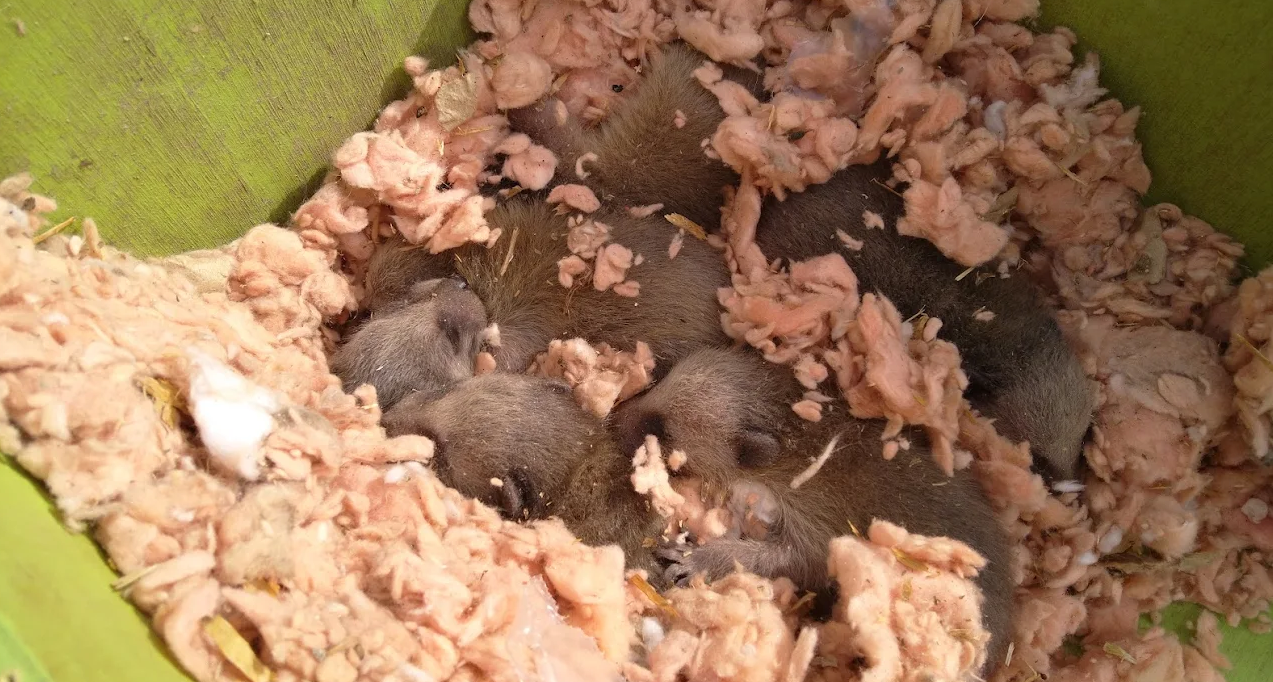
When young wildlife are discovered in your attic, walls, or yard, baby boxes play a crucial role in keeping them safe during removal. These simple but effective tools allow professionals to reunite baby animals with their mothers while ensuring your home is protected from further entry.
What is a baby box?
A baby box is a humane wildlife removal tool used to safely contain and protect young animals while allowing their mother to retrieve them. It ensures babies aren’t abandoned during exclusion work and supports natural family reunification, making it a safe and ethical solution for wildlife removal in Toronto homes and businesses.
What Is The Point Of A Baby Box?
A baby box is designed to protect vulnerable young animals when wildlife has made its way into your home. During removal, professionals carefully place babies inside a secure, temperature-controlled box near the original entry point. The mother can then safely retrieve and relocate them to a new den site.
This approach matters because many animals in Toronto, like raccoons and squirrels, are highly maternal. If babies are removed incorrectly, mothers will do everything they can to get back inside, often causing more damage.
Here’s why baby boxes are so effective:
- Keep young animals warm and protected
- Prevent separation from the mother
- Encourage natural relocation
- Reduce stress and injury risks
- Support humane wildlife removal practices
At Skedaddle, we use baby boxes alongside our one-way door systems. These doors allow adult animals to leave your home but prevent them from re-entering, ensuring a complete and humane solution.
Why Baby Boxes Matter In Toronto’s Urban Wildlife Landscape
Toronto is home to a surprising amount of wildlife. In dense neighbourhoods like The Annex, Scarborough, and Etobicoke, animals have adapted to urban life remarkably well.
Some quick stats to put things into perspective:
| Wildlife Type | Common Toronto Sightings | Peak Activity Season |
|---|---|---|
| Raccoons | High | Spring (birthing) |
| Squirrels | Very High | Spring & Fall |
| Skunks | Moderate | Spring |
| Bats | Moderate | Summer |
| Rats & Mice | Very High | Year-round |
| Birds | High | Spring & Summer |
Spring is especially critical because it’s baby season. That’s when homeowners often discover scratching in the attic or movement in the walls.
Without proper handling, removing wildlife during this time can unintentionally harm young animals. That’s exactly where baby boxes come in; they bridge the gap between protecting your home and protecting wildlife.
How Baby Boxes Work During Humane Wildlife Removal
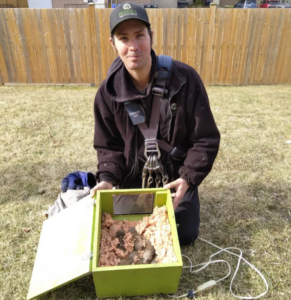 When a Skedaddle wildlife technician arrives at your home, the first step is determining whether you’re dealing with a single animal or a mother with a full litter in your attic. Our team carefully inspects the den area to check for babies, since species like raccoons, squirrels, and skunks are incredibly skilled at hiding their young in tight, dark spaces.
Finding every baby is essential. If even one is missed, it can lead to serious problems later. Once located, the babies are gently and safely removed by hand. At this stage, they are too young to move on their own, so a hands-on approach is the only safe and humane option.
Just as important as handling the babies is monitoring the mother’s behaviour. Our technicians make sure she can easily find and retrieve her young after they’ve been placed in a secure baby box outside. This ensures the family stays together while your home is cleared and protected.
Once babies are found, the process looks like this:
- Carefully remove the young animals from the nesting area
- Place them in a secure baby box near the entry point
- Install a one-way door over the access point
- Allow the mother to exit and retrieve her young
- Seal and reinforce the area after removal is complete
This method works because mothers instinctively return for their babies. It’s nature doing the heavy lifting, with a little help from us.
Quick tip: If you hear persistent chirping or scratching, especially in spring, there’s a good chance babies are present. Avoid taking action yourself and call professionals right away.
How Long Does the Process Take to Complete?
Wildlife removal is not something that can, or should, be rushed. A safe and humane process takes time, especially when baby animals are involved. While mothers are usually quick to locate their young once they’ve been placed in a baby box, relocation doesn’t always happen right away.
With raccoons, timing often depends on their natural behaviour. Since they are nocturnal, most mothers prefer to move their babies under the cover of darkness when they feel safest. That said, every situation is different. Some raccoons may begin relocating their young shortly after the removal process, even during the day, depending on how secure they feel and the conditions around the den site.
Squirrels behave a bit differently. As daytime animals, they are much more active during daylight hours and often begin moving their babies as soon as they are reunited. In some cases, especially in warmer weather and when the babies are more developed, the mother may start relocating them immediately without much delay. The timeline can vary, but the key is allowing the process to unfold naturally so the animals can move safely and without added stress.
Common DIY Mistakes Homeowners Make
Trying to handle wildlife removal yourself can lead to bigger problems for both you and the animals.
Here are some common mistakes we see across the area:
- Blocking entry points too early (trapping babies inside)
- Attempting to handle animals directly
- Ignoring signs of nesting
- Using ineffective or unsafe methods
- Underestimating how persistent animals can be
DIY approaches often backfire. For example, a raccoon separated from her babies will tear through roofing, soffits, or vents to get back inside. That means more damage—and higher repair costs.
Wildlife removal is not just about getting animals out. It’s about doing it safely, humanely, and completely.
A Closer Look: Wildlife Around Toronto
Toronto neighbourhoods like Riverdale, North York, and High Park are hotspots for wildlife activity. Raccoons frequently nest in attics, squirrels chew through soffits, and skunks burrow under decks. With a mix of older homes, tree-lined streets, and easy access to food sources, it’s no surprise wildlife feels right at home here.
Different areas of the city tend to attract different species. In downtown cores like The Annex, rats and mice are more common due to dense infrastructure and food waste. In suburban areas like Scarborough and Etobicoke, homeowners are more likely to encounter raccoons, squirrels, and skunks taking advantage of yards, sheds, and roof access points.
What makes Toronto unique is how closely people and wildlife live together. Green spaces, ravines, and parks create natural corridors that bring animals right into residential neighbourhoods. At Skedaddle, we’ve spent decades working in these areas, so we understand the patterns, seasonal behaviours, and challenges that come with wildlife removal in the city.
What You’ll Learn From Our Video
We’ve paired this blog with a helpful video that walks you through the baby box process in action:
In the video, you’ll see:
- How baby animals are safely handled
- Where baby boxes are placed
- How mothers retrieve their young
- Why timing matters during removal
It’s one thing to read about the process, but seeing it happen gives you a much clearer understanding of why professional wildlife removal is so important.
If you’ve ever wondered what actually happens behind the scenes, this video breaks it down in a simple, easy-to-follow way.
Why Professional Wildlife Removal Is Always The Right Choice
Wildlife removal isn’t just about getting animals out of your home; it’s about doing it in a way that protects your property, your health, and the animals themselves. Many homeowners underestimate how complex these situations can be. What starts as a small noise in the attic can quickly turn into a full nesting situation, especially during spring when baby animals are involved. Without the right approach, attempts to remove wildlife can lead to separated families, increased damage, and ongoing infestations.
There are also real safety concerns that come with handling wildlife on your own. Animals like raccoons, skunks, and bats can carry diseases or react defensively if they feel threatened. Even smaller animals like squirrels or mice can bite or scratch when cornered. Beyond that, many entry points are located in difficult-to-reach areas like roofs, soffits, or tight attic spaces, which adds another layer of risk for homeowners who aren’t equipped or trained to handle the situation properly.
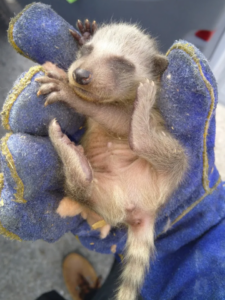 Professional wildlife removal focuses on humane, effective solutions that solve the problem at its source. At Skedaddle, we use proven methods like one-way doors that allow animals to safely exit your home while preventing them from getting back inside. When babies are present, we incorporate baby boxes to ensure they are protected and reunited with their mother. This approach not only resolves the immediate issue but also prevents animals from attempting to re-enter and cause further damage.
Another key advantage of working with professionals is long-term prevention. Removing wildlife is only part of the job, the real solution comes from identifying and sealing every potential entry point. Animals are incredibly persistent and can exploit even the smallest gaps in your home’s exterior. Our team takes the time to secure these vulnerabilities, giving you confidence that the problem won’t return. That’s also why we stand behind our work with a lifetime guarantee, offering lasting protection for your home.
Choosing professional wildlife removal means choosing peace of mind. Instead of guessing what’s happening behind your walls or worrying about whether the issue is fully resolved, you get a clear, thorough solution handled by experts who understand Toronto’s wildlife and how to manage it safely.
How To Get Help From Skedaddle In Toronto
If you suspect wildlife activity, don’t wait. Acting quickly can prevent damage and ensure animals are handled safely.
Here’s how to get started:
- Visit our Toronto location page: https://www.skedaddlewildlife.com/location/toronto/
- Call our team directly for a consultation
- Schedule an inspection
- Get a customized removal plan
We handle:
Our process is thorough, humane, and designed to give you peace of mind.
FAQs About Wildlife Baby Boxes
FAQ: What animals require baby boxes during removal?
Baby boxes are commonly used for raccoons, squirrels, and sometimes birds when young are present. These species frequently nest in attics or walls in Toronto homes. Humane wildlife removal ensures babies stay safe while the mother relocates them naturally.
FAQ: Can I move baby animals myself if I find them?
It’s not recommended. Handling wildlife can be dangerous and may lead to injury or abandonment. Professional wildlife removal services in Toronto use safe methods like baby boxes and one-way doors to ensure proper care and successful reunification.
FAQ: How do I know if there are baby animals in my home?
Signs include chirping, squeaking, or increased activity during spring. If you hear consistent noises in one area, it’s likely a nesting site. Contacting a wildlife removal expert ensures the situation is handled safely and effectively.
Keep Your Home and Family Safe With Skedaddle
Wildlife in the city is part of everyday life, but it doesn’t belong inside your home. Baby boxes are just one example of how humane removal protects both your property and the animals involved.
From raccoons in East York to squirrels in Midtown and skunks in Scarborough, we’ve seen it all, and we know how to handle it the right way.
If you’re dealing with unwanted wildlife, don’t take chances. Reach out to our team at Skedaddle for expert help, long-term solutions, and the peace of mind that comes with our lifetime guarantee.
Your home stays protected. The animals stay safe. That’s how it should be.

 Loading...







