You never expect your attic to get noisy in winter, but when the temperatures drop, you start hearing things you can’t explain. You may hear tapping, scratching, or soft thumps that make you stop and listen.
You might wonder what’s moving around above your head and how to tell what type of animal is making the sounds. When you learn about winter wildlife attic sounds, you begin to notice how each noise has its own pattern.
You want to know how to identify what’s in your attic, and one of the clearest ways is by paying attention to the noises you hear. Different animals make different movements, and they also sound different depending on where they are hiding.
When you learn how to identify attic animal noises, you get a better idea of what might be living inside your home. At Skedaddle Humane Wildlife Control in Vaughan, we listen to these same clues every day.
You may not realize it, but wildlife sounds in attic areas follow certain habits. You can think of it like listening to clues that point to what is living inside your space. In the rest of this guide, you’ll hear how animals move, what sounds they make, and why winter makes these noises even clearer. You will also see how our humane strategies—like one-way doors—help these animals leave safely without coming back inside.
Why Winter Makes Attic Sounds Easier to Notice
You hear more noise in winter because animals look for warm spaces when the weather gets cold. Your attic offers shelter, dry insulation, and protection from the snow. When an animal moves around inside, the quiet winter nights make these sounds stand out.
You may hear:
- Scratching
- Light running
- Thumping
- Chewing
- Chirping or squeaking
These noises help you identify what kind of animal is inside. Understanding these patterns makes winter wildlife attic sounds easier to recognize.
How to Identify What’s in Your Attic: Animal-by-Animal Sounds
Below are the most common animals that enter attics during winter. Each one makes different noises, and each one moves in a unique way. You’ll hear how they sound and what their movements often mean. This helps you understand what could be hiding in your home.
1. Squirrels
You often hear squirrels during the day because they are active when the sun is out. They move quickly and may run across beams or insulation with light pattering sounds. They also chew to keep their teeth short, so you may hear gnawing sounds on wood or wires.
Common squirrel sounds:
- Fast scurrying
- Rolling noises
- Chewing on wood
- Light scratching near roof edges
These noises often happen in the morning or just before sunset. Because they are quick animals, their sounds are rapid and repeated. When you notice this, it helps you narrow down the cause of your attic noise.
2. Raccoons
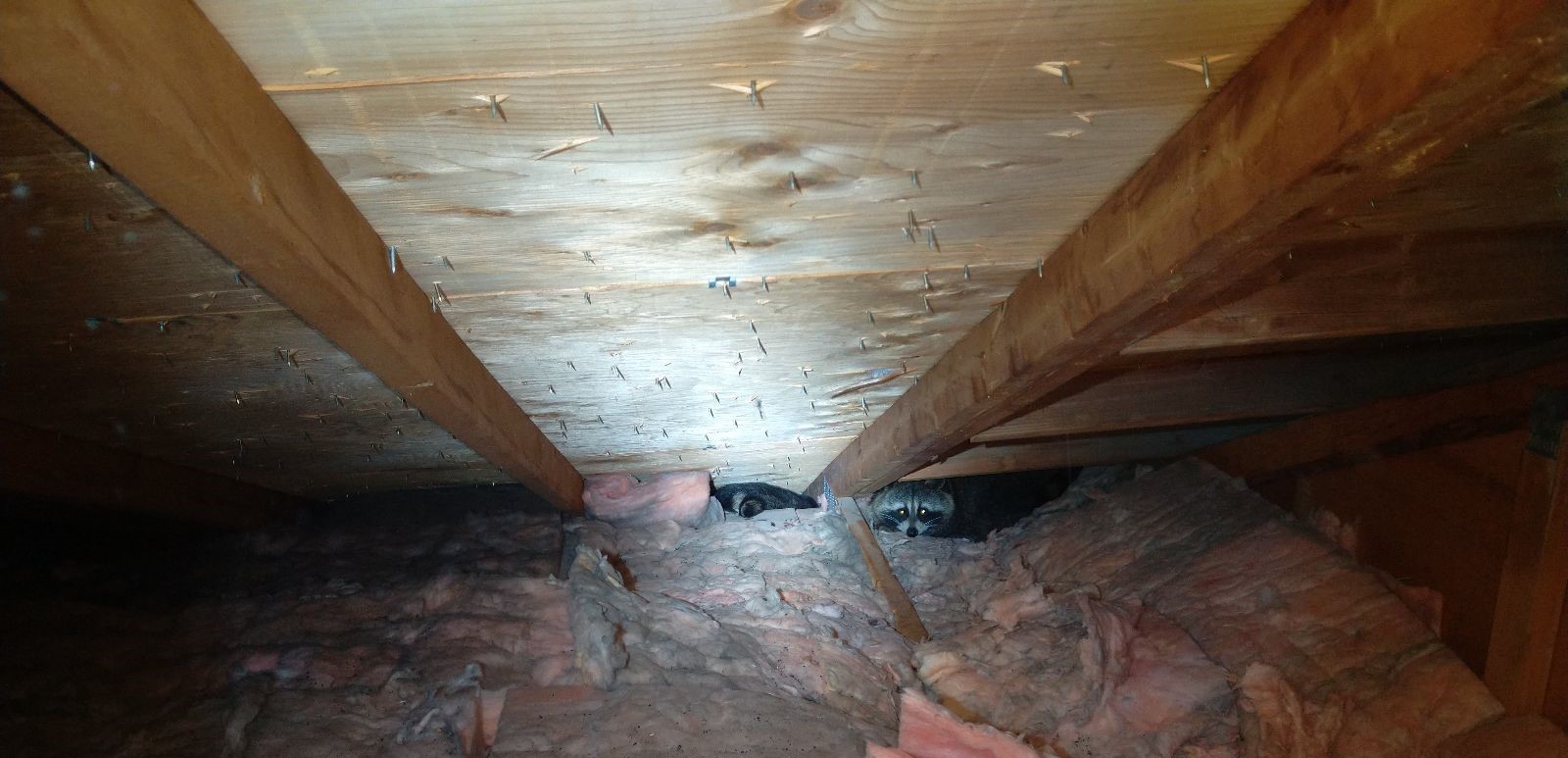
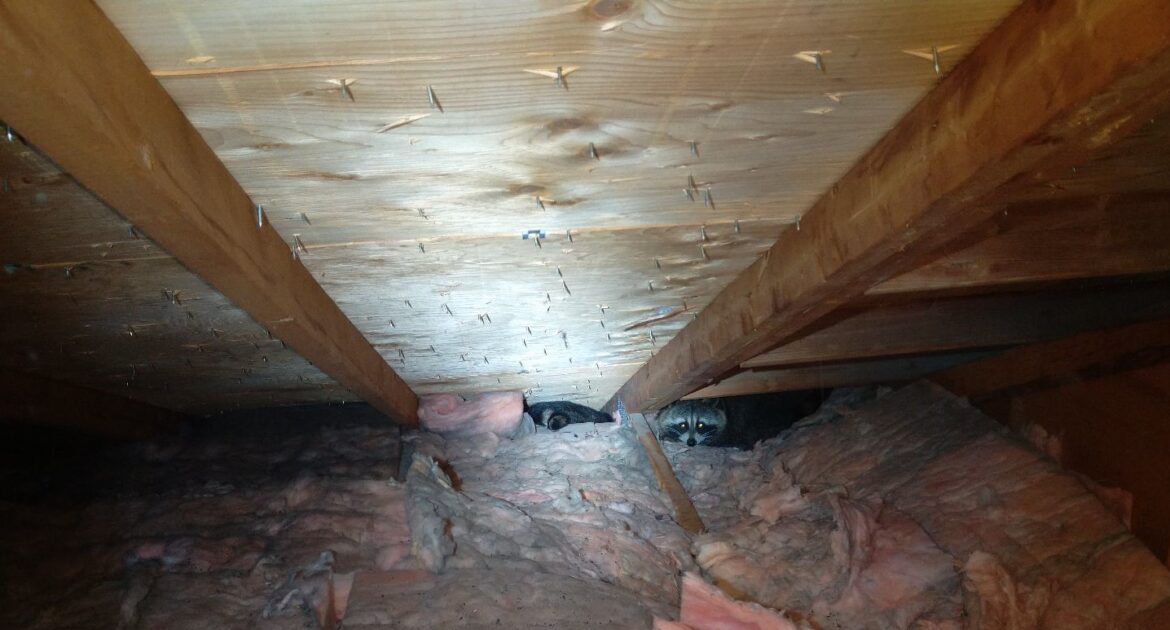
Raccoons are slow, heavy, and strong. You often hear them at night because they move around after dark. Their sounds are louder than most animals, and you may hear thumping, walking, or dragging noises.
Common raccoon sounds:
- Heavy thumps
- Slow footsteps
- Low growls or chatter
- Scratching in large sections
If you hear loud noises that sound like a person walking, it is often a raccoon. You may even hear babies crying in early spring. These clues help you identify attic animal noises more easily.
3. Mice
You may not always see mice, but you can hear their very soft movements. They sound like light scratching or tiny feet moving quickly. You may also hear chewing because they break down paper, insulation, and other materials to make small nests.
Common mouse sounds:
- Very quiet scratching
- Chewing on soft materials
- Quick, tiny footsteps
- Activity mostly at night
Their noise is faint, but if you’re quiet enough, you can hear it. Winter is a common time for them to enter attics because they need warmth.
4. Birds
Birds don’t move like other animals in the attic. You hear fluttering, soft tapping, or chirping from time to time. They may enter through vents or small openings near the roof.
Common bird sounds:
- Fluttering wings
- Chirping
- Beak tapping
- Movement near vents
Their noise is gentle, but the fluttering sound often gives them away. When you hear this kind of movement, it helps you understand the type of animal inside your attic.
5. Bats
Bats stay quiet during the day and become active at night. They don’t stomp or chew, but you may hear soft flutters or squeaks. They enter through small gaps, making it hard to spot them visually.
Common bat sounds:
- Light wing flutters
- High-pitched squeaks
- Movement near roof peaks
- Small tapping sounds
While faint, these sounds help you recognize when bats are around.
Why Animals Choose Your Attic in Winter
Animals enter attics during winter because they want warmth. Your attic holds heat, and insulation makes a soft place to hide. Snow also blocks natural openings and pushes animals toward homes.
You may not realize how easy it is for them to enter. Even a small gap around your roofline can let an animal squeeze through. When they find warmth in your attic, they often stay for the rest of winter.
This is why you hear more wildlife sounds in attic areas during this season. They are hiding from the cold and searching for a safe place to rest.
How Skedaddle Identifies Winter Attic Sounds Safely
You should never enter the attic yourself or try to touch nesting materials. Animals can feel threatened if they hear you getting close. Instead, our team uses a safe and humane approach to identify which animal is inside.
We follow a simple but effective process:
- Listen to Your Description: You tell us the sounds you hear. Your description helps us understand what type of animal may be inside.
- Inspect Entry Points: We check the outside of your home for gaps, broken vents, holes, or other places animals use to get inside.
- Use One-Way Doors: When we confirm activity, we install one-way doors. These let animals exit safely, but stop them from returning.
- Seal and Protect: After the animals leave, we secure all entry points with strong, durable materials that help protect your home through future winters.
This humane approach keeps your home safe without harming animals.
Sounds You Should Pay Attention To
Below are some sounds that you should not ignore. When you hear any of these, it may point to animals settling in your attic.
- Scratching that repeats in the same spot
- Loud thumps late at night
- Fast scurrying during daylight hours
- Chewing or gnawing
- Soft squeaks or chirps
- Fluttering or quick wing movement
- Rustling near walls or beams
Hearing these sounds is the first sign that something may be inside your home and needs professional attention.
Hear Something? We Can Help
You want your home to stay safe and quiet during the winter months. When you learn how to read winter wildlife attic sounds and understand how to identify attic animal noises, you feel more confident about what’s happening above your ceiling. You also see how common wildlife sounds in attic areas are during the coldest parts of the year.
Our team at Skedaddle Humane Wildlife Control in York Region is ready to help you protect your home. You can request an estimate to learn more about how we identify and remove attic activity safely and humanely.

 Loading...







