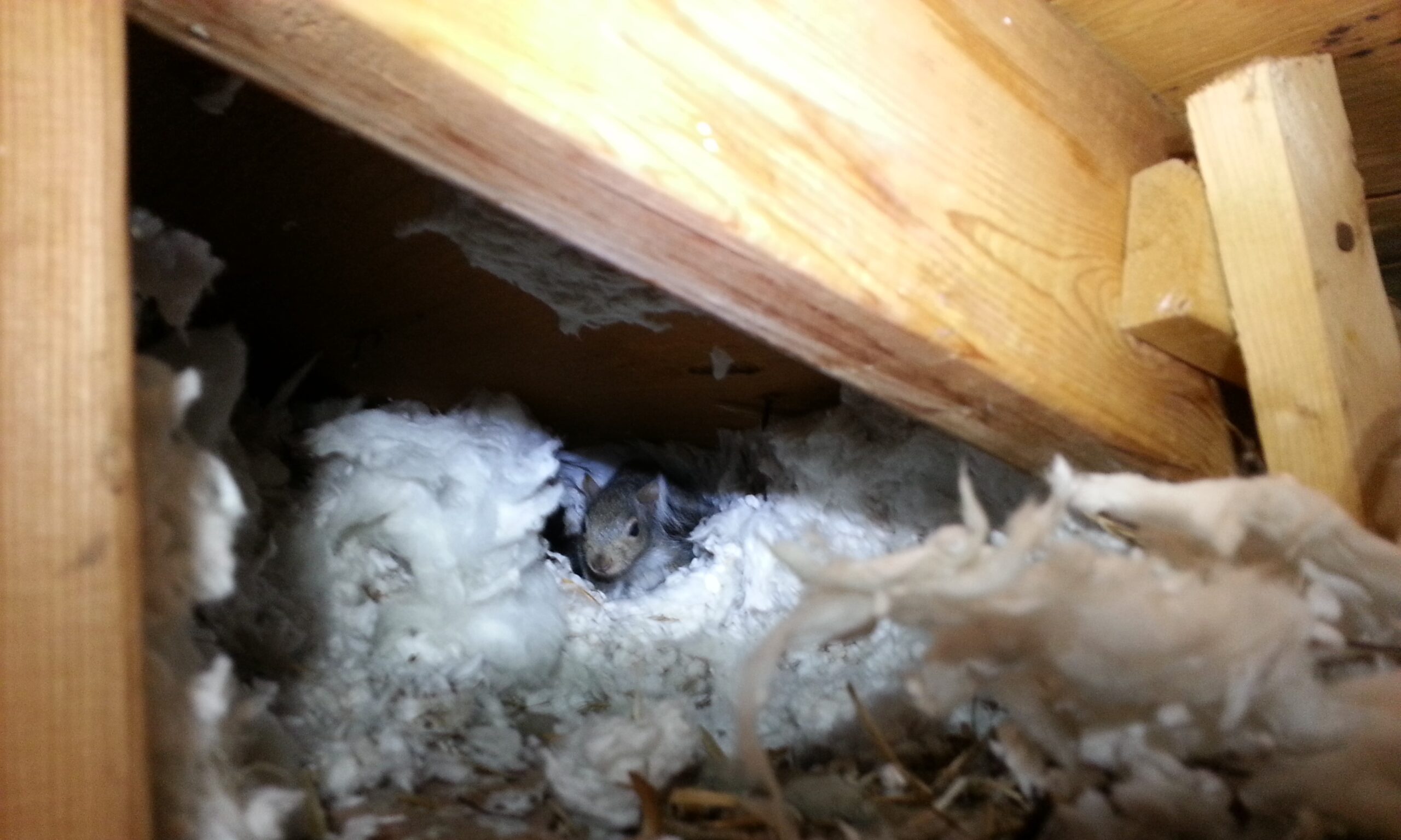
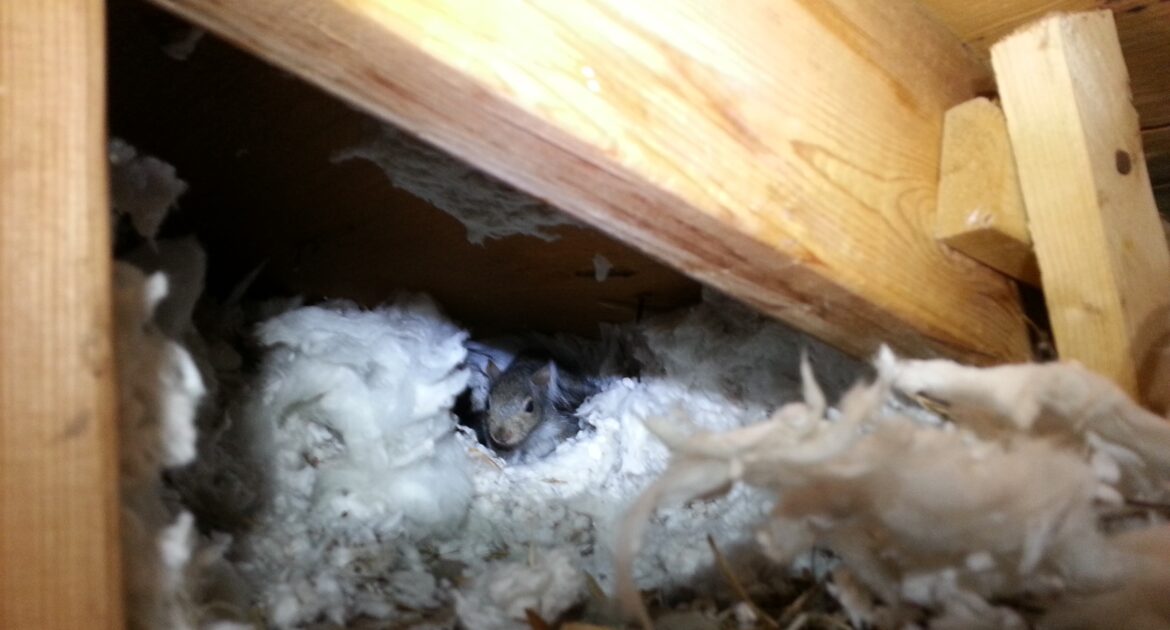
When December hits, you aren’t the only one trying to stay warm indoors. Animals are, too. As snow piles up and temperatures drop, wildlife in the attic in December becomes more common than most homeowners realize.
You might hear scratching in the ceiling, faint movement at night, or even notice insulation scattered around. That’s often a sign that animals have turned your attic into their winter getaway.
At Skedaddle Humane Wildlife Control in Whitby, we often see an increase in calls around this time of year. Animals are looking for one thing: warmth. Your attic gives them everything they need to survive: shelter from the cold, safety from predators, and sometimes even access to food.
This article explains why animals move indoors during the winter, what attracts them to your home, and how winter attic animal prevention can help you keep wildlife out of the attic for good.
Why Animals Seek Shelter Indoors
You might wonder: why choose an attic? It’s simple: it’s warm, dry, and quiet. Let’s break down what makes attics so appealing to wildlife in December.
Warmth and Comfort
When the weather turns freezing, animals search for places that help them survive the winter.
- Consistent Heat: Warm air from your home rises into the attic, creating a cozy environment that helps animals stay comfortable. The steady temperature keeps them from freezing and makes it easier for them to rest through cold winter nights.
- No Wind or Snow: Unlike trees or burrows, attics are dry and shielded from harsh weather like heavy snow or icy wind. This protection keeps animals warm and safe when outdoor shelters become too cold or wet to survive in.
- Energy Savings: Staying inside means animals can conserve energy instead of constantly searching for food and warmth outdoors. The less energy they spend fighting the cold, the better their chances of making it through the winter.
For many animals, the attic becomes a survival zone, not just a hiding spot.
Shelter and Safety
Winter brings dangers that go beyond cold temperatures. Predators are hungrier and food is harder to find, forcing smaller animals to hide.
- Protection from Predators: Hawks, owls, and foxes are common threats, especially in open areas.
- Hidden from People: Attics are quiet and rarely disturbed, making them the perfect refuge.
- Secure Nesting Sites: Rafters, insulation, and stored boxes create cozy nesting spaces.
Once animals find safety indoors, they’ll often stay until spring.
The Food Factor
Finding food in December can be difficult. Snow covers natural sources like berries and nuts, and insects are scarce. That’s when your home becomes tempting.
- Pet Food and Birdseed: Garages and attics sometimes store bags of seed or feed. Even a small tear can attract rodents.
- Garbage Bins: Loose lids or outdoor trash can provide an easy meal for hungry animals.
- Compost Piles: Food scraps give off strong scents that draw animals near your home — and eventually into it.
When food is limited outside, animals follow the smell. And if they find warmth above your living space, they won’t hesitate to move in.
Why the Attic Is the Perfect Den
Every species has a reason to choose an attic over the outdoors.
- Raccoons: Strong and clever, they can tear through shingles or vents to create an entrance.
- Squirrels: Agile climbers that squeeze through gaps near soffits and roof edges.
- Mice and Rats: Small enough to fit through holes the size of a coin.
- Bats: Use roof vents and gable ends to roost during winter months.
An attic provides exactly what these animals need, warmth, safety, and space to nest. Once inside, they may stay for months if not removed.
Common Signs of Wildlife in the Attic in December
You might not see the animals themselves, but there are clues they’ve settled in.
Look for:
- Scratching, running, or squeaking noises at night
- Damaged vents, soffits, or insulation
- Droppings or dark stains near entry points
- Strong smells from urine or nesting materials
- Chewed wires, pipes, or stored items
If you notice even one of these signs, it’s time to act quickly. The longer animals stay, the more damage they can cause, especially to insulation, wiring, and air vents.
Nesting and Breeding Season
Some animals don’t just seek warmth, they’re preparing for the next generation. Late winter and early spring are prime breeding times for many species.
- Raccoons and Squirrels: Females often find shelter in attics before giving birth.
- Rodents: Mice and rats reproduce year-round, but winter dens make it easier to raise young.
- Bats: Some species use attics to roost before hibernation ends in spring.
That’s why winter attic animal prevention is so important. If you stop animals from entering in December, you also prevent litters from being born in your home a few months later.
Entry Points Animals Use
Most animals don’t need much space to get inside. Here’s where they commonly enter:
- Roof vents and gaps along soffits
- Loose shingles or torn rooflines
- Open chimneys or attic fans
- Gaps around pipes or cables
- Damaged fascia boards or siding
Once they find an entry point, they can quickly chew or tear through soft materials to make it larger. Regular inspection and sealing help keep wildlife out of the attic before problems start.
Why December Is the Busiest Month
December is when outdoor temperatures drop fastest, and snow covers food sources. That’s why wildlife in the attic in December is at its peak.
During this time, we often see a spike in calls for:
- Raccoons nesting in attics
- Squirrels chewing through vents
- Rodents hiding in insulation
- Bats roosting in wall cavities
When animals move in, they aren’t likely to leave on their own until spring. That’s why prevention and humane removal are key during winter.
How We Help Homeowners
At Skedaddle Humane Wildlife Control, we use humane and effective methods to protect your home. Our one-way doors let animals exit safely without being harmed — but they can’t get back in.
After removal, our team seals all entry points and reinforces weak spots to make sure your home stays protected. We also clean and repair any areas affected by nesting or droppings to restore your attic to a safe, healthy state.
You should never try to handle or remove animals yourself. Many carry diseases or parasites, and direct contact can be dangerous. It’s always best to call professionals who understand both animal behaviour and building structure.
Winter Attic Animal Prevention Tips
Here are a few ways to reduce your risk before animals move in:
- Keep trees trimmed away from your roofline
- Repair damaged vents and soffits promptly
- Secure garbage bins and store pet food indoors
- Check attics and garages for gaps or holes
- Schedule seasonal inspections before winter
These small steps make a big difference in keeping animals outside where they belong.
Keep Your Home Warm and Animal-Free
Cold weather doesn’t just bring snow, it brings animals looking for warmth. When you hear strange noises above, don’t ignore them. Wildlife in the attic in December can cause major damage if left alone.
At Skedaddle Humane Wildlife Control in Whitby, we help homeowners with safe, humane removal and lasting prevention. Our experts inspect every corner, install one-way doors to let animals leave, and seal every entry point to keep wildlife out of the attic for good.
Request an estimate today to learn how we can help with winter attic animal prevention and protect your home all year long.

 Loading...