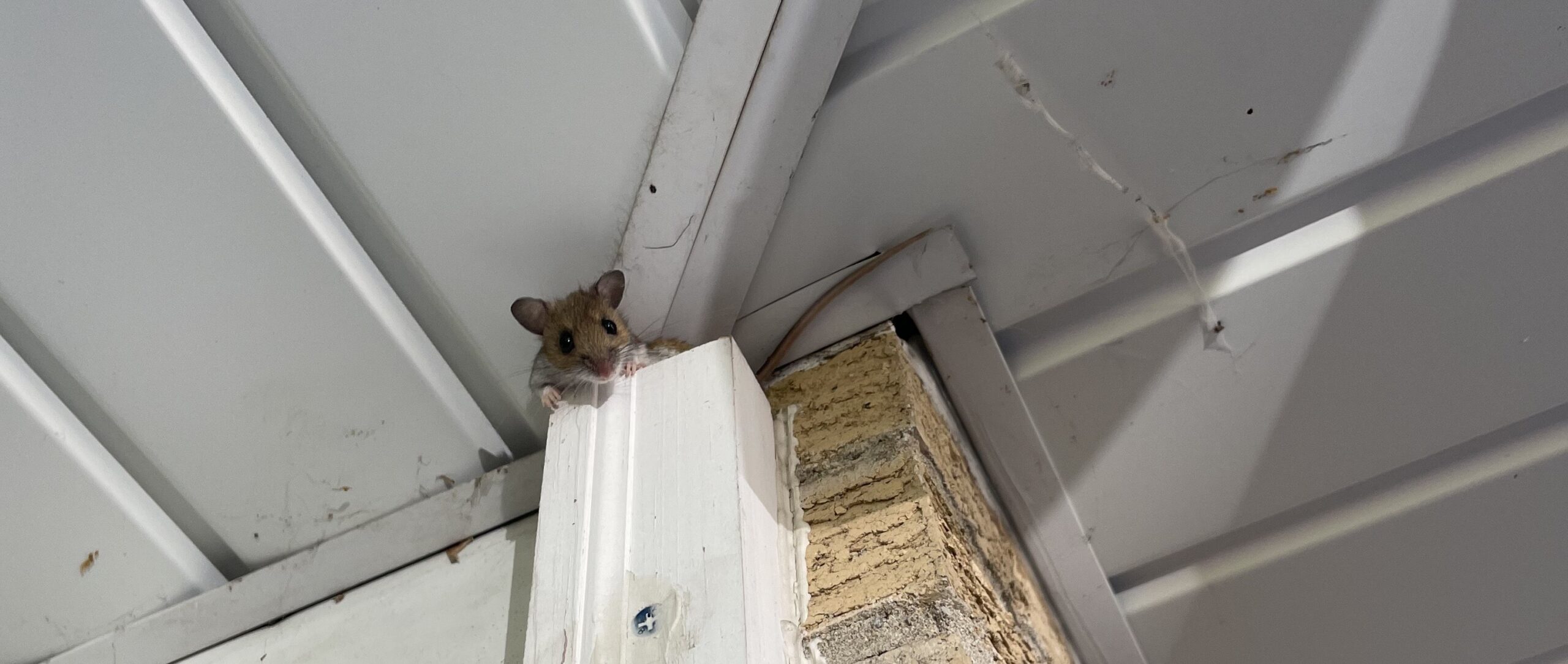
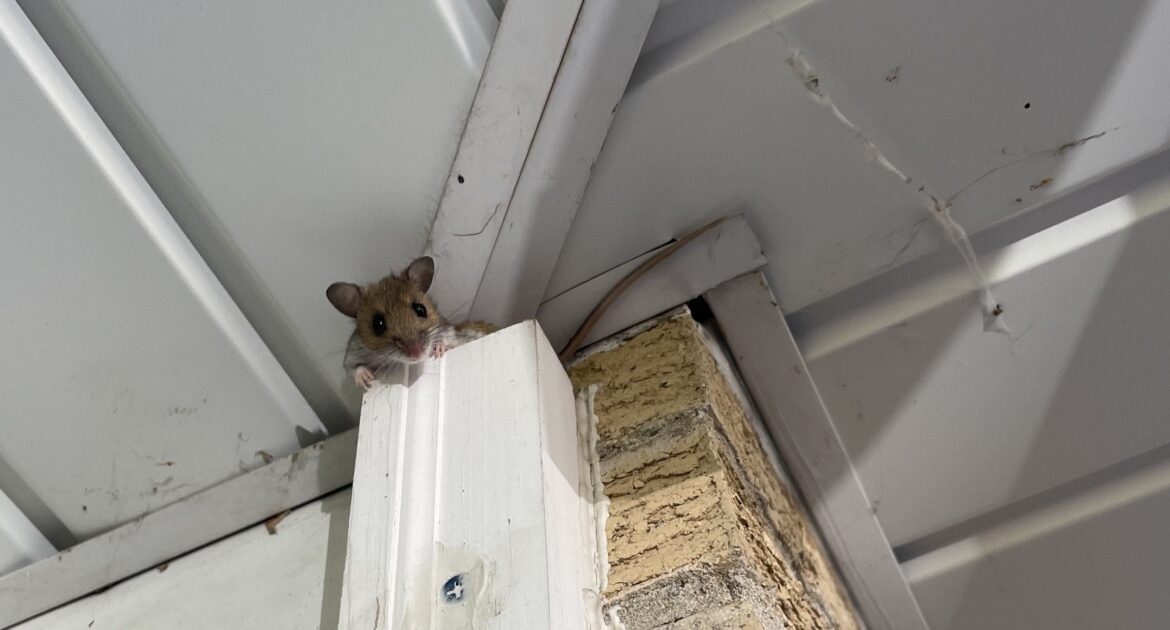
Imagine walking into your kitchen and catching a faint whiff of crumbs you forgot to clean or an open cereal box on the counter. To you, it may not seem like much, but to a mouse, your home could smell like a buffet of irresistible delights. Mice have an extraordinary sense of smell—hundreds of times sharper than a human’s—and it’s this superpowered nose that leads them straight to your front door.
Food crumbs, garbage bins, pet food, and even the scent of warmth and nesting materials make your house smell like the perfect shelter. To a mouse, your home doesn’t just offer food, but also safety and comfort.
You might wonder why mice are so drawn to houses in neighborhoods like Whitehall. The answer is simple—they’re constantly looking for food and shelter, and your space provides exactly what they need to survive. These curious critters are incredibly resourceful and adapt quickly to the smallest opportunities.
That’s why we at Skedaddle Humane Wildlife Control in Whitehall focus on understanding what attracts mice to homes and using humane, long-term solutions to keep them out.
Stick with us, and you’ll discover how mice’s strong sense of smell works, what makes your property so appealing to them, and most importantly, how we can help you protect your home. Together, we’ll ensure your space is yours—and not theirs—to enjoy.
How Strong Is a Mouse’s Sense of Smell?
Have you ever wondered how a tiny mouse finds that one cracker crumb you dropped behind the stove? It all comes down to their nose. A mouse’s sense of smell is its most important survival tool. In fact, a significant portion of a mouse’s DNA is dedicated solely to detecting odors.
Mice rely on scent for almost everything they do. They use it to communicate with other mice, find mates, avoid predators, and, most importantly, locate food and shelter. Their nose is so sensitive that they can smell food sources from quite a distance away. This means that even if you think your kitchen is spotless, there might be lingering scents that tell a mouse otherwise.
When you understand the power of the mice’s sense of smell, it becomes easier to see why they are so persistent. They aren’t just wandering around aimlessly; they are following a very specific scent trail that leads right into your house. Once they pick up on the smells they love, they will work hard to find a way inside.
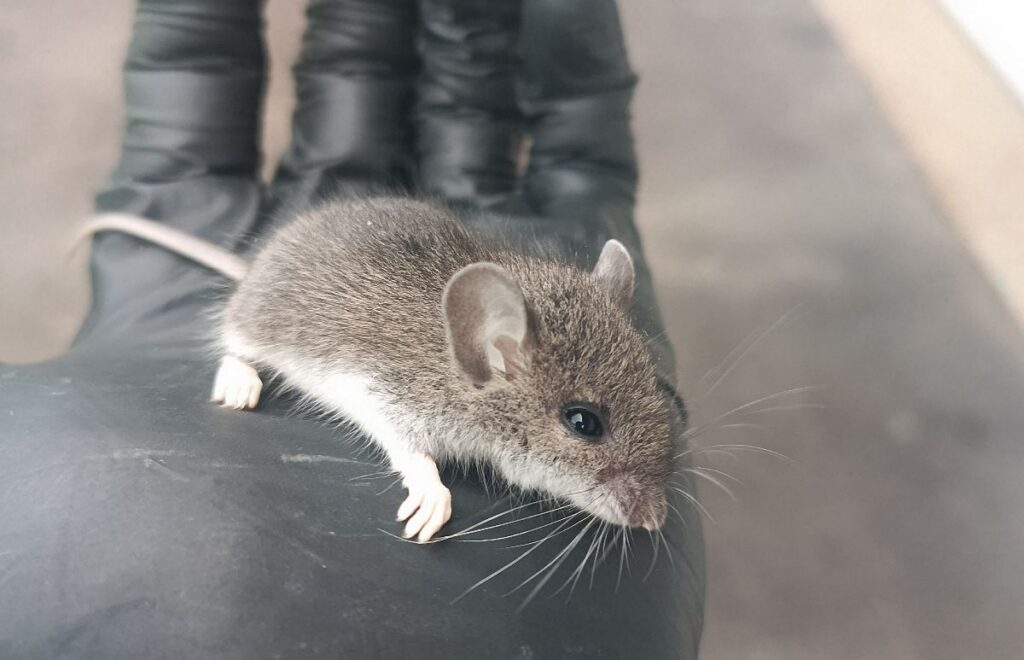
A High-Fat and Sugar Buffet (Kitchen and Pantry)
The strongest magnet for any mouse is food. Mice are opportunistic eaters, meaning they aren’t picky, but they do have favorites. They crave high-calorie foods that give them the energy they need to survive and reproduce. Unfortunately, the average kitchen is full of these smells.
Here is what your kitchen smells like to a hungry mouse:
- Peanut Butter and Chocolate: These are high in fat and sugar, two things mice absolutely love.
- Bacon Grease and Cooking Oils: Even the residue left on a stove or in an uncleaned frying pan can be enough to attract them.
- Crumbs and Spills: To you, a few crumbs under the toaster are nothing. To a mouse, it’s a feast.
- Garbage: An unsealed trash can is like a beacon, broadcasting the scent of leftovers to every rodent nearby.
Mice can easily chew through cardboard boxes and thin plastic bags to get to the source of these smells. This is often why mice are attracted to houses—they know that where there are humans, there is usually a steady supply of high-energy food.
Grains, Seeds, and Dry Goods
Mice are not only drawn to sweet or greasy foods. In the wild, they eat grains and seeds to survive. That is why your pantry can feel like a buffet to them. Boxes and bags filled with dry food give off smells that mice can detect easily.
Common items in many Whitehall homes can attract them. Cereals and oats stored in cardboard boxes are easy to smell and easy to chew through. Rice and pasta in thin packaging do not offer much protection. Birdseed in a garage or shed and pet food left in open bags can quickly become a steady food source.
Mice do not need a bag to be open to get inside. Their teeth are strong enough to gnaw through cardboard and plastic in a short time. Once they find food, they leave scent trails that guide them back again and again. Those same scent markers can also attract more mice to the same spot.
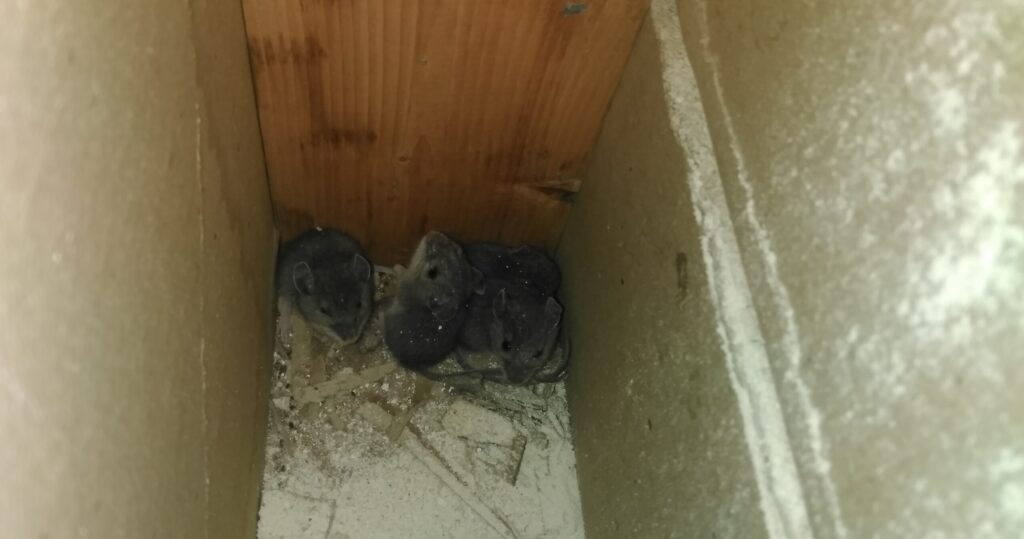
Cozy Nesting Materials
Food isn’t the only thing on a mouse’s mind. They also need a safe, warm place to raise their babies. Your home is filled with soft materials that smell like the perfect bedding. This is a big part of what attracts mice to homes, especially when the weather starts to cool down.
Mice look for materials that are easy to shred and manipulate. They often find exactly what they need in your storage areas, attics, and closets.
What smells like a cozy bed to a mouse?
- Cardboard and Paper: Old boxes, stacks of newspapers, and magazines have a musty, dry scent that mice associate with nesting.
- Fabrics: Old clothing, blankets, and towels stored in accessible places are prime targets.
- Insulation: The smell of fiberglass insulation in your walls or attic signals a warm, protected environment.
- Dryer Lint: It’s soft, warm, and easy to carry—perfect for a mouse nest.
When mice smell these items, they know they have found a safe spot away from predators where they can settle down.
Warmth, Shelter, and Security
Food is not the only reason mice enter your home. In the wild, they face cold weather and many predators. Your house offers steady warmth and protection from both. To a mouse, your home feels safe and secure.
Mice can even smell warm air leaking through tiny cracks and vents. That warm scent tells them there is shelter inside. Attics, basements, and crawl spaces often have still, quiet air that feels undisturbed. These hidden areas are perfect nesting spots.
Your home also provides a steady temperature in winter, which helps mice survive. Small gaps inside walls create pathways they love to explore. Dark, quiet spaces make them feel protected from hawks and owls. All of this makes a house very appealing to a small rodent.
The Scent of Other Mice
One of the strongest attractants for mice is the scent of other mice. When a mouse enters your home, it leaves urine and pheromones behind. These scents act like signals that say the space is safe. Other mice can follow those trails right to the same nesting spots.
An active mouse problem often comes with a faint musky smell. That odor builds up as urine markings increase. Mice also leave invisible trails along baseboards and behind walls. These trails guide new mice to food and shelter.
This cycle is why mouse problems can grow quickly. Even if one mouse is removed, the scent remains. That lingering smell invites more mice to move in. Understanding this pattern shows why proper removal and cleaning are so important.
Common Questions About Mice in the Home
How do mice get inside?
Mice are incredibly agile and can squeeze through holes as small as a dime. They often enter through gaps around utility pipes, cracks in the foundation, vents without screens, and worn-out weather stripping under doors. They can even climb rough surfaces like brick to reach entry points higher up.
Is it expensive to fix a mouse problem?
The cost can vary depending on the severity of the infestation and the damage they have caused. However, ignoring the problem is always more expensive. Mice can chew through electrical wires, creating fire hazards, and ruin insulation, leading to higher energy bills and costly repairs. Investing in professional removal and prevention protects your home's value.
Can I just use traps?
Traps might catch a few mice, but they rarely solve the root cause. They don't stop new mice from following scent trails into your home, and they don't seal the entry points. Without addressing how they are getting in and cleaning up the attractants, the problem will likely return.
Why do I hear scratching at night?
Mice are nocturnal, meaning they are most active at night when your house is quiet. The scratching or scurrying sounds you hear in the ceilings or walls are likely mice moving between their nests and food sources.
Do mice carry diseases?
Yes, mice can carry various diseases and bacteria that can be harmful to humans. Their droppings and urine can contaminate surfaces and food preparation areas. This is why it is important to handle infestations carefully and avoid direct contact with them or their waste.
Keeping Mice Out for Good
Preventing mice from entering your home requires a strategy that goes beyond just keeping a clean kitchen. While sanitation helps, it doesn’t close the door on them. To truly protect your home, you need to think about exclusion. This means physically blocking them from getting inside.
- Seal the Gaps: Every crack and hole on the exterior of your home needs to be sealed with wildlife-proof materials.
- Protect Vents: Vents for dryers, stoves, and attics should be covered with heavy-gauge screening that mice cannot chew through.
- Check the Roof: Mice are good climbers, so rooflines and chimneys need to be secured as well.
The most effective way to handle this is to have a professional assess your property. At Skedaddle Humane Wildlife Control, we specialize in identifying these entry points. We use hands-on techniques to find every potential gap. We also install one-way doors that allow the mice to leave your home on their own but prevent them from getting back in. This humane approach clears your home without the need for harmful poisons or traps.
Protect Your Whitehall Home Today
Your home should be a comfortable place for you, not a buffet and hotel for rodents. Now that you know what attracts mice to homes and how powerful the mice sense of smell really is, you can see why they are so eager to move in. Even small crumbs, pet food, or hidden gaps can turn your house into the perfect shelter.
If you suspect that mice have already followed their noses into your house, don’t wait for the problem to get worse. Mice reproduce quickly, and a small issue can grow into a much bigger one in a short time. At Skedaddle Humane Wildlife Control in Whitehall, we have the experience and tools to handle the situation effectively and humanely. We don’t just remove the wildlife; we help you secure your home so they don’t come back.
You deserve peace of mind knowing your home is protected. Our team performs a detailed inspection, identifies entry points, and seals them properly to stop future problems. Ready to reclaim your home? Contact us today to request an estimate and learn more about how we can help you live mouse-free.

 Loading...