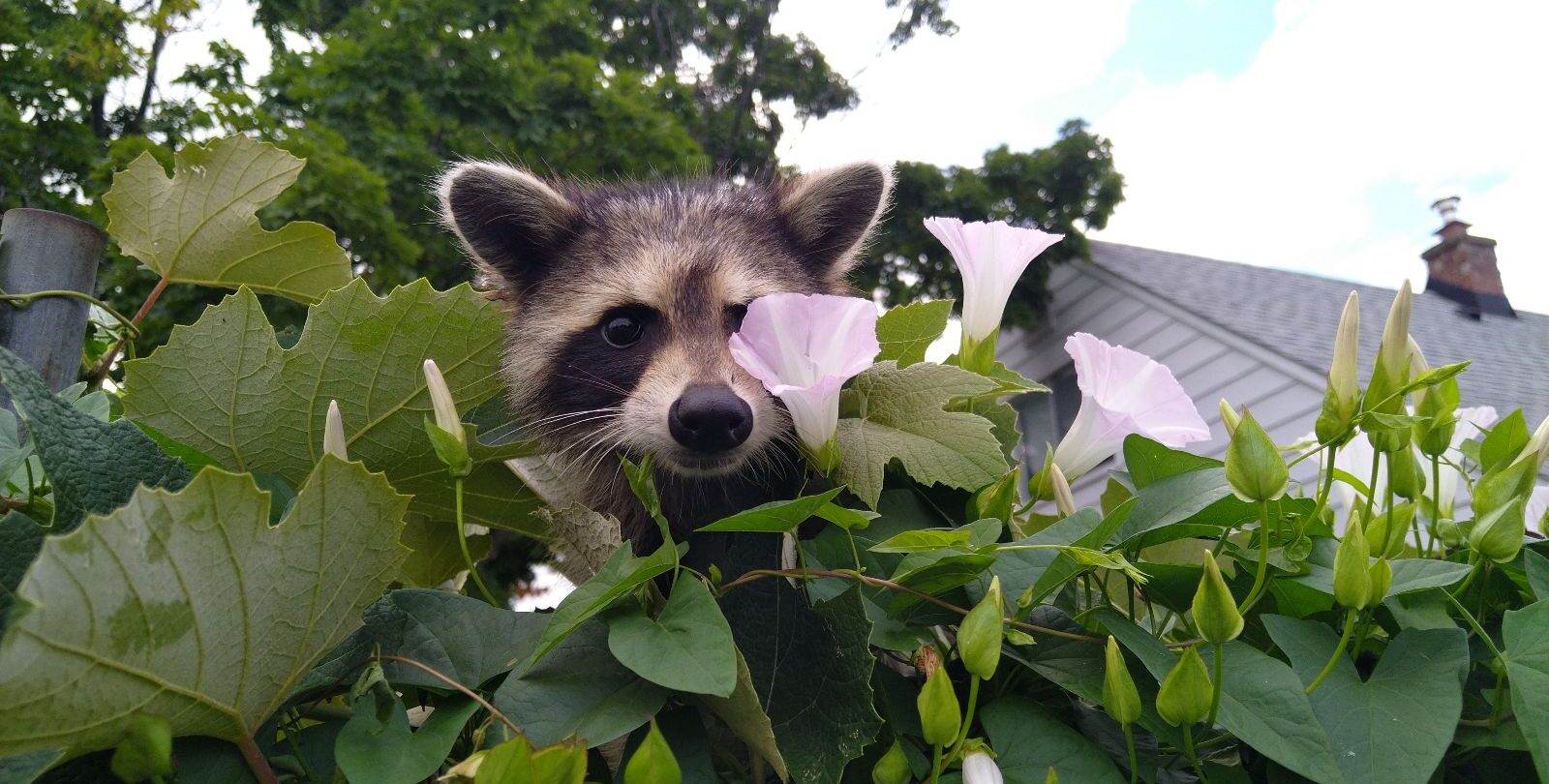
You may be making your yard more inviting during fall without knowing it. Fallen fruit, garden waste, leaf piles, old wood, outdoor food, standing water, and open spaces beneath structures can provide useful resources. These features may turn one quick nighttime visit into a regular pattern. A visitor that finds an easy meal may return to check the same area again.
An incomplete cleanup can leave food on the ground while also creating protected places to hide. Thick shrubs, overgrown plants, and nearby branches may provide covered routes between the yard, deck, and roof. Logs and stumps can also support repeated digging and searching. When food, water, cover, and shelter are close together, raccoons have several reasons to return.
At Skedaddle Humane Wildlife Control in Ohio, we inspect the full property to find what is supporting the activity. Our team checks the yard, ground-level structures, roofline, and other possible den sites. You should never follow, approach, feed, or corner a nighttime visitor. In this blog, we explain how fall cleanup can attract raccoons, which yard features may cause problems, and when professional help may be needed.
What Attracts Raccoons the Most?
Easy food is often the strongest attraction. A yard with fallen fruit, garden produce, outdoor food, garbage, or compost can provide a reliable meal without much effort. Once they find food, they may return to check the same place night after night.
Water, shelter, and safe travel routes can make a property even more useful. A deck may provide a dry den while shrubs offer cover and a water bowl provides a place to drink. This combination can support repeat visits long after the first food source is gone.
One nighttime sighting does not always point to a problem. However, repeated movement toward the same deck, shed, chimney, or roof opening may suggest that shelter is nearby.
Fallen Fruit and Garden Waste Extend the Food Supply
Fall cleanup can uncover food, but it can also leave useful meals scattered across the yard. Produce becomes easier to smell as it softens, breaks open, or begins to rot. Fallen leaves and dead plants can then hide that food from you without hiding it from a hungry visitor. Several overlooked sources may keep raccoons returning long after the growing season ends.
- Fruit Beneath Trees: Apples, pears, berries, and other fallen fruit provide an easy meal that does not require much searching. As fruit becomes soft, its smell may travel farther across the yard and draw attention to the area. A visitor that finds food beneath the same tree several times may begin checking it every night. That feeding spot can then become one stop along a regular route through your property.
- Unharvested Garden Produce: Vegetables and fruit left in garden beds may remain available after you finish harvesting for the year. Dead plants and fallen leaves can cover this produce, making the garden look empty from a distance. These animals can search beneath that cover and find food you did not know was still there. A quiet garden near a fence or wooded area may also give them enough cover to feed without feeling exposed.
- Garden Waste Piles: Pulled plants, damaged vegetables, and discarded fruit may still contain edible material. When this waste is placed in an open pile, it can create a strong smell as it begins to break down. A pile near a fence, shrub, or yard corner may provide food and a protected place to search at the same time. Once it produces a meal, visitors from nearby properties may continue checking it.
- Food Hidden Beneath Plants: Fruit and vegetables can become trapped under thick plants, ground cover, or garden borders. You may miss these items during a quick cleanup, especially when the yard is covered with leaves. Raccoons use their paws and strong sense of smell to search beneath loose material. Even a small amount of hidden food can reward another trip through your yard.
A few pieces of fruit may not seem like a serious concern. However, a food source becomes more important when it remains available in the same place night after night. Cleaning the visible surface may also leave food hidden beneath plants or leaves. A full property assessment considers the entire feeding pattern and any nearby places that may offer shelter.
Leaf Piles and Brush Create Covered Resting Areas
Large leaf piles, branches, and yard debris can form dark and protected spaces. The material blocks wind and makes it harder to see what is moving through the yard. A visitor may rest there or use the cover while travelling between food and shelter.
Brush can also create a hidden path along a fence, deck, shed, or foundation. These covered routes let raccoons cross the property without spending much time in an open area. The pile may not contain a permanent den, but it can make the whole yard feel safer.
You should not reach into a pile or move debris when you suspect something is hiding inside. Droppings or other contaminated materials may also be mixed with the leaves. Our professional team can examine suspicious areas without placing you close to an active visitor.
Logs and Tree Stumps Can Reward Repeated Digging
Old wood may look like a harmless part of the yard, especially when it has been there for years. As logs and stumps break down, they hold moisture and create soft spaces beneath loose bark and roots. The soil around them may also become easier to dig. These conditions can turn one forgotten part of the yard into a regular feeding area.
- Rotting Wood: A decaying log may contain food beneath loose bark or inside soft sections of wood. Raccoons can pull at the surface while searching, leaving fresh pieces scattered across the ground. One damaged spot may only show a single visit, but new damage over several nights suggests a pattern. The log becomes more attractive when thick plants or a fence provide cover nearby.
- Loose Soil Around Stumps: As a stump breaks down, the soil around its roots can become soft and uneven. A visitor may dig around the base while searching for food below the surface. You might notice shallow holes, exposed roots, loose dirt, or pieces of bark that were not there before. Similar damage returning after rain or yard work can show that the same location is being checked again.
- Protected Yard Edges: Logs and stumps are often left beside fences, sheds, gardens, or wooded property lines. These locations offer more cover than the middle of an open lawn. A visitor can search the wood while remaining close to a hidden travel route or possible shelter. If a deck or shed is nearby, the property may provide both food and a protected place to rest.
- Evidence Hidden by Leaves: Fallen leaves can cover tracks, disturbed soil, wood fragments, and shallow digging around a stump. The area may look untouched until the leaves shift or fresh damage appears on top. You should not search through the debris if you notice droppings, a strong odour, or signs of a nearby den. Our technicians look beyond the most visible hole to determine how the entire area is being used.
Repeated digging does not always mean there is a den on your property. A visitor may feed around the wood and then travel to shelter several yards away. However, a worn path leading toward a deck, shed, chimney, or roofline may point to a closer concern. Watching from inside and contacting a professional allows the activity to be assessed without creating a close encounter.
Branches and Dense Shrubs Create Hidden Travel Routes
Food is only one reason a yard can become useful during fall. Branches, fences, and thick plants can create covered routes between the ground, nearby properties, decks, and rooflines. These paths allow raccoons to move through the area while spending less time in open spaces. They can also hide damage that would otherwise warn you about activity close to the home.
- Branches Near the Roof: Limbs that reach toward the house can provide access to shingles, gutters, and lower roof sections. Once on the roof, these animals may examine vents, soffits, fascia, and chimneys for weak areas. A damaged cover or loose panel can then become an entrance into a protected space. You should never climb onto the roof or cut a branch while active movement is taking place nearby.
- Shrubs Along the Foundation: Dense shrubs can hide activity beside the foundation, even when the rest of the yard is open. Their branches may cover damaged screens, utility gaps, weak vents, or loose exterior materials. A visitor can follow this protected edge while searching for food or shelter around the building. Thick growth may also prevent you from seeing tracks or disturbed soil near an opening.
- Plants Beside Decks and Porches: Overgrown plants can hide an entrance beneath a raised deck or porch. What looks like a small gap from the yard may lead to a large, dry cavity below the structure. The cover provided by the plants can make entering and leaving less noticeable. You should never close the opening until a professional confirms that no adult or dependent young remain inside.
- Covered Fence Lines: Shrubs, branches, and climbing plants along a fence can form a protected route between neighboring properties. A visitor may find food in one yard, water in another, and shelter somewhere else along the same path. This makes it difficult to identify the source of the activity by looking at only one part of your property. A wider inspection can reveal how the fence line connects with structures around the home.
- Hidden Exterior Damage: Thick plants may cover broken lattice, damaged screens, loose siding, or gaps around the base of a structure. These weak areas can provide access beneath a deck, inside a shed, or through part of the exterior wall. Removing surface growth does not show whether the opening is already active. Our technicians inspect the building and surrounding yard before deciding how the area should be secured.
Trimming one visible branch does not prove that the activity has stopped. Other routes may remain along fences, foundation walls, downspouts, and nearby structures. The original visitor may also have found an entrance before the branch was removed. Our professional assessment considers the full approach to the home as well as the final opening.
Outdoor Feeders and Food Bowls Create Predictable Meals
A dependable meal can teach these animals to check the same property each night. The amount of food does not need to be large when it appears in a familiar place on a regular schedule. Smells from several sources may also overlap and draw attention to one part of the yard. When water and shelter are nearby, the property becomes even more useful.
- Spilled Seed: Seed can collect on the ground beneath outdoor feeders and spread into the nearby grass or garden. Fallen leaves may hide it, making the area look clean even when food remains underneath. A visitor that finds seed there once may return to search the same spot on later nights. Regular access can keep the route active even after the feeder itself has been emptied.
- Food Left Outside: Leftover food and dirty outdoor bowls can produce strong smells after dark. When bowls are filled at the same time each day, they create a meal that is easy to predict. A returning visitor may begin arriving soon after the yard becomes quiet. You should not approach, corner, or follow it in an attempt to retrieve the bowl.
- Water Bowls and Containers: Bowls, buckets, planters, and other uncovered containers may hold water after rain. Standing water can give these animals another reason to remain on the property after feeding. A yard that provides both food and water may become a regular stop even when no den is present. Wet leaves or low spots in the yard can create less obvious water sources as well.
- Garbage and Compost: Garbage and compost can add strong food smells close to feeders or outdoor bowls. A loose lid, damaged container, or spilled material may provide an easy reward during each visit. When several food sources sit in the same area, removing only one may not end the pattern. Repeat activity may continue until the wider property and nearby shelter areas have been assessed.
Removing one food source may reduce interest, but it cannot confirm that your home is clear. A visitor may already have found shelter beneath a deck, inside a shed, or along the roofline. It may also continue returning because another food or water source remains hidden nearby. Our professional team can inspect the yard and structure to determine what is supporting the activity.
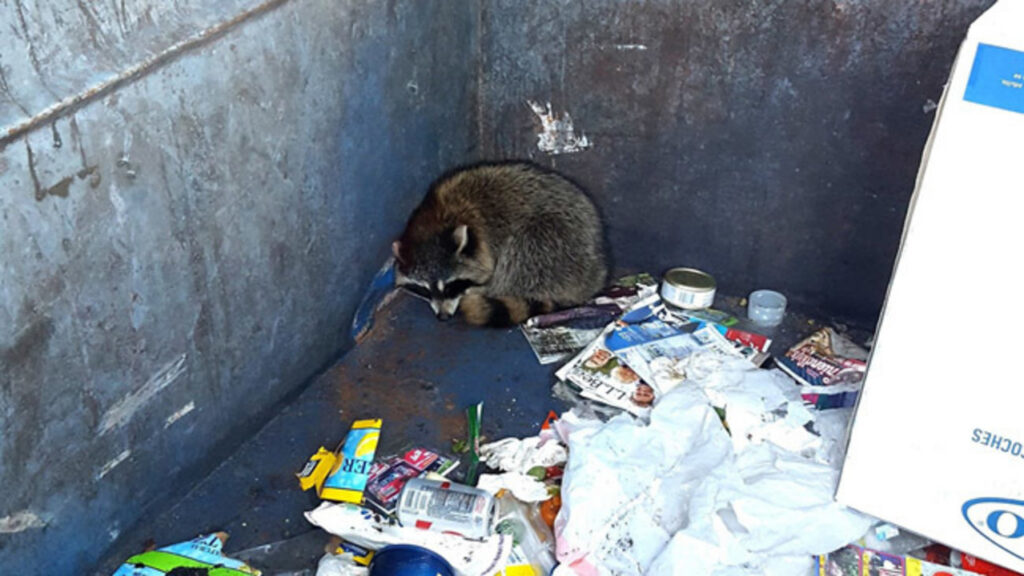
Open Spaces Beneath Structures Offer Fall Shelter
Spaces beneath decks, porches, sheds, and additions can provide protection from wind, rain, and cold nights. A narrow opening along the edge may lead to a large cavity. Soil below the structure may also be soft enough for the entrance to be widened.
Possible signs include loose soil, a worn path, droppings, odours, sounds, or movement near the same opening. You may only notice the activity after dark because the space often remains quiet during the day. More than one sign near the same structure makes active use more likely.
Never reach beneath a structure or close the opening yourself. An adult or dependent young may still be hidden inside when the area seems empty. Blocking an occupied den can trap them or cause damage as they search for another way out.
Several Small Attractants Can Create One Large Problem
Your property does not need one major attraction. Fruit in the garden, water near the patio, brush along a fence, and an opening beneath the shed may work together. Each feature supports a different part of the nightly visit.
Repeated success can create a familiar route. A visitor may enter through the same yard corner, follow the same row of shrubs, feed beneath the same tree, and rest beneath the same structure. This pattern can continue because the property feels predictable.
Changing one part of the yard may not stop the visits when other resources remain. A full assessment considers food, water, cover, travel routes, and possible entry points. It also checks whether activity has moved into the building.
Fall Conditions Around Ohio Properties
Ohio’s cooler nights can increase the value of dry, protected spaces. At the same time, fruit trees, gardens, mature landscaping, and fallen leaves may continue to provide food and cover. Properties near wooded areas may experience more movement between natural spaces and residential yards.
Homes in the region often contain decks, porches, sheds, chimneys, and complex roof edges. Both old and new buildings can have openings that provide access. A small construction gap or damaged vent may become more important as colder weather arrives.
Leaf cover can hide tracks, digging, droppings, and entrances beneath structures. You should contact our team if you notice repeat visits or signs leading toward the home.
Raccoon Removal and Prevention with Skedaddle
When visits point to an active den or building entrance, our professional wildlife team begins with a complete inspection. We examine the yard, roofline, attic, deck, porch, shed, chimney, and other possible shelter areas. The goal is to locate active entrances and determine whether dependent young are present.
We then create a humane removal plan for the property. When appropriate, our one-way doors allow wildlife to leave while preventing them from getting back inside. We do not use live trapping or relocation.
After removal, our technicians can clean contaminated areas and secure vulnerable openings with durable materials. We also examine nearby roof and ground-level gaps that could support another entry. A Skedaddle, we process is designed to address the current problem and reduce the chance of its return. Here we explain that food, fallen logs, stumps, leaves, and branches can all make a property more inviting.
Frequently Asked Questions
Does seeing a raccoon at night mean it lives in the yard?
Not always. It may be passing through or stopping to feed before returning to shelter on another property. Repeated movement toward the same structure or opening makes a nearby den more likely. Our professional inspection can identify signs of active use.
Can leaf piles cause repeat visits?
Leaves may not be the only reason for the activity. However, a large pile can hide food, hold moisture, and create protected cover. It may also connect a feeding spot with a deck or shed. Several useful features together can encourage return visits.
What signs suggest a den beneath a deck?
Disturbed soil, a worn trail, strong odours, droppings, and repeated movement can point to an active den. Sounds may also come from beneath the structure. One sign can have several causes, so the full pattern must be examined. Observe only from a safe distance.
Should a suspected opening be sealed right away?
No. Our professional will first confirm whether an adult or dependent young remain inside. Closing an occupied space may trap them or force them to search for another exit. The correct timing is an important part of humane removal.
Should homeowners clean droppings found near the home?
No. You should not touch, sweep, or vacuum droppings or other contaminated material. Disturbing waste may create a health concern. Our trained technicians have the equipment and methods needed to clean affected areas safely.
Make Your Fall Cleanup Protect the Whole Property
Fallen fruit, garden waste, leaf piles, old wood, dense shrubs, outdoor food, water, and open structures can all encourage repeat visits. One attraction may only lead to a short stop during the night. However, several useful features can turn your yard into a reliable place to feed, travel, hide, and rest.
You should never approach, corner, feed, or attempt to remove raccoons yourself. Do not reach beneath a deck, enter a hidden space, or handle droppings and other contaminated materials. You should also avoid closing a suspected entrance because an adult or dependent young may still be inside. A professional must inspect the area and choose a humane removal plan.
At Skedaddle Humane Wildlife Control in Ohio, we can determine why the activity continues and whether your home is being used for shelter. Our professional team handles the inspection, humane removal, cleanup, and long-term entry prevention. We can also secure weak areas with durable materials after every occupant has safely left. Contact us to schedule a professional assessment or request an estimate to learn more about protecting your home this fall.

 Loading...