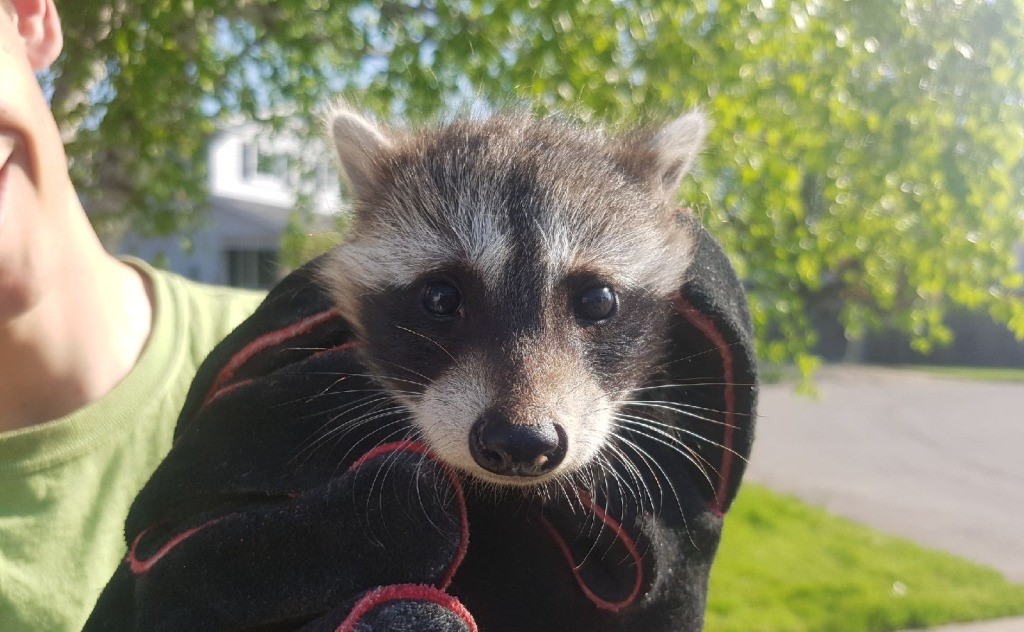
You hear it late at night — a heavy thud above the ceiling, then footsteps moving across the attic floor. It doesn’t sound like pipes settling or the house creaking. It sounds like something large, and it’s moving around up there with a lot of confidence. That’s because it’s been there before, and it knows exactly where it is.
Raccoons find their way into attics by targeting the weak points on your roof and exterior. Or, places where materials have aged, shifted, or were never fully secured in the first place. They are strong, persistent, and surprisingly good at identifying vulnerabilities that most homeowners never think to check. A loose vent cover, a gap in the soffit, an uncapped chimney. Any one of these is enough to give them the access they need to get inside.
At Skedaddle Humane Wildlife Control in Columbus, we have seen every entry point these animals use and know exactly what to look for when something has made its way into your attic. We inspect rooflines, identify active entry points, and handle removal and sealing so you don’t have to get anywhere near the problem. In this blog, you’ll learn exactly how these animals get into attics, what signs to watch for, and why acting fast the moment you suspect activity is the most important step you can take to protect your home.
How Do You Know If a Raccoon Is in Your Attic?
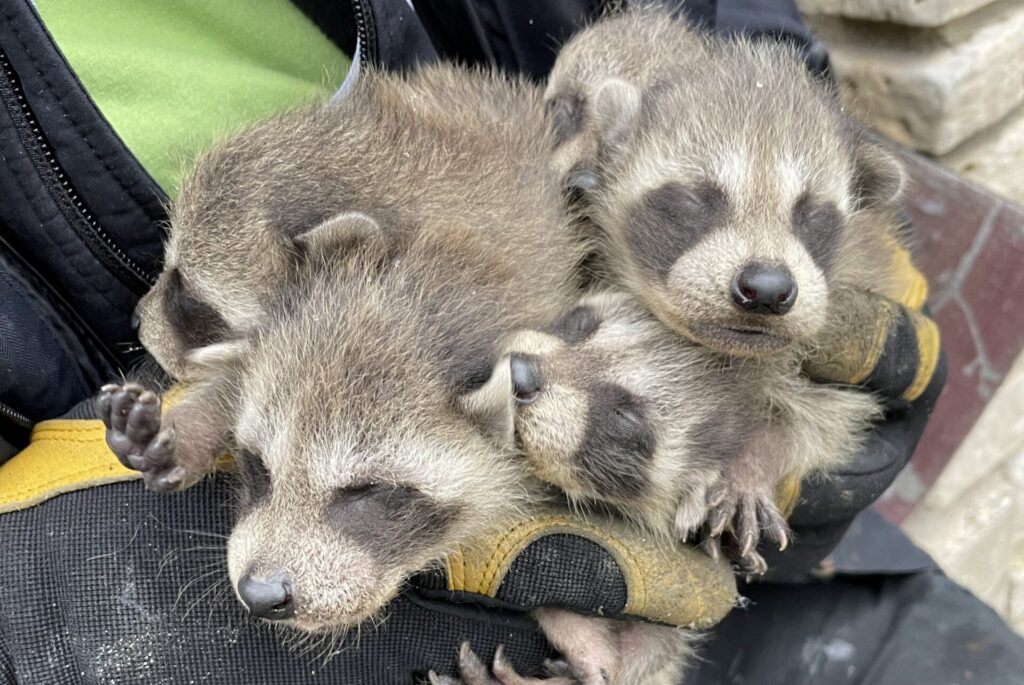
The most common signs are sounds: heavy thumping, walking, or scratching coming from the attic, especially at night. These animals are large enough that their movement is hard to mistake for anything smaller. You may also hear chattering or crying sounds if a female has given birth to a litter of young inside your attic.
Beyond sounds, other signs include visible damage to your roofline or soffit, droppings near the exterior of your home, and tracks on the roof or in the yard below entry points. Inside the attic, our team commonly finds flattened or torn insulation used as nesting material, droppings accumulated in one area, and a strong, musky odor that spreads through the structure over time.
If you are hearing or seeing any of these signs, the situation needs to be assessed by a professional right away. These animals can cause significant damage in a short amount of time, and a female with young inside your attic will not leave on her own until her kits are old enough to move. The sooner our team at Skedaddle gets in to take a look, the better the outcome for your home.
Roof Vents
Roof vents are one of the most common entry points our team finds during attic inspections across Columbus. Most standard vent covers are made from lightweight plastic or thin aluminum. Materials that offer very little resistance to a raccoon that is strong enough to pry, pull, and push its way through. Here is why roof vents are such a frequent target:
- Lightweight Covers Are Easy to Tear Through: Standard plastic and aluminum vent covers are not designed to withstand the strength of a determined raccoon. These creatures can grip the edges of a cover and pull it away from the roof with very little effort. Once the cover is gone or bent back, the opening behind it gives direct access to the attic space. Our team regularly finds vent covers that have been completely removed or torn apart during inspections, often with no other signs of entry visible from the ground.
- Roof Vents Are Elevated and Out of Sight: Because roof vents sit high on the roofline, most homeowners never get close enough to inspect them regularly. That lack of visibility works in the raccoon’s favor — damage to a vent cover can go unnoticed for months while activity inside the attic continues. By the time sounds or smells alert a homeowner to the problem, a nest is often already established directly inside or behind the damaged vent. Regular professional inspections are the only reliable way to catch this kind of damage early.
- Exhaust Vents Create Warmth That Attracts Them: Dryer exhaust vents, bathroom fans, and kitchen exhaust openings push warm, humid air out through the roofline. That warmth is detectable from outside and draws raccoons toward the vent opening. Once they investigate and find a cover that gives way under pressure, they have both an entry point and a warm destination waiting for them on the other side. The combination of accessible material and warmth makes exhaust vents a consistent target across every season.
Soffits and Fascia
Soffits and fascia run along the underside and edge of your roofline, and they represent one of the most vulnerable areas on the exterior of your home. These materials are designed to protect the roof structure and provide ventilation, but they are not built to withstand direct physical pressure from a large, determined raccoon. When they age, shift, or sustain weather damage, the gaps that open up become some of the most commonly used entry points our team finds during inspections.
These animals are strong enough to pull back a section of soffit with their front paws and create an opening large enough to climb through. Vinyl and aluminum soffit panels that have warped or pulled away from the fascia board leave a gap along the edge of the roofline that is nearly invisible from the ground but completely accessible from the roof. A gap as small as a few inches is enough for a determined animal to work with, and once they get their paws into it, that gap gets wider fast.
Fascia boards that have softened from moisture or rot are especially vulnerable. When wood begins to deteriorate, it loses the structural integrity needed to hold soffit panels securely in place. Raccoons can detect that weakness and exploit it quickly. A roofline that looks intact from the street may have significant soffit and fascia damage that only becomes visible during a close inspection from the roof level, which is exactly why our team checks these areas thoroughly during every assessment.
Loose Siding
Siding that has shifted, cracked, or pulled away from the structure gives raccoons a grip point to work with. Once they find an edge they can get their paws into, the opening widens quickly. Here is what makes loose siding such a reliable entry point:
- Gaps at Joints and Seams Are Easy to Exploit: Where two sections of siding meet, small gaps can open up as the material expands and contracts through seasonal temperature changes. These gaps are often barely visible from the ground but provide just enough of an edge for raccoons to grab onto. From there, they use their strength and dexterity to pull the material back and create a larger opening. Corners, transitions between materials, and areas around windows and doors are especially common spots where these gaps develop over time.
- Older Siding Materials Offer Less Resistance: Vinyl and wood siding that has aged, cracked, or been softened by moisture is significantly easier to break through than new material in good condition. Raccoons can identify areas where the material feels different under pressure and focus their efforts there. A section of siding that looks fine from a distance may already be compromised enough to give way quickly. Our team checks siding condition carefully during every inspection because what appears intact at ground level often tells a different story up close.
- Damage Spreads Quickly Once Entry Begins: Once an opening has been created in a section of siding, it rarely stays small. Each time a raccoon enters and exits, the edges of the opening get pushed and pulled further apart. Water gets into the exposed area and accelerates deterioration of the material around the opening. What started as a small gap in a siding seam can become a significant structural breach within a single season. Identifying and sealing these entry points early is the only way to stop that progression before it becomes a much larger repair job.
Chimneys
An open chimney is like an open door straight into your home. Raccoons are great climbers, and a chimney gives them exactly the kind of dark, enclosed space they want for a nesting spot. Here is why chimneys get targeted so often:
- Uncapped Flues Are Open Invitations: A chimney with no cap has nothing blocking the opening at the top. These animals can climb down the inside of a brick chimney without much trouble — the rough surface gives them plenty of grip. Once they reach the bottom, the space near the damper becomes a nesting spot. Females love chimneys because the tight, dark space feels a lot like the hollow trees they would use in the wild.
- Damaged or Missing Chimney Caps Leave Gaps: Even chimneys that have caps can become a problem if the cap is rusted, cracked, or has shifted out of place. A cap that does not sit flat on top of the chimney leaves gaps around the edges that these animals can squeeze through or pull open. A cap can look fine from the ground and still offer almost no real protection. Our team checks every chimney cap during a roofline inspection because these problems are easy to miss without getting up close.
- The Inside of a Chimney Is a Perfect Shelter: The inside of a chimney is not just a way in. It is also a place these animals may choose to stay. It is enclosed, dry, and stays at a steady temperature. A female that climbs down the flue may decide to give birth and raise her young right there inside the chimney rather than moving further into the attic. That situation needs careful, experienced handling. Homeowners should never try to deal with it on their own.
Raccoon Issues in Columbus
Columbus has a large raccoon population, and the city gives raccoons plenty of places to find a way into a home. Older neighborhoods often have aging rooflines, worn soffits, and vent covers that have never been replaced or checked. Those weak spots make them easy targets, especially in late winter and early spring when females are looking for a warm place to give birth.
Spring is the busiest season for attic entry in Columbus. A residential attic is warm, quiet, and up off the ground — everything a mother looks for when choosing a nesting spot. Our team gets a big jump in calls from Columbus homeowners between February and May every year. By the time most people realize something is in the attic, there is often already a litter of young up there.
Cold Columbus winters also play a role. When temperatures drop, these animals look for warm, sheltered spaces to ride out the cold and an attic is one of the warmest spots available. Once they find their way in, they are not likely to leave when things warm up. Without proper sealing after removal, the same home gets targeted again the next season. Our team at Skedaddle makes sure that does not happen.
Raccoon Removal and Prevention 101 with Skedaddle
When you call our team, we start with a full inspection of your roof, attic, and exterior. We find every active entry point, look for signs of nesting, and check whether young are present before we do anything else. That full picture is what lets us handle the job safely and completely from the start.
Once we know what we are dealing with, we get to work. We put one-way doors over the active entry points so raccoons can get out on their own but cannot get back in. After the attic is clear, we seal every opening with strong materials that hold up long-term. Homeowners should never try to seal entry points on their own, especially if young might still be inside. Blocking an active opening with animals inside makes the situation much worse.
Cleanup and prevention are the last steps. Our team clears out contaminated insulation, treats the affected area, and fixes the conditions on your roofline that let them in to begin with. You do not need to get on the roof, and you do not need to handle any of this yourself. That is our job, and we are here to do it.
Frequently Asked Questions
Can raccoons cause serious damage inside an attic?
Yes. These animals tear through insulation for nesting material, contaminate the attic with droppings and urine, and can damage electrical wiring, ductwork, and structural wood. The damage they cause in a single season can be costly to repair, and contaminated insulation often needs to be fully replaced.
How do raccoons get on my roof in the first place?
These animals are excellent climbers. They use trees with branches that overhang the roofline, downspouts, fences, and even the textured surface of brick and siding to climb up to roof level. Once on the roof, they move along the roofline testing every surface for weakness until they find an entry point.
Is it safe to go into my attic if I think a raccoon is up there?
No. These animals can be aggressive, especially females protecting a litter. Attic spaces also contain droppings and contaminated insulation that pose real health risks. Homeowners should stay out of the attic and call our team to handle the inspection and removal safely.
What time of year do raccoons most commonly enter attics?
Late winter through early spring is the most active period, as females search for denning sites ahead of giving birth. However, attic entry can happen in any season. Cold winter weather drives them toward insulated spaces, and fall sends them searching for shelter before temperatures drop.
Will a raccoon leave my attic on its own?
A male may move on after a short period, but a female with young will stay until her kits are old enough to leave, which can take several months. Even after they leave, the entry points and scent markers they leave behind make the same attic a target for future seasons.
How much damage can a raccoon litter cause in an attic?
A female and her litter can cause significant damage in a short time. They flatten and tear insulation for nesting, leave large accumulations of droppings in concentrated areas, and the activity of multiple young raccoons moving around the attic increases wear on every surface they contact. The sooner the situation is addressed, the less damage there is to deal with.
Something Is in Your Attic: Don’t Wait to Find Out What
That sound above your ceiling is not something you should wait out or hope goes away on its own. Raccoons move fast, cause real damage, and have no reason to leave once they have found a warm and sheltered attic to settle into. Every day the situation goes unaddressed is another day of torn insulation, contaminated space, and a growing problem that gets harder to resolve.
The damage these animals cause adds up quickly. Insulation gets destroyed, droppings accumulate, and entry points get wider every time they come and go. A situation that could have been resolved early becomes a much bigger job the longer it sits. Waiting to see if they leave on their own is rarely a strategy that works in your favor.
At Skedaddle Humane Wildlife Control in Columbus, our team handles the full process — inspection, removal, sealing, and cleanup. We find every entry point, make sure no young are left behind, and seal your home so the same situation does not repeat itself next season. You do not need to go up on the roof, and you do not need to figure out where they are getting in. That is exactly what we are here for. Request an estimate today and let our team resolve the situation completely before the damage gets any worse.

 Loading...