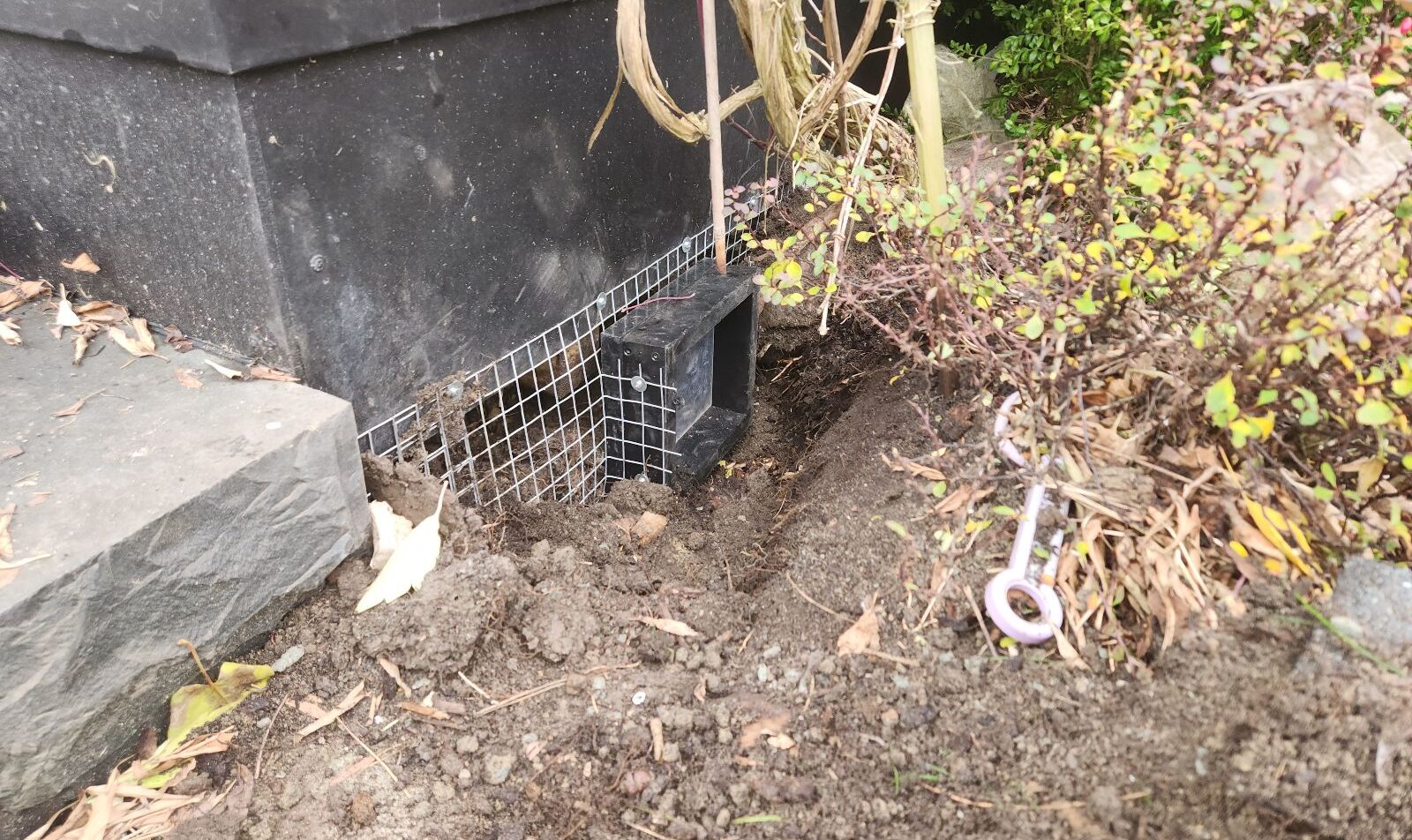
You may have a skunk living beneath your Windsor deck or porch if the area provides a dark, dry, and quiet space. Low structures can feel much like natural dens because they block rain, wind, and activity from above. Soft soil may also make it easy to dig an entrance.
A single nighttime sighting does not always mean your property contains a den. However, repeated movement near the same opening, a lasting odour, and freshly disturbed soil can point to regular use. Sheds, crawlspaces, and areas beneath steps may offer similar shelter.
You should never reach beneath a structure or close a suspected entrance yourself. An adult or dependent young may still be hidden inside. At Skedaddle Humane Wildlife Control in Windsor, we inspect these spaces and complete the physical work for you. In this blog, we explain where skunks may hide, which signs suggest an active den, and why professional removal must happen before prevention.
Is There a Skunk Living Under My Deck?
A strong odour, a dug opening, disturbed soil, or regular nighttime movement may mean a skunk is living beneath your deck. You might also notice a worn path leading toward one part of the structure. Several signs in the same area provide stronger evidence than one sighting.
These animals normally become active around dusk and may return to their den before daylight. That schedule can make the space look empty throughout the day. An adult may also remain hidden for long periods when caring for young.
You should not look under the deck or place anything inside the opening. Getting too close may cause a defensive spray, and blocking the entrance could trap the occupant. A professional inspection is the safest way to confirm whether the space is active.
Why Low Decks and Porches Make Useful Dens
A low deck or raised porch can create a large hidden cavity beside your home. Several features make that space useful as a den.
- Shelter From Windsor Weather: The structure above blocks rain, snow, wind, and direct sunlight. Soil beneath it may remain drier than the open yard. This gives a skunk a more stable place to rest.
- Darkness During the Day: Very little light reaches beneath a low deck or enclosed porch. This matches the daily pattern of an animal that is usually active after dark. The shaded space provides a quiet daytime retreat.
- Limited Human Activity: People may walk across the deck without entering the area below it. That separation can make the cavity feel private and secure. Regular activity above may not be enough to make the occupant leave.
- Soft Ground for Digging: Soil around posts, steps, and foundation edges may be easy to move. An existing gap may need only minor digging to become an entrance. Loose soil can also help create a deeper resting area.
A newer or well-maintained deck can still provide these conditions. The issue is often the open space beneath it, not damage to the structure. Our team can determine where access occurs and how much of the cavity is being used.
Other Structures That Can Hide an Active Den
A deck is not the only structure that can provide safe shelter. Skunks may also settle beneath porches, sheds, steps, additions, and crawlspaces. These areas offer darkness, protection from weather, and limited contact with people. A small entrance can lead to a much larger hidden space.
- Raised Porches: An enclosed porch base may contain a wide open area beneath the floor. Gaps near steps, lattice, support posts, or the foundation can provide an easy entrance. The porch blocks rain and wind while hiding the den from view. You may not notice the opening unless activity repeatedly occurs near the same spot.
- Garden Sheds: Sheds built on blocks or supports often leave narrow spaces around their lower edges. Soft soil may allow a skunk to dig beneath the wall and create a larger entrance. Since people may enter the shed only once in a while, the space underneath can remain quiet for long periods. Nearby garden food or stored items may make the area even more attractive.
- Crawlspaces: A loose access cover, damaged vent screen, or foundation gap may lead into a crawlspace. These areas are dark, dry, and protected from changing Windsor weather. They may also connect to other hidden areas beneath the home. You should never enter the space or reach through an opening when activity is suspected.
- Steps and Additions: Concrete steps, sunrooms, and small additions can create sheltered seams where they meet the main house. Soil may shift or wash away beneath these features, leaving an opening along the edge. What looks like a narrow gap from outside may lead to a deeper cavity. The location can be difficult to inspect without getting too close to the den.
More than one structure may provide access on the same property. A visible hole may connect with space beneath a porch, addition, or part of the house. Our technicians inspect the entire area instead of focusing only on the first opening. This helps us identify the active entrance and other areas that may need protection.
Why the Opening May Be Difficult to Notice
A den entrance does not always look like a large hole. It may sit behind lattice, plants, stairs, stored items, or the edge of a shed. From a normal standing position, the gap may be completely hidden.
An active entrance can also look like an ordinary patch of bare soil. Tracks and loose dirt may disappear after rain, yard work, or regular foot traffic. Windsor’s changing winter conditions can make these signs even harder to follow.
Skunks often leave after dark and return before people wake up. The space can remain silent and still during most of the day. A lack of visible activity does not prove that the cavity is empty.
You should not move objects or reach into the area to get a better look. An adult may be resting only a short distance from the opening. Skedaddle can inspect the space without putting you close to an active den.
Signs That the Space May Be Active
One sign alone may not prove that a skunk is living beneath the structure. An odour or patch of loose soil can have more than one cause. However, several signs appearing around the same deck, porch, or shed make active denning more likely. You should observe these clues from a safe distance and leave the full inspection to a professional.
- A Strong or Lasting Odour: A repeated smell near one part of the deck may point to regular activity beneath it. The odour may become stronger after dark or when the air is still. It can also enter your home through open windows, doors, vents, or foundation gaps. However, smell alone cannot confirm the exact location of the den.
- Freshly Disturbed Soil: Loose dirt may collect beside an opening after a skunk digs beneath the structure. You might also notice a shallow trench or bare patch along the deck or porch edge. Fresh soil may look darker or softer than the ground around it. Do not touch the area or place anything inside the opening.
- Tracks and Worn Paths: Regular travel may flatten grass or create a narrow path along a fence, wall, or garden edge. Tracks may lead toward a gap beneath the porch, deck, or shed. Several paths can also meet near a food source before continuing toward the den. Rain, snow, and yard activity may erase this evidence quickly.
- Nighttime Movement: You may see a skunk enter or leave the same opening around dusk or before sunrise. One visit could mean it is only passing through the property. Repeated movement near the same structure over several nights is a stronger sign of an active den. The adult may remain out of sight during most daylight hours.
- Sounds From Beneath the Structure: Light scratching, movement, or soft sounds may come from below the deck or porch. These noises can be easier to hear when the yard is quiet. They may be especially important during the season when dependent young could be present. Never reach underneath or move a panel to find the source.
Avoid standing beside the entrance while waiting for activity. An adult returning to its den may feel blocked, trapped, or threatened by your presence. That stress could cause a defensive spray near your home. Our team can assess the opening and surrounding evidence without creating this conflict.
Why Food and Yard Features Encourage Denning
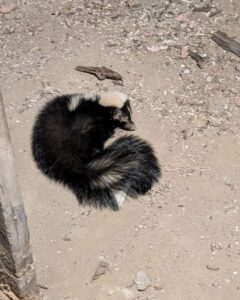
Shelter can bring a skunk beneath your porch, but nearby food can give it a reason to stay. A reliable meal may encourage these animals to follow the same route night after night. Once they become familiar with your yard, they may begin exploring nearby structures for a den. Several common property features can support this pattern.
- Garbage and Compost: Strong food smells can escape from garbage bins, bags, and compost areas. A skunk that finds a meal may return to check the same location again. A nearby deck or porch provides shelter only a short distance from the food. This combination can turn a brief visit into regular activity.
- Outdoor Pet Food: Food bowls left outside may provide an easy meal after dark. Even a small amount can encourage repeat visits to the same part of the yard. While searching, a skunk may notice an opening beneath a nearby deck, porch, or shed. The protected space can then become a convenient resting or denning area.
- Fallen Fruit and Garden Food: Fruit and vegetables lying on the ground are easy to reach without climbing. These foods may remain available overnight when the yard is quiet. A skunk may travel between the garden and a protected space beneath a structure. Regular access to both food and shelter can encourage it to remain nearby.
- Spilled Seed: Seed can collect on the ground beneath outdoor feeders. A skunk searching at ground level may find this food while moving through the yard. After feeding, it may explore nearby sheds, porches, and decks for protection. Repeat access can keep it returning to the same area.
- Covered Travel Routes: Fences, shrubs, hedges, and closely spaced properties can create sheltered paths. These routes help skunks move through Windsor neighbourhoods with less exposure to people. A path may connect food in one yard with a den in another. Thick cover near a deck or porch can also hide the entrance from view.
Food does not need to sit directly beside the den opening. These animals may travel across several properties during one night to find what they need. Our professional assessment considers the den, nearby food sources, and the routes used to reach the structure. This broader view helps our team create a more complete removal and prevention plan.
Why an Opening Should Never Be Closed Right Away
An empty-looking entrance may still lead to an occupied den. The adult could be resting farther beneath the structure or searching for food nearby. Closing the gap does not confirm that the space is clear.
The risk is greater when dependent young may be present. A mother may leave them beneath the porch while she feeds at night. Sealing the opening while she is away could separate the family.
A trapped skunk may dig around the barrier in an attempt to escape. It could also spray beneath the deck or near the foundation when stressed. The odour may then enter your living space.
A trained professional must identify the active entrance and determine what remains inside. Humane removal comes before lasting exclusion. This order prevents the occupants from being trapped within the property.
How Windsor’s Seasons Affect Den Activity
Spring can bring denning activity as mothers search for protected places to raise their young. A dry cavity beneath a porch may provide warmth and cover. The family can remain tied to the site until the young are ready to travel.
Food searches may cover a wider area during summer and fall. Garbage, garden food, and other sources can bring skunks into residential yards. A shelter found during these trips may become a regular den.
Windsor’s milder winter periods can also support outdoor movement. However, cold snaps can increase the need for a protected space. A deck or crawlspace may offer relief from wind and freezing temperatures.
Seasonal behaviour affects when and how removal should happen. Our team checks for adult activity and dependent young before choosing a plan. The opening remains untouched until the space can be cleared safely.
What to Know About Skunk Removal and Prevention
When a skunk moves beneath your deck, porch, shed, or crawlspace, our professional wildlife team begins with a full inspection. We locate the active entrance, examine the surrounding structure, and look for signs of dependent young. Our technicians also check for other openings that lead into the same cavity. You do not need to reach beneath the structure or enter a tight space.
We then create a humane removal plan for the den and family situation. When suitable, our one-way doors allow wildlife to leave but prevent them from returning. We make sure dependent young are handled with care and account for the mother before closing the space. Skedaddle does not use live trapping or relocation.
After our team confirms that the den is empty, we can clean affected areas and secure the opening. Durable exclusion materials protect the structure while allowing proper drainage and airflow. We also reinforce nearby edges that could become new entrances. This complete process helps prevent another skunk from using the same location.
Frequently Asked Questions
Will a skunk leave the den on its own?
A skunk may leave each night to search for food, but it can return before daylight. Seeing it walk away does not mean the den has been abandoned. A mother may continue using the space while caring for young. Our professional inspection is needed before the opening can be closed.
How long will a skunk stay under a porch?
The length of the stay depends on shelter, food, weather, and the presence of young. One may use the space briefly, while a family may remain for weeks or longer. A useful den can also attract future activity if the opening stays available. An inspection can determine whether the site is still active.
Can a skunk spray beneath a deck?
Yes, a skunk may spray when it feels trapped, surprised, or threatened. Odour beneath the deck can move through vents, windows, doors, and foundation openings. It may remain in the area long after the event. Keeping people and pets away lowers the chance of a defensive response.
Does seeing one at night mean there is a den?
Not always. One sighting may only mean that the skunk is passing through your yard while searching for food. Repeated activity near the same opening provides stronger evidence of a den. Tracks, digging, odour, and worn paths can support that conclusion.
Can the entrance be covered while it is away?
No, you should not cover the entrance after seeing the adult leave. It may return later, and dependent young could still be inside. Blocking the route can separate the family or trap them beneath the structure. A professional must confirm that removal is complete before exclusion begins.
Should homeowners clean beneath the deck?
No, you should not crawl beneath the deck or handle droppings, nesting material, or contaminated soil. Tight spaces may have poor airflow and can bring you close to an active occupant. Disturbing the area may also cause a defensive spray. Our trained professionals can assess and clean the space safely.
Get the Hidden Space Checked Before the Problem Grows
Low decks, raised porches, sheds, and crawlspaces can provide darkness, dry ground, and protection from Windsor weather. Nearby food and covered travel routes can make the property even more attractive. A lasting odour, fresh digging, worn paths, and repeated nighttime movement may point to an active den.
You should never crawl beneath the structure, handle contaminated material, or close the entrance yourself. An adult or dependent young may still be inside, even when the area seems quiet. Blocking an occupied den can separate a family, cause digging, or lead to a defensive spray near your home.
At Skedaddle Humane Wildlife Control in Windsor, we can inspect the property, complete humane removal, clean affected spaces, and secure the den entrance. Our team handles each stage so you do not have to place yourself near the hidden area.
Contact us to schedule a professional assessment. You can request an estimate to learn more about skunk removal and long-term prevention for your Windsor home.

 Loading...








