You’re snuggling in your warm, cozy home on a chilly winter evening, only to hear scratching noises coming from the attic or walls. It’s a sound that no one wants to hear, because it could mean wildlife has already moved in.
Are you at risk for a wildlife infestation?
The short answer is yes, especially in the winter when animals like squirrels, raccoons, mice, and bats are searching for a warm place to call home. Winter home wildlife risks are real, and if you want to secure your home from wildlife this season, the time to act is now.
That’s where Skedaddle Humane Wildlife Control in Columbus can help with wildlife infestation prevention.
With dropping temperatures, wildlife seeks to escape the cold, and your home might look like the perfect refuge. Gaps in your roof, chimneys without caps, or even improper garbage disposal can all act like welcome signs for animals. Not only can they damage your home by chewing through wires or ripping apart insulation, but they can also bring health risks.
But don’t worry, there are practical steps you can take to protect your home. Breaking it down, we’ll walk you through how to identify risks and secure your home from wildlife this winter.
Signs You’re At Risk For Wildlife Infestation
If you’ve been wondering if your home might be a target, there are clear signs to look for. Catching these early can save you from damage, costs, and stress later.
Holes or Openings Around Your Home
Animals only need a small gap to make their way inside. For example:
- Mice can squeeze through holes as tiny as a dime.
- Bats and squirrels can enter through loose roof shingles or soffits.
- Larger animals like raccoons might rip open weak areas to get in.
Walk around the exterior of your home and inspect vents, rooflines, and any cracks near windows or doors. Use caulk or sturdy mesh to seal up these vulnerabilities.
Unusual Noises
If you’ve heard scurrying, scratching, or squeaking sounds, especially at dawn or dusk, you might already have company. These noises often mean animals are moving around, building nests, or searching for food inside your home. Listen carefully to the walls, attic, or even under the porch, as these are common hiding spots. Catching these sounds early can help you act before the problem gets worse.
Tracks, Droppings, or Chew Marks
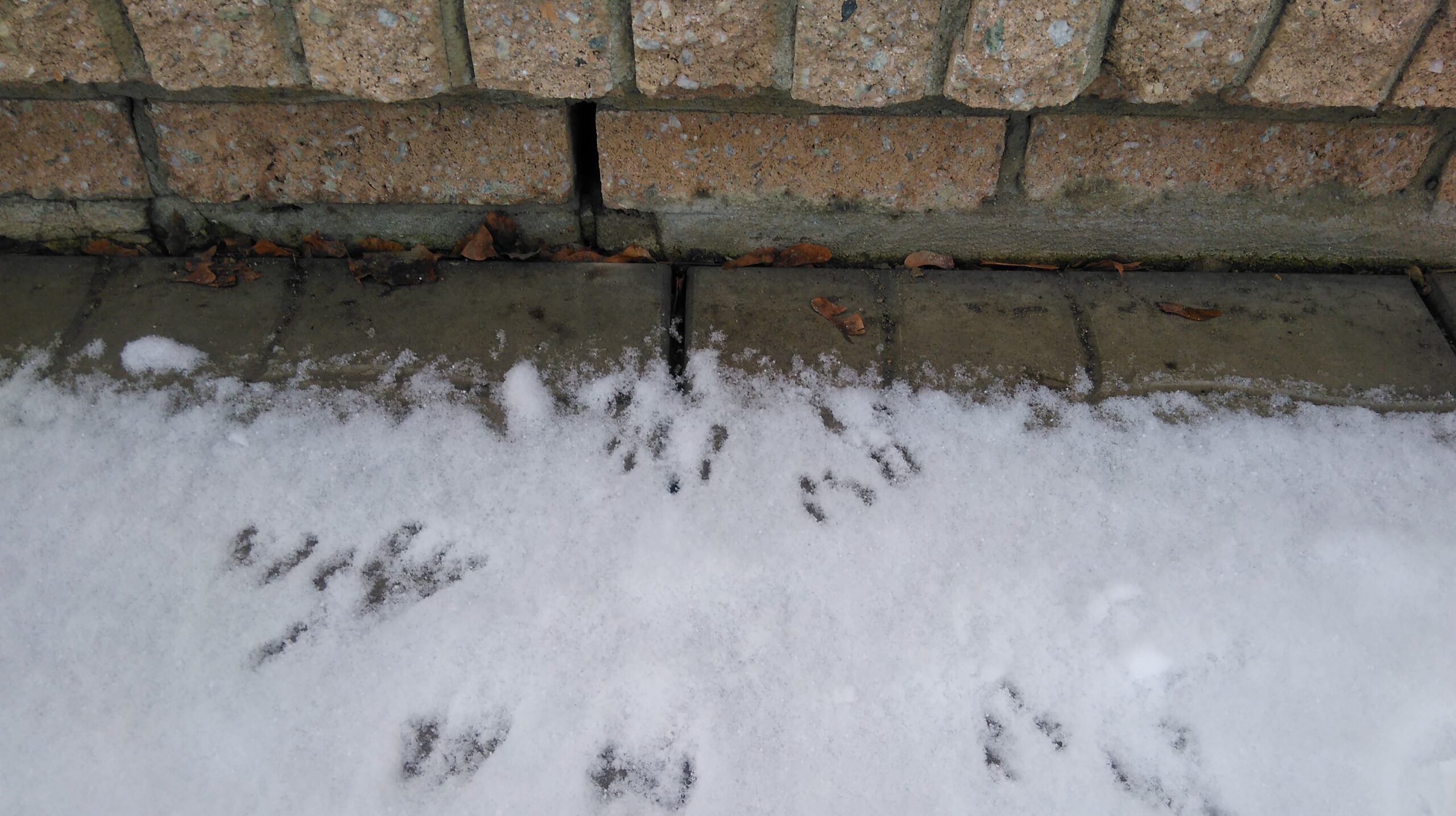
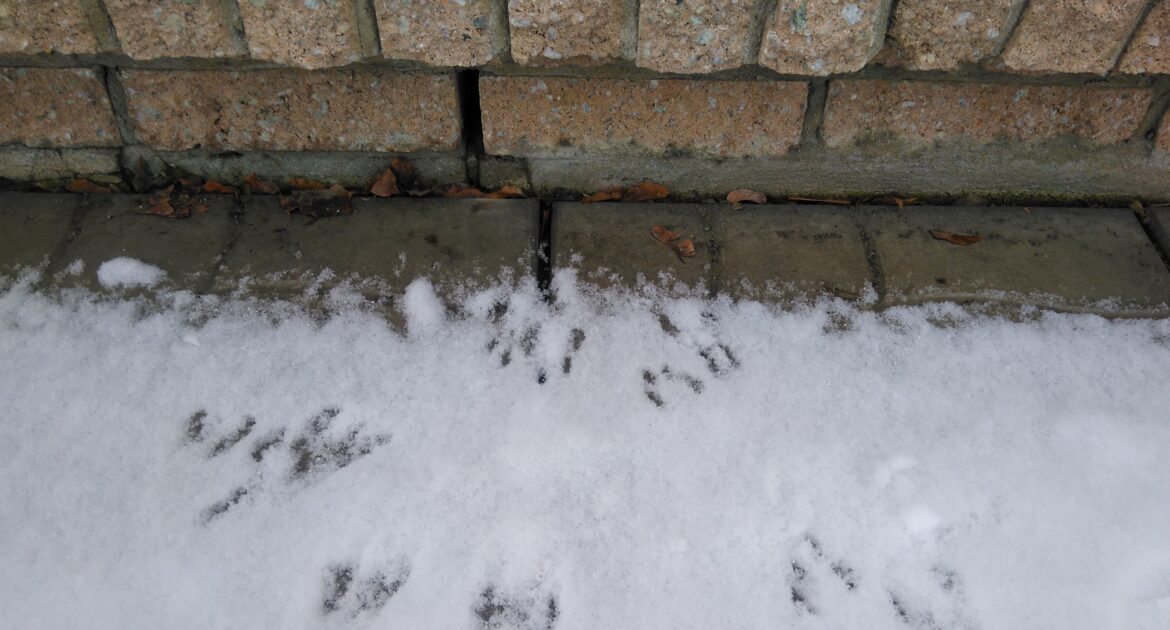
Droppings or gnawed items in places like the pantry, garage, or basement can point to wildlife activity. These signs are not just messy—they can also spread diseases or attract more animals. If you notice these signs, it’s time to call for help immediately to prevent further damage. Acting quickly can save you from bigger problems down the road.
Entry Points Into the Attic
Have you climbed into your attic lately? It’s a common nesting spot for wildlife because it’s warm and quiet, making it perfect for animals to settle in. Look for shredded insulation or nests made of leaves and branches, as these are clear signs of activity. Sealing off entry points can stop animals from making your attic their home.
If any of this sounds familiar, your home could definitely be at risk.
How To Secure Your Home From Wildlife This Winter
Once you know the risks, it’s time to get proactive. Here’s how you can make your house less appealing to wildlife:
Block Entry Points
To keep wildlife out of your home, it’s essential to block all possible entry points. Start by walking around your house and inspecting for even the smallest cracks or gaps, as animals can squeeze through surprisingly tiny spaces. Use caulk or metal mesh to seal these openings securely.
Don’t forget to install chimney caps, as chimneys without them act like wide-open invitations for animals to enter. Additionally, cover any outside vents with sturdy mesh to prevent wildlife from crawling in. Taking these steps will make it much harder for animals to find their way inside.
Manage Trash and Food Sources
Managing trash and food sources is another critical step in keeping wildlife away. Animals like raccoons are often drawn to easy meals, so make sure your garbage bins have locking lids and are kept tightly closed.
Bird seed and pet food left outside can also attract wildlife, so clean up any spills and store food indoors. By removing these tempting food sources, you can make your yard far less appealing to animals looking for a quick snack. These small changes can go a long way in preventing wildlife from lingering around your home.
Trim Nearby Trees
Overhanging tree branches can act as bridges for animals trying to access your roof or attic. Trim back any branches that are close to your home to reduce this risk. This simple step can make it much harder for wildlife to reach your roof and find entry points.
Regular tree maintenance not only protects your home but also keeps your yard looking neat and tidy. It’s a win-win for both your property and your peace of mind.
Clean Up Yards and Decks
A clean yard and deck can make a big difference in keeping wildlife at bay. Here are a few strategies:
- Remove brush piles, which serve as hiding spots.
- Cover any openings under decks with lattice or mesh.
- Keep firewood stacked away from your home to discourage animals from nesting.
These actions not only help prevent wildlife from settling in but also make your outdoor spaces safer and more enjoyable for you and your family. A little effort now can save you from bigger problems later.
These steps are a great start to wildlife infestation prevention, but they aren’t foolproof. Animals can be crafty, which is why it’s essential to have a professional plan in place.
Why Winter Is a Key Season for Wildlife
Think of winter as a survival season for wildlife. Animals are looking for warmth, food, and safety. Without proper precautions, your home could meet all of these needs. Here in Columbus, typical animals you might see trying to break in include:
- Squirrels: They’re looking for spaces like attics to store food and set up nests.
- Raccoons: These clever animals can pry open weak siding or roofs.
- Bats: Attics or walls can provide them with a quiet place to hibernate.
- Mice and Rats: Often seeking warmth, they chew through walls and wires.
If you’ve noticed any of the risks we’ve mentioned, taking action now can prevent problems before they escalate.
Why Professional Help Matters
While it might be tempting to try DIY approaches, wildlife removal is not something to handle on your own. Animals can bite, carry diseases, or cause structural damage while you try to remove them. That’s why professionals like us at Skedaddle Humane Wildlife Control in Columbus are here.
We use a specialized method to keep your home wildlife-free:
- One-Way Doors: These allow animals to exit safely but prevent them from re-entering your home. It’s humane and effective, which means no animals are harmed, and your problem is solved for good.
- Comprehensive Sealing: After removal, we inspect every inch of your home to seal potential re-entry points.
- Cleanup and Disinfection: Wildlife can leave behind droppings, nests, and odours. We make sure your space is clean and safe again.
When you work with Skedaddle, you’re choosing expertise, safety, and peace of mind.
Stay Ahead With Wildlife Infestation Prevention
Now is the time to take action. Winter home wildlife risks are real, but they’re also preventable. Follow these tips to secure your home from wildlife, and remember that trusting professionals can make all the difference.
Want to ensure your home stays safe this winter? Request an estimate from Skedaddle Humane Wildlife Control in Columbus. We’re here to help you stay warm and worry-free while keeping wildlife outside where it belongs.

 Loading...







