It starts with a faint scratch.
You pause the television and listen. There it is again, scratching, shuffling or fluttering somewhere above the ceiling. A few minutes later, everything goes quiet.
By the next morning, you may be wondering whether you imagined it. Then the sound returns.
Summer attic noises are common in Durham Region, particularly in neighbourhoods with mature trees, nearby parks, ravines and older rooflines. Bats, birds and squirrels may all use small openings around roofs, vents and soffits to access sheltered spaces.
The challenge is identifying which animal has moved in without entering the attic, disturbing a nest or coming into contact with wildlife.
It is time to examine the evidence.
How Can You Tell What Is Scratching in the Ceiling?
The timing and type of noise can offer useful clues. Squirrels usually create heavier scratching, chewing or scampering sounds during daylight hours, especially around sunrise. Birds may chirp, peck and flutter throughout the day. Bats generally produce lighter rustling, squeaking or fluttering around dusk, overnight or near dawn.
However, sound alone cannot confirm the species. A professional wildlife inspection is the safest way to identify the animal, locate its entry points and determine whether young are present.
Meet the Three Attic Suspects
Each suspect leaves behind a different combination of sounds, schedules and exterior clues.
Suspect One: The Busy Squirrel
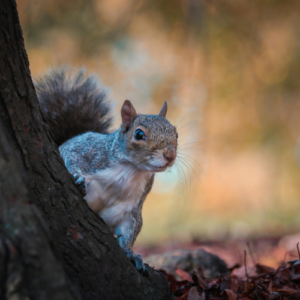 Squirrels are energetic, determined and surprisingly capable of modifying an opening to fit their needs.
Homeowners may hear:
- Rapid scampering across the attic
- Scratching above ceilings or inside soffits
- Chewing or gnawing sounds
- Rolling, bumping or dragging noises
- Activity beginning shortly after sunrise
Squirrels commonly enter through damaged soffits, roof edges, fascia boards, vents and construction gaps. They may also chew around an existing weak point to make the opening larger.
During the summer, some attic activity may involve a mother caring for dependent young. Removing or blocking the adult without checking the nesting area could leave babies trapped inside.
Suspect Two: The Quiet Bat
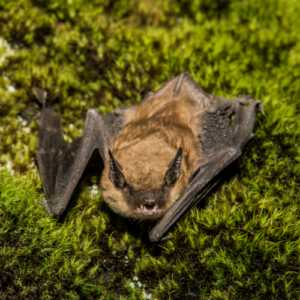 Bats are much quieter than squirrels, which can make them difficult to identify from inside the home.
Possible bat sounds include:
- Soft scratching behind walls
- High-pitched squeaking
- Light rustling near the roofline
- Brief fluttering sounds
- Activity around sunset or before sunrise
Bats can enter through narrow gaps along flashing, soffits, vents, chimneys and roof joints. An opening may be difficult to see from the ground and may not look large enough for an animal to use.
Summer is an important time for bat maternity colonies. Female bats may gather in warm attic spaces to give birth and raise pups that cannot yet fly. The presence of young bats can affect when and how humane removal is performed.
Never attempt to catch or handle a bat with bare hands. Keep people and pets away from any bat found inside a living space and contact a professional for guidance.
Suspect Three: The Noisy Bird
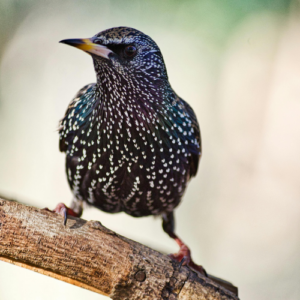 Bird activity is often easier to recognize because it may include chirping or calls from nestlings.
Listen for:
- Chirping or peeping
- Pecking near vents or soffits
- Fluttering wings
- Scraping or nest-building sounds
- Frequent daytime movement
Birds may build nests inside bathroom vents, dryer vents, soffits, roof gaps and uncapped openings. Twigs, grass, feathers or other nesting materials may become visible near the entrance. Some common birds in the Durham region that cause residents problems are the European Starlings and House Sparrows.
Active nests containing eggs or young birds must be approached carefully. Removal timing and methods may depend on the species, nesting stage and applicable wildlife protections.
The Attic Wildlife Evidence Board
Use this chart as an initial guide, not as a replacement for a professional inspection.
| Clue | Bats | Birds | Squirrels |
| Typical sounds | Light scratching, squeaking, rustling or fluttering | Chirping, pecking, flapping or scraping | Scampering, chewing, scratching or bumping |
| Most active time | Dusk, overnight and near dawn | Daylight hours, often early morning | Daylight hours, especially around sunrise |
| Common entry points | Roof joints, flashing, soffit gaps and vents | Exhaust vents, soffits, chimneys and roof gaps | Fascia, soffits, roof edges, vents and chewed openings |
| Droppings or nesting clues | Small accumulations of guano near roosts or openings | Feathers, twigs, grass and droppings | Larger droppings, shredded insulation and nesting debris |
| Summer behaviour | Maternity colonies raising pups | Adults feeding nestlings | Mothers raising young and juveniles exploring |
| Possible damage | Contaminated insulation and recurring use of openings | Blocked vents, odours and nesting debris | Chewed wood, wiring, vents and insulation |
Observe these clues only from a safe location. Do not handle droppings, disturb a nest, climb onto the roof or enter a contaminated attic.
Follow the Timeline: When Do You Hear It?
The clock may be one of the strongest clues in your investigation.
Early Morning: The House Wakes Up
Activity around sunrise often points toward squirrels or birds.
Squirrels may leave the attic to search for food shortly after daylight. Birds may begin calling, feeding young or moving nesting materials early in the morning.
Bats returning to a roost before sunrise may also create brief fluttering or rustling sounds, so timing should be considered alongside other evidence.
Daytime: The Active Suspects
Persistent scratching or scampering during the day is more consistent with squirrels.
Chirping, pecking and repeated fluttering may indicate birds, particularly when adults are travelling back and forth to feed nestlings.
From the ground, you may notice an animal repeatedly approaching the same vent, roof corner or soffit opening.
Dusk: Watch the Roofline
Dusk is one of the best times to observe possible bat activity from a safe position on the ground.
Bats may emerge one at a time from a narrow roofline opening. Their flight is typically quick and erratic as they begin feeding on insects.
Squirrels are usually settling down by this time, although their schedules can vary.
Overnight: Listen for Lighter Movement
Soft scratching, squeaking or fluttering overnight may suggest bats. However, noises can travel through ductwork, framing and insulation, making their exact location difficult to determine.
Wildlife may also behave differently when caring for young, responding to extreme heat or reacting to disturbances around the property.
Think of timing as one clue—not the final verdict.
Inspect the Outside, Not the Wildlife
You do not need to climb into the attic to gather useful information.
From ground level, look for:
- Damaged or lifted soffits
- Loose vent covers
- Gaps around roof edges
- Dark staining below an opening
- Feathers or nesting materials
- Chewed fascia boards
- Enlarged construction gaps
- Droppings below a possible entry point
- Wildlife repeatedly entering the same area
Binoculars or the zoom function on a phone camera may help you view roofline details without using a ladder.
Do not block an opening simply because you have found it. An active entry point may be the only route a mother uses to reach her young. Sealing it too early could trap animals inside or separate a family.
Droppings and Debris: Clues With Real Risks
Droppings, nesting materials and damaged insulation can provide information about what has been using the attic. They can also create health and safety concerns.
Wildlife contamination may involve:
- Bacteria and fungi
- Airborne particles
- Fleas, mites or other parasites
- Strong odours
- Soiled insulation
- Nesting debris
- Pheromone scents that encourage future activity
Bat guano may collect below a roosting area. Bird nests may contain feathers, grass and compacted droppings. Squirrel nesting sites may include shredded insulation, leaves or other materials carried into the attic.
Homeowners should not sweep, vacuum or handle this material without appropriate equipment and containment procedures. Disturbing dry droppings may release contaminated particles into the air.
Professional cleanup may include removing affected material, applying disinfectants, treating odours and pheromones, and assessing whether insulation or nearby building materials have been damaged.
Common Mistakes Amateur Detectives Make
A mysterious attic sound can make a quick solution tempting. Unfortunately, the wrong move may make the situation worse.
Sealing the First Hole You Find
There may be multiple entry points, and wildlife or dependent young may still be inside. Closing one opening can trap animals or force them deeper into walls and ceilings.
Relying on Repellents
Mothballs, bright lights, ultrasonic devices and homemade sprays rarely resolve the underlying problem. Wildlife may ignore them, relocate to another part of the structure or return when the disturbance stops.
Entering the Attic Without Protection
Attics may contain droppings, damaged wiring, exposed nails, unstable surfaces and contaminated insulation. Wildlife may also retreat into inaccessible areas when approached.
Removing a Nest Without Checking It
A quiet nest is not necessarily empty. Young animals may remain still when adults are away.
Assuming the Problem Has Disappeared
Attic activity can be intermittent. Animals may leave for hours or days and return later. A pause in the noise does not mean the entry point has been abandoned.
Using Poison or Improvised Traps
Poison can lead to animals dying inside walls or ceilings. Improper trapping can injure wildlife, separate mothers from their young and fail to address the openings that allowed access in the first place.
How Skedaddle Solves the Attic Mystery
Identifying the species is only the beginning. Effective wildlife removal must also address young animals, contamination, property damage and the conditions that allowed entry.
Assess and Identify
Skedaddle begins with a detailed assessment of the home and surrounding property.
The inspection may include:
- A 35-point inspection process
- Examination of the roofline and exterior
- Thermal imaging where appropriate
- Identification of active and potential entry points
- Assessment of nesting areas and contamination
- Confirmation of the wildlife species
- Careful checks for dependent young
This investigation allows technicians to build a removal plan based on the animal, season and structure of the home.
Remove Humanely
Humane removal methods are selected according to the species and circumstances.
Depending on the situation, this may involve properly installed one-way doors that allow wildlife to leave but prevent it from returning. When young animals are present, trained technicians may use hands-on techniques to remove them safely and support reunion with their mother.
One-way doors are not suitable for every species, property or stage of the nesting season. The removal approach must reflect how the animal behaves and whether dependent young are involved.
Skedaddle does not rely on poisons or unnecessary relocation to solve attic wildlife problems.
Clear and Clean
Once wildlife has been removed, contaminated areas may require professional attention.
Cleanup services can include:
- Removal of droppings and nesting material
- Decontamination of affected surfaces
- Odour and pheromone treatment
- Removal or assessment of soiled insulation
- Restoration of a cleaner, safer attic environment
Removing scent markings is important because lingering wildlife odours may encourage future animals to investigate the same area.
Prevent and Protect
The final step is making it difficult for wildlife to return.
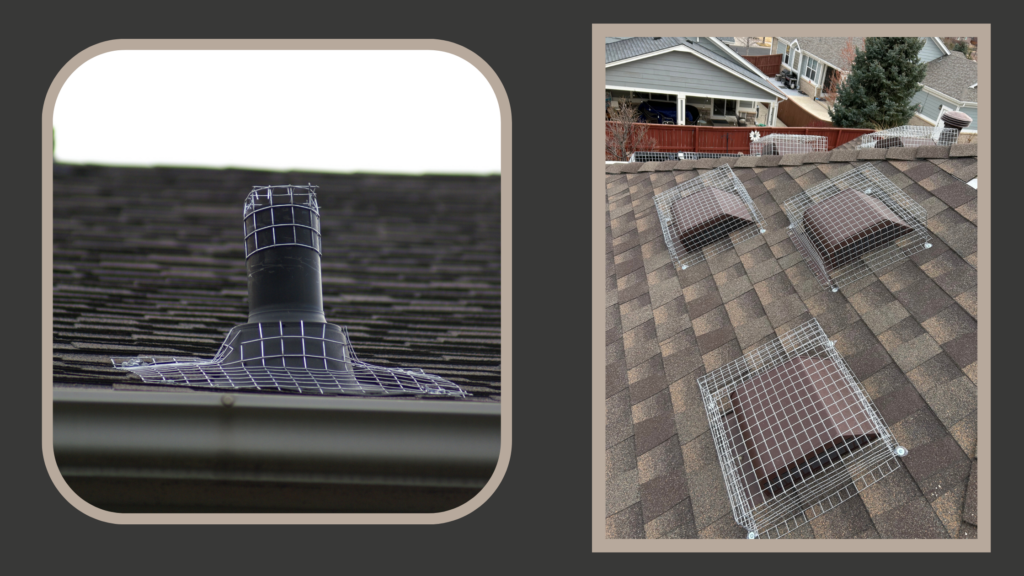
Skedaddle technicians identify vulnerable areas and reinforce them using durable materials such as galvanized steel screening where appropriate. This may include protecting vents, repairing entry points and securing common roofline weaknesses.
The goal is not simply to close one visible hole. It is to wildlife-proof the home and reduce the chance of another animal finding a nearby way inside.
Skedaddle’s workmanship is supported by a lifetime guarantee where applicable, providing long-term reassurance after the mystery has been solved.
Why Summer Attic Activity Is Common in Durham Region
Summer is a busy season for wildlife throughout Durham Region.
Birds may be raising nestlings inside vents or roof openings. Bat maternity colonies may be using warm attic spaces while pups develop. Squirrels born earlier in the year may become more active and begin exploring areas around roofs, trees and neighbouring properties.
Durham Region also offers many features that support wildlife populations:
- Mature residential trees
- Ravines and creek corridors
- Agricultural areas
- Waterfront habitats
- Parks and green spaces
- Older homes with weathered roof components
- New construction that disrupts established shelter
Communities such as Oshawa, Whitby, Ajax, Pickering, Courtice, Bowmanville, Uxbridge and Scugog each contain a mix of urban development and natural habitat.
As young wildlife becomes more mobile, homeowners may notice increased movement above ceilings, inside soffits or around roof vents. Summer heat may also make odours and attic contamination more noticeable.
Case Closed: Do Not Let the Mystery Continue
The time of day, type of sound and visible exterior clues can help narrow down what may be scratching in the ceiling. However, even the best amateur detective cannot see what is happening inside every soffit, wall cavity or attic corner.
A complete inspection is needed to identify the species, locate all entry points, check for young, assess contamination and determine the safest removal method.
Skedaddle Humane Wildlife Control provides professional wildlife removal throughout Durham Region using humane, species-specific techniques. From the first inspection to cleanup and long-term prevention, the goal is to resolve the immediate problem without leaving the home vulnerable to another wildlife visitor.
Contact Skedaddle to schedule a wildlife assessment and let an experienced team solve the mystery above your ceiling.
Frequently Asked Questions
What animal is most likely to scratch in the ceiling during the day?
Daytime scratching is often associated with squirrels, especially when the sound includes scampering, chewing or heavier movement. Birds may also create daytime noises, including chirping, fluttering and pecking. Pay attention to whether the activity begins around sunrise and whether animals are repeatedly approaching a roof vent or soffit. A professional inspection is still needed to confirm the species and check for young.
What animal makes scratching noises in the ceiling at night?
Light scratching, rustling or squeaking at night may indicate bats, particularly when activity increases around dusk or before sunrise. However, sounds can travel through framing, ducts and insulation, so their source may not be directly above the room where they are heard. Other wildlife can also move at unusual times. Avoid entering the attic and arrange an inspection to identify the cause safely.
Can bats, birds or squirrels enter through roof vents?
Yes. Damaged, loose or unprotected roof vents can provide access for several wildlife species. Birds may build nests inside vent openings, while squirrels can chew or pull at weakened materials. Bats may use narrow gaps around vent edges and nearby roof joints. Professional wildlife-proofing often includes securing vulnerable vents with durable screening while maintaining the airflow the ventilation system requires.
Should I seal an opening if I see wildlife using it?
No. Sealing an active opening without knowing what is inside may trap wildlife in the attic or separate a mother from dependent young. Trapped animals may damage ceilings, walls, wiring or ventilation systems while searching for another exit. A professional should identify the species, determine whether young are present and complete the removal before the opening is permanently repaired and reinforced.
How long does humane attic wildlife removal take?
The timeline depends on the species, number of entry points, presence of young, level of contamination and condition of the home. Some situations can be resolved relatively quickly, while maternity colonies, active bird nests or extensive damage may require a carefully timed process. Skedaddle begins with an inspection so homeowners receive a removal and prevention plan based on the specific conditions of their property.
Why should I hire a professional instead of investigating the attic myself?
Attics may contain contaminated droppings, unstable walking surfaces, damaged wiring and hidden wildlife. Entering the space can disturb animals, spread airborne particles or cause a mother to abandon or relocate her young. Wildlife professionals are trained to identify species, find hard-to-see entry points, remove animals humanely, clean affected areas and install long-term exclusion materials without trapping wildlife inside.

 Loading...