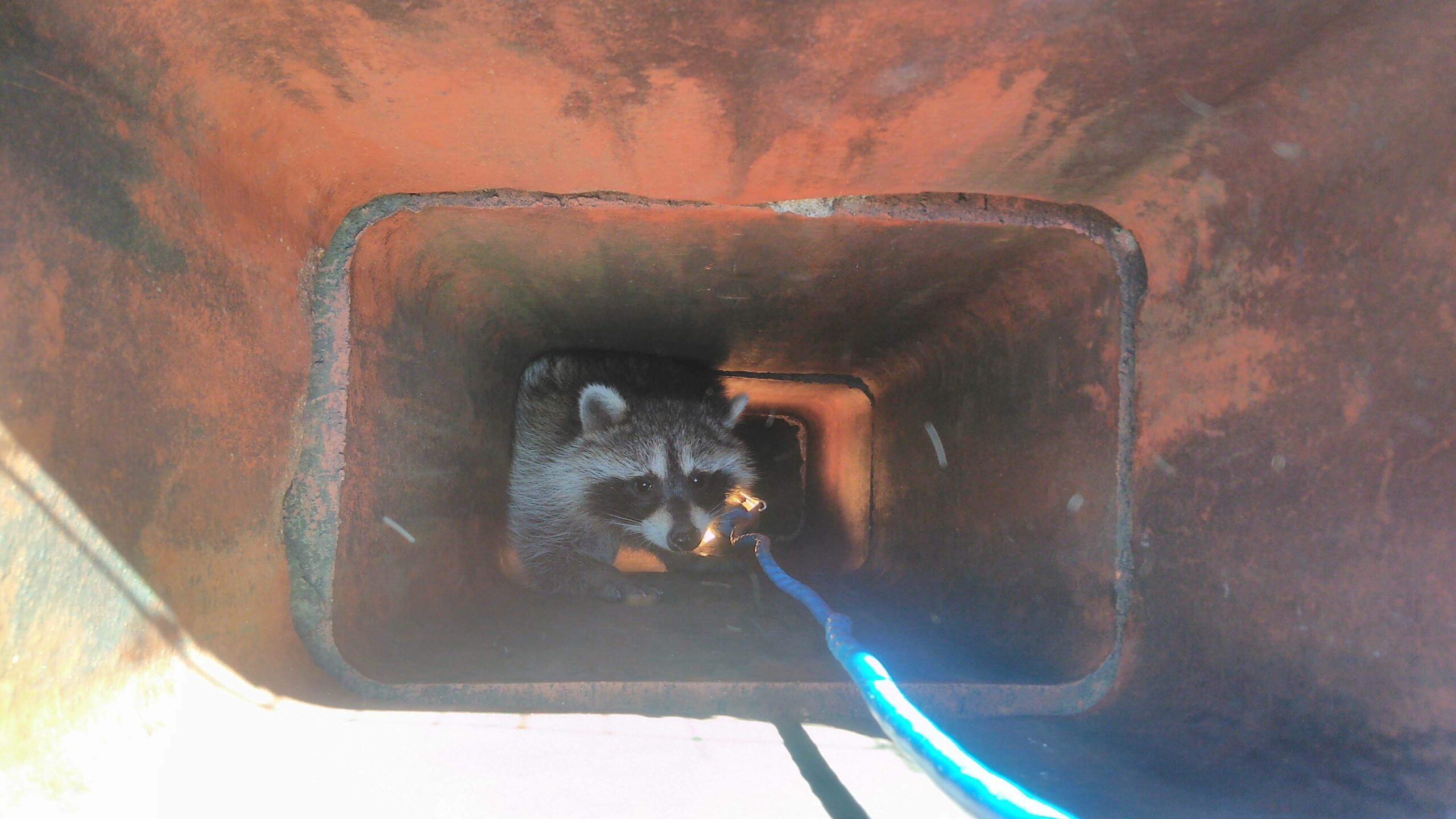

When you think about raccoons in cities, you probably picture tipped-over garbage bins or paw prints across your driveway. But there’s another part of their lives that can affect you directly—urban raccoon mating habits. Each year, the season brings noise, damage, and health risks to homes and businesses across Hamilton and other cities.
So how can raccoon mating life affect you? The answer comes down to where they choose to mate and raise their young. Urban raccoon mating habits often push them into attics, garages, and sheds because these spots are warm, dry, and safe from predators. That’s why it’s so important to understand the raccoon mating season urban impact and how professional raccoon population control in cities helps prevent bigger problems.
At Skedaddle Humane Wildlife Control in Hamilton, we see the impact of these habits every year. Let’s explore why mating season matters, the signs you should watch for, and what can be done to keep your home safe.
When Does Mating Season Happen?
Raccoons usually mate in late winter, from January to March. During this time, males compete for females, which leads to lots of activity at night. If you hear fighting or loud calls outside during this period, it’s often connected to mating.
By spring, mothers look for nesting sites to raise their babies. Urban spaces like attics, garages, or sheds become perfect choices. Once babies are born, the mother stays close by, which means more scratching, more noise, and more waste building up inside homes.
This cycle repeats every year, and without proper prevention, the population in cities continues to grow. That’s why raccoon population control in cities is so important.
The Ripple Effect of Mating Season
Mating season might sound like something that only matters to the animals themselves. But the ripple effect touches you directly when raccoons make their dens in or around your home.
- Noise: You’ll hear fighting, scratching, or even high-pitched cries at night. These sounds often come from males competing or from mothers protecting babies. The constant noise can disturb your sleep and create stress.
- Damage: To find nesting spots, raccoons tear shingles, push soffits, or chew through vents. Their strong paws and sharp teeth allow them to break into weak areas of a building. Once inside, they rip insulation, chew wires, and scratch surfaces.
- Health Concerns: Droppings and urine build up quickly when babies are raised inside homes. This can spread bacteria, create bad smells, and even trigger allergies or breathing issues.
The raccoon mating season urban impact often means expensive repairs, cleaning, or even insulation replacement. Acting early helps prevent these problems.
Why Urban Raccoon Mating Habits Increase Problems
Cities provide food, shelter, and safety from predators. Garbage bins, gardens, and compost piles give raccoons an endless food supply. Attics and sheds give them safe spots to raise babies.
Because of this, raccoon mating habits make the population grow much faster in cities than in rural areas. And as the population grows, so do the risks for homeowners and businesses.
This is where raccoon population control in cities becomes essential. Without it, the cycle repeats every year, causing more damage and higher costs.
Signs of Raccoons During Mating Season
You might not always see raccoons, but you’ll notice signs when they’re active near your home:
- Strange Sounds: Loud thumps, scratching, or baby cries in attics or walls. These noises often get louder at night when the animals are most active. If you hear unusual sounds coming from hidden spaces, it’s a strong clue that nesting is already happening inside.
- Damage to Roof or Soffits: Torn shingles, bent vents, or broken eaves are common entry points. Raccoons are strong and can pull apart weak areas to reach warm, dark spaces. Even small damage should not be ignored because it usually gets worse quickly.
- Droppings or Strong Odours: Waste builds up where families nest. Over time, the smell spreads through the home and becomes hard to miss. This is not only unpleasant but also a health concern since droppings can carry bacteria.
- Garbage Spread Around: Bins knocked over or lids removed are signs animals are searching for food. They are clever enough to open containers that aren’t properly secured. If your yard looks messy in the morning, chances are raccoons visited during the night.
- Paw Prints: Small, hand-shaped tracks near doors or driveways can give them away. These prints are easy to spot in snow, mud, or dusty areas. Seeing tracks regularly near your home often means the animals are visiting often or already living nearby.
If you notice these clues, it’s a warning that raccoon mating habits may already be affecting your home. Calling professionals early is the safest way to stop the problem before it grows.
The Urban Impact on Families and Businesses
You may think of raccoon mating as something that only affects wildlife. But the truth is, the impact reaches families, pets, and even local businesses.
- Families: Babies in attics mean sleepless nights, stress, and costly repairs.
- Pets: Dogs or cats may get into fights if raccoons come too close to yards.
- Businesses: Customers don’t want to see animals near entrances or hear scratching in the walls.
That’s why raccoon population control in cities matters. It’s not just about animals—it’s about protecting people too.
Why Acting Early Matters
The longer raccoons stay, the more damage they cause. Babies grow quickly, and mothers will defend their dens. Each week you wait adds to the cost and the risk.
You protect your home by calling our professionals as soon as you hear noises or see damage. The sooner raccoon mating habits are addressed, the easier and safer it is to fix the problem.
Extra Strain During Mating Season
The raccoon mating season urban impact creates more work for wildlife control teams. Calls increase every year in late winter and early spring. This shows just how often raccoons turn to urban spaces for nesting.
For homeowners, this means you shouldn’t ignore early signs. By calling professionals during the first signs of activity, you avoid larger problems and protect your home for the rest of the year.
Key Takeaways for Homeowners
When mating season begins, it can feel overwhelming to keep up with the noise, the damage, and the risks these animals bring into urban spaces. The good news is there are clear lessons every homeowner can remember to stay one step ahead.
These simple points sum up the biggest things you need to know about urban raccoon mating habits and their impact on your daily life.
- Raccoon mating habits make city homes and businesses targets for nesting.
- The raccoon mating season urban impact includes noise, property damage, and health concerns.
- Raccoon population control in cities protects both people and animals.
- Acting early saves money, stress, and keeps your home safe long-term.
Humane Solutions Work Best
At Skedaddle, we believe in humane raccoon population control in cities. That means no harm to the animals while keeping your home safe. We use proven methods, like one-way doors, that let raccoons leave but prevent them from coming back in.
This approach solves the problem at the root by sealing entry points and protecting your home long-term. Humane methods respect the animals while ensuring families stay safe.
Keep Your Home Safe During Mating Season
Raccoons in the city are here to stay, but their mating life doesn’t have to cost you money or peace of mind. With humane help, you can protect your home and prevent long-term damage.
If you want protection from urban raccoon mating habits, reach out to Skedaddle Humane Wildlife Control in Hamilton. We focus on raccoon population control in cities with safe, effective methods that stop problems before they grow.
The raccoon mating season urban impact doesn’t have to disrupt your family or your property. Request an estimate to learn more and see how our team can help you protect your home today.

 Loading...







