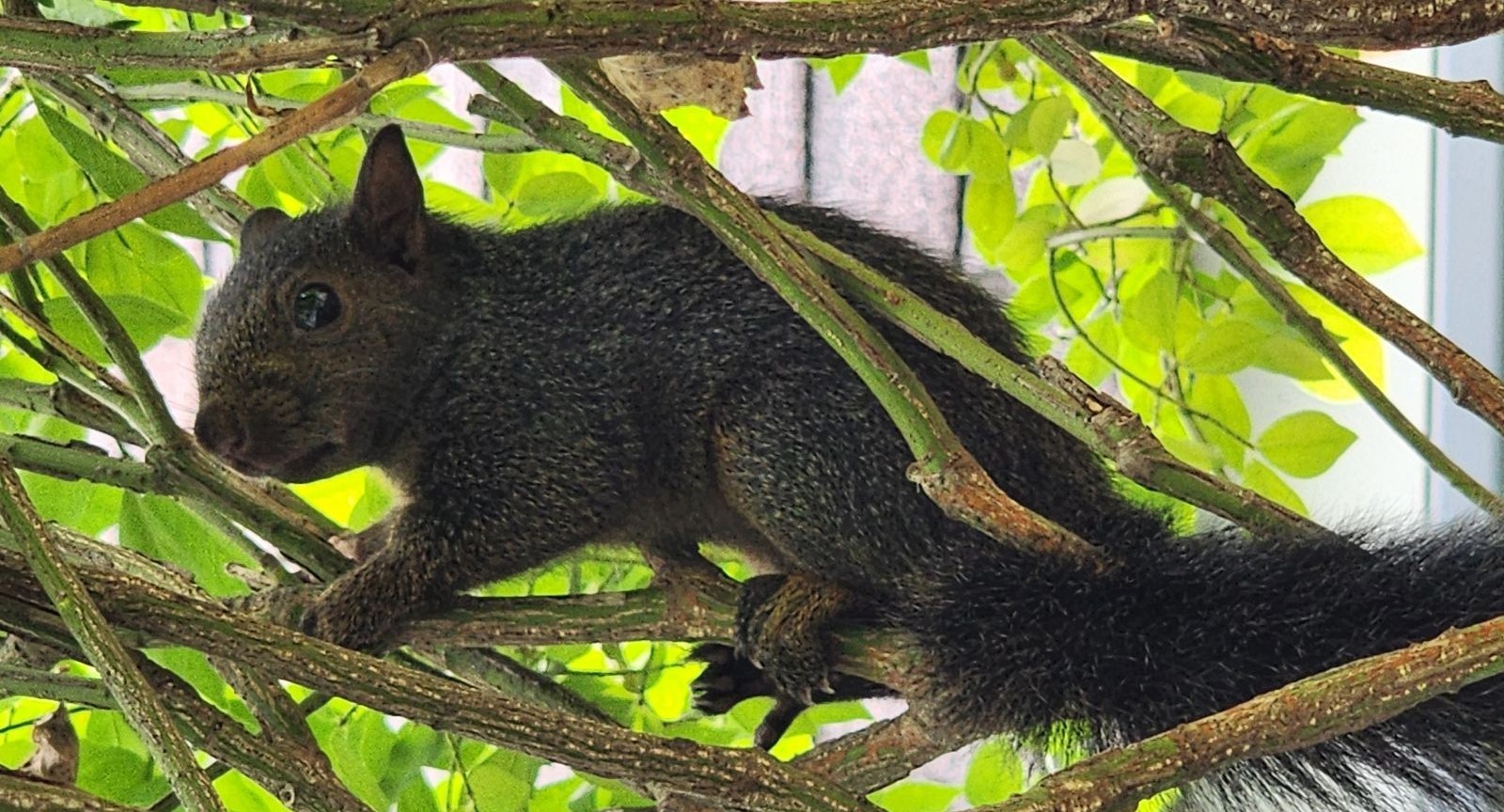

As the first snow falls in Markham, many of us rush to pull out our warm jackets and crank up the heat at home. But have you ever paused and wondered what our outdoor neighbours, especially the squirrels, do to survive the cold?
These busy animals are everywhere, even when the temperature plunges well below freezing. Their energy and resilience spark one big question: what are their secrets for squirrel winter survival? The answer is more fascinating than you might think.
Resourceful Nest Builders
A big part of squirrel winter survival comes down to their homes. Squirrels aren’t just great climbers—they’re also skilled builders.
Their winter nests, called dreys, are anything but simple. Up in the trees, squirrels construct a strong framework of twigs, weaving them tightly together. But the magic is in the layers. The inside is lined with insulating materials to trap warmth, such as:
- Moss and dry grass
- Shredded bark and leaves
- Soft items like fur or feathers
- Bits of paper or fabric they find
This multi-layered design is highly effective. The thick lining keeps the interior much warmer than outside air, with some studies showing a well-made drey can be up to 10°C warmer than the outside temperature. Many squirrels also use natural tree hollows, called dens, for even more reliable protection.
Nature’s Winter Coat
Squirrels are ready for winter long before the snow arrives. Their fur gets significantly thicker in the fall, preparing them for what’s to come.
This dense fur traps in body heat, just like a high-quality parka for us. A single squirrel can have as many as 20,000 hairs per square centimetre on its back by winter, a big increase from summer. That’s a lot of insulation in a tiny package!
Let’s not forget the famous fluffy tail. This tail is more than decorative:
- Squirrels wrap their tails around their bodies when resting to act as a built-in blanket
- The tail also covers their head and paws to stop heat from escaping
In addition to fur, squirrels eat more in the fall to build up a layer of body fat. This fat is like emergency fuel, helping them generate heat when food is scarce.
Clever Ways to Save Energy
When it comes to squirrel winter survival, being smart is just as important as being strong.
Unlike some animals, squirrels do not fully hibernate. Their squirrel hibernation habits are unique. Instead of disappearing for months, they slow down their activity. On the coldest days, squirrels will spend more time curled up inside their nest, sometimes staying indoors for several days straight.
Another clever behaviour is huddling. On bitter nights, several squirrels may share the same drey. By snuggling close together, they save energy and boost the temperature inside their nest.
Some of the ways squirrels save energy include:
- Staying in during severe cold or storms
- Reducing movement and play on the chilliest days
- Only emerging for food when necessary
When the sun breaks through, you might spot a squirrel basking on a sunny fence post or branch. Sunning helps them pick up extra warmth without burning precious calories.
Food: The Fuel For Warmth
Squirrels know that to keep warm, they need to keep eating. This is why late summer and fall are incredibly busy times. Food caching is a hallmark of squirrel winter survival.
Here’s how they do it:
- Squirrels collect thousands of nuts, acorns, and seeds before winter
- They spread this food out, hiding it in many spots—a method called scatter-hoarding
- Thanks to a strong memory, they recover about 80% of their buried food, even under snow
Did you know? Squirrels can bury up to 3,000 nuts per season! Their sharp sense of smell also helps them find these snacks, even after a heavy snowfall.
When their stores run low, squirrels will forage for what they can find locally, including:
- Tree buds or bark
- Fungi growing on trees
- Leftover seeds under bird feeders
These food sources supply the energy necessary for warmth and survival through long, cold nights.
How Squirrels Stay Warm in Our Neighbourhoods
You might notice that squirrels are just as common in our backyards as in parks or forests. In cities like Markham, they’ve adapted to living close to people.
From a squirrel’s perspective, a cozy attic or shed can seem a lot like a tree hollow. These spaces are warm, dry, and safe from wind and snow.
However, this smart strategy by squirrels can lead to concerns for homeowners. The best approach is to be proactive:
- Seal up small gaps along the roofline or walls with sturdy materials
- Check vents, soffits, and the foundation for potential entry points
- Repair or close any spaces before winter arrives
Focusing on prevention helps keep both your home secure and encourages squirrels to search for natural nesting spots instead.
The Curious World of Squirrel Hibernation Habits
You may wonder, do squirrels hibernate? The truth is, their winter activities are a little different. While some wildlife, like groundhogs, enter deep hibernation, most squirrels remain active all season.
Their unique squirrel hibernation habits involve long rest periods, lowered activity, and energy-saving strategies instead of true hibernation. It’s a smart approach that lets them respond quickly to changes in weather or food availability.
Experts estimate that eastern grey squirrels, which are the most common in Markham and much of southern Canada, spend about 65% of their winter time inside their nests or dens. Yet, they still need to stay alert and gather food whenever possible.
Coexisting With Squirrels in Winter
Squirrels are not just resourceful; they’re an important part of Markham’s natural landscape. Appreciating their amazing squirrel winter survival strategies helps us understand and live peacefully alongside them.
Here’s what you can do:
- Watch for squirrels in your yard—notice how their activities change through the season
- Enjoy observing their playful leaps and clever problem-solving
- If you see a squirrel making a den in your home, avoid handling it yourself—call a humane wildlife professional for help
Learning how squirrels stay warm is a great way to connect with local wildlife and appreciate the balance of nature in your own backyard.
Cold Weather Champions
Squirrels are true survivors. Through creativity, physical adaptation, and carefully planned routines, they not only weather Canadian winters—they thrive.
Let’s recap what makes squirrel winter survival so impressive:
- Warm, insulated nests (“dreys”) and sometimes tree hollows
- Thick, fluffy coats and clever use of their tails
- Social huddling and smart sunning habits
- Food-caching genius and quick foraging skills
- Flexibility in living close to people while remaining part of nature
Understanding how squirrels stay warm is not just interesting—it’s a reminder of how amazing our local wildlife is.
If you notice a squirrel taking shelter in your home, reaching out to the professionals at Skedaddle Humane Wildlife Control is always the best step. We’re here to help you keep your home secure, while respecting the well-being of wildlife in Markham.
Winter is a challenge, but with their tried-and-true strategies and a little understanding from us, squirrels will continue to leap, play, and thrive during even the coldest months.

 Loading...