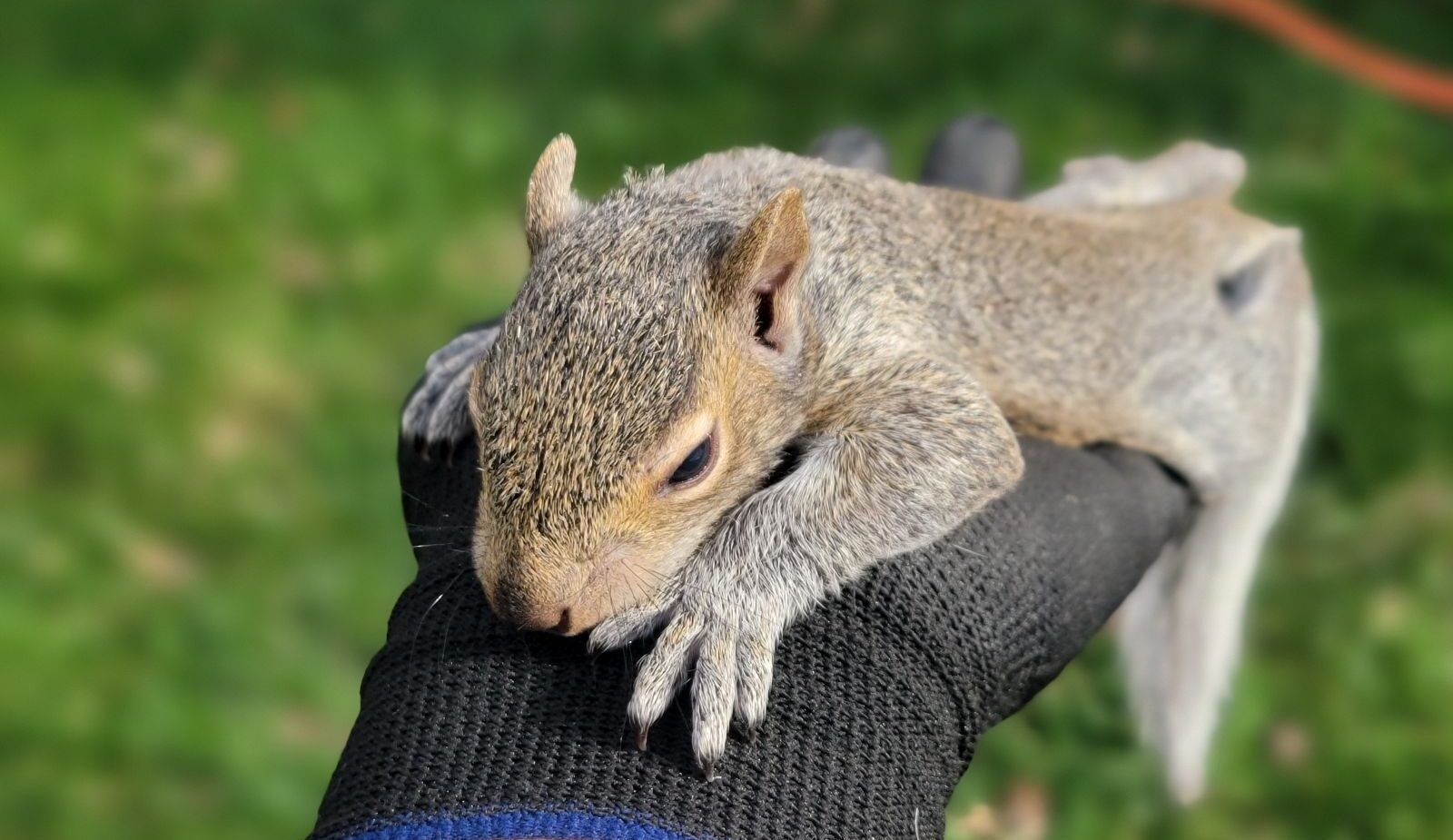
You’ve seen them on the fence. On the roof. Running along the hydro line right above your front door. Squirrels are a normal part of life in Wisconsin, but when they start getting too close to your home on a daily basis, it’s not just a backyard nuisance anymore. It’s a warning sign that your home is being tested for a way in.
Squirrels get into attics, walls, and soffits by finding weak spots on the exterior of your home and chewing or pushing their way through. Overhanging branches, roof vents with plastic covers, worn soffits, and gaps along the roofline are all common entry points. Once they’re inside, they nest, they raise their young, and they cause damage that gets worse every week they’re left undisturbed.
At Skedaddle Humane Wildlife Control in Milwaukee, we deter squirrels from homes by inspecting the full property, removing any that are already inside, and sealing every entry point permanently with materials they can’t chew through. In this blog, we explain exactly how squirrels get into homes, what we do to get them out and keep them out, and how we address the conditions around your home that are making it a target in the first place.
How Do Squirrels Get Into an Attic?
Squirrels get into attics by finding small gaps and weak spots on the exterior of your home and chewing or pushing their way through. The most common entry points are roof vents with plastic or aluminum covers, gaps along the soffit and roofline, worn fascia boards, and spots where two roof slopes meet and leave a small construction gap. They don’t need a large opening. A hole the size of a golf ball is enough to squeeze through.
What makes Wisconsin homes especially vulnerable is the combination of mature trees and the freeze-thaw cycles that come with the state’s cold winters and warm summers. Overhanging branches give them a direct jumping path onto the roof, and the seasonal temperature swings cause materials along the roofline to shift, crack, and gap over time. By the time spring arrives, the roofline of many homes has new weak spots that didn’t exist the previous fall.
Their front teeth never stop growing, which means they chew constantly to keep them worn down. Any gap, soft wood, or plastic vent cover along your roofline is a starting point they’ll widen over days or weeks until it’s large enough to get through. This is why acting early before they make it inside makes such a big difference in how much damage there is to deal with.
Assessment and Removal: Where Our Process Starts
When our team arrives at your home, the first thing we do is a full inspection of the exterior. We check the roofline, every vent, the soffit edges, the fascia, and every tree and structure nearby that’s giving them a path to the roof. Our inspection covers up to 50 points on the exterior of your home to make sure nothing gets missed. Not just the obvious spots, but every weak point that could become an entry point if it isn’t addressed now.
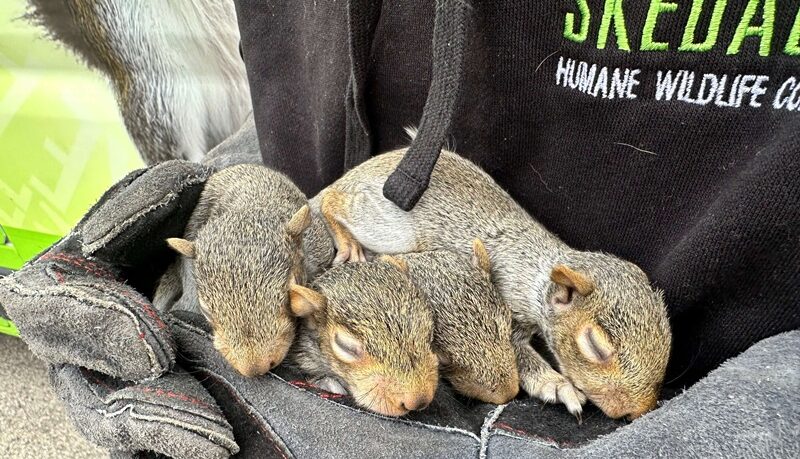
If squirrels are already inside when we arrive, our team handles the removal using one-way door systems installed at the active entry points. These allow them to leave the structure on their own but stop them from getting back in. If a mother and her young are present, which is common during Wisconsin’s spring and late summer breeding seasons, our team handles the situation carefully, placing any young that can’t yet move on their own in a heated box outside the entry point so the mother can relocate them safely.
You should never attempt to block an entry point yourself when squirrels may be inside. Trapping them in the wall or attic creates a more urgent and more expensive problem to fix. Our team manages the full removal sequence from start to finish so you don’t have to make any of those decisions on your own.
Clear and Clean: What Comes After Removal
Getting the squirrels out is only part of the job. The space they occupied needs to be properly cleaned before anything gets sealed. Nesting material, droppings, and chewed insulation left behind in the attic create health risks, strong odors, and conditions that pull other creatures to the same spot. Homeowners should never go near any of this without proper protective equipment, our team handles all of it. Here’s what our cleanup process covers:
- Removing All Nesting Material and Debris: Our team clears everything out of the den site – nesting material, debris, and any waste left behind during the time they were inside. This isn’t a quick sweep. It’s a full clear-out of everything that accumulated while the space was being used. Leaving any nesting material behind creates an ongoing odor problem and keeps the space attractive to the next creature that comes along.
- Vacuuming and Deodorizing the Affected Area: Once the material is removed, our team vacuums out the full affected area and treats it with professional-grade deodorizers. The scent left behind by an active nest is a strong signal to other squirrels in the neighborhood that your attic is a safe, established den site. Neutralizing that scent is what removes that signal and makes your attic significantly less appealing going forward.
- Assessing and Flagging Insulation Damage: Insulation that has been packed down, shredded, or contaminated with waste no longer does its job properly. Leaving it in place creates both a health risk and an energy efficiency problem that gets worse over time. Our team checks the full condition of the insulation during the cleanup phase and flags every area of damage so you have a clear picture of what needs to be addressed before the attic is sealed.
- Making Sure the Space Is Safe Before Sealing: Our team doesn’t move on to the sealing phase until the attic is fully clear, clean, and deodorized. Sealing a space that still has contaminated material inside traps the odor and the health risks along with it. Everything gets taken care of in the right order so the job is done properly from start to finish.
Prevent and Protect: Sealing Your Home for Good
Once the attic is clear and clean, we move into the sealing phase. Every opening we identified during the inspection – the main entry point and every other gap, crack, and weak spot on the exterior – is closed off with heavy-gauge steel screening, metal flashing, and durable sealants that squirrels cannot chew through. This is not a temporary patch. Our exclusion work is built to hold up against persistent chewing and years of Wisconsin weather. Here’s what our prevention work typically covers:
- Roof Vent Replacement with Steel Covers: Plastic and aluminum vent covers are easy to chew through or pull away from the frame. We replace all compromised covers with heavy-gauge steel versions that can’t be broken from the outside. Every vent on the property is checked during the inspection, not just the ones showing obvious damage.
- Soffit and Roofline Gap Sealing: Gaps along the roofline where the soffit meets the fascia are sealed with materials that hold up through Wisconsin’s freeze-thaw cycles. We pay close attention to dormer intersections, roof valleys, and any spot where two surfaces meet, since these are the areas most likely to have shifted and gapped over time.
- Chimney Cap Installation: An open or damaged chimney cap is a common entry point for squirrels. Our team installs proper caps as part of the exclusion process and checks any existing cap for damage or gaps that could allow access.
- Custom Steel Screening at Vulnerable Areas: Plumbing stacks, gable vents, and any other opening on the exterior that could be used as an entry point are covered with custom-fitted steel mesh that’s secured in place. These covers are built to stay put regardless of how much pressure or chewing is applied from the outside.
Backyard and Exterior Deterrents
Sealing the home is essential, but what’s happening in your yard matters too. A yard that offers easy food, direct rooftop access from overhanging branches, and plenty of sheltered spots to rest is going to keep drawing squirrels to your property no matter how well the home is sealed. Our team looks at the full picture during every inspection and identifies what in the surrounding environment is making your home a consistent target. Here’s what we assess and address:
- Overhanging Branches That Reach the Roofline: Any branch within jumping distance of your roof is a direct access route. Our team identifies every tree and branch near your roofline during the inspection and advises on what trimming would eliminate the most-used routes. Branches that hang within six to eight feet of the roofline are the highest priority.
- Food Sources That Are Drawing Them In: Bird feeders with spilled seed, fallen fruit from trees, unsecured garbage, and pet food left outside all pull squirrels onto your property regularly. The more often they visit your yard, the more often your roofline gets tested. Our team notes every food source identified during the inspection so the full attractant picture is clear.
- Climbing Surfaces Along the Exterior: Downspouts, decorative vines, and trellises give squirrels a built-in ladder up the side of your home to the roofline. Our team checks every climbing surface on the exterior and flags anything that’s providing easy rooftop access alongside the structural weak spots.
Squirrel Removal and Prevention with Skedaddle
When our team is done with the inspection, removal, cleanup, and sealing, your home is protected in a way it wasn’t before we arrived. Every entry point is closed. Every weak spot is reinforced. The attic is clean. And the conditions in your yard that were drawing them in have been assessed and addressed.
Our removal process uses one-way door systems at every active entry point. These let the squirrels leave the attic on their own but stop them from getting back in. Once all activity has cleared and our team has confirmed the attic is empty, we seal every opening permanently. All cleanup of droppings, nesting material, and contaminated insulation is handled entirely by our team. Homeowners should never go near any of this without proper protective equipment. If you hear scratching or thumping in your attic, call us right away and leave the area alone until we arrive.
Big, Painful Squirrel Challenges in Wisconsin
Wisconsin’s mix of mature hardwood forests, established residential neighborhoods, and significant seasonal temperature swings creates strong year-round conditions for squirrel activity. Gray squirrels and fox squirrels are common across the state, and both species are active year-round, which means attic intrusion calls come in during every season, not just fall and winter.
Wisconsin’s cold winters and warm summers create the freeze-thaw conditions that accelerate roofline wear faster than in more temperate climates. Fascia boards soften, vent covers crack, and soffit panels shift, often between one season and the next. By the time a homeowner notices the damage from the ground, a squirrel may already have been using the opening for weeks.
Spring and late summer are the busiest periods for squirrel calls across Wisconsin, with activity peaking during both breeding seasons. Pregnant females actively scout for secure attic spaces during these windows, which is why the volume of calls spikes so reliably at the same times every year. Our team responds to calls across Wisconsin year-round and knows exactly what to look for when we assess a property in any part of the state.
Frequently Asked Questions
How do I know if squirrels are already in my attic?
The most common signs are scratching or scurrying sounds during the day. Squirrels are active in daylight hours, which helps distinguish them from nocturnal creatures like mice or raccoons. You may also notice chew marks or debris along the roofline, damaged vent covers, or a strong odor coming from the attic. If you notice any of these, call our team for an inspection.
Can squirrels come back after they've been removed?
Yes, if the exclusion isn't done properly. Squirrels remember locations where they've successfully nested and will return to the same spot year after year. Their offspring learn the same behavior. This is why our sealing process covers every entry point on the property, not just the main one using materials that hold up long-term against chewing and weather.
Is it safe to stay in my home while squirrels are being removed?
Yes, in most cases. You should avoid the attic and the area directly around any active entry point during the process. Our team will advise you on what to stay away from during the visit. Once the attic is clear and sealed, full normal use of the home can resume.
Do squirrels cause fires?
Yes. They chew through electrical wiring as part of their normal behavior, and stripped or damaged wires are a direct fire hazard. If our team finds chewed wiring during an inspection, we flag it immediately so a licensed electrician can assess it after the removal is complete.
Why do I keep having the same squirrel problem every year?
If the same entry point keeps getting reopened, the exclusion material used previously wasn't durable enough to hold up against persistent chewing. Our team uses heavy-gauge steel that cannot be chewed through and secures it in a way that holds up regardless of how much pressure is applied. If you've had the problem patched before and it keeps coming back, call us for a full reassessment.
Stop Letting Them Test Your Roofline Every Day
Every time a squirrel runs along your roofline, it’s testing the exterior of your home for a way in. The branches hanging over your roof, the plastic vent covers, the worn soffit panels – all of it gets checked on every visit. The longer your home has vulnerable spots, the higher the chance that one of them finds its way through.
Most homeowners don’t realize how much roofline activity is happening until the sounds in the attic make it impossible to ignore. By then, the nest is already established and the damage has already started. The best time to call us is before it gets to that point, but we handle it either way.
At Skedaddle Humane Wildlife Control in Milwaukee, we handle everything from the first inspection to the final seal. Our team finds every entry point, removes any squirrels present using our one-way door system, cleans the affected area, and seals your home permanently with materials built to hold. You don’t need to do a thing except call us. Request an estimate today and let our team make sure your roofline stops being an option.

 Loading...







