You may expect a newly built home to be fully sealed against bats, but even a new roof can contain openings they can use. Small construction gaps may remain around soffits, fascia, flashing, vents, and places where roof sections meet. These openings can be difficult to see from the ground, yet they may lead straight into an attic.
A home does not need to be old or damaged to develop a problem. Complex roof designs have many seams, corners, and connection points where building materials meet. Changes in temperature and normal settling can make these small gaps wider after construction ends.
You should not climb onto the roof or enter the attic to search for an opening. At Skedaddle Humane Wildlife Control in Montreal, we inspect these areas and determine whether bats are living inside. In this blog, we explain how they enter new homes, what signs you may notice, and why removal must follow the right seasonal timing.
How Long Can a Bat Live Inside My House?
A bat may live in an attic or wall space for years when it can leave to feed and return through the same opening. The house provides shelter, but it does not keep the bat trapped indoors. A colony may return to the same roost across several seasons if the entry point remains open.
One trapped inside a finished room faces a different situation. Without a safe exit or access to food and water, it may not survive for long. However, you should never try to catch or handle it.
A quiet attic does not always mean the problem has ended. The bats may be outside feeding, resting in a hidden space, or inactive because of the season. A professional inspection is needed to confirm what is present.
Why New Construction Does Not Guarantee a Sealed Home
New construction must keep out rain, wind, and snow, but that does not always make it bat-proof. These animals can use narrow spaces that may not look like serious building defects.
- Small Construction Tolerances: Different parts of a house do not always meet in one perfect line. A small space may remain where trim, siding, brick, or roofing connects. That gap can be large enough for a bat even when the home looks finished.
- Complex Modern Rooflines: New homes often have several peaks, dormers, gables, and roof extensions. Every added feature creates more seams and corners. The greater the number of connections, the greater the chance that one may contain an opening.
- Materials That Move: Wood, metal, brick, and siding respond differently to heat and cold. They may expand, shrink, or pull slightly apart as Montreal’s seasons change. A tight seam during construction can become a usable opening later.
- Normal Building Settlement: New houses may shift slightly as the ground and building materials settle. This movement does not always mean the home has a serious structural problem. However, it can create narrow gaps along the roofline or between different materials.
Entry Points Around Soffits and Fascia
Soffits cover the underside of the roof edge, while fascia runs along its outer face. These long sections contain many corners and joints that can provide hidden access.
- Loose Soffit Panels: A panel may lift or sit unevenly where it meets the wall or fascia. The opening may be almost invisible from below. Once a bat moves behind the panel, it may be able to reach the attic.
- Corners and Roof Returns: Soffits change direction around corners, dormers, and roof extensions. These detailed areas can be harder to fit and seal than a straight section. A small gap at one connection may provide a protected entrance.
- Spaces Behind Fascia: Openings can form between the fascia board and the edge of the roof decking. Gutters may hide the space from view and make it difficult to inspect from the ground. Bats can reach these high areas by flying directly to them.
- Gaps Hidden by Gutters: Gutters may cover loose trim, damaged edges, or unfinished sections of fascia. Water may still drain normally, so you may not notice a problem. Our technicians inspect behind and around these features without asking you to climb onto the roof.
Openings Around Flashing, Vents, and Roof Features
A roof needs vents, flashing, exhaust outlets, and other features to work properly. Each part must pass through or connect with the building surface, which can create another possible entrance.
- Loose or Uneven Flashing: Flashing protects the seams around chimneys, walls, valleys, and roof edges from water. A narrow space may remain beneath the metal even when it appears flat. Bats can follow that covered space into the roof structure.
- Roof Vents: A vent may have loose screening, an open edge, or a gap around its base. Warm air leaving the attic can make this area easier for them to find. Once inside the vent opening, they may reach the attic or nearby roof cavity.
- Plumbing and Exhaust Vents: Builders must cut openings for plumbing stacks and exhaust systems. A cover may block the main opening without fully sealing every edge. The small spaces around these features can provide sheltered access.
- Chimney Connections: The area where a chimney meets the roof contains flashing, corners, and changing materials. A chimney cap or screen may also have a loose or unfinished edge. These high openings require a close professional inspection.
Roof Intersections Create Hidden Pathways
Many new homes combine upper roofs, lower roofs, garages, and decorative sections. The places where those sections meet can be more vulnerable than a simple roof surface.
- Roof Valleys: A valley forms where two sloped roof sections meet. Shingles and flashing protect it from water, but covered gaps may remain beneath the surface. These areas offer shelter from wind and rain while a bat tests for access.
- Garage Connections: An attached garage roof often meets an exterior wall of the main house. That connection may contain flashing, siding, soffits, and trim within a small area. An opening there may lead into the garage ceiling or a wall cavity.
- Different Roof Heights: Upper and lower roof sections create vertical walls, corners, and small ledges. These features can hide openings that are not visible from the yard. They may also give bats a protected place to land before entering.
- Siding-to-Roof Seams: Brick, siding, metal, wood, and roofing can all meet along one roof section. Since these materials expand and contract at different rates, gaps may form between them. Our professional exclusion must protect the opening without blocking needed drainage or airflow.
Signs of Activity in a Newer Home
You may hear light scratching, rustling, or movement from the attic around sunset or before sunrise. These sounds can be faint because bats are small and may rest behind insulation or inside narrow roof spaces. Noise alone cannot confirm how many are present or where they entered.
You may also notice repeated flights near one vent, soffit corner, chimney, or roof peak at dusk. Dark staining around a narrow opening can form when they use the same route many times. Our professionals may also find droppings, odours, or disturbed insulation inside the attic.
You should never touch, sweep, or vacuum droppings. Disturbing dry material can release contaminated dust into the air. Our trained team can assess and clean the affected space when needed.
Why the Time of Day Matters
Bat activity usually becomes easier to see around dusk. They may leave the roost to feed after sunset and return before daylight. Watching from a safe place on the ground may help you notice repeated flights near one roof area.
A single bat flying over your yard does not prove that it lives inside your house. However, several bats leaving the same opening can point to a roost. Repeated activity on different evenings makes a professional assessment more important.
Indoor sounds may also follow this daily pattern. You could hear more movement as they prepare to leave or return to the attic. Our technicians compare these patterns with exterior and interior evidence before reaching a conclusion.
Why Seasonal Timing Affects Bat Exclusion
Bat exclusion must account for the season and the stage of the colony’s life cycle. During the maternity period, mothers may leave the roost to feed while flightless young remain behind. Installing a one-way door at the wrong time could separate them.
Winter creates another concern. Bats may become inactive inside a protected attic or wall space when outdoor temperatures drop. A one-way device cannot work properly when they are not leaving the roost.
Our team checks for active adults, dependent young, and signs of seasonal use before starting exclusion. We also consider weather conditions and the rules that apply to bat protection in the area. This allows us to choose a humane time for the work.
You should not seal a suspected opening as soon as you find it. Doing so could trap bats inside the roof, attic, or walls. Our professionals must confirm that the roost can be safely emptied before lasting repairs begin.
Bat Removal and Prevention with Skedaddle
When bats enter a newly built home, our professional wildlife team begins with a full inspection. We examine the soffits, fascia, flashing, vents, chimney, dormers, roof intersections, and attic. Our technicians locate active entrances and check for evidence of dependent young. You do not need to climb onto the roof or enter a contaminated area.
We then create a humane exclusion plan based on the season and activity inside the home. When conditions allow, our one-way doors let bats leave but prevent them from getting back inside. We confirm that the roost is empty before securing the entrance. Skedaddle does not use live trapping or relocation.
A roost may leave behind droppings, urine, odours, and damaged insulation. Our team can remove contaminated material, clean the affected area, and protect overlooked construction gaps. We use durable exclusion methods that work with the home’s ventilation and drainage systems. This helps prevent the same entrance from being used again.
Frequently Asked Questions
How small of a gap can a bat use?
Bats can enter through very narrow gaps that may not look large enough to cause concern. Their small bodies can fit into spaces around roof edges, vents, flashing, soffits, and exterior trim. Some openings are hidden behind gutters or where two building materials meet. A professional inspection checks the full roofline instead of looking only for large or obvious holes.
Does one bat mean there is a colony?
One bat does not always mean that a colony is living inside your home. It may have entered by accident through an open door or window. However, repeated sightings, attic sounds, droppings, stains, or several bats flying near one roof opening can point to a hidden roost. Skedaddle can inspect the structure and determine whether the activity involves one visitor or a larger group.
Can bats damage a newly built home?
Bats do not usually chew through building materials to create an entrance. Instead, they use small gaps that were left during construction or formed as the house settled. Once inside, droppings, urine, odours, and contaminated insulation can affect the attic over time. Our team can identify the entrance, assess the affected space, and determine what cleanup or repairs are needed.
Why do bats choose attics?
Attics are high, dark, quiet, and protected from wind, rain, and other harsh weather. They can also hold steady warmth, which makes them useful during the maternity season. An attic may remain undisturbed for long periods, giving these animals a secure place to rest. Even a newly built attic can become a seasonal roost when a small exterior opening provides access.
Can an entry point be sealed right away?
No, a suspected entrance should not be closed until a professional confirms that exclusion can happen safely. Adults, dormant bats, or flightless young may still be hidden inside the attic or walls. Sealing the gap too soon can trap them in the structure or force them into your living space. Our team checks the season, activity level, and presence of young before completing removal and prevention work.
Should homeowners clean bat droppings?
No, homeowners should not touch, sweep, or vacuum bat droppings. Dry material may release contaminated dust into the air when it is disturbed. Droppings may also be hidden in insulation or other areas that are difficult to reach safely. Our trained professionals have the protective equipment and methods needed to remove the material, sanitize the space, and assess any damage.
Protect Your New Home From Hidden Roof Gaps
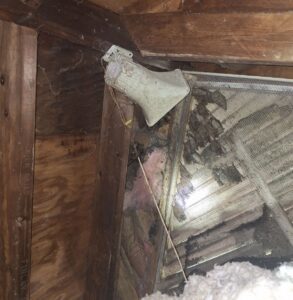 A newly built home can still develop bat activity. Small openings around soffits, fascia, flashing, vents, chimneys, dormers, and roof intersections may provide access to the attic. New materials can also shift as the building settles and Montreal’s temperatures change.
You should not climb onto the roof, enter a tight attic, seal an active opening, or clean droppings yourself. The correct removal plan depends on where the bats entered, whether young are present, and whether the season allows safe exclusion. Professional timing protects both your household and the colony.
At Skedaddle Humane Wildlife Control in Montreal, we can inspect your home, identify hidden construction gaps, complete humane removal, and secure the structure. Our team can also clean affected areas when contamination is present.
Contact us to schedule a professional assessment. You can request an estimate to learn more about bat removal and long-term prevention for your Montreal home.

 Loading...