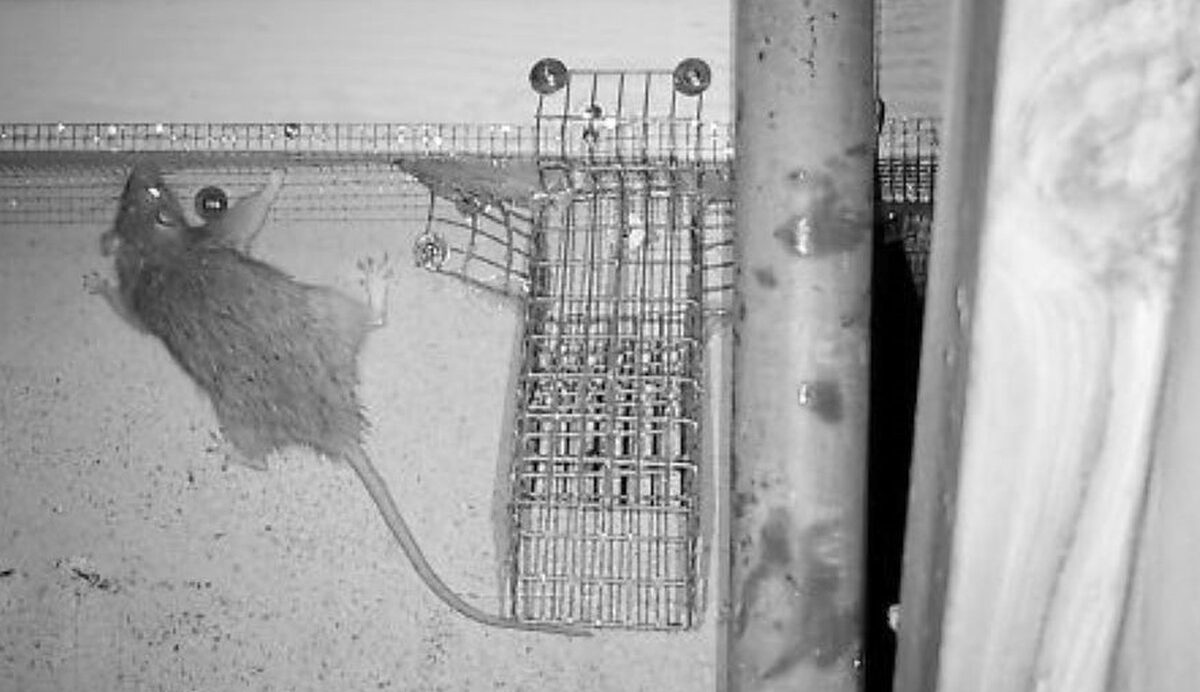
You may have wildlife entering your laneway garage through worn door seals, damaged frames, roof-edge gaps, vents, or openings near the base. A door left open can also provide access without any damage to the building. Once inside, these animals may hide behind stored items or move into a wall or ceiling space. The main door can look closed and secure while another route remains available.
You might first hear scratching behind boxes or notice movement near a garage corner after dark. Those clues deserve attention, but they do not show where the entrance is. A shared fence may bring activity close to the building, while clutter and stored garbage can encourage longer visits. None of those conditions proves that the garage is being used for shelter.
At Skedaddle Humane Wildlife Control in Montreal, we inspect the structure and the signs around it before choosing a plan. Our team checks the entrance, occupied spaces, and whether young are present. You do not need to move storage, touch waste, or seal a suspected opening. Here is where access may occur and how professional inspection helps find the full route.
How Do Animals Get Into a Detached Garage?
Animals can enter a detached garage through gaps beneath doors, damaged walls, roof edges, vents, or open doorways. Because entry routes lead to different parts of the building, activity noticed inside may be far from the actual opening. Our team inspects hidden areas, checks for multiple entry points, and examines the full layout to plan safe, effective wildlife removal and protection.
Door Gaps That Can Allow Entry
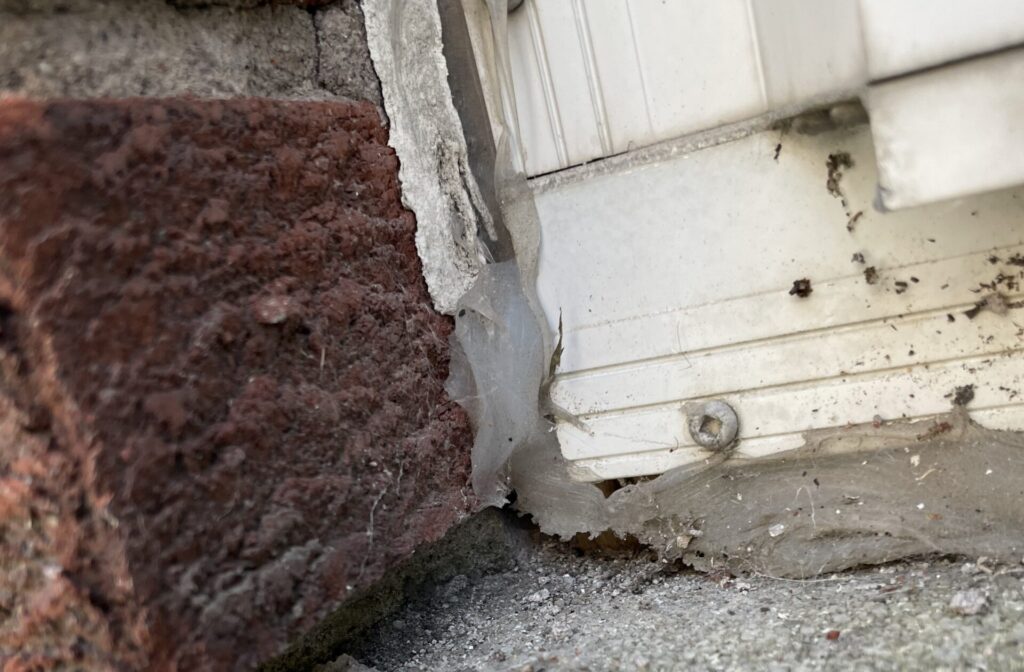
A closed garage door may still leave space around its edges. Wear can affect the main door, side doors, and the frames that hold them. Our team checks whether these areas provide access and whether there are signs of use.
- Worn Bottom Seals and Corners: The seal beneath a garage door can flatten, tear, or pull away over time. Gaps may remain near the corners even when the middle of the door sits close to the floor. The size and shape of those gaps matter, depending on the species involved. We inspect the route and nearby signs before deciding what protection is suitable.
- Damaged Frames and Door Panels: Rotted wood, chewed edges, and loose or warped sections can create weak spots around a door. Repeated use may widen an opening that was already there. Damage does not always come from wildlife, so its cause needs checking. Our team assesses entry concerns and explains when a qualified door professional should handle larger repairs.
- Side Doors and Open Doorways: Smaller doors may have gaps around their frames or beneath their lower edges. An open main door can also allow entry while the garage is being used. An occupant may remain hidden after the door closes, without leaving a damaged entrance behind. We check where it has gone before choosing a removal method or securing other routes.
Roof Edges, Vents, and Wall Openings
The main garage door may be sound while another part of the building remains vulnerable. Access can happen near the roof, through a wall, or along the lower edge of the structure. A complete inspection considers both high and low routes.
- Weathered Fascia and Soffits: Fascia boards and soffit panels sit along the roof edge, where loose sections or damaged wood may leave gaps. Water damage can weaken some materials and make an existing opening easier to use. The route may lead into a roof or ceiling space rather than the main garage. Our team handles these checks without asking you to climb or approach the roof.
- Damaged or Unprotected Vents: A broken cover or exposed vent opening may provide access into part of the structure. The type of vent affects which protection is appropriate. Materials must preserve airflow and fit the system instead of simply blocking the opening. We check for occupants and debris before recommending suitable protection or further repairs.
- Wall Joins and Utility Openings: Gaps may occur where siding meets another material or where cables and pipes pass through the wall. A narrow opening can be difficult to notice beside storage or a nearby fence. Some gaps stop at solid material, while others lead into the building. Our team checks the path beyond them and looks for signs that match current activity.
- Openings Along the Base: Damaged lower wall sections or gaps near the slab can offer another possible route. Evidence of movement beneath the structure needs attention too, though shelter underneath is different from entry into the garage. The occupied area must be confirmed before work begins. We assess the location and building condition so any protection addresses the correct space.
How Shared Fences Bring Activity Close to the Garage
Shared fences can form part of an outdoor travel route through a laneway property. Some species move along the top or base of a fence and pass close to the garage. Where the fence meets the building, the route may bring them near a wall or roof opening. That connection helps guide our inspection.
A fence does not create an entrance simply because it touches the garage. The actual gap in the building still needs to be found. You may see regular movement along the fence with no evidence of indoor use. Our team separates that outdoor activity from signs of an occupied garage.
The space between a fence and wall can also hide damage from normal viewing areas. Leaves, stored items, or a tight layout may make the lower wall difficult to see. We assess these areas as part of the inspection. If access from a neighbouring property is needed, we explain the arrangements required before work proceeds.
Why Clutter and Stored Garbage Can Encourage Longer Visits
Clutter does not make the first hole in a garage, but it can provide cover after entry. Boxes, seasonal gear, and stacks of stored material may leave quiet spaces that receive little attention. Some items may also be used as nesting material. A visitor can be hard to spot even in a garage used every day.
Accessible food waste inside or beside the garage may encourage repeat visits. Food residue and damaged waste containers can make the area worth checking again. That does not mean every visitor will damage the building or settle inside. Feeding and shelter use are separate concerns that need their own evidence.
Our team considers both the available food and the spaces that may offer shelter. We explain which conditions need attention and assess any contaminated materials within our work. Ordinary junk removal, storage changes, or bin repairs may require a separate maintenance service. You should not move items around a suspected nest to begin clearing the area yourself.
Signs That the Garage Is Being Used for Shelter
A sighting in the laneway does not prove anything is living inside the garage. Repeated indoor signs or regular use of an opening provide stronger clues. Share what you notice during normal use, and leave hidden spaces and affected materials alone.
- Scratching or Movement Inside: Sounds behind stored items, within walls, or above the ceiling may suggest indoor activity. The source can be hard to judge because framing carries noise through the building. The loudest point may not sit beside the nest or entrance. Our team compares the sound pattern with the structure and other signs found during inspection.
- Repeated Use of One Opening: Regular entry and exit beneath a door or near the roof edge gives us useful evidence. The opening may lead to a resting area, nest, or another route through the garage. Adults can leave while young remain hidden inside. Even when the gap seems quiet, our team must check the occupied space before closing it.
- Droppings or Nesting Material: Waste or gathered material noticed without moving storage can point to use of the garage. These signs may remain after earlier activity, so they do not confirm current occupancy on their own. We compare them with movement, damage, and the condition of nearby openings. Do not touch, sweep, or remove the material before professional assessment.
- Chewed Materials or Unusual Odours: Damaged packaging, marks along building edges, or a lasting smell can add to the concern. These clues do not identify the species or show the full affected area. An odour may come from hidden waste, nesting material, or another garage issue. Our inspection checks the source so cleanup and repair recommendations fit the findings.
Why Montreal Laneway Garages Need a Full Inspection
Older Montreal neighbourhoods can have rear laneways, close-set properties, mature trees, and garages built in different ways. Some structures have open rafters, while others include enclosed ceiling or wall spaces. Those differences affect where activity can remain hidden. Our team checks the actual layout rather than assuming all detached garages are alike.
Weather exposure and past repairs may also change the building over time. A roof repair can leave one area sound while a worn door seal remains vulnerable below. Different wall materials and additions may create joins that need attention. Building age alone does not tell us whether wildlife has entered.
Food activity near the laneway may be separate from shelter inside the garage. A visitor can approach stored garbage and leave without using any indoor space. We compare the outside signs with what is found in the structure. That helps us decide whether the concern needs removal, prevention, cleanup, or another type of building repair.
Let Skedaddle Find the Entrance and Protect the Garage
Our work begins with checking door edges, walls, roof areas, vents, and the spaces showing signs of use. We identify the species, entry routes, occupied areas, and any dependent young. Those findings guide the humane removal plan. The method must fit both the occupants and the structure.
Where suitable, our one-way doors allow wildlife to leave but prevent re-entry. We account for young or other occupants unable to reach the exit on their own. Some cases may also have timing requirements that affect the work. We confirm the removal needs before completing the final closure.
Our Skedaddle Humane Wildlife Control team in Montreal also assesses cleanup and prevention needs. After removal is confirmed, we address affected materials and secure suitable entry points with durable protection. Major roof or door repairs may need the relevant trade. We explain those needs so the plan covers the full concern rather than only the first opening noticed.
Frequently Asked Questions
Does a closed garage door mean wildlife cannot get inside?
No, gaps around the door or openings elsewhere may still allow access. A worn corner seal can leave space even when the door appears fully closed. Roof edges, walls, and service openings may provide separate routes. Our team checks the entire structure instead of relying on the main door alone.
Does movement on the fence prove the garage is occupied?
No, the fence may simply be part of an outdoor travel route. Regular movement nearby does not show whether anything enters the building. Use of a garage opening and signs inside provide stronger evidence. We compare both before deciding whether removal is needed.
Can an unheated garage still provide shelter?
Yes, a garage can offer cover from wind, rain, and disturbance without being heated. Stored materials or hidden building spaces may also provide places to rest or nest. Those conditions make the structure worth checking, but they do not confirm occupancy. Our inspection looks for evidence of actual use.
Will removing stored garbage make an indoor occupant leave?
Not necessarily, because food access and shelter needs are different. An occupied garage may continue to provide cover after a nearby food source is gone. Young may also remain inside and be unable to leave independently. Our team assesses removal needs separately from the conditions attracting visits.
Should a damaged opening be sealed immediately?
No, an adult or dependent young may remain beyond the opening. Closing it too soon could trap an occupant or stop an adult from returning to its young. A quiet entrance does not prove the sheltered space is empty. Inspection and removal planning must come before the route is secured.
Close the Entry Routes Before the Garage Becomes Regular Shelter
You may have access beneath a worn door, along a damaged roof edge, through a vent, or near the base of the garage. Shared fences can bring outdoor activity close to those openings. Clutter and accessible garbage may encourage longer visits or provide shelter after entry. Each condition plays a different part, so the actual entrance still needs to be found.
An outdoor sighting does not prove the garage is occupied, but repeated indoor sounds, waste, damage, or use of one opening deserve inspection. Do not disturb storage around a suspected nest, touch droppings, or climb to check the roof. Leave suspected routes unsealed until the occupied space has been assessed. Adults or young may remain inside even when activity seems quiet.
At Skedaddle Humane Wildlife Control in Montreal, we find the routes and plan humane removal around the occupants. Our team addresses affected materials and protects suitable openings after the space is clear. We explain any further repairs or maintenance needed. Contact us to schedule a professional assessment or request an estimate to learn more.

 Loading...