
You can have mice moving through your home all winter because they do not hibernate, and indoor spaces can offer food, shelter, and protection from the cold. Snow outside does not stop them from feeding behind cabinets or resting inside walls. Once they have access to these spaces, they can keep meeting their daily needs without spending much time outdoors.
You may first notice a chewed cereal box, small droppings beneath the sink, or scratching after the house grows quiet. These signs can appear even when the kitchen looks clean and no activity is visible during the day. The room where you notice the problem may be far from the place where they are nesting.
At Skedaddle Humane Wildlife Control in Windsor, we inspect the property to find out where they entered and which spaces they are using. You should leave waste and nesting material untouched and avoid blocking a suspected opening. We explain what supports winter activity, which signs deserve attention, and how our team handles removal and prevention.
Do Mice Stay Active in the Winter?
Yes, mice stay active during winter because they do not hibernate. Even when outdoor temperatures drop below freezing, they continuously search for food, water, and shelter. Inside your home, wall cavities, attics, and basements provide ideal conditions for nesting, allowing them to thrive and remain active all season long without needing to venture back outside into the cold weather.
Sheltered Spaces Make Winter Easier to Get Through
A home offers several forms of shelter that can support activity through winter. Some spaces provide warmth, while others mainly offer cover from harsh weather. We assess where they are resting and how those areas connect with the rest of the building.
- Protection From Wind and Snow: An enclosed space can make a cold day easier to get through. Walls, roofing, and floors provide cover from wind and wet weather. Even an unheated area may offer better shelter than an exposed outdoor spot. This helps explain why activity can continue in garages and attic spaces.
- Places to Build a Nest: Paper, fabric, and insulation may be gathered into a small nest. These materials can provide a sheltered resting place within a larger, cooler space. You may notice shredded items without being able to see where the material was taken. Our team checks for nests without asking you to disturb stored items or insulation.
- Travel Routes Under Cover: Gaps within a building can connect resting places with food sources. They may move behind cabinets, through wall spaces, or along framing. These routes can let them travel without crossing an open room. We trace those connections to learn which parts of the home are being used.
A Few Food Sources Can Keep Them Coming Back
Small amounts of food can support repeated feeding, so a large spill is not needed for activity to continue. Food may also be available in several places rather than one obvious spot. A tidy kitchen does not rule out access behind fixtures or inside stored packages.
- Food Behind Kitchen Fixtures: Small scraps can collect beneath cabinets or behind appliances during normal household use. These spaces may be hidden from view and close to a wall opening. You might hear rustling nearby before seeing any damage. We assess the surrounding routes without asking you to move heavy appliances.
- Pantry Packages Within Reach: Cardboard boxes and other chewable packages may provide access to dry food. A small hole in a bag or box can be the first clue that something has been feeding there. Damaged packaging does not show where the nest is located. Leave affected items and nearby waste untouched while our team assesses the area.
- Food Stored Elsewhere: Bagged food, stored seed, and food waste may be available outside the kitchen. A basement, garage, or utility room can provide feeding opportunities close to shelter. They may rest in one space and eat in another. Our inspection considers these areas even when the first sign appeared upstairs.
Hidden Nests Allow the Problem to Continue
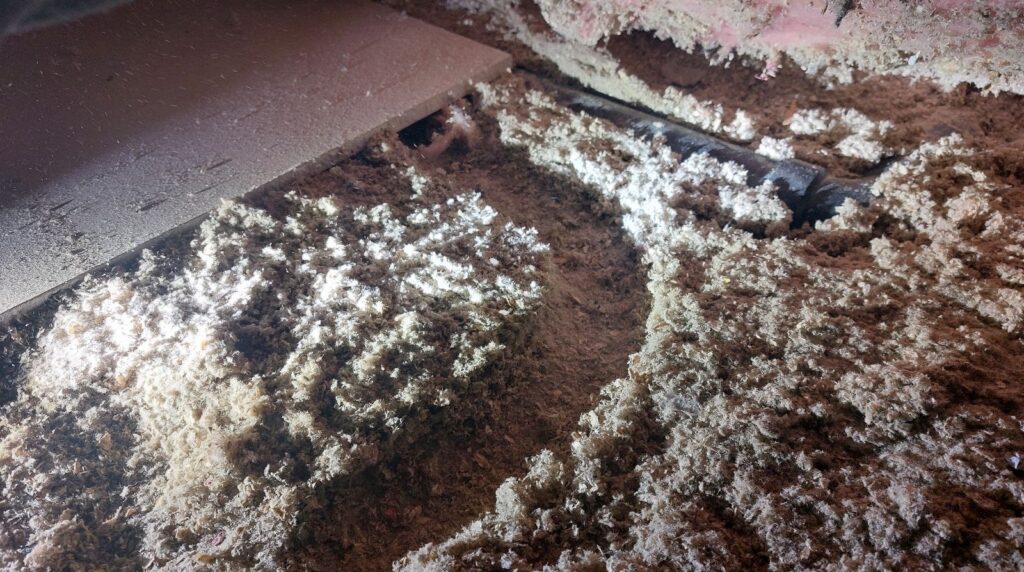
Quiet spaces can allow mice to rest for long periods without being seen. A narrow gap behind a cabinet or a sheltered space among stored items may provide cover. They do not need a large, open area to establish a nest.
Feeding and nesting can happen in different parts of your home. Scratching near the kitchen may come from movement along a route rather than a nest directly behind the wall. Our team looks at the whole pattern before deciding where the main activity is taking place.
Breeding may also continue indoors when food and shelter are suitable. That does not mean every entry will lead to the same level of activity. We check for dependent young because they need to be accounted for before removal and exclusion work begins.
Kitchens Often Reveal the First Clues
You may notice the first signs while making breakfast, opening a drawer, or putting groceries away. A single clue cannot tell you how long the activity has been present. We compare the evidence to find out whether the kitchen is a feeding area, a travel route, or both.
- Small Droppings Near Food Areas: Droppings may appear inside cupboards, beneath the sink, or near the edges of drawers. Their appearance alone does not show when they were left or how many occupants are present. You should not touch them or clean the affected area yourself. Call our team so we can assess the signs and explain the next steps.
- Chewed Boxes or Wrappers: Torn edges, small holes, and food spilled from a package may point to feeding activity. Damage can occur in a cupboard without anything being seen in the room. More than one affected package may show that the area receives repeat visits. We check nearby gaps and sheltered spaces to follow the route.
- Scratching Beneath Cabinets: Light scratching or rustling may be easier to hear after the household settles down. The sound might seem to come from a cupboard, floor, or nearby wall. Building materials can carry noise away from its true source. We use the sound as a clue rather than treating it as proof of an exact location.
- Evidence in the Same Part of the Room: Several signs near one cabinet or wall can help us focus the inspection. That spot may connect with a hidden route through the building. It does not necessarily contain the nest or the exterior entrance. You can tell us what you noticed during normal use of the room without opening hidden spaces.
Storage Rooms Can Hide Activity for Longer
Storage areas may receive less daily attention than kitchens and living rooms. Boxes, fabric, and closely packed items can provide cover for movement and nesting. Activity may remain out of sight until you notice damage to something you use.
Shredded paper, torn fabric, and unusual odours can be signs worth reporting. Scratching near stored items may also suggest movement in the room or a nearby wall. Leave the materials in place rather than sorting through an area that may contain waste or a nest.
A basement or storage room may be only one part of the problem. They could be feeding elsewhere and returning to a quiet corner to rest. Our team checks how these spaces connect instead of assuming that the first visible clue marks the only occupied area.
Small Openings Can Keep Indoor Routes in Use
Finding shelter inside does not remove the importance of exterior entry points. Openings can remain in use through winter and connect with routes that are hard to see indoors. We inspect those connections before deciding how to secure the property.
- Gaps Along the Building Base: Small openings can occur where foundation walls meet siding or other materials. Some gaps may be hidden by the shape of the building or nearby structures. An indoor sign does not tell you which opening was used. Our team examines the building base and assesses the work needed to close confirmed routes.
- Spaces Around Pipes and Cables: Service lines can pass through openings that connect outside with wall or basement spaces. A gap around a pipe or cable may be easy to miss during normal use of the property. Sealing it before an inspection could interfere with an occupied route. We assess the opening and choose suitable exclusion materials as part of the removal plan.
- Garage and Door Edges: Worn door seals and damaged corners can leave access to a garage. From there, they may reach stored food or other connected parts of the structure. A closed door does not always mean the space is secure. We check the full route rather than focusing only on the visible gap.
Windsor’s Cold Weather Does Not End Indoor Activity
Windsor’s freezing nights can make sheltered indoor spaces valuable throughout winter. Snow and cold may change outdoor travel, but they do not remove food already available inside. A brief warm spell also does not mean an established indoor group will leave.
Older homes, newer housing, garages, and additions can each have different weak points. The age of a property alone does not show whether it has an entry route. Our inspection considers the building’s condition and the evidence found inside.
You do not need to wait for spring to have winter activity assessed. Ongoing feeding, nesting, and chewing can continue while the problem remains hidden. We build a plan around the occupied spaces, entry routes, and conditions at your home.
Close the Routes with Skedaddle’s Professional Help
At Skedaddle, our professional wildlife team starts with a detailed inspection of entry points and affected spaces. We follow the evidence to assess where mice are feeding, resting, and travelling. We also check for dependent young before choosing the removal approach.
Where suitable, our one-way doors allow wildlife to leave but prevent them from re-entering. Young that cannot leave on their own must be accounted for in the plan. We confirm that occupied spaces are clear before completing permanent exclusion work.
Our team also assesses waste, nesting material, and other affected areas for professional cleanup. You do not need to touch or remove these materials. Through Skedaddle Humane Wildlife Control in Windsor, we combine humane removal, cleanup, and durable exclusion work based on the needs of your property.
Frequently Asked Questions
Can mice remain in an unheated garage during winter?
Yes, an unheated garage can still offer protection from wind and wet weather. Stored materials may provide sheltered places to rest, especially if food is nearby. The space does not have to match the temperature of the house to be useful. We check whether activity is limited to the garage or connected to other areas.
Does a clean kitchen rule out an indoor problem?
No, a clean kitchen does not rule it out. Small food sources may be hidden behind fixtures, or feeding may happen in another room. Shelter and travel routes also help support continued activity. Our team checks these conditions rather than judging the problem by how tidy a room looks.
Does a daytime sighting mean there are many inside?
One daytime sighting does not tell you how many are present. Movement patterns can vary with disturbance and access to food. They are often more active during quiet periods, but daytime movement can occur. We use several signs to assess the extent of the problem.
Does a quiet week mean they have left?
No, a quiet week does not confirm that the home is empty. Movement may have shifted to another space or happened while you were asleep. Sounds can also be difficult to hear through some building materials. An inspection provides better evidence than silence alone.
Will they leave once spring arrives?
Warmer weather does not guarantee that they will leave. Reliable food and sheltered resting places can remain useful beyond winter. An open entry route can also allow continued access. Our team addresses both the occupants and the openings that support the problem.
Address Winter Activity Before It Becomes a Year-Round Problem
You do not need to wait for warmer weather to address signs of indoor activity. Mice do not hibernate, and your home may offer food, nesting spaces, and shelter throughout winter. Cold weather outside does not stop them from feeding or moving behind walls and cabinets. Even a quiet stretch does not prove they have left.
A chewed package, scratching sound, or patch of shredded material may reveal only part of the problem. Kitchens can show feeding signs while storage rooms hide nests and travel routes. You should leave droppings and affected materials untouched and call our team. Avoid sealing an opening before we check whether adults or dependent young remain inside.
At Skedaddle Humane Wildlife Control in Windsor, we inspect the property to find entry points and occupied spaces. Our team handles humane removal, professional cleanup, and exclusion to help prevent another entry. Where suitable, our one-way doors allow them to leave but prevent re-entry. Contact us to schedule a professional assessment or request an estimate to learn more.

 Loading...