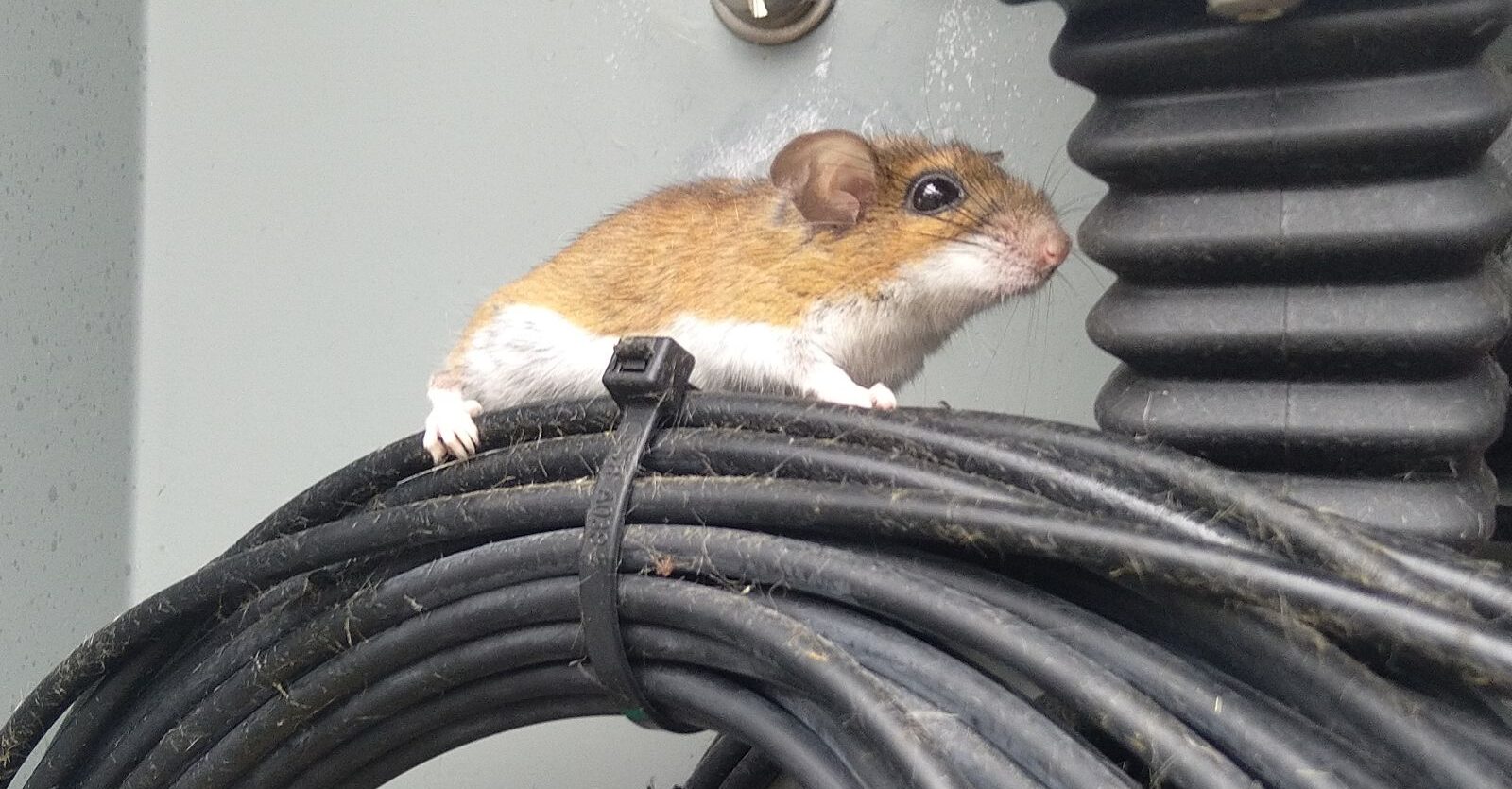
You may love the brickwork, mature neighbourhood, and solid character of your older Oshawa home, but its age can also reveal how mice are getting inside. Foundations settle, mortar wears away, utility lines are added, and renovations create joints between old and new construction. Over many years, these small changes can form hidden routes into basements, walls, ceilings, and attics.
You may notice scratching at night, droppings in a storage area, or damage near food before you ever see an entrance. That is because the place where activity appears may be far from the exterior opening. A gap that looks minor outdoors can connect with a much larger space behind finished walls.
At Skedaddle Humane Wildlife Control in Oshawa, we inspect the full building so you never need to search dangerous or contaminated areas yourself. You should not touch droppings, enter an affected attic, open walls, or seal a suspected entrance. In this blog, we explain what an older house can reveal about a mouse problem, which structural changes deserve professional attention, and how our team provides humane removal and long-term prevention.
How Do Mice Get Into Old Houses?
Mice get into old houses through small openings created by age, weather, soil movement, past repairs, and property upgrades. Common routes include cracks around the foundation, worn masonry joints, gaps beside utility lines, loose exterior trim, and seams around additions. They can fit through an opening about six millimetres wide, so a gap may be easy to miss during a casual look.
The visible opening is not always the complete route. A crack beside a pipe may lead behind a basement wall, while loose brickwork may connect with framing above it. They can then appear in rooms far from the original entry point.
You should arrange an inspection when sounds, droppings, odours, or damaged materials suggest indoor activity. Do not close the first hole you find because occupants may still be inside. Our technicians determine where they entered, how they travelled, and which other parts of the structure need protection.
Aging Foundations and Masonry Create Hidden Openings
The lower edge of an older home changes as the ground shifts and exterior materials face years of harsh weather. A weakness may be hard to see from the street yet large enough to provide access.
- Foundation Settling: Moving soil can place uneven pressure on concrete, stone, or block foundations. Cracks and separated sections near corners or basement openings may lead into hidden spaces. Our technicians assess the full connection instead of judging a gap only by its exterior width.
- Sill Plate Gaps: The sill plate rests where the wooden frame meets the foundation, making this joint an important inspection area. Age, moisture, and movement can create spaces beneath siding or trim. A route may extend into the floor system well beyond its visible edge.
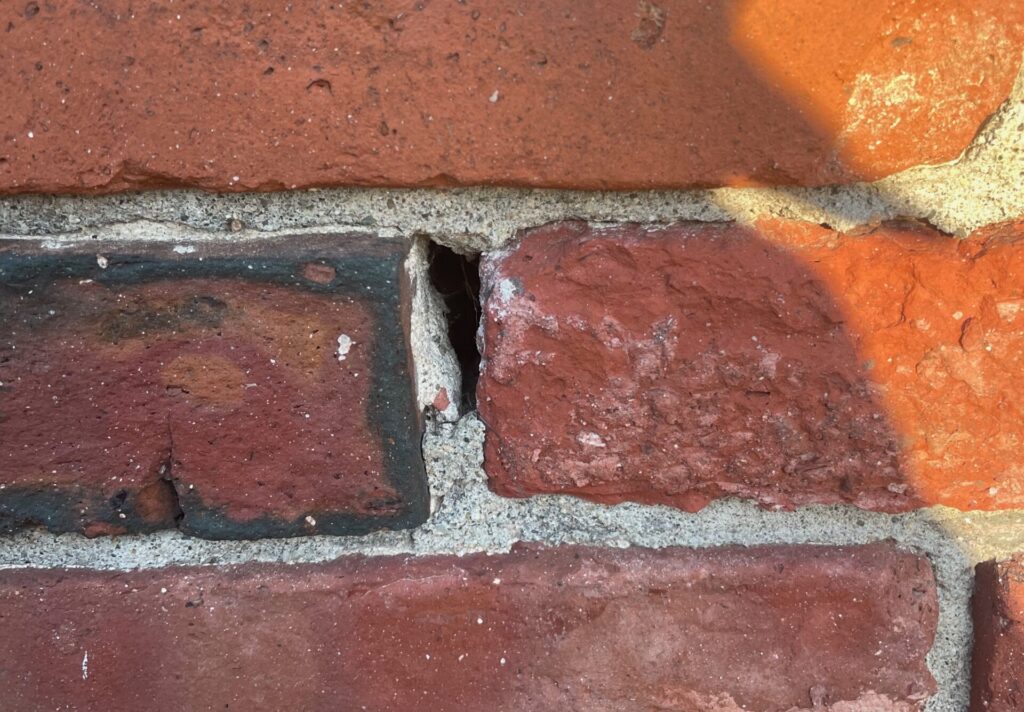
- Worn Mortar and Brickwork: Mortar can weaken after years of weather exposure, leaving deeper openings behind an exterior that still appears strong. Weep holes must continue serving their drainage purpose, so they cannot simply be blocked. Our team identifies active routes and chooses materials that respect the building’s design.
- Older Windows and Exterior Trim: Basement window frames, casings, and exterior joints can shrink, rot, or pull away. Several tiny spaces may connect with one hidden cavity, while paint or old repair material conceals the damage. A complete assessment helps us separate normal ageing from an active entrance.
Utility Work and Additions Can Leave New Routes
Many established homes have received new utilities and room additions. Each project can create an exterior opening or disturb an older seal that weakens years later.
- Plumbing and Gas Lines: Pipes often pass through foundations, brick, siding, or basement walls. An oversized opening or ageing seal can lead into a broad wall cavity. Our technicians inspect the full area without asking you to move equipment or disturb it.
- Electrical, Heating, and Cooling Upgrades: Panels, cables, vents, and cooling lines add penetrations to an older exterior. Filler may shrink or separate from brick and concrete, sometimes behind equipment. We examine each line and the place where it enters the building.
- Attached Additions: An extended kitchen, garage, or extra room may rest on a newer foundation than the original house. Different settling rates can open seams along walls, roofs, and foundations. Our inspection follows the connection rather than checking only the newest room.
- Enclosed Porches and Converted Areas: Porches, mudrooms, and storage areas may have framing or foundations that do not meet the main structure evenly. A gap beneath the conversion can connect with walls or floors inside the original house. These transitions require a property-specific plan.
Signs That Activity Has Spread Beyond the Entrance
The first indoor sign may appear far from the entrance because walls, floors, and ceilings hide movement. You can note what you observe from a safe living area, but our technicians should investigate the source.
- Sounds Behind Walls or Ceilings: Scratching, running, or gnawing may become clearer at night. Framing can carry sound, making activity beside one room seem as if it comes from another. We compare the noises with structural evidence found during the inspection.
- Droppings and Stains: Waste or dark staining may appear near cupboards, basement walls, storage rooms, utilities, or insulation. You should not touch, sweep, vacuum, or clean this material because that can disturb contaminated particles. Our team determines what professional cleaning and sanitizing are required.
- Damaged Materials: Chewed packaging, insulation, wood, or wiring may show that activity extends beyond one room. Other damage can remain concealed behind a wall or ceiling. We document the affected areas and include them in the removal and prevention plan.
- Unusual Odours: Waste, nesting material, and hidden activity may cause a stale smell, but moving air can carry it away from the source. Opening a wall or entering an attic without training can expose you to further risk. Our technicians locate the likely source while keeping you away from the affected area.
Why One Opening May Reveal a Larger Building Problem
An old house is a connected system. Gaps behind floors, walls, cabinets, stairs, and utility chases may link several levels, so a foundation entrance can produce signs upstairs.
Several exterior weaknesses may exist, including openings that are not active yet. Sealing only the obvious location can trap occupants or leave the larger problem unresolved.
We follow evidence across the property and identify entrances, travel routes, nesting areas, and contaminated materials. This complete view brings removal, cleanup, and exclusion into one plan.
What Established Oshawa Homes Add to the Picture
Oshawa’s heritage inventory contains more than 500 properties. Long-standing houses may have passed through many repairs and upgrades, leaving materials from different periods.
Southern Ontario weather adds stress through freezing, thawing, and moisture. These conditions can affect mortar, foundation cracks, older repairs, wood, and trim until a hidden route develops.
Age alone does not prove occupancy, since the condition of the foundation, masonry, utilities, additions, and roofline matters more. Our Oshawa team uses local knowledge while creating a plan for each property.
Mouse Removal and Prevention with Skedaddle
Our professional wildlife team begins with a detailed inspection of the building’s interior and exterior. We assess foundations, masonry, utility penetrations, additions, roof edges, basements, attics, and other possible routes. You do not need to enter confined spaces, move contaminated material, or search behind walls yourself.
We then identify the active entrances, travel paths, nesting areas, damage, and signs of contamination. Our one-way doors allow mice to leave for food but prevent them from getting back inside. This humane process addresses the occupants without live trapping or relocation.
After the affected space is empty, our technicians complete professional cleaning and sanitizing where required. We secure vulnerable openings with durable, professional-grade materials selected for the structure. By connecting assessment, removal, cleanup, and exclusion, we address both the current activity and the conditions that allowed it to begin.
Frequently Asked Questions
How small can an entry opening be?
Mice can pass through an opening about six millimetres, or one-quarter of an inch, wide. Gaps around utilities, foundations, windows, and roof edges may provide access when they connect with a protected cavity. The visible edge can also hide a larger void behind brick or trim. Our technicians inspect these connections before deciding how active openings should be secured.
Why do I hear sounds in different rooms?
Walls, floors, ceilings, and utility spaces can carry sound through an older house. Activity above one room may seem to come from the wall beside another, especially at night. These animals may also change routes as they move through hidden spaces. We compare the sounds with droppings, damage, staining, and structural gaps rather than relying on noise alone.
Does one dropping prove there is an active problem?
One dropping cannot reveal how many occupants are present, where they entered, or whether activity is current. Its condition and location must be considered during a professional inspection. Other signs may remain hidden behind cabinets, insulation, or walls. Leave the material untouched so our team can assess whether professional cleanup and sanitizing are needed.
Can an addition create access into the original house?
Yes, because an addition and the original house may use different foundations, framing, and exterior materials. Their meeting point can separate as the sections age or settle. A small seam may then connect with spaces inside both parts of the building. We examine the full transition rather than only the room where signs appeared.
Should I seal a hole as soon as I find it?
No, because occupants may remain inside, and closing their entrance can trap them or push them elsewhere. The opening may also be one part of a route that includes several gaps. Skedaddle first determines how the space is being used and which areas require attention. Humane removal must happen before permanent exclusion work begins.
Protect the Character of Your Older Oshawa Home
An older house can reveal a long history of foundation movement, worn mortar, utility upgrades, repairs, and additions. Any one of these changes may create a small entrance, while several connected gaps can form a hidden path through walls, floors, ceilings, or attic spaces. The place where you notice sounds or droppings may therefore be far from the original exterior opening.
You should not enter an affected attic, open walls, touch waste, or seal a suspected route. Our team determines how the space is being used, whether occupants remain inside, and which secondary gaps also need protection. That careful order helps prevent the problem from moving elsewhere in the house.
At Skedaddle Humane Wildlife Control in Oshawa, we perform the inspection, humane removal, professional cleanup, and long-term exclusion work for you. Our team looks at the whole structure instead of treating one visible sign in isolation. Contact us to schedule a property assessment or request an estimate to learn more about protecting your older home.

 Loading...