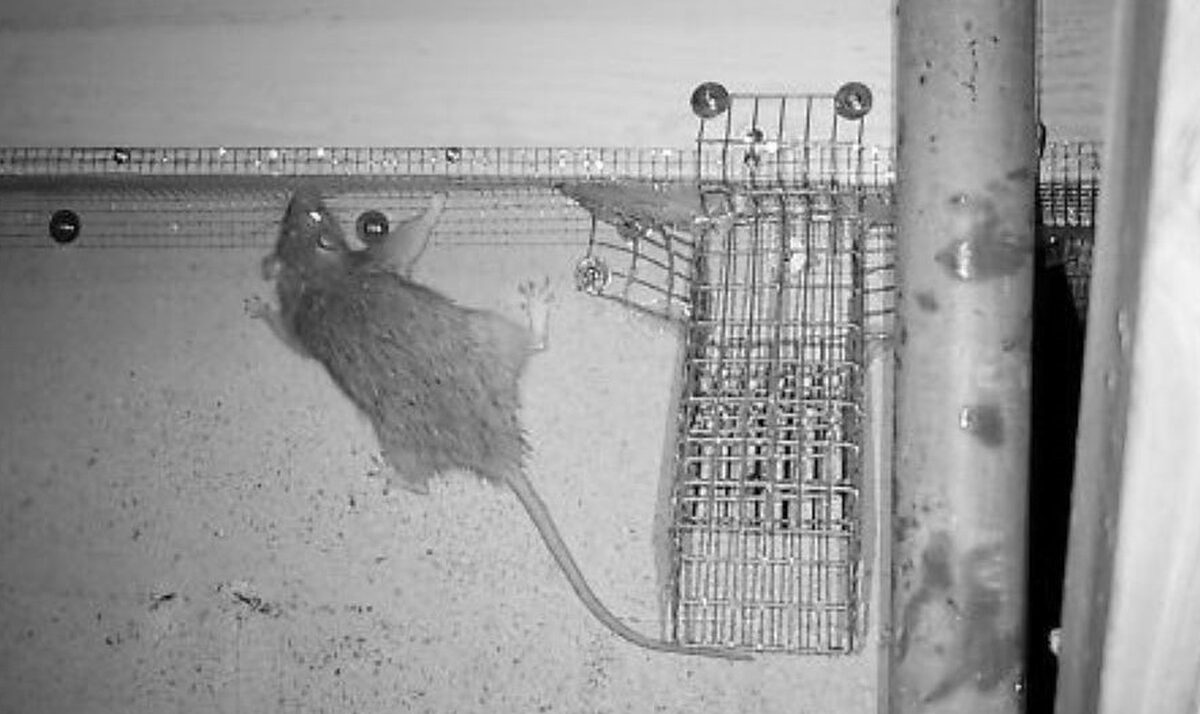
You reach for a box of winter decorations and discover a chewed corner, loose scraps of paper, or damage to a fabric ornament. Suddenly, unpacking feels less festive. Could mice have been using your garage while those boxes sat undisturbed?
Seasonal storage gives Pickerington homeowners and business owners a useful opportunity to notice changes. Belongings that have not been touched for months can conceal activity, particularly when nearby food and building openings provide additional opportunities.
Before carrying decorations into living rooms, offices, or customer areas, check the containers and their surroundings. Knowing what to look for can help you distinguish ordinary storage damage from signs that deserve professional assessment.
How to keep mice out of the garage in winter?
Store seed and pet food in sturdy, sealed containers, reduce clutter, and maintain snug-fitting garage-door seals. Check accessible gaps around doors and utilities, but have suspected active entrances assessed before sealing. If you find droppings, gnawed boxes, or nesting material, arrange a professional inspection to address existing activity and possible access to connected living spaces.
Check Decoration Boxes Before Bringing Them Indoors
Start your seasonal unpacking where the decorations are stored. Before lifting a box and carrying it inside, look at its exterior and the accessible floor or shelving around it.
A chewed corner may be easy to notice, while small holes or damage underneath can be less obvious. Cardboard can also deteriorate through moisture and ordinary handling, so damage alone does not confirm mice.
Look for several clues together:
- Chewed edges or holes in packaging.
- Loose scraps beneath a container.
- Droppings around the storage location.
- Damaged fabric or paper decorations.
- Similar damage to nearby boxes.
If there are no signs of contamination, visually checking the contents can help you identify storage problems before decorating. If you find suspected rodent waste or nesting material, stop unpacking and avoid disturbing it.
Do not shake decorations out or brush suspected waste onto the garage floor. Moving affected belongings into occupied areas can spread contamination and make the situation harder to manage.
Keep suspect items apart from unaffected belongings where practical without unnecessary handling, and seek appropriate cleanup guidance. An assessment can also help determine whether mice are currently using the storage area.
For businesses, apply the same check before bringing seasonal displays into offices or customer spaces. Inspecting containers first helps prevent a storage-area concern from being overlooked during a busy setup day.
Recognize Possible Nesting Material and Concealed Activity
Seasonal belongings may remain undisturbed for much of the year. Boxes stacked behind equipment or decorations tucked beneath shelving can provide concealed spaces where activity goes unnoticed.
Mice may gather shredded paper, cardboard, fabric, or other materials for nesting. Finding these materials concentrated in a sheltered area deserves attention, especially when accompanied by droppings or gnawing.
Possible clues include:
- Shredded packaging gathered behind boxes.
- Fabric damage around stored cushions or decorations.
- Material collected inside a partially opened container.
- Droppings along nearby wall edges.
- Gnawed items in several adjacent storage locations.
These observations do not establish when the material was gathered or whether the space remains occupied. An inspection considers the surrounding evidence rather than relying on one finding.
Avoid pulling apart a suspected nest to see what is underneath. Do not reach into concealed gaps or move heavily affected belongings simply to finish organizing.
Suspected rodent waste requires different handling from ordinary dust. Avoid dry sweeping or vacuuming it, and follow appropriate public-health cleanup guidance or seek professional assistance.
Record the location and photograph visible concerns from a safe position. This information can help guide an assessment without requiring further disturbance.
Routine organizing makes storage easier to inspect. Once suspected contamination appears, however, the next step should account for both safe handling and the possibility of existing activity.
Review Food Storage Beyond the Kitchen
A garage may contain more food opportunities than expected. Birdseed beside the gardening tools, pet food near the door, and grass seed on a shelf can all deserve attention during your walkthrough.
Businesses may have packaged snacks, food inventory, or waste stored near seasonal displays. Even a room that is mainly used for equipment can contain spills or forgotten edible supplies.
Check these items while reviewing decoration storage:
- Birdseed and other bagged seed.
- Pet food and treats.
- Household food stored outside the kitchen.
- Packaged snacks or commercial food inventory.
- Trash containing food scraps.
Open bags and cardboard packaging offer limited protection against gnawing. Store unaffected supplies in sturdy containers with tightly fitting lids, and check the containers periodically for damage.
Clean up ordinary spills promptly. Seed scattered behind a shelf may remain accessible even after the main bag has been secured. Business owners should also review how damaged packaging and waste are handled during busy periods.
Food that may have been contaminated needs appropriate handling rather than being transferred into a fresh container for later use.
Securing food reduces opportunities, but it does not close an exterior opening or establish that mice have left. They may find other resources or continue using sheltered areas.
Pair food-storage improvements with an assessment when you find signs of activity. That approach addresses both the conditions supporting visits and the routes that may allow access.
Inspect Garage Doors and Accessible Exterior Gaps
After checking belongings and food storage, look at the building itself. Garage doors have several edges where wear or poor fit can leave gaps.
With the door closed, inspect the bottom seal and lower corners from inside. Look for uneven contact with the floor, missing material, or visible daylight. Check side weatherstripping and any pedestrian door as well.
Useful concerns to document include:
- Cracked or flattened bottom seals.
- Gaps at the lower corners.
- Loose side weatherstripping.
- Damaged sweeps on pedestrian doors.
- Gnawed edges or recurring damage.
A worn seal may need replacement, while an uneven door may require professional servicing. Keeping debris away from the threshold can help the door close properly.
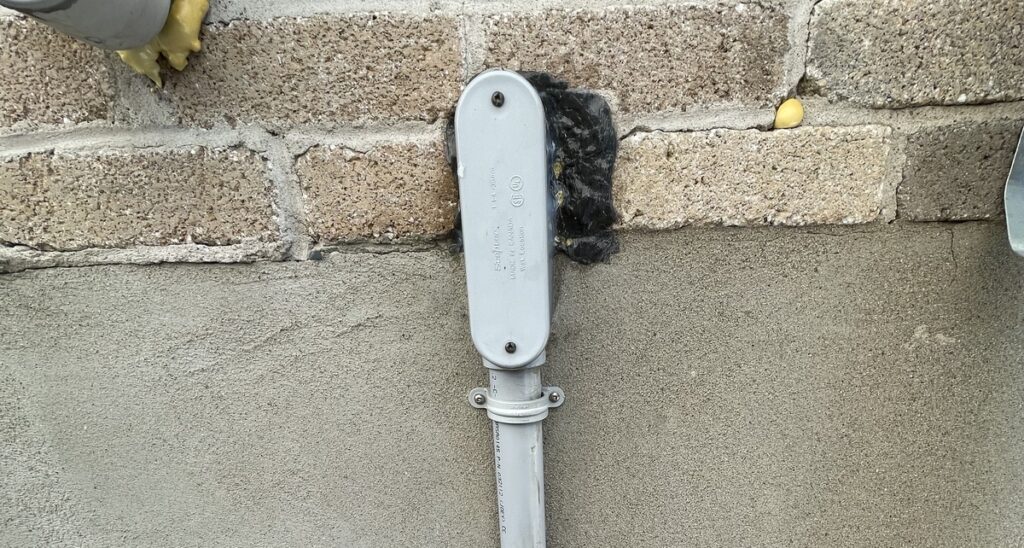
Then review accessible exterior areas around pipes, cables, and transitions between building materials. Previous installation work or deterioration may have left openings elsewhere.
Do not disturb utility connections or indiscriminately fill vents and drainage openings. Repairs must suit the opening and preserve its necessary function.
Ordinary wear calls for appropriate maintenance. Droppings near a gap, repeated gnawing, or observed mouse entry calls for assessment before permanent sealing.
Replacing one seal may improve the door without addressing other entrances. A broader inspection can identify relevant access concerns and determine how removal and repairs should be coordinated if mice are already inside.
Understand How Mice Can Reach Connected Living Spaces
An attached garage is connected to the home through more than the doorway you use each day. Depending on construction, service penetrations and concealed wall or floor cavities may provide additional connections.
A mouse seen among garage boxes may therefore warrant assessment beyond that storage location. However, garage activity does not automatically establish that every room in the home is affected.
Relevant areas may include:
- The fit of the connecting door.
- Accessible gaps around services.
- Adjoining wall and floor cavities.
- Storage areas on the other side of the wall.
- Locations of sightings or damage inside the home.
An exterior entrance and an interior travel route perform different roles. A gap around a pipe inside the garage may lead into a cavity, while a separate opening provides access from outdoors.
Closing only the interior gap may leave the original entrance unresolved. Suspected active routes should be assessed before permanent repairs begin.
A detached garage does not provide the same direct interior connection. Signs there still deserve attention, but they do not identify how mice may have entered the house.
Businesses should consider similar connections between storage rooms and offices, kitchens, or customer areas. Share sightings, packaging damage, and recurring sounds with the technician.
The inspection should follow evidence and the layout of the building rather than stop at the first chewed decoration box.
Build Prevention Into Seasonal Storage Routines
Seasonal decorating provides two useful inspection opportunities: when items come out of storage and when they go back. A simple routine can make changes easier to notice throughout the year.
After affected materials have been appropriately addressed, review how belongings are stored. Sturdy containers with well-fitting lids can improve protection, but their condition matters. No container should replace building maintenance or be assumed universally mouse-proof.
A practical storage routine includes:
- Checking containers before moving them.
- Inspecting items before putting them away.
- Removing unnecessary cardboard and packaging.
- Keeping accessible wall edges and floors visible.
- Securing seed, pet food, and other supplies.
- Reporting new damage or sightings promptly.
Labeling containers can reduce unnecessary searching and disturbance. Organized shelving also makes it easier to reach components that need inspection or repair.
Businesses can assign responsibility for periodic checks and give staff a clear way to report signs. A concern noticed during display setup should reach the person responsible for property maintenance.
When activity is suspected, housekeeping supports a professional plan. Exclusion means securing appropriate openings against entry or re-entry, and it needs to be coordinated with humane removal.
At Skedaddle Humane Wildlife Control, we consider evidence of activity alongside relevant access points. The plan should reflect the building and its connections, while continued storage care and maintenance help support prevention afterward.
Frequently Asked Questions
Do chewed decoration boxes always mean mice?
No. Cardboard can be damaged by moisture, handling, and other causes. Chewing deserves closer attention when accompanied by droppings, gathered material, or sightings. Record what you find and arrange an assessment if activity is suspected rather than trying to identify the cause from one damaged corner alone.
Are plastic storage bins enough to prevent mice?
Sturdy bins with well-fitting lids can improve protection for stored belongings, but their condition and construction matter. Check for damaged lids, openings, and gnawing. Storage containers do not close building entrances or resolve existing activity, so they should support maintenance and exclusion rather than replace them.
Can mice travel from an attached garage into the house?
Gaps around doors, services, and connected cavities may provide routes between an attached garage and living spaces. The actual connections depend on the building’s construction. An inspection can assess relevant areas without assuming that every room is affected or that the garage is the only exterior access location.
What should I do if I find droppings among decorations?
Stop unpacking affected items and avoid shaking them out, dry sweeping, or vacuuming suspected waste. Keep children and pets away, and follow appropriate cleanup guidance or seek professional assistance. Arrange an assessment of possible activity before moving affected belongings into living rooms, offices, or customer areas.
Should businesses use the same storage checklist as homeowners?
The core principles apply to both: inspect containers, secure food, organize storage, and maintain access points. Businesses may also need checks for inventory, delivery routines, and commercial waste areas. Assigning responsibility and providing a reporting process helps ensure that signs noticed by staff receive timely attention.
Check the Boxes and the Building
Unpacking winter decorations can reveal more than forgotten ornaments. Damaged packaging, gathered material, and droppings deserve attention before belongings move into occupied spaces.
Pair storage checks with secure food containers, organized shelving, and appropriate garage-door maintenance. If activity is suspected, an inspection can assess the relevant building entrances and connections.
Contact Skedaddle Humane Wildlife Control serving Pickerington for a professional assessment and a humane mouse-removal and prevention plan. Addressing both stored belongings and access routes helps protect your property as you prepare for the season ahead.

 Loading...