You may expect mice and rats to slow down once winter arrives, but Windsor’s milder conditions can keep them active outdoors for longer. Moderate temperatures and lighter snow cover may allow them to continue searching for food, water, and shelter. They also have more time to explore foundations, garages, sheds, and rooflines for possible entry points.
Mild weather does not remove the risk of an indoor problem. A sudden cold snap can quickly make heated buildings more attractive, especially after these animals have already found a gap. Once inside, they may settle within walls, attics, basements, and other hidden spaces.
You should not enter tight areas, handle droppings, or try to remove them yourself. At Skedaddle Humane Wildlife Control in Windsor, we inspect the structure and complete the physical work for you. In this blog, we explain why Windsor’s milder winters extend rodent activity, how cold snaps change their behaviour, and how professional removal and exclusion protect your home.
What Smell Do Mice Absolutely Hate?
Strong smells may bother mice for a short time, but no odour can be trusted to keep them away. They may avoid a scented area at first and then return once they become used to it. Hunger, cold, and access to shelter can be stronger than their dislike of a smell.
Scent products also do not close the opening that allowed them to enter. They cannot remove mice living behind walls or locate hidden nesting areas. The activity may simply move to another part of the building.
A lasting solution requires a professional inspection of the entire structure. Skedaddle identifies entry points, removes the current occupants, and secures vulnerable areas. You do not need to use homemade sprays or other scent-based methods.
Moderate Weather Extends Outdoor Foraging
Windsor often experiences winter periods that are milder than those in many other parts of Ontario. These conditions can keep outdoor food and travel routes available later in the season.
- Longer Searches for Food: Mild temperatures allow mice and rats to keep moving through yards, alleys, and outdoor storage areas. They may travel farther instead of remaining in one sheltered place. More movement also gives them more chances to explore nearby homes.
- Less Snow Cover: Open ground can make travel easier around foundations, fences, sheds, and garages. Deep snow may block some paths, while clear areas remain easier to cross. These routes can lead them toward small openings in a building.
- Available Food Sources: Garbage, compost, spilled seed, and food stored in garages may stay easier to reach during mild periods. These sources can support regular nighttime activity. Reliable food may also keep them close to residential properties.
- A Longer Fall-Like Period: Moderate weather can stretch fall behaviour farther into winter. Mice and rats may keep searching for food and new shelter instead of slowing their outdoor movement. During that time, they can find gaps that later provide quick access during colder weather.
Mild winter days do not mean that activity stays outdoors. They may nest inside while continuing to search for food around the property. Our professional inspection looks at both interior evidence and outdoor travel routes.
Cold Snaps Push Activity Toward Heated Buildings
Windsor can still experience sudden drops in temperature. When a mild period ends quickly, a warm home may become a much more attractive shelter.
- A Fast Search for Warmth: A sharp cold snap increases the need for a dry, protected space. Heated walls, basements, garages, and attics offer more stable temperatures. Mice and rats may enter quickly when they already know where a gap is located.
- Previously Found Openings: These animals may discover foundation cracks or roofline gaps during milder weather. They can return to those places when temperatures fall. What began as an outdoor travel route can become an entrance into the home.
- Shelter Close to Food: A building may provide warmth while nearby garbage or stored food provides meals. This combination can support activity through the colder months. They may move between an indoor nest and an outdoor feeding area.
- Movement Deeper Inside: Entry through a garage, foundation, or roof does not mean they remain near that opening. They can follow walls, pipes, wiring, and ceiling spaces into other areas. A sighting in one room may be far from where they first entered.
A sudden increase in noise or sightings may follow a change in weather. You may hear activity after the outdoor temperature drops, even if the home seemed quiet before. This pattern can help our technicians assess what may be happening inside.
Shorter Freezing Periods Reduce the Winter Slowdown
Mice and rats remain active throughout the year, but long periods of severe cold can limit how far they travel outdoors. Windsor’s shorter freezing periods may provide more days when they can move between sheltered spaces. This continued movement gives them more chances to find food and explore properties.
Warmer breaks may reopen routes along fences, foundations, alleys, garages, and sheds. Melting snow can uncover food and make familiar pathways easier to use. These animals may then return to sheltered areas or building gaps they found earlier in the season.
This repeated movement can make winter activity feel less predictable. They may remain outside during a mild week and enter a heated building when the next cold period arrives. Our professional inspection can find signs of both outdoor and indoor activity while locating the openings that connect them.
Common Winter Entry Points Around Windsor Homes
Mice and rats do not need a large hole to enter a building. Many of their access points are hidden behind fixtures, beneath siding, or along the roofline.
- Foundation Gaps: Cracks, settling, and openings near the sill can provide ground-level access. Older foundations may contain uneven areas that are difficult to see. A small exterior gap can connect with a much larger basement or wall space.
- Utility Openings: Pipes, wires, heating lines, and internet cables must pass through exterior walls. Extra space may remain around these features. Once inside, the opening can lead directly into a basement, utility room, or wall cavity.
- Garage Door Edges: Damaged seals and uneven thresholds may leave gaps beneath or beside a garage door. An attached garage provides shelter from wind and snow. Openings in shared walls or ceilings may then offer access to the main house.
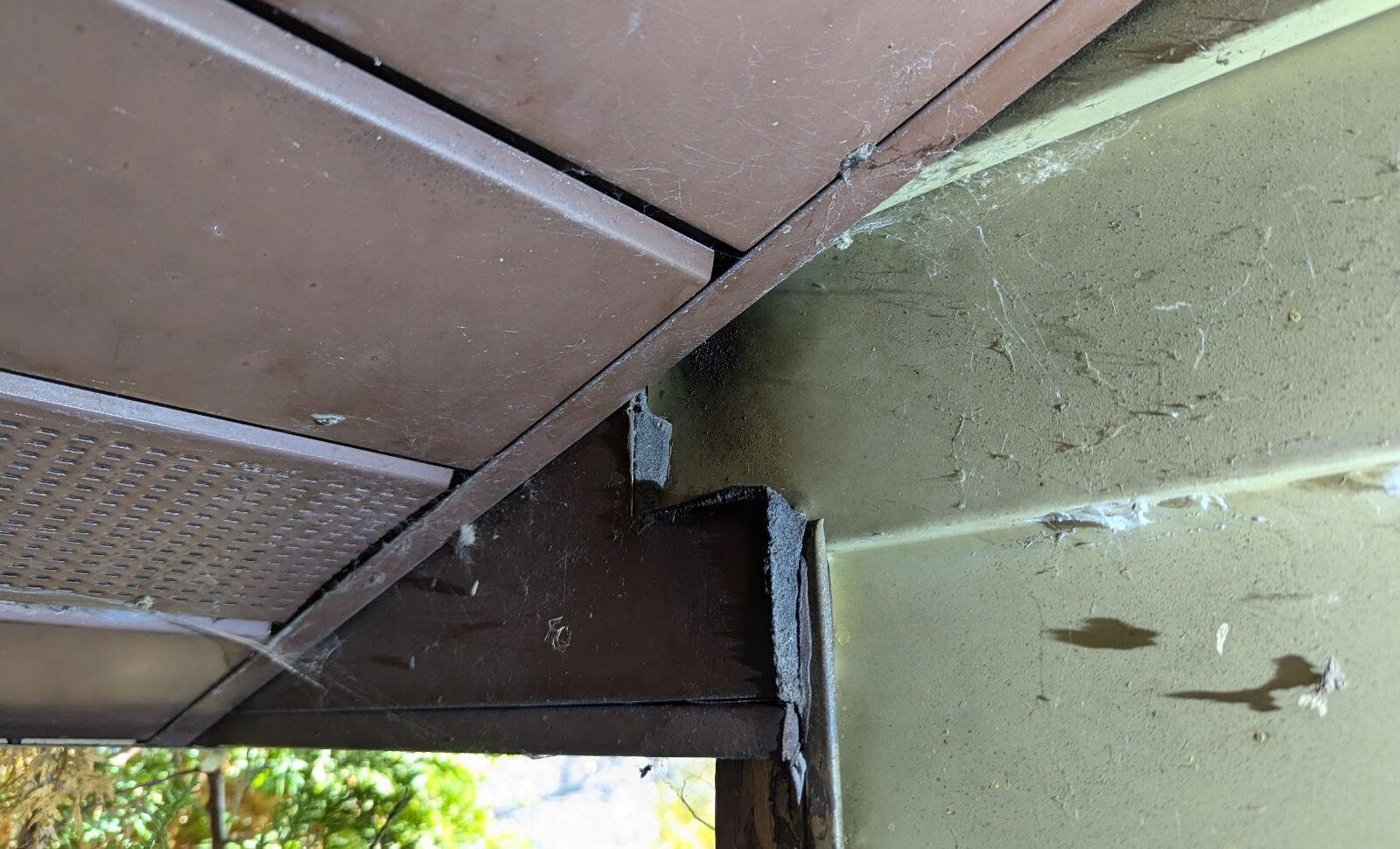
- Roofline Weaknesses: Loose soffits, fascia gaps, and damaged vents can provide entry well above ground level. Mice and rats can climb rough walls, pipes, and nearby structures. Our inspection includes the roofline instead of focusing only on the foundation.
- Seams Between Materials: Brick, wood, siding, and metal react differently as temperatures change. Small spaces can develop where these materials meet. Additions and renovated sections may contain several of these hidden connection points.
You should not crawl beneath a porch or climb onto the roof to look for these openings. Some areas may be unstable, slippery, or contaminated. Our technicians have the equipment needed to inspect them safely.
Signs That Winter Activity Has Moved Indoors
Indoor activity may remain hidden until you notice sounds, damage, or waste. These signs should be assessed without touching contaminated areas.
- Scratching and Movement: You may hear light movement behind walls, above ceilings, or beneath floors. The sounds may become clearer at night when the home is quiet. Noise alone cannot show how many mice or rats are present.
- Droppings and Stains: Waste may appear near walls, storage areas, or hidden travel routes. You should never touch, sweep, or vacuum droppings. Disturbing dry material can spread contaminated particles into the air.
- Gnawed Materials: Mice and rats may chew wood, insulation, containers, plastic, and other materials. Wiring can also be damaged, which may create a fire risk. A professional should inspect areas where chewing is suspected.
- Unusual Odours: Urine, nesting material, and hidden activity can create a stale or unpleasant smell. The odour may seem stronger near walls, cabinets, or vents. However, smell alone cannot locate the nest or entrance.
- Repeat Sightings: Seeing one rodent does not tell you how many are inside. It may be travelling from a hidden nest to food or water. Repeated sightings make a full structural inspection more important.
Evidence in one room may be connected to activity elsewhere in the building. Wall cavities and ceiling spaces can allow movement between floors. Treating only the visible area may leave the main entry point unresolved.
Why Winter Activity Can Continue Indoors
A heated building provides stable shelter even when outdoor temperatures rise and fall. Walls, attics, basements, and insulation also offer dark spaces where mice and rats can remain out of sight. Once settled inside, they do not need to leave just because the weather becomes mild again.
Food and water can support continued activity through winter. Small crumbs, stored goods, leaks, and waste areas may provide what they need. They can travel through hidden spaces to reach these sources without crossing an open room often.
Removing one visible rodent does not confirm that the structure is clear. Others may remain behind walls, and the outside entrance may still be open. Our professional removal must be paired with exclusion to address the full problem.
Why Windsor Homes Face Changing Winter Pressure
Windsor’s winter weather can shift between moderate days, rain, snow, and freezing temperatures. These changes affect outdoor food, travel routes, and the need for shelter. A mild stretch may support outdoor movement, while the next freeze can push activity indoors.
Freeze-and-thaw cycles may also affect small building gaps. Water can enter cracks and expand when it freezes, while different materials shift as temperatures change. These changes may make existing weaknesses easier to use.
The city also has a mix of older homes, newer construction, attached garages, additions, sheds, and closely spaced properties. Alleys, fence lines, and neighbouring buildings can create connected travel routes. Our team considers these local features during a property inspection.
How Does Skedaddle Deal with Your Rodent Problem?
When mice or rats enter your home, our professional wildlife team begins with a detailed inspection. We examine the foundation, garage, utility openings, roofline, attic, basement, and other possible travel routes. Our technicians identify active entrances and look for signs throughout the building. You do not need to enter a tight or contaminated space.
We then create a removal plan based on the location and level of activity. When appropriate, our one-way doors allow wildlife to leave but prevent them from returning. We confirm that the removal process is complete before securing the building. Skedaddle does not use live trapping or relocation.
Droppings, urine, nesting material, and damaged insulation may require professional attention. Our team can remove contaminated material, clean the affected area, and assess damage. We then secure vulnerable openings with durable exclusion materials. This approach helps prevent new activity during the next mild stretch or cold snap.
Frequently Asked Questions
Do mice and rats stay active during winter?
Yes, mice and rats remain active throughout winter. They do not hibernate, but their travel routes and shelter choices may change as temperatures fall. Mild weather may keep them moving outdoors, while cold snaps can push them toward heated buildings. Indoor activity can continue even when you do not see them.
Does seeing one mouse mean there are more?
One sighting does not confirm how many mice are inside your home. It may be a single visitor, but it could also be part of activity hidden behind walls or above ceilings. Droppings, scratching, damaged materials, and repeat sightings make a larger problem more likely. Our professional inspection is needed to determine what is present.
Why Do Rodents Enter Homes during a cold snap?
Cold temperatures increase the need for warmth and protected shelter. Mice and rats may use openings they found while exploring during milder weather. A heated garage, attic, basement, or wall space provides a more stable place to rest. Nearby food and water can encourage them to remain inside.
Can they enter through an attached garage?
Yes, gaps beneath doors, damaged seals, and openings around utility lines can provide access to a garage. Once inside, mice and rats may find routes through shared walls, ceilings, or the door leading into the home. Garage storage can also provide food and hiding places. Our professionals will inspect both the garage and the main structure.
Should droppings be swept or vacuumed?
No, you should never sweep or vacuum rodent droppings. Disturbing dry waste can release contaminated particles into the air. The surrounding insulation or stored materials may also be affected. Our trained team can remove contaminated material and clean the area safely.
Should an entry point be sealed immediately?
An opening should not be sealed until a professional checks for active occupants. Closing it too soon may trap mice or rats inside walls, ceilings, or the attic. They may then search for another route into your living space. Removal should happen before lasting exclusion work is completed.
Stop Extended Winter Activity at the Source
Windsor’s milder winter periods may allow mice and rats to forage outdoors for longer. Clear ground, available food, and open travel routes give them more time to explore residential properties. When a cold snap arrives, the gaps found during that outdoor activity can provide quick access to a heated building.
Strong smells cannot provide lasting protection because they do not remove hidden occupants or close exterior openings. You should also avoid entering tight spaces, handling droppings, or sealing a gap before the building has been inspected. Professional removal and exclusion must work together to address the current activity and its source.
At Skedaddle Humane Wildlife Control in Windsor, we can inspect your home, trace hidden travel routes, complete the removal process, clean affected areas, and secure vulnerable entry points. Our team handles the work so you do not need to place yourself near contaminated or difficult-to-reach spaces.
Contact us to schedule a professional assessment. You can request an estimate to learn more about rodent removal and long-term prevention for your Windsor home.

 Loading...








