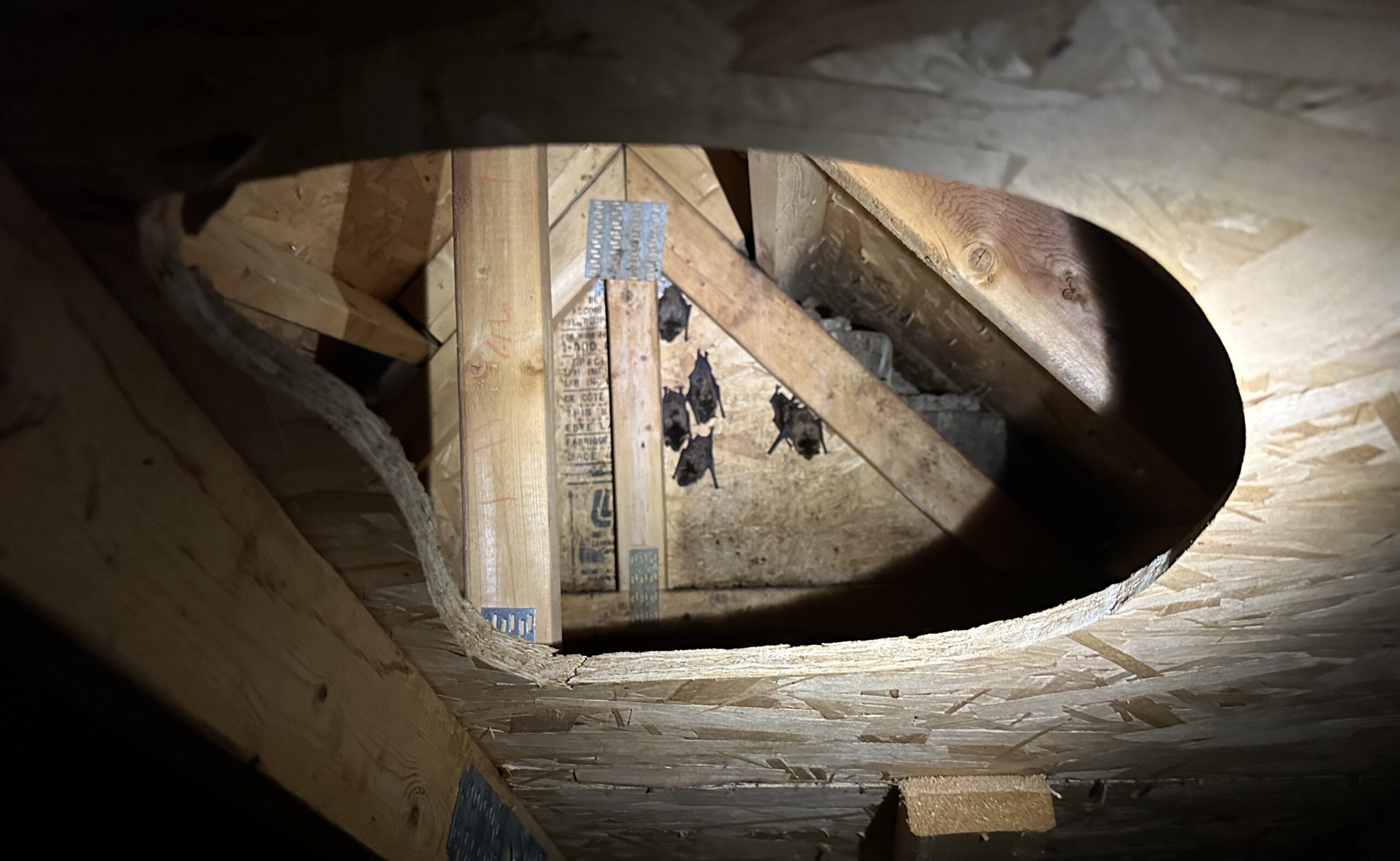
You may rarely enter your attic, but that quiet space can be an ideal roosting spot for bats. It offers warmth, darkness, height, and protection from rain, wind, and changing temperatures. Small openings around the roofline may also provide direct access without leaving an obvious hole.
The roof can trap heat from the sun while warm air rises from the rooms below. Rafters, insulation, wall gaps, and roof peaks provide hidden places where these animals can rest during the day. An attic may become even more useful during the maternity season, when mothers need a protected place to raise young.
At Skedaddle Humane Wildlife Control in Ohio, we inspect the attic and the full exterior to locate active entrances and roosting areas. You should never enter the space, touch droppings, or seal a suspected opening yourself. In this blog, we explain what makes an attic an ideal roosting spot for bats and how professional removal protects your home.
Where Do Bats Prefer to Roost?
Bats prefer dark, quiet, and protected spaces where they can rest without being disturbed. The location must also provide a safe way to leave at night and return before daylight. Natural roosts may offer these features, but an attic can provide many of the same benefits.
An attic also protects them from rain, strong wind, and sudden changes in temperature. High roof openings allow them to drop into the air and begin flying. Nearby water and insect activity can make the location even more useful.
One sighting does not prove that a colony is living inside. However, repeated flights from the same opening, indoor sounds, staining, or droppings may point to an active roost.
Warmth and Stable Temperatures Support Seasonal Roosting
An attic collects heat from the roof and the living space below. That warmth can make the area useful when outdoor temperatures fall at night. Different parts of the attic may also offer warmer or cooler places as conditions change.
- Heat From the Roof: Roofing materials absorb sunlight throughout the day and release some of that heat into the attic. The space may stay warm after the outdoor air begins to cool. A sunny roof slope can create a protected area with a steady temperature. This makes it easier for bats to rest without facing sudden weather changes.
- Warm Air From the Home: Heated air can rise from the rooms below and collect near the roof. Small gaps around lights, pipes, or attic access points may allow more warmth to enter. These leaks can create comfortable pockets near rafters and wall spaces. The same warm air may escape through exterior gaps and help them locate an entrance.
- Support During Maternity Season: Warmth is especially important when mothers gather to raise young that cannot yet fly. A steady temperature helps protect the group during the first part of the maternity season. Removing the adults while young remain inside would separate the colony and create a serious problem. Our professional exclusion must therefore account for the season and stage of development.
- Several Temperature Zones: Areas near sunny roof slopes, insulation, chimneys, and vents may hold different amounts of heat. These animals can move within the attic as the temperature changes. A cool corner may be useful at one time, while a warmer roof peak works better later. Our technicians inspect the whole space instead of checking only the most visible area.
Warmth alone does not prove that an attic is occupied. It becomes more important when the space also offers darkness, quiet, and a reliable entrance. Our professional assessment considers all these conditions together.
Darkness and Quiet Provide Daytime Protection
An attic usually receives little natural light and has limited human activity. You may only open the access hatch a few times each year. This gives bats a place to rest during the day without frequent noise or movement.
Rafters, roof peaks, wall spaces, and areas behind insulation provide even more cover. A large attic may contain several hidden roosting spots that cannot be seen from the hatch. The colony may also move between these areas as light and temperature levels change.
You should not enter the attic to search for the source of scratching or squeaking. A close inspection could place you near droppings or a frightened occupant. Our professional team has the equipment and training needed to examine these hidden spaces safely.
Tiny Roofline Gaps Can Provide Attic Access
A roof does not need a large hole to provide access. A narrow exterior gap may lead behind trim, roofing materials, or siding before opening into the attic. These entry points can be difficult to see from the ground.
- Soffit and Fascia Gaps: Soffit panels and fascia boards meet along several edges beneath the roof. Weather, age, or poor installation can cause a panel to loosen or a seam to open. A small gap in this area may lead directly into the attic or an enclosed roof space. Deep shadows beneath the eaves often hide the opening from view.
- Roof Vent Openings: A roof vent may remain in place even when its screen or lower edge has failed. Cracked plastic, loose frames, and pulled screening can create narrow spaces behind the visible cover. Warm air leaving the attic may also draw activity toward the vent. A close inspection is needed to determine whether the opening is active.
- Flashing and Roof Joints: Flashing protects the joints around dormers, chimneys, and changes in roof height. Metal edges may lift, separate, or leave small construction gaps beneath them. The visible surface can look complete while an opening remains underneath. Our technicians inspect the full joint because one gap may connect with a much larger hidden space.
- Chimney Connections: Openings may form around a chimney cap, damaged screening, mortar, or roof flashing. Activity near the chimney could involve the flue, the attic, or the space between building materials. Sounds near a fireplace do not reveal exactly where the roost is located. The chimney and surrounding roof must both be checked before any opening is closed.
- Loose Exterior Materials: Siding, shingles, trim, and roof panels can shift after years of sun, wind, and temperature changes. A narrow seam behind one loose section may provide enough room to enter. Sealing the visible edge may not address the complete route. A full inspection helps locate both the active entrance and nearby weak areas.
You should never close a roof gap simply because you have seen bats using it. Adults, dependent young, or inactive occupants may still be inside. Sealing the opening too soon can trap them or force them into the living space.
Height and Clear Takeoff Space Make Attics Useful
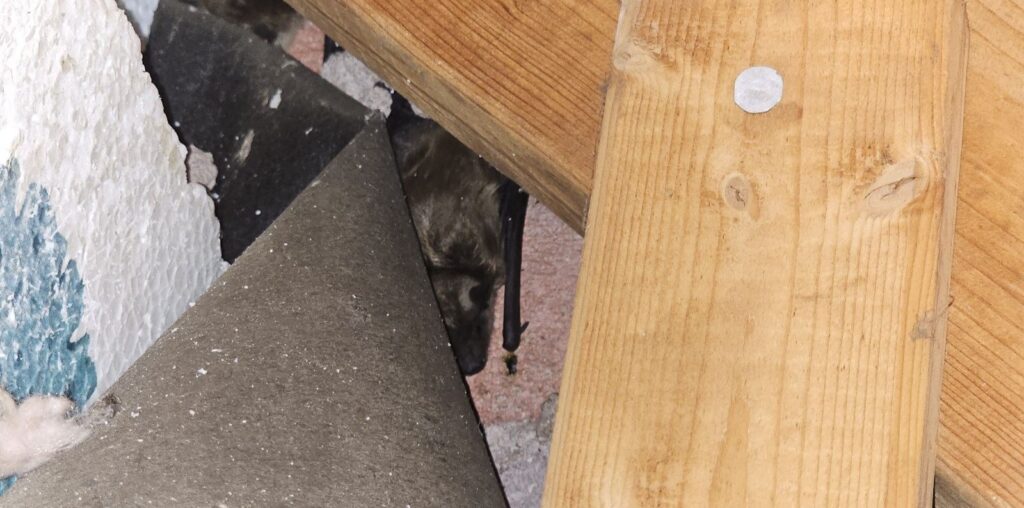
A high roofline gives bats room to leave the roost and begin flying. They may drop from an elevated opening before gaining full control in the air. Roof peaks, upper vents, chimneys, and tall exterior walls can provide this useful height.
Nearby trees, open yards, and property edges may also create clear flight paths. These routes can connect an attic with places where they feed and drink. A protected entrance high above the ground may be easier to use without frequent disturbance.
Repeated activity around one roof section at dusk is an important clue. The group may be leaving a roost instead of simply passing over your home. You can observe from the ground, but you should not climb up or block the opening.
Nearby Food and Water Make a Roost More Convenient
The attic provides shelter, but the surrounding property can make that shelter more useful. Bats leave at night to feed and may visit water along the way. A home close to both resources can support regular roofline activity.
- Water Near the Property: Ponds, streams, pools, and other water sources may support more nighttime activity. These areas can also draw greater numbers of insects. A nearby attic gives the colony shelter without requiring a long flight. The presence of water does not prove entry, but it may explain activity around the property.
- Trees and Green Spaces: Mature trees, parks, and wooded areas may provide useful feeding routes. Tree lines can guide movement through a neighborhood while offering some protection from wind. A home beside these routes may receive more evening visits. An accessible attic can then become a convenient place to rest during the day.
- Outdoor Lighting: Exterior lights often attract insects toward walls, patios, and roof edges. Bats may circle these areas while feeding without entering the building. This can make activity look more serious than it is. Repeated movement into the same roof gap provides stronger evidence of an indoor roost.
- Protected Flight Paths: Buildings, fences, rooflines, and rows of trees may form sheltered routes across a property. These paths can connect the roost with feeding and drinking areas. The same route may be used on many nights when conditions remain favorable. Our team examines the wider activity pattern instead of focusing only on one sighting.
Activity near food or water is not always a removal concern. The main question is whether these animals are only passing through or entering your home. Our professional inspection can separate normal outdoor movement from an active attic roost.
Signs an Attic May Contain an Active Roost
Many attic roosts remain hidden until several clues appear in the same area. You may notice the signs indoors, outside the home, or around one roof opening. No single clue shows the full size or location of the group.
- Repeated Flights From One Opening: You may see several bats leave the same vent, soffit gap, or roof joint around dusk. A single flight could be a brief visit, but repeated use suggests that the opening provides access to shelter. The exit may be difficult to see until you watch from a safe place on the ground. Never stand directly below or beside the opening.
- Scratching or Squeaking Sounds: Light scratching, squeaking, or fluttering may come from the ceiling, attic, or upper walls. The sounds can change as the group moves between hidden spaces. Activity may become more noticeable around sunset when they prepare to leave. Noise alone cannot confirm where the entrance is located.
- Dark Marks Near a Gap: Repeated contact can leave dark staining around a narrow opening. These marks may appear near vents, fascia, flashing, or soffit edges. Dirt and water can create similar stains, so the mark must be viewed with other evidence. Our technicians inspect the area for activity before recommending exclusion.
- Droppings Beneath an Entry Point: Droppings may collect on siding, windowsills, roof sections, or the ground below an opening. Material may also build up inside the attic beneath a roost. You should never touch, sweep, or vacuum it because disturbing dry waste may create a health concern. Our professional cleanup may be required after removal.
Several signs near the same part of the roof make an active roost more likely. They may also show that the space has been used for more than one season. Early assessment can prevent the buildup from spreading across a larger attic area.
Ohio Weather and Seasonal Timing Affect Attic Use
Ohio’s warm summers, cool fall nights, and cold winters create changing shelter needs. An attic may provide stable conditions during more than one season. Some groups may use the space to raise young, while others may treat it as a temporary stop.
The maternity period requires special care because young bats cannot leave until they are able to fly. One-way doors should not be installed while dependent young remain inside. The timing of exclusion must protect the full colony and prevent occupants from becoming trapped.
Seasonal changes may also affect when activity is easy to notice. Colder weather can reduce movement, but a quiet attic is not always an empty one. Or trained professionals must assess the season, building, and roost before completing any exclusion work.
Bat Removal and Prevention With Skedaddle
Our professional wildlife team begins with a full inspection of the attic and exterior. We examine the roofline, vents, soffits, fascia, flashing, chimney, and other possible entrances. We also locate the roost and determine whether dependent young are present.
The findings help us choose the correct time and method for humane exclusion. When appropriate, our one-way doors allow bats to leave but prevent them from getting back inside. We do not use live trapping or relocation, and we never close an active entrance before the occupants can safely leave.
Once the roost is empty, our technicians secure vulnerable openings with durable materials. We can also remove contaminated material and clean affected areas when needed. You do not have to enter the attic, handle droppings, or perform risky roof work. At Skedaddle, our process includes inspection, humane removal, cleanup, and prevention.
Frequently Asked Questions
Does one bat mean there is a colony in the attic?
Not always. One may enter through an open door or window without living in the structure. Repeat sightings, regular attic sounds, droppings, or several flights from one roof opening are stronger signs of a colony. A professional inspection can confirm the source.
How long can bats stay in an attic?
The length of time depends on the season, temperature, and purpose of the roost. Some attics are used during maternity season, while others provide temporary or longer seasonal shelter. A successful roost may also be used again in later years. Closing the entrance without an inspection could trap returning or inactive occupants.
Can bats damage attic insulation?
They do not usually chew through insulation to create an entrance. However, droppings and urine can collect on insulation and surrounding surfaces over time. Contaminated material may develop strong odors and require professional attention. Homeowners should not touch or remove it.
Can an attic entrance be sealed immediately?
No, an entrance should not be sealed until a professional confirms that exclusion can happen safely. Adults, inactive occupants, or dependent young may still be inside. Closing the opening too soon may trap them or push them into another part of the home. The season must also be considered.
Should homeowners clean bat droppings?
No, homeowners should not touch, sweep, or vacuum bat droppings. Disturbing dry material may release particles into the air. Our trained technicians use protective equipment and professional cleaning methods. The area should only be cleaned after the roost has been assessed and humanely removed.
Protect the Attic Before the Roost Grows
Warmth, darkness, quiet, height, and protection from bad weather can make an attic an ideal roosting spot. Small openings around vents, soffits, fascia, flashing, and chimneys may provide access without creating an obvious hole. Nearby water, trees, and feeding areas can make the location even more useful. A group may continue returning when the space remains safe and easy to enter.
You should never enter the attic, handle droppings, or close a suspected entrance yourself. An adult or dependent young may remain inside even when the space seems quiet during the day. Sealing the opening too soon could trap them or force them into another part of your home. Humane exclusion requires a full inspection, correct seasonal timing, and confirmation that every occupant has safely left.
At Skedaddle Humane Wildlife Control in Ohio, we handle each stage of the process for you. Our team can locate the active roost, complete humane removal, clean affected areas, and secure vulnerable openings with durable materials. You do not need to enter a contaminated space or perform dangerous roof work. Contact us to schedule a professional assessment or request an estimate to learn more about protecting your attic.

 Loading...








